Full Article
about Batea
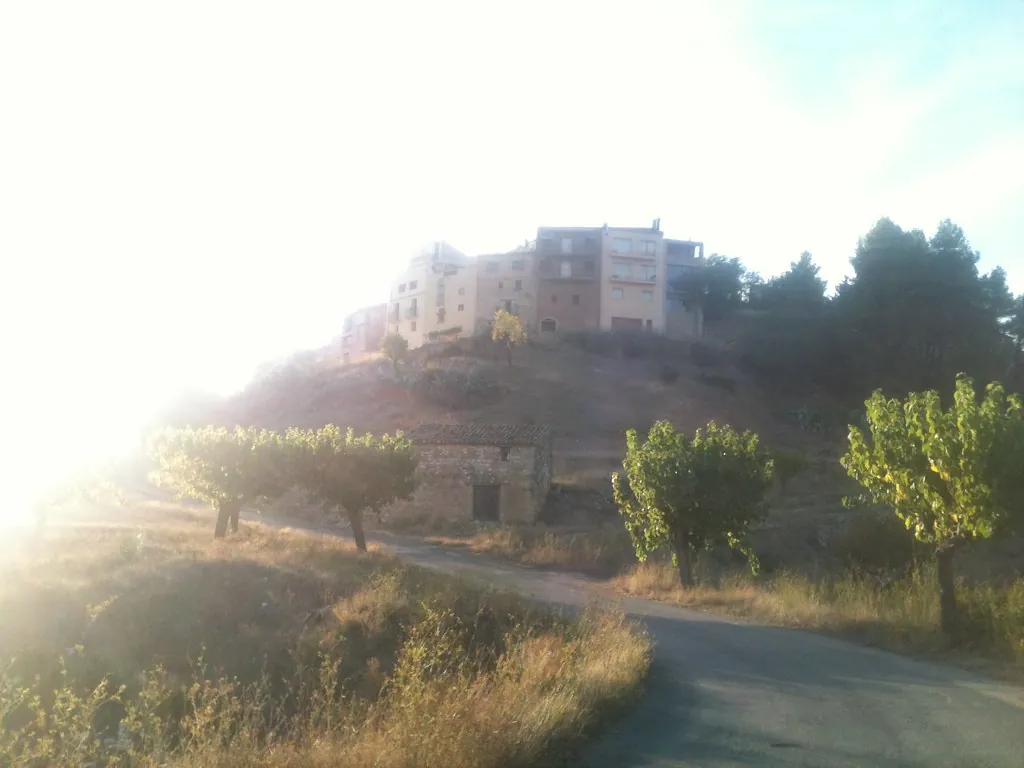
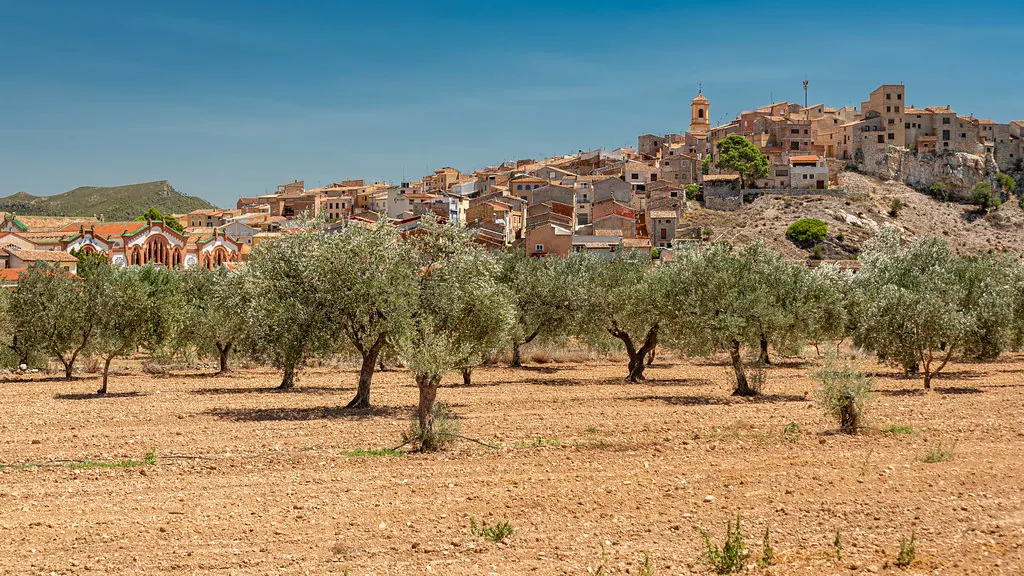
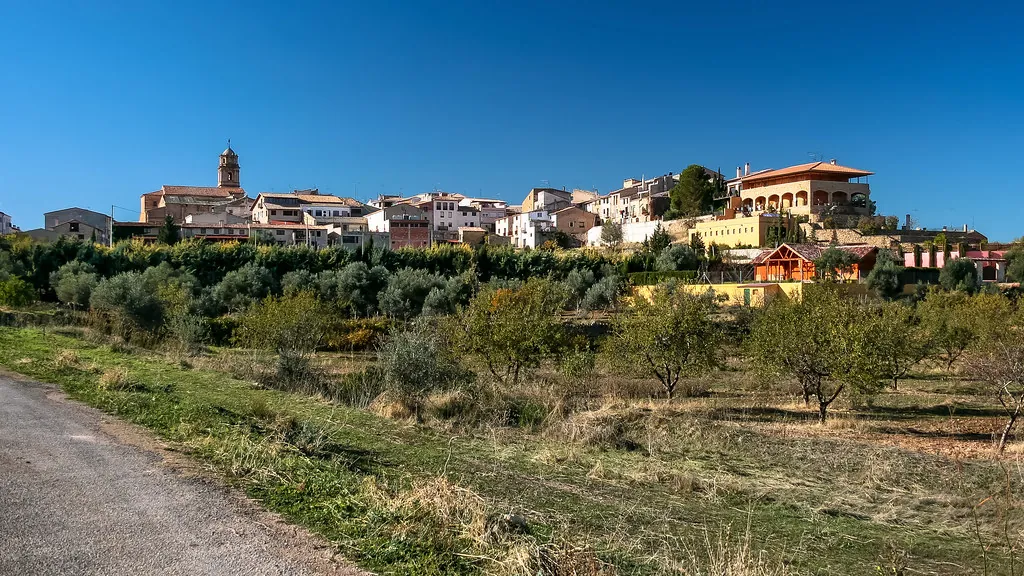
Medieval town with a well-preserved arcaded old quarter and large production of garnacha wine.
Ocultar artículo Leer artículo completo
The first sound at dawn is not a cockerel but a Massey Ferguson reversing down Carrer Major. By 07:30 the driver has already checked three kilometres of Grenache vines, waved to the baker, and parked outside Bar Nou for a cortado that costs €1.20 if you stand at the counter, €1.50 if you need a chair. At 376 metres above sea level, Batea’s mornings stay cool even in July; the mistral drags dry air across the plain and the scent of crushed thyme follows it. This is work, not theatre, yet visitors who arrive before nine see a village still honest enough to leave its front doors ajar.
Stone, Wine, and the Wrong Sort of Silence
The old centre fits inside fifteen minutes of slow walking, but give it an hour. Stone portals—some Gothic, some 1950s pastiche—open onto patios where a single lemon tree competes for light with a motorbike. The parish church of Sant Miquel squats at the top like a referee; its eighteenth-century bell tower was rebuilt after the Civil War using darker stone, so the upper third is two-tone, a detail you only notice when the sun slides round after eleven. Inside, the altarpiece dedicated to the Archangel is flanked by wine-growers’ guild banners; the guide, if you find her, will explain the symbolism in rapid Catalan then apologise for her English and refuse a tip. Photography is allowed, flash is not, and the door is locked at lunchtime because the key-holder drives back to the vines.
Surrounding streets are narrow enough that a Range Rover folds its mirrors. Park on the ring road; the town hall runs a free gravel strip where even Sunday visitors find space. Public loos are inside the modern market hall—spotless, but shut on Tuesdays for reasons no-one questions. The medieval laundry trough still carries water, though nowadays it irrigates geraniums rather than sheets. Sit on the rim and you’ll hear two things: swifts overhead, and the absence of English. Bring phrase-book Catalan; “Bon dia” and “Un tast de garnatxa blanca, si us plau” unlock more smiles than perfect grammar.
Vines that Outnumber People
Roughly four million kilos of grapes leave Batea each autumn, the equivalent of two London double-deckers of fruit per inhabitant. Cooperative Celler Batea, founded 1961, handles two thirds; the rest is split among nine family bodegas. Tours run twice daily, €8 including three wines and a drizzle of their own olive oil on farmhouse bread. The signature white—100 % Garnatxa Blanca—ferments in steel and smells of green apple and fennel; at 13 % it slips down like a Macon, making British visitors wonder why we pay £12 for inferior plonk at home. Bottles start at €4.50 ex-cellar, so leave suitcase space. Weekend slots fill with Barcelona stag parties; mid-week you may share the vat hall with a retired couple from Reus and the winemaker’s dog.
If you prefer pedalling to pouring, borrow a free bike (ask in the tourist office, they lend helmets without forms) and follow the signed 12-kilometre “Ruta de les Ermites”. The track is compacted limestone—fine for hybrids, lethal for skinny road tyres—and climbs gently to the Sant Joan hermitage, a single-cell building locked except on 24 June when locals hike up for overnight fireworks and brandy. From the doorway you look south across the Matarranya hills; on clear winter days the Pyrenees float like a snow-dusted wall. Carry water: there is no café, no fountain, and mobile coverage flickers in the valleys.
When Lunch Lasts Longer than the Working Day
Spanish schoolchildren are taught that Batea marks the geographic centre of Terra Alta; locals argue it also marks the culinary midpoint between Valencia and Aragón. Rice dishes arrive wetter than in Alicante but without the rabbit-heavy stews of Zaragoza. Restaurant Cal Xirricló opens only for lunch (13:30–16:00) and serves a three-course “menú del dia” for €16. Expect artichoke chips with romesco, followed by pork cheek that collapses under a fork and a glass of house red that would retail in Manchester for £9. They will not split bills, they do not take cards, and if you arrive at 15:55 the door will already be half-closed. Vegetarians survive on “coca de recapte”, a thick flatbread topped with roasted aubergine and red pepper—think pizza that went to university.
Evenings are quieter. Kitchens reopen at 20:30 at the earliest; many shut one night mid-week without advertising it. Plan accordingly: buy bread, tomatoes and a slab of local goat cheese before 14:00, then picnic on the mirador above the cemetery. Sunset paints the stone gold, and the only interruption is the church bell counting the hour you have already lost to siesta.
Winter Fog, Summer Furnace, Shoulder-Season Sweet Spot
January can bring two weeks of fog so thick the village feels shipwrecked; temperatures hover at 4 °C, heating in rural houses is oil-fired and owners charge €15 nightly extra. Conversely July afternoons regularly hit 36 °C, and the mistral fans any spark into a wildfire risk; forest tracks close without notice, and the cooperative bans vineyard visits after 11:00. April–May and late September–October give warm days (22–26 °C), cool nights, and vines either in bright green spring growth or heavy with purple fruit. British half-term coincides with the Festa Major (around 29 September); expect late-night brass bands, street bingo for hams, and a wine fountain that runs dry once the policia local have their photo taken.
Getting Here Without Losing the Will
Reus is the nearest airport—Ryanair from Manchester, Birmingham and London-Luton three times a week in season. Hire cars live in a portakabin opposite arrivals; book in advance or the queue rivals passport control. Driving time to Batea is 75 minutes on the A-7 and TP-2102, toll-free but single-carriageway for the last 25 km. If Barcelona is cheaper, allow two hours on the AP-7 (tolls €17 each way) or three on the coast-hugging N-340 if you dislike Spanish credit-card machines at toll booths. No UK operator runs a public bus to Batea; the Catalan train reaches Móra la Nova, forty minutes away, and a taxi from the rank costs €55—book the return or you will be hitch-hiking with the grape pickers.
Accommodation inside the village walls is scarce: two legal Airbnb flats above the butcher’s and a four-room guesthouse run by the cooperative. Cal Maginet in Vilalba dels Arcs, fifteen minutes away, offers smarter agroturismo—swimming pool, stone huts converted to doubles from €110 B&B, dinner on request. Bring cash for checkout; their card reader lives in a valley blackspot.
Parting Shot
Batea will not change your life. It offers no souvenir fridge magnets, no sunset yoga, no craft-beer tap takeover. What it does offer is the chance to stand in a street that smells of yeast and diesel, drink wine whose grapes were cut by the man now ordering coffee beside you, and remember that somewhere between the A-roads and the algorithm, Europe still functions on first-name terms and a 10:00 glass of white that nobody apologises for. Arrive curious, leave earlier than planned, and the tractor driver will still be there tomorrow.