Full Article
about Bot
Town on the Vía Verde with a wine-growing tradition and a landscape of sierras and gorges.
Hide article Read full article
At midday, when the sun falls straight over the vineyards, Bot seems to pause. The air carries the scent of dry earth and warmed leaves. From certain corners of the old quarter, the bell tower of Sant Llorenç stands out against the clear sky of the Terra Alta region in Catalonia. With shutters half lowered and barely a voice on the street, the pace of the village becomes easier to grasp.
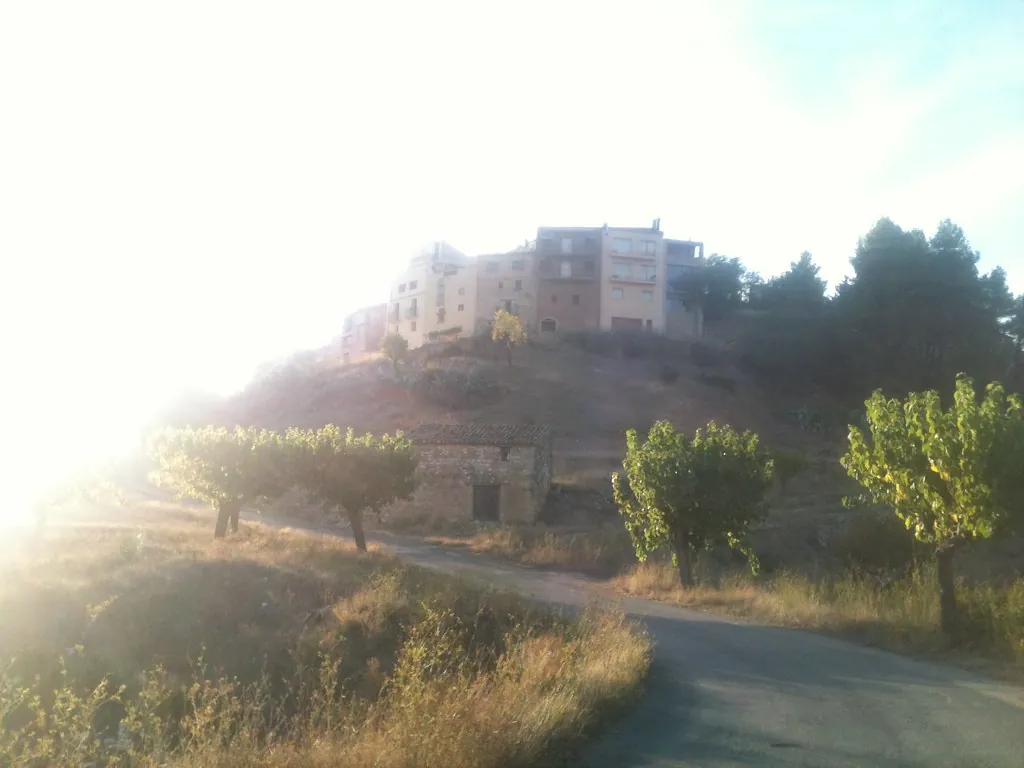
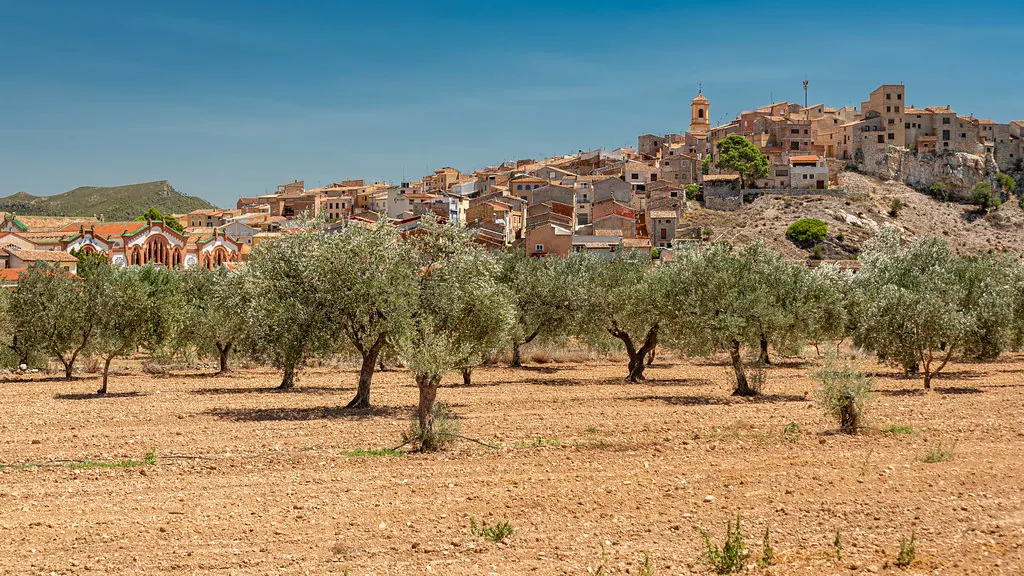
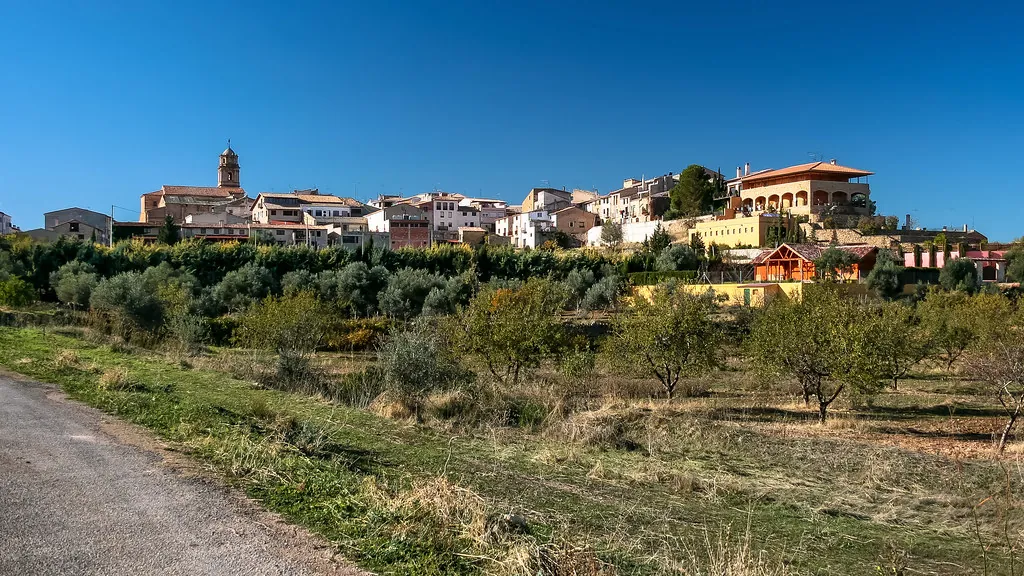
Tourism in Bot is, above all, about an agricultural landscape. The village sits among vineyards, olive groves and almond trees, and that relationship with the land still shapes its days and seasons. There are no headline attractions competing for attention. What draws people here is quieter and more gradual.
Stone streets and the outline of Sant Llorenç
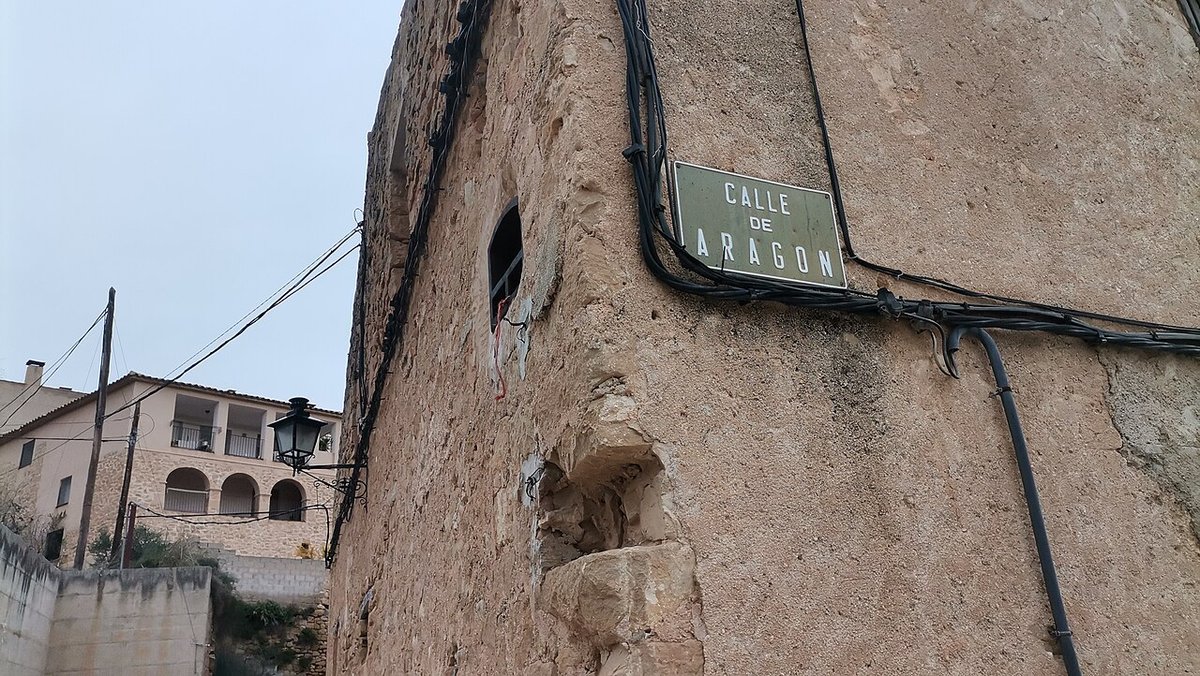
The old centre does not revolve around grand monuments. Instead, it reveals itself through small details: stone doorways with shallow arches, thick iron window grilles, worn inscriptions carved into a lintel long ago. These are the features that define a walk through Bot.
The streets are narrow and sometimes bend gently, slowing the pace. They feel designed for carts rather than modern traffic. In summer, early morning or late afternoon is the most comfortable time to wander. The sun is strong in this part of the comarca, and by midday shade is scarce.
The church of Sant Llorenç shapes the village skyline from several angles. It does not dominate in an imposing way, yet it acts as a constant reference point while moving through lanes that twist and narrow without warning. Its bell tower appears and disappears between rooftops, grounding the layout of the old quarter.
There is little sense of spectacle. The appeal lies in texture and atmosphere: the weight of stone, the muted colours, the way sound carries along the tight streets and then fades again.
Fields in every direction
Step beyond the last houses and the landscape opens almost at once. Fields surround Bot on all sides. Rows of vines follow the gentle slope of low hills. Olive trees stand apart, divided by dry stone walls. From time to time, an isolated masía, a traditional rural farmhouse, breaks the pattern.
The seasons redraw these fields. In spring, almond trees scatter white and pale pink among the green. In autumn, the vineyards shift from green to ochre within a matter of weeks. The changes are visible and direct, with little to interrupt the view.
Rural tracks cross this farmland. Many have been used for decades for agricultural work and now double as routes for walking or cycling. Anyone heading out during the warmer months should carry water. Shade is limited, and distances can be deceptive in the open terrain.
The countryside around Bot is not ornamental. It is working land, still active and productive. Tractors move along local roads, especially at certain times of year, reinforcing the sense that agriculture is not a backdrop but the core of daily life.
The nearby trace of the Battle of the Ebro
This part of the Terra Alta retains the memory of the Battle of the Ebro, one of the key confrontations of the Spanish Civil War. Around Bot, remains of trenches and dug-out positions can still be found in the surrounding hills. They are not always easy to identify without context. Some blend into the dry, stony ground.
To better understand what took place, it is often useful to visit one of the memorial spaces spread across the comarca before exploring the hills. With that background, the landscape reads differently. The low ridges and exposed slopes take on another layer of meaning once their history is known.
There are no large markers dominating the area around Bot itself. The traces are subtle, embedded in the terrain. Walking here involves paying attention, looking closely at the earth and its contours.
Wine as part of everyday life
The vineyards that encircle Bot are not decorative. They remain part of everyday work. Garnacha blanca, a white grape variety widely grown in the area, is one of the most common here and produces wines with a distinct character.
Agricultural cooperatives have played an important role for decades. In some cases they organise visits or tastings, although not always on a continuous basis. The most practical approach is usually to check in advance with the town hall or the comarca’s tourist office for up-to-date information.
Harvest time generally arrives around September, depending on the year. During those weeks, trailers loaded with grapes appear along the tracks, and activity in the fields begins early in the day. The rhythm of work is visible from the roadside, linking village and countryside.
The annual calendar is still shaped by these tasks. The grape harvest and the olive picking remain important moments, even if fewer hands take part than in the past. Agriculture continues to define the tempo of life here.
Quiet roads through Terra Alta
Bot also works as a base for exploring the Terra Alta at an unhurried pace. Secondary roads connect it with Gandesa and Vilalba dels Arcs, crossing gentle hills and open fields. These are routes many choose to travel by bicycle.
The terrain is not completely flat, yet climbs tend to be short. What requires attention is the heat in summer and the wind, which can blow strongly across these exposed stretches. The openness of the landscape means there is little shelter when conditions change.
Driving or cycling between villages highlights the rural character of the comarca. There are wide views, long lines of vines and olives, and the occasional farmhouse set back from the road.
Sant Llorenç and the rhythm of the year
The Festa Major is usually held in August around Sant Llorenç, the village’s patron saint. During those days, Carrer Major changes noticeably. There are more people, music in the evening, and gatherings that bring together residents who live elsewhere with those who remain in the village all year.
Outside the festival period, life returns to a steady pattern. The agricultural calendar continues to mark the months. Work in the fields, rather than a programme of events, sets the pace.
Bot does not revolve around major monuments or large attractions. What tends to linger in the memory are simpler impressions: the scent of vines in September, the slow sound of a tractor passing along the local road, the orange light settling over the houses as the sun drops behind the hills of the Terra Alta.
Here, time feels measured more by the seasons than by the clock.