Full Article
about Caseres
Small border municipality with Aragón on the banks of the Algars river, with remains of Iberian settlements.
Hide article Read full article
At ten in the morning, Carrer Major still holds strips of shade. The stone façades keep the cool of the night and the only sounds are a door opening somewhere nearby and the distant engine of a tractor heading down towards the fields. The church of Sant Miquel stands at the centre of the village with a sober presence, free of elaborate decoration. Around that hour the square is almost empty, and when the bell rings its sound carries cleanly between the buildings.
Tourism in Caseres begins like this: with quiet and with time.
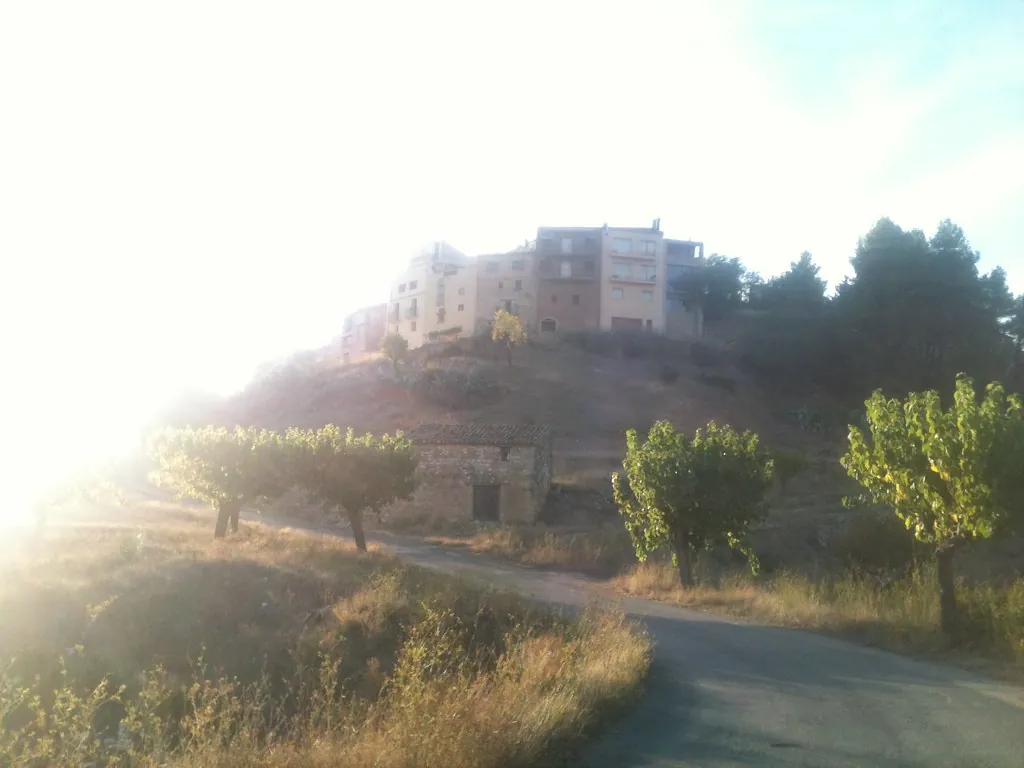
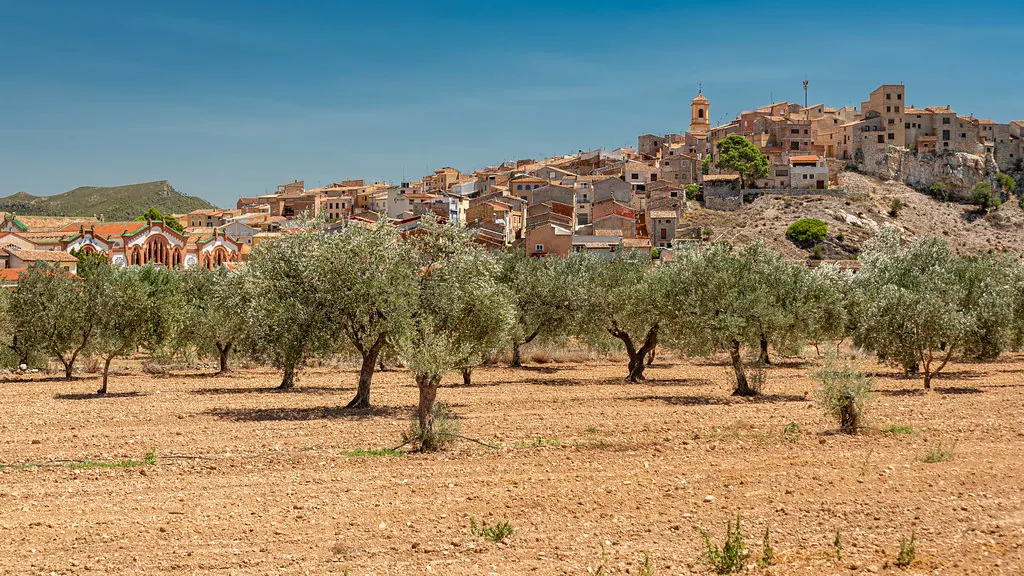
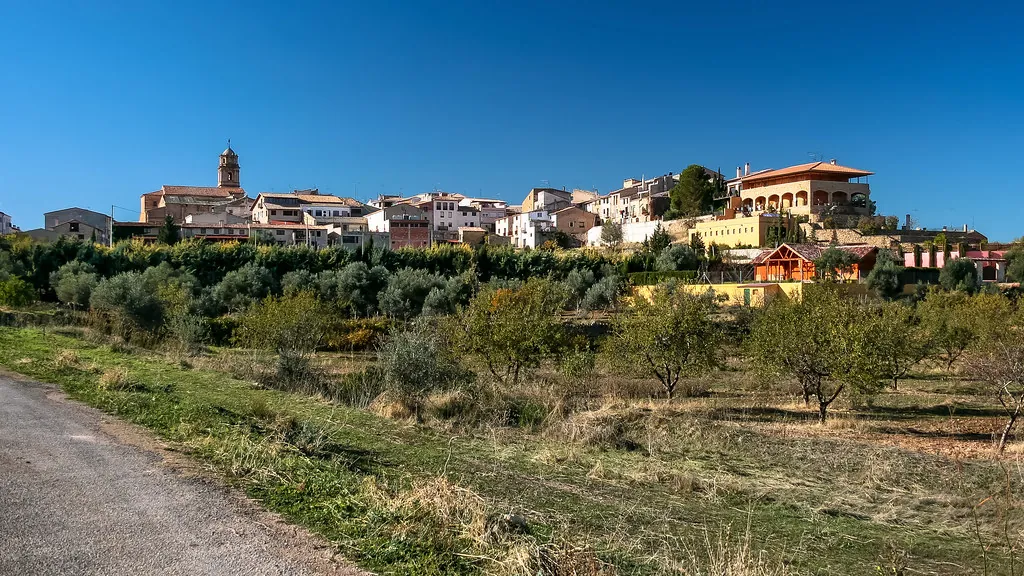
Caseres is a small municipality in the Terra Alta, a comarca in Catalonia, with just over two hundred inhabitants. The surrounding landscape does not shift abruptly. Instead there are gentle hills, plots of vines, olive groves divided by low dry-stone walls. From the edge of the built-up area, agricultural tracks can already be seen linking the village with nearby settlements. These are calm routes, used mainly by farmers and by those who head out early for a walk.
A small historic centre without embellishment
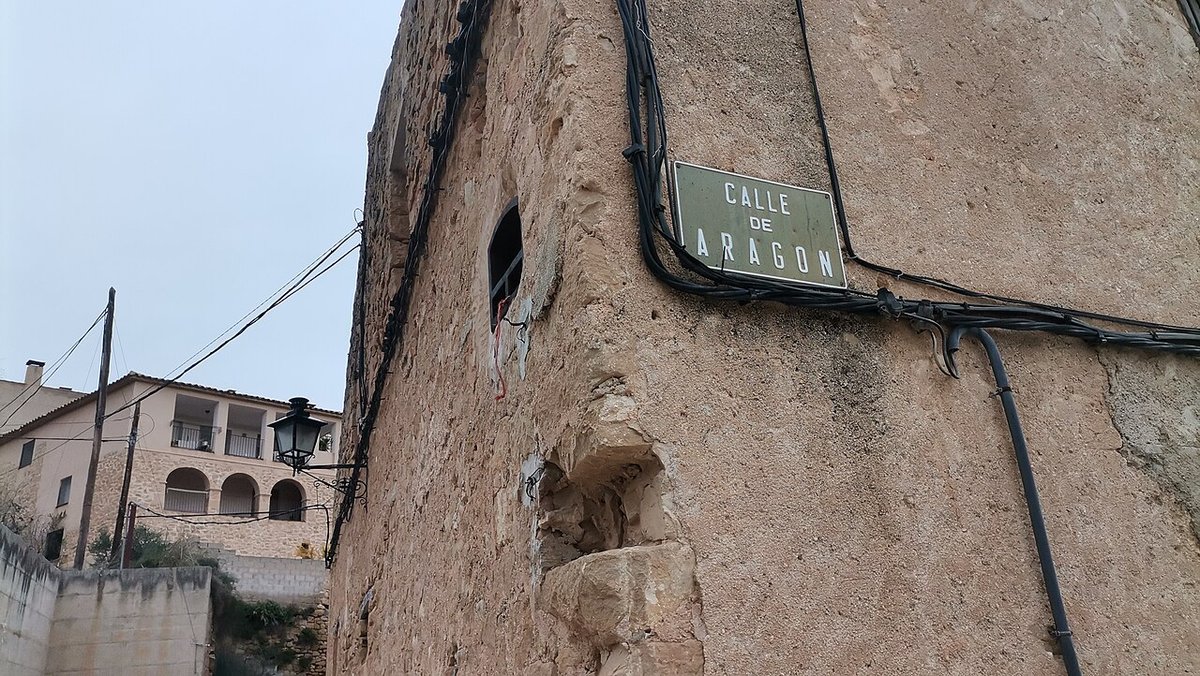
The village can be covered in a short time. Streets are narrow, some with a slight incline, and many houses retain stone façades or render aged by sun and wind. There are no grand monuments or expansive squares. The interest lies in the continuity of the whole, in the way the settlement has changed very little over time.
By mid-afternoon the light enters at a low angle and draws out the textures of stone and the ironwork of window grilles. It is a good moment to wander without a fixed plan, once the heat of the day begins to ease and the village regains a little movement.
It is worth bearing in mind that there are few services and shops here. Caseres is calm, defined more by an unhurried pace than by constant activity. Visitors should not expect a packed programme or a long list of attractions. The appeal is subtler and tied to atmosphere rather than spectacle.
Rural tracks through vines and olives
On the outskirts, rural paths cut across the farmland of the Terra Alta. These are straightforward routes with gentle gradients, often used by locals on foot or by bicycle. In spring the vines turn a vivid green and wildflowers appear along the edges of the tracks. In autumn the leaves shift in colour and the landscape becomes drier, more ochre in tone.
During the grape harvest, trailers loaded with grapes are a common sight on these tracks. Anyone visiting in those weeks should move slowly along the paths and always give way to agricultural machinery.
Along certain stretches there are remains of rural structures: old threshing floors, small wells, simple stone huts that once provided shelter in the fields. They appear almost unexpectedly among the crops, reminders of daily agricultural life over generations.
Wine culture in the Terra Alta
Caseres belongs to a comarca closely linked to wine production. Although there are no large facilities in the village itself, nearby municipalities have cooperatives and wineries operating under the Terra Alta denomination of origin, a protected label that regulates and promotes local wines.
The garnacha grape has a strong presence here. It is common for visits to the area to include a stop in one of these neighbouring towns to taste the wines or to see how the agricultural cooperatives function. During harvest time the sense of activity across the comarca becomes especially noticeable.
Wine is part of the wider rhythm of the landscape. The cycles of pruning, growth and harvest shape the look of the fields through the year. Even for those who do not plan formal tastings, the connection between village and vineyard is clear simply by walking beyond the last houses.
Traces of the Spanish Civil War
In various parts of the Terra Alta there are still remains linked to the Spanish Civil War. In the surroundings of Caseres, small defensive structures and traces of former positions can be found among fields and low hills.
They are not always signposted. Even so, they form part of a landscape that was the scene of significant fighting in the area of the River Ebro. For anyone interested in this period of history, towns such as Gandesa or Miravet are relatively close and help provide a broader understanding of what took place here.
These remnants sit quietly within agricultural land, blending into the terrain unless one looks carefully. They add a layer of context to what might otherwise seem a purely rural setting.
When to visit Caseres
Spring and autumn are generally the most pleasant seasons for exploring the area. The countryside is active and temperatures make walking manageable without excessive heat.
In summer, the heat in the Terra Alta can become intense from midday onwards. Visitors during those months are better off heading out early in the morning or waiting until late afternoon, when the air begins to move again between the vines and the village regains some shade.
Caseres is not a destination of major attractions or a full diary of events. It is one of those places where the most interesting moments unfold slowly: the sound of the countryside at daybreak, light shifting across the vineyards, the sense that life here still follows the rhythm of the land.