Full Article
about Corbera d'Ebre
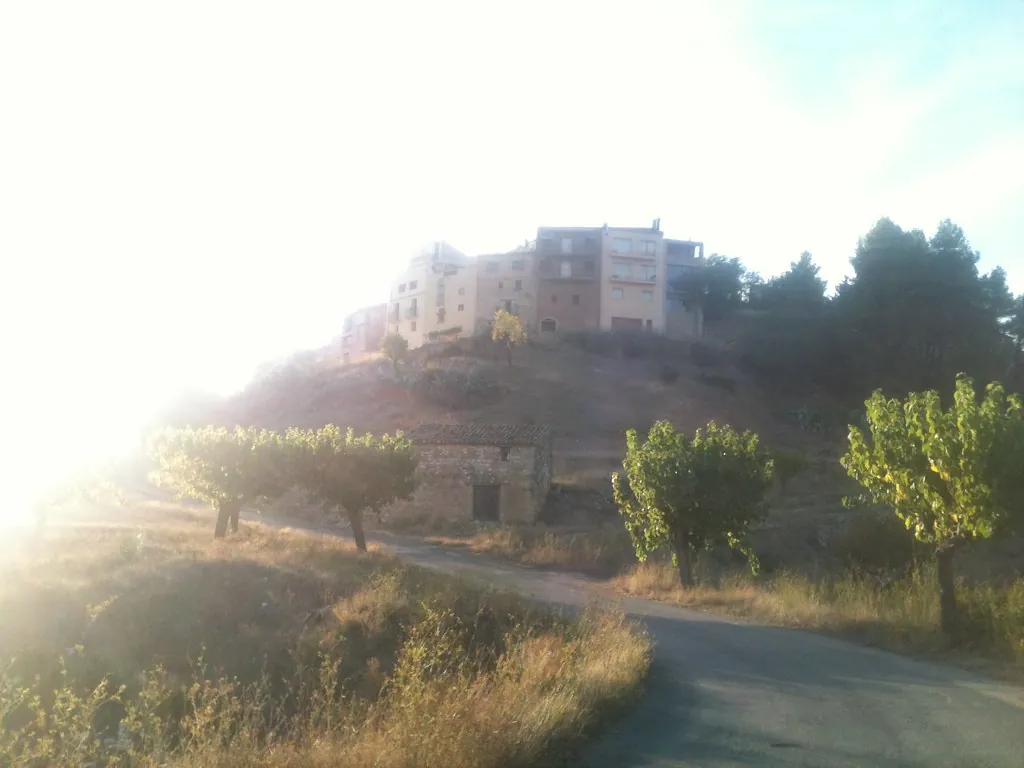
Symbolic site of the Battle of the Ebro, with the ruined Poble Vell preserved as a monument to peace.
Ocultar artículo Leer artículo completo
A Village That Haunts You Long After You Leave
After twenty-five years in Spain, I thought I'd seen it all. Then a Spanish friend insisted I visit Corbera d'Ebre, a tiny village in Catalonia's Terra Alta region that most tourists never hear of. "It's important," she said quietly. "You need to understand our history." She was absolutely right. This isn't your typical Spanish village break – it's something far more profound.
Corbera d'Ebre sits at 1,105 feet above sea level, home to just over 1,000 souls who live with one of Europe's most haunting reminders of war. The village was completely destroyed during the brutal Battle of the Ebro in 1938, and rather than bulldoze the ruins, they've left them as a memorial. Walking through the Poble Vell (Old Village) is like stepping into a time capsule – but one filled with bullet holes and collapsed walls rather than ancient treasures.
Living with Ghosts: The Village Character
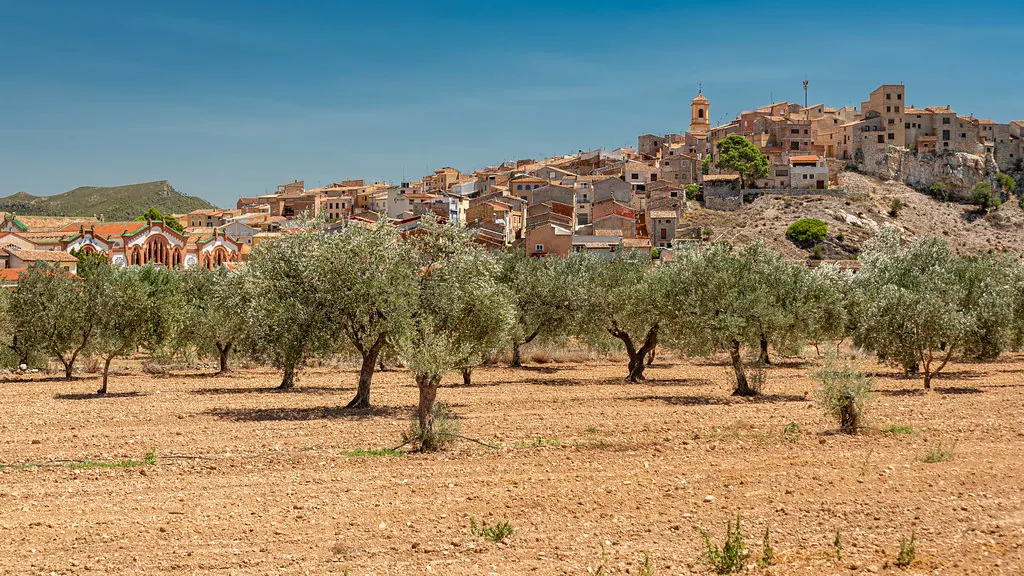
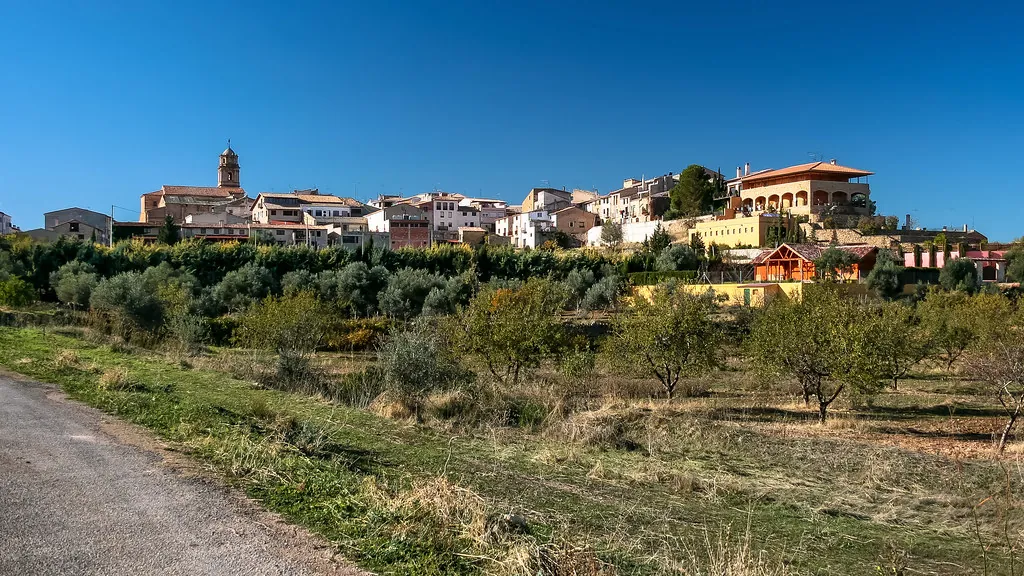
Modern Corbera d'Ebre has rebuilt itself around its tragic past with remarkable dignity. The new village hums with quiet daily life – elderly men playing cards outside the bar, women chatting after morning mass, children heading to the local school. But everyone here lives with the weight of memory.
The locals are extraordinarily welcoming to visitors, especially when they realise you've come to understand rather than simply gawk. Many are descendants of families who returned after the war to rebuild from nothing. Their resilience is humbling, and they're generous with their stories if you show genuine respect for what happened here.
The village operates on Spanish time, naturally. Shops close for siesta between 1:30 and 4:30pm – absolutely sacred here, especially in summer when temperatures can be punishing. Evening life begins around 7pm when the heat finally breaks, and you'll find the whole village comes alive as the sun sets over the surrounding vineyards.
What You Must See: History Written in Stone
The Poble Vell is the reason most people come, and it's utterly devastating. These aren't romantically crumbling medieval ruins – these are the remains of ordinary homes, a school, a church, destroyed by artillery fire in living memory. The interpretation centre (called "115 Days" after the length of the battle) provides essential context, but nothing prepares you for walking through streets where you can still see shrapnel marks on walls.
Don't rush this visit. Allow at least two hours to properly absorb what you're seeing. The silence is profound – no audio guides chattering, no souvenir shops. Just you, the ruins, and the weight of history.
The modern village's Church of San Pedro is worth visiting too, rebuilt with touching determination by survivors who refused to let their community die. The juxtaposition between old and new is deeply moving.
Practical warning: The ruins have virtually no shade and can be brutally hot in summer. Bring water, wear a hat, and honestly, avoid July and August altogether unless you're used to extreme heat. Spring and autumn are far more comfortable for exploring.
Eating and Drinking: Comfort Food and Exceptional Wine
Don't expect fancy restaurants – Corbera d'Ebre does honest, hearty food that speaks to the soul. The local bar-restaurant serves proper comfort meals: slow-cooked stews, grilled lamb, and simple salads with tomatoes that actually taste of something.
But here's the revelation: this tiny village sits in the heart of the Terra Alta wine region, producing some of Catalonia's most underrated wines. The local cooperative has wines with DO (Denominación de Origen) status that would cost three times as much if they came from a famous region. Pop into the Cooperativa Agrícola – they'll happily let you taste wines with views over the very vineyards that produced them.
The reds are particularly good – full-bodied and honest, much like the people who make them. Buy a few bottles to take home; you're supporting a community that's rebuilt itself from ashes, and the wine is genuinely excellent.
Evening meals don't start until 9pm at the earliest – this is rural Catalonia, not Benidorm. Embrace it. Have a long lunch, rest during siesta, then enjoy a proper Spanish evening that might stretch until midnight.
Getting There and Practical Essentials
Right, let's be honest about logistics. You absolutely need a car. Public transport to Terra Alta is virtually non-existent, and even if you managed to reach nearby Gandesa by bus, you'd still be stuck. The roads are decent – not mountainous switchbacks, just rolling countryside – but a small car is sensible for parking in the village centre.
It's about a 90-minute drive from Tarragona, two hours from Barcelona if traffic behaves. The route takes you through gorgeous vineyard country that gets prettier the further you go. From Valencia, it's roughly two and a half hours north.
When to visit: April-May and September-October are perfect – warm but not scorching, with longer days for exploring. Winter can be surprisingly cold and some facilities may have reduced hours. Summer is possible but brutal – if you must visit then, start very early morning.
Accommodation: The village has a small rural hotel and a couple of casa rural options. Honestly, consider staying in nearby Gandesa (15 minutes away) where you'll have more choice, or make it a day trip from larger towns like Tortosa. Many Brits use this as a base for exploring the wider Terra Alta region – you could easily spend a week discovering forgotten villages and exceptional wineries.
Travel insurance note: While Spain's healthcare is excellent, rural areas like this are some distance from major hospitals. Make sure you're covered, especially if you're doing much walking in potentially challenging terrain.
This isn't a place for a quick Instagram snap. Corbera d'Ebre demands time, respect, and emotional engagement. You'll leave changed – I guarantee it. Sometimes the most important journeys aren't about relaxation or entertainment, but about understanding the profound resilience of human spirit. This remarkable little village offers that in abundance.