Full Article
about El Pinell de Brai
Home to Catalonia’s most spectacular Wine Cathedral and the site of the Battle of the Ebro.
Hide article Read full article
A Small Village Shaped by the Land
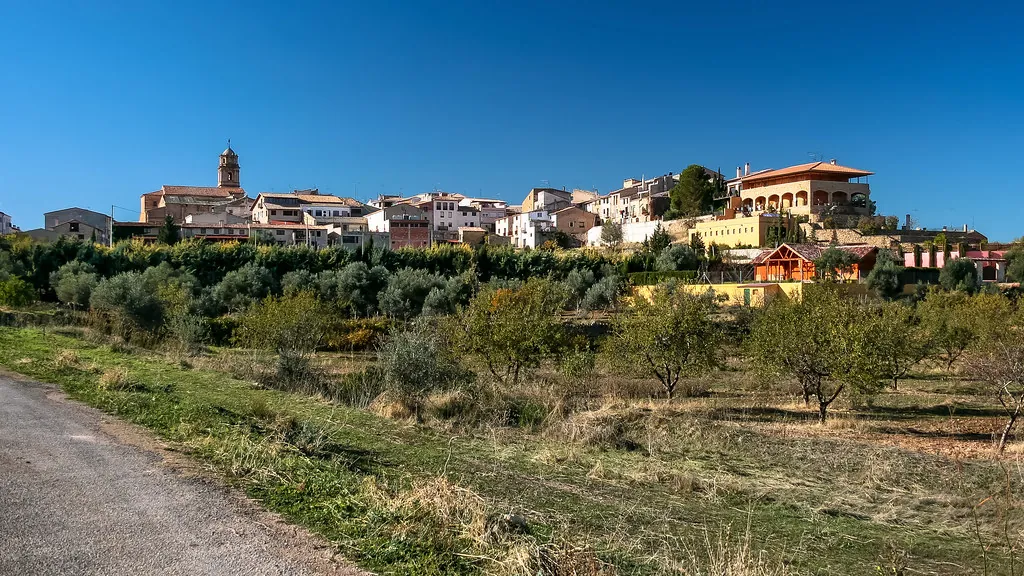
Some places explain themselves almost immediately. You park, walk for five minutes and the rhythm of the village becomes clear. Tourism in El Pinell de Brai works much like that. There is no grand speech waiting for you, no long list of sights to tick off. Instead, there are vineyards, olive groves and a compact settlement that revolves around them.
El Pinell de Brai sits in the comarca of Terra Alta, in Catalonia, and has around a thousand inhabitants. Here, agriculture still sets the pace. You notice it in the landscape and in everyday conversation. Ask about the weather and people are less concerned about a rainy weekend than whether the vines need it. The countryside is not a backdrop. It is the centre of things.
This is a place that makes sense when you accept its scale. Nothing feels oversized or designed to impress from afar. The interest lies in how the village and the fields fit together.
Between Vineyards and Olive Groves
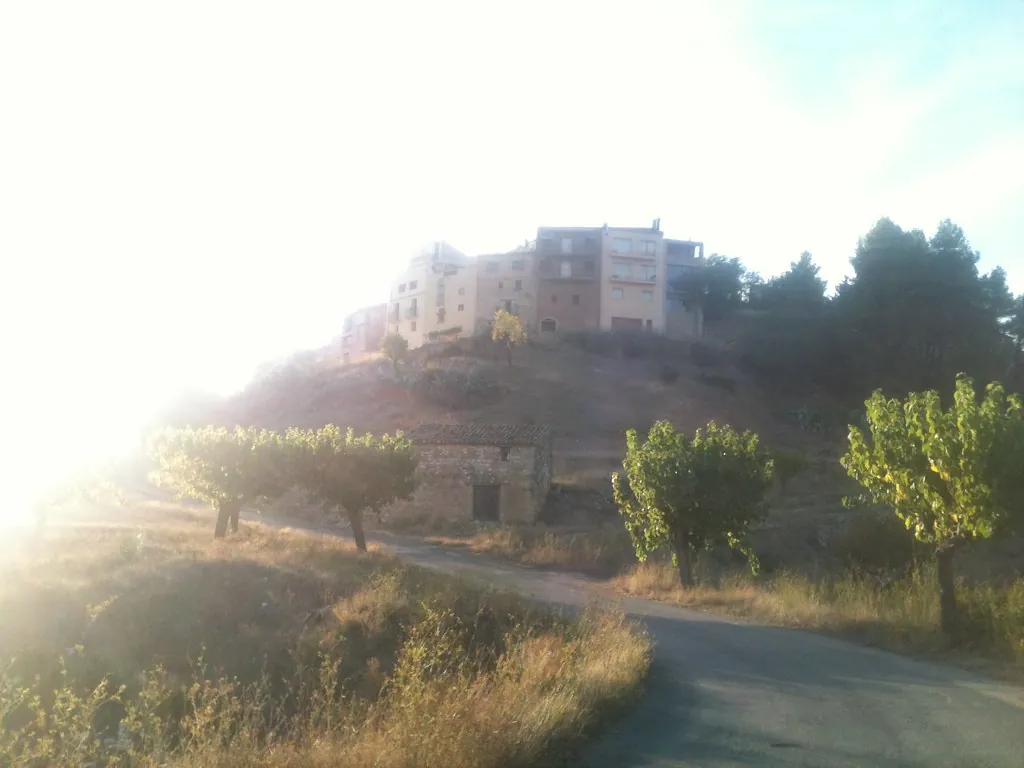
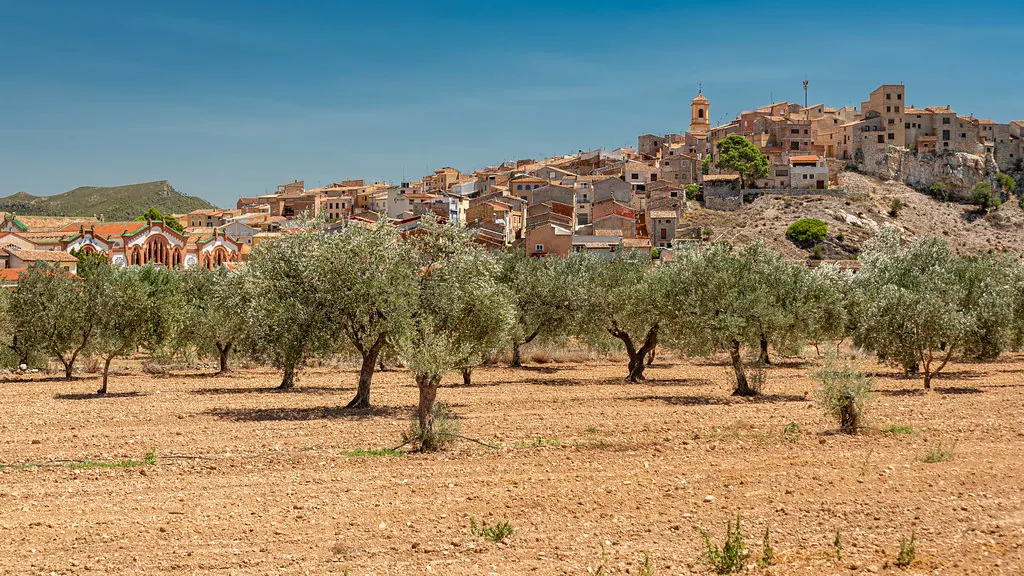
All around El Pinell de Brai stretches a clear agricultural mosaic. Vineyards occupy many of the plots, olive trees appear across the landscape, and an occasional masía stands alone in the middle of the fields as if it has always been there. These traditional rural houses are part of the working scenery rather than decorative relics.
Walking along the rural tracks quickly reveals the proportions of the area. There is nothing monumental about it. You find gentle hills, dirt paths and long stretches of quiet. Now and then, the distant sound of a tractor breaks the silence. Otherwise, it is a landscape that keeps its voice low.
Inside the village, the streets are short and sometimes steep. Stone houses line the way, with iron balconies and façades that look built to last for decades without much alteration. The historic centre is not large. A relaxed circuit takes in most of it without effort. It feels lived in rather than staged.
The overall impression is straightforward. El Pinell de Brai does not attempt to be something it is not. It remains a small agricultural settlement where daily life continues at its own speed.
The Modernist Wine Cooperative
The most recognisable building in El Pinell de Brai is its former wine cooperative. Built in the early 20th century, it is often described as one of the “cathedrals of wine” in this part of Catalonia. The nickname refers to a series of striking cooperative buildings from that period, created when local farmers joined forces to produce and sell wine collectively.
From the outside, the structure immediately stands out. Wide arches, exposed brick and decorative ceramic elements give it a distinct presence. It belongs to a style of agricultural architecture that aimed to be practical while retaining a certain aesthetic ambition. Function mattered, but so did appearance.
Inside, the building remains connected to the world of wine. It is not a mere backdrop for photographs. Its spaces still reflect its original purpose and the organisation of cooperative labour at the time. For anyone interested in how rural communities structured themselves in the early 1900s, the cooperative tells a clear story. Farmers from the village pooled resources, shared production facilities and marketed their wine together. The building is a physical reminder of that collective effort.
Even if wine is not your main interest, the cooperative anchors the identity of El Pinell de Brai. It offers a focal point in a village otherwise defined by modest streets and open countryside.
Around Sant Miquel and the Village Streets
The centre of El Pinell de Brai revolves around the church of Sant Miquel. The current building was constructed after the Spanish Civil War. It is not an extravagant temple, yet it serves as the usual meeting point in village life.
Nearby, the square tends to gather most of the daily movement. People greet one another, cars pass slowly, and conversations stretch on longer than planned. It is an ordinary scene, which is precisely the point. Life unfolds here without spectacle.
If you continue wandering through the streets, small, improvised viewpoints appear between houses. They are not official miradors with panels or railings. They are simply gaps between buildings where the surrounding vineyards come into view without warning. The effect can be surprisingly open. One moment you are in a narrow street, the next you are looking out across rows of vines that define the wider comarca.
The historic core does not demand hours of exploration. Its appeal lies in brief pauses, in noticing details such as the texture of stone walls or the way balconies overlook the street.
Rural Tracks and the Terra Alta Landscape
Beyond the village, numerous rural paths can be explored on foot or by bicycle. They are not technical routes. These are agricultural tracks linking plots of land and masías. The terrain is manageable, and the emphasis is on the environment rather than on sporting challenge.
The landscape shifts with the seasons. In spring, green tones become more prominent across the fields. Autumn brings changes linked to the grape harvest, with vine leaves altering the look of the hills. Summer can be intensely hot, so early starts are advisable if you plan to spend time outdoors.
What stands out is less a specific route than the feeling of being in a territory that continues to work the land in a very real way. The fields are not decorative. They are productive, and that shapes the atmosphere of the entire area.
Wine, Food and Village Festivities
Terra Alta is closely tied to wine, and El Pinell de Brai is part of that story. Garnacha blanca is one of the most common grape varieties in the region. Those interested in wine can find producers in the surrounding area where it is possible to taste and understand how it is made locally. The focus remains on the agricultural process and the character of the land.
On the table, the cuisine reflects the interior of the province of Tarragona. Expect hearty dishes, roasted vegetables, cured meats and country-style rice. These are solid recipes that call for bread on the side, rooted in tradition rather than experimentation.
Towards the end of September, the village usually celebrates its festa major in honour of Sant Miquel. A festa major is the main annual festival in many Catalan towns, combining religious and community elements. During the summer, additional activities take place in the square or other village spaces. They are simple events, very much shaped by the scale of a small community.
Is It Worth Stopping in El Pinell de Brai?
With realistic expectations, the answer is yes. El Pinell de Brai is not packed with monuments, nor is it designed for a three-day city break. It works better as a calm stop within a wider visit to Terra Alta.
You can see the cooperative, stroll around the historic centre and take in the surrounding vineyards. In doing so, you gain a clearer idea of how this comarca lives and works. A couple of hours are enough to form a solid impression.
Sometimes that is exactly what is wanted. A small village that does not try to reinvent itself, set among vines and olive trees, carrying on much as it has for decades.