

Full Article
about Horta de Sant Joan
Medieval village that inspired Picasso, set in spectacular natural surroundings beside Els Ports.
Hide article Read full article
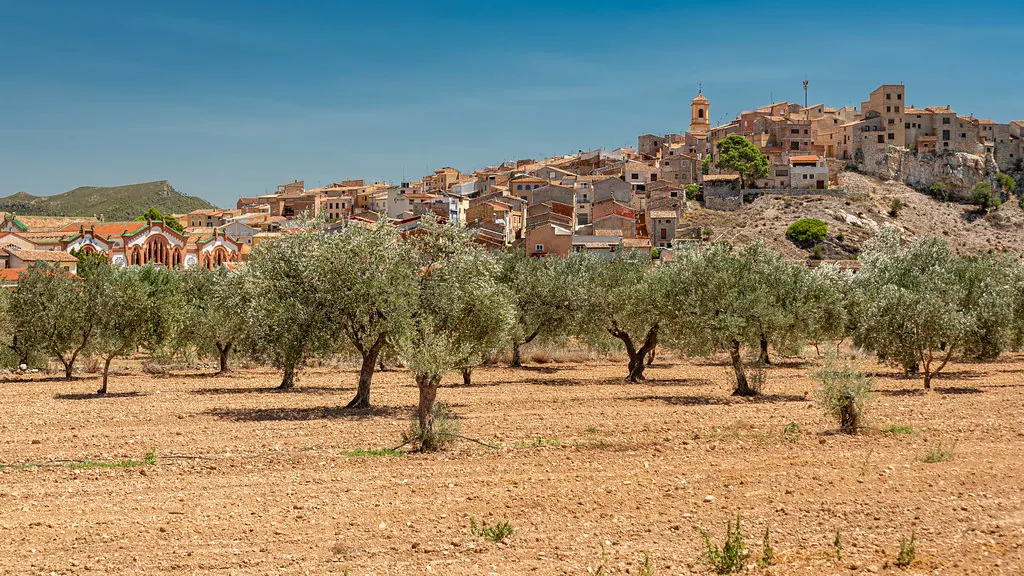
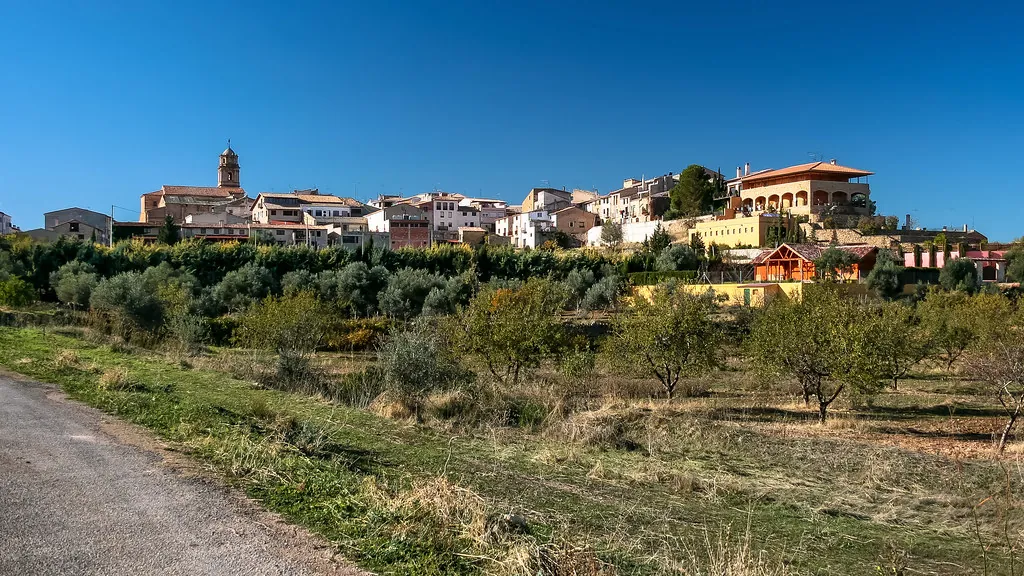
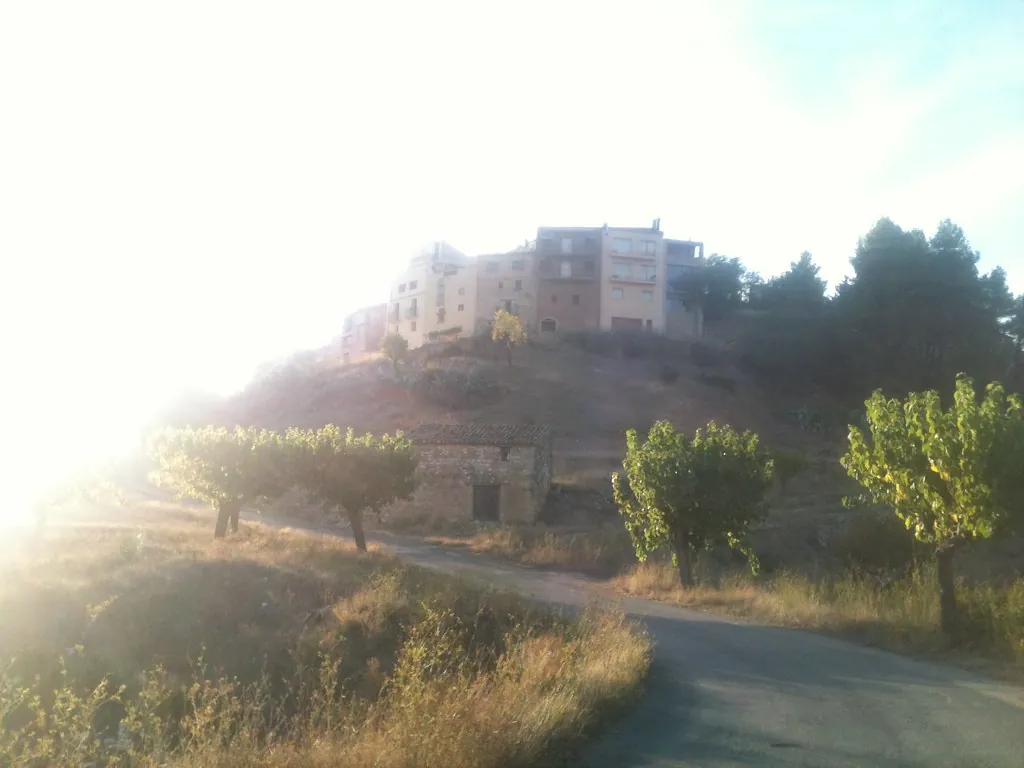
Early in the morning the stone still holds the cool of the night. In Horta de Sant Joan, the streets of the old quarter are almost empty, and the scrape of a shutter carries further than footsteps. The village stands on a gentle hill in the Terra Alta region, about 542 metres above sea level. Just over a thousand people live here, and the pace shows: slow, measured, with conversations unfolding in doorways.
All around stretches a dry, bright landscape. Olive trees with silver leaves catch the light, almond terraces step across the slopes, and beyond them rise the abrupt rock faces of Els Ports, a mountain massif in southern Catalonia. Life in Horta is closely tied to this setting. A short walk beyond the last houses brings the scent of sun‑warmed thyme and the sound of wind moving through holm oaks.
The Old Quarter and Its Arcaded Square
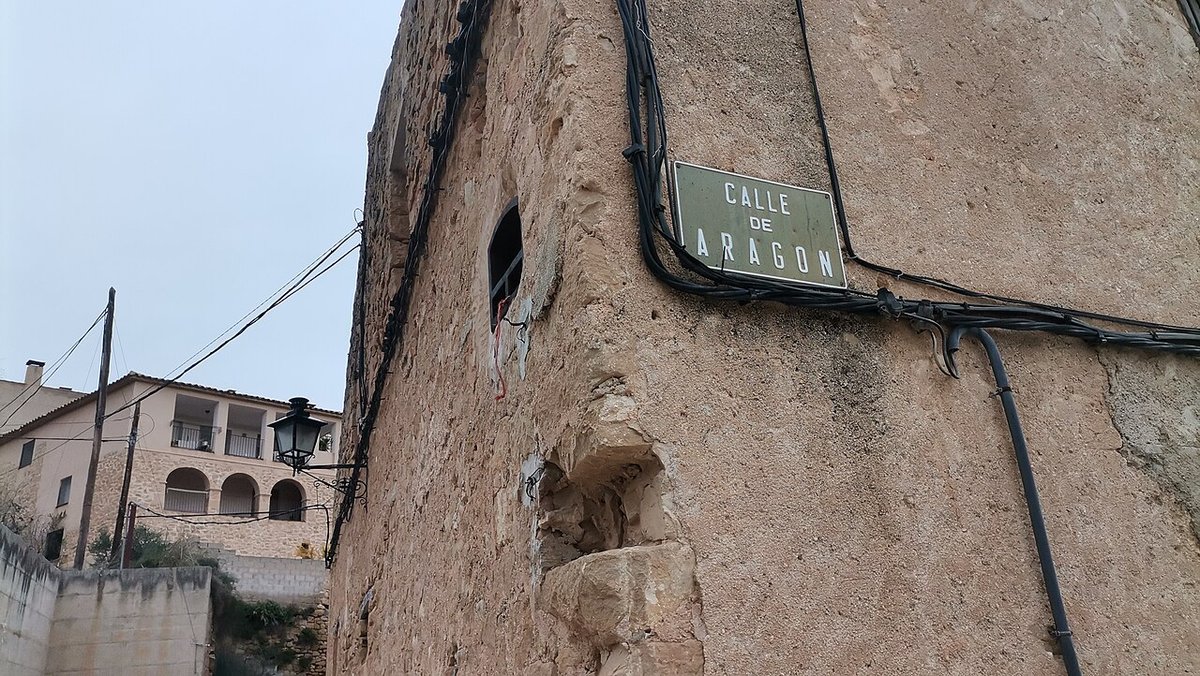
The streets climb and dip without much order. Narrow stairways cut between houses. Stone doorways are worn smooth from use. Balconies with iron railings creak when the wind blows. On some façades, patches of whitewash have fallen away to reveal older layers of plaster and stone beneath.
The main square appears suddenly between the lanes. On one side stands the Renaissance town hall, its ground floor formed by stone arcades. By mid‑afternoon the square is in shade and voices echo softly under the arches.
This part of the village is best explored without rushing, and, if possible, outside the height of summer. Heat lingers between the walls and can feel trapped in the narrow streets.
Picasso in Horta de Sant Joan
The name Horta de Sant Joan often appears alongside that of Picasso. The painter spent periods here in the late nineteenth and early twentieth centuries. The surrounding landscape and the forms of the village left a mark on him, something that can be recognised in certain works from those years.
The Centre Picasso helps place those stays in context. It is not a large museum. Inside are reproductions, photographs and documents that shed light on the time the artist spent in Horta. From the centre, marked routes lead through parts of the village connected to that period.
The Convent of Sant Salvador and the Valley Beyond
Slightly apart from the built‑up area, on higher ground, stands the convent of Sant Salvador. The building dates from the sixteenth century and can be seen from many points in the village.
The walk up is short but steep. At the top, an open esplanade looks out across the valley: olive groves stretching over the fields, dry ravines cutting through the terrain, and in the distance the uneven mountains of Els Ports. At sunset the light falls sideways across the rock faces and the stone takes on a reddish tone.
Els Estrets and the Canaletes River
A few kilometres from Horta lies one of the best‑known natural spots in the area: Els Estrets. Here the Canaletes river cuts its way between rock walls that gradually narrow until they form a tight passage.
The water is usually clear and cold. In summer many people come to the pools to cool off. During the high season, car access may be restricted beyond a certain point, so it is wise to check in advance and be prepared for a short walk.
The rocks, polished smooth by the current over time, can be slippery. Footwear with good grip makes a difference.
Walking in Els Ports
From Horta de Sant Joan, footpaths lead directly into the massif dels Ports. Some cross open pinewoods. Others follow old stone tracks between abandoned terraces.
Changes in height arrive without warning. Certain stretches climb steeply before easing onto small plateaus where the silence is almost complete. On clear days, long swathes of olive groves can be seen covering the Terra Alta.
In summer, starting early is advisable. After midday the sun bears down and shade is scarce.
Food in the Homes of Terra Alta
Local cooking revolves around what the land provides. Olive oil from the comarca has its own designation of origin and appears in most dishes. Almonds are common, as is dark honey and cured sausages.
In many households, long‑simmered stews are still prepared over a low heat, combining meat with vegetables. These are substantial dishes that suit the dry inland climate.
Horta de Sant Joan is best understood on foot and without haste. Early in the day or towards evening, when noise fades and the village settles back into quiet, the stone regains its tone and the air carries the smell of firewood or warm earth drifting in from the surrounding fields.