Full Article
about La Pobla de Massaluca
Quiet village by the Matarraña and Ebro rivers, perfect for fishing and kayaking.
Hide article Read full article
Understanding La Pobla de Massaluca
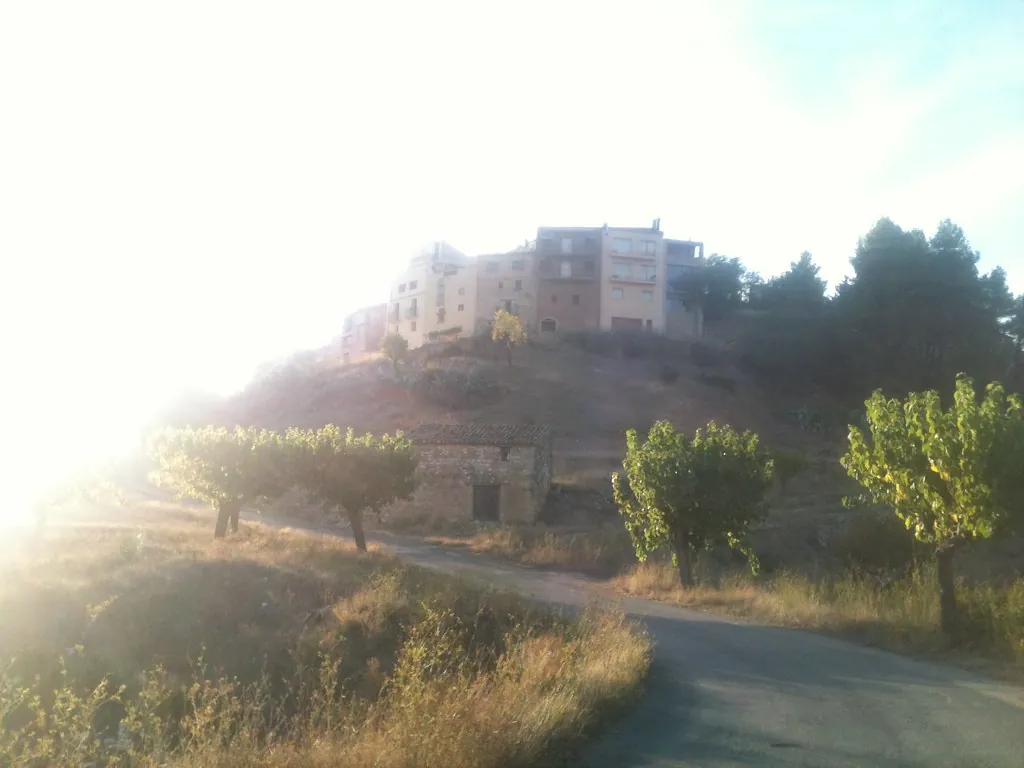
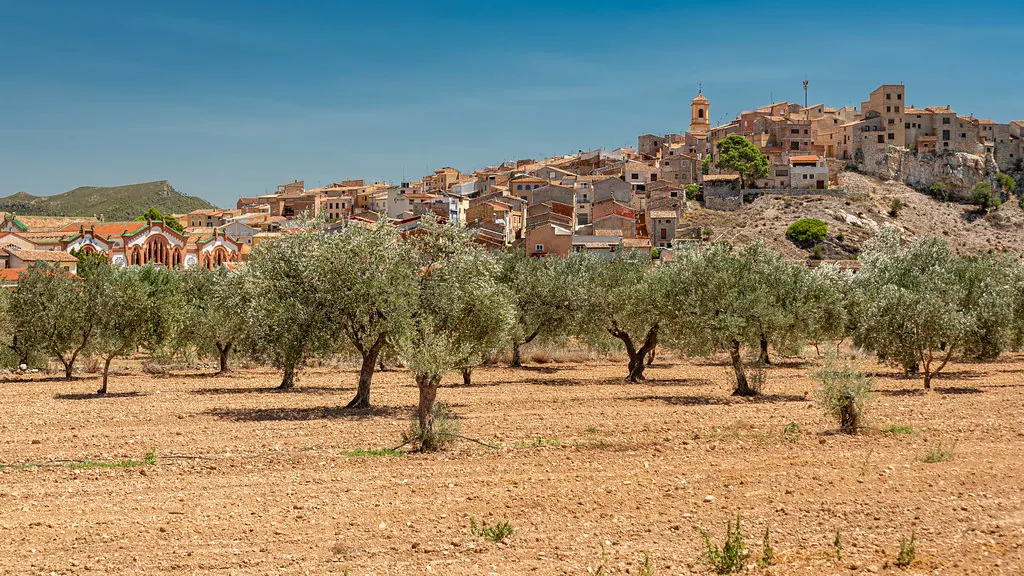
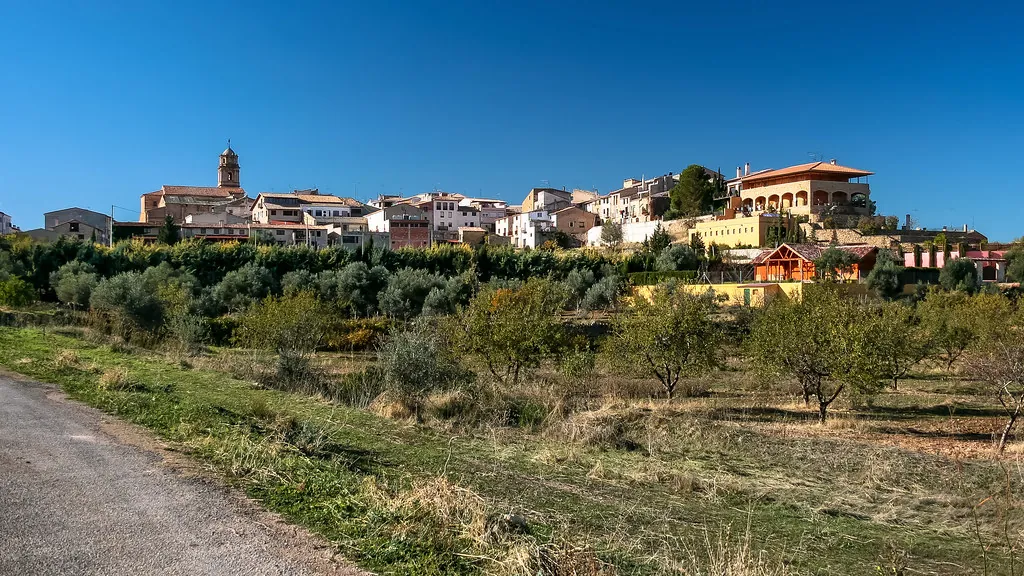
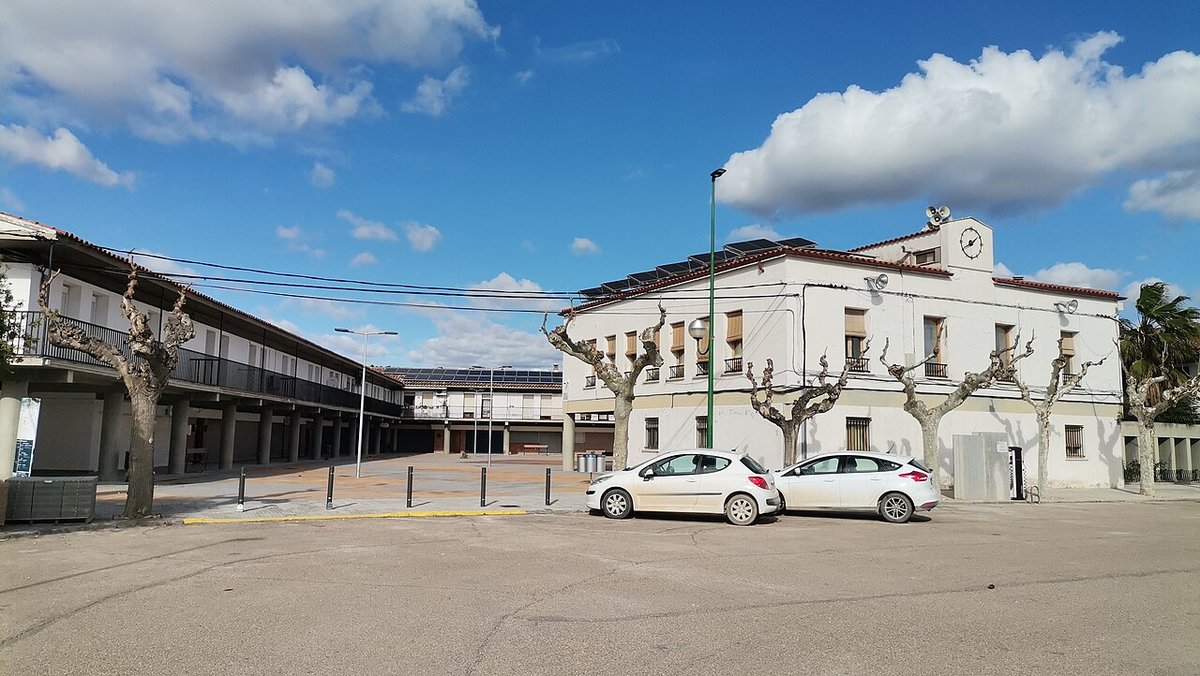
Tourism in La Pobla de Massaluca begins with a simple question: where exactly is it? This small municipality in the southern part of the Terra Alta, with just over 340 residents and set at around 350 metres above sea level, sits in a dry farming landscape where agriculture defines almost everything.
Olive groves, almond trees and cereal fields cover much of the surrounding land. The terrain feels open and exposed for much of the year. Then the river Algars appears nearby and the scene changes. Where there is water, vegetation thickens, the air feels fresher and the ground takes on a different character.
Daily life in the village still follows the rhythm of that landscape. Agriculture shaped the local economy for centuries and continues to influence how the territory is organised and how people live. Fields are not a backdrop here. They are the structure around which the municipality revolves.
A Village Born of Medieval Resettlement
The name itself offers a clue to the village’s origins. In much of Spain, the word “Pobla” indicates a settlement founded during the Christian resettlement processes of the Middle Ages. In this part of the Terra Alta, that phase consolidated from the 12th century onwards, after the territory was reorganised following the feudal conquest.
The urban centre preserves the characteristics typical of agricultural villages in the comarca, a Catalan term roughly equivalent to a county. Streets are narrow and sometimes sloping. Houses were built in stone using materials from the immediate surroundings. Several façades still display semicircular arched doorways or large entrances that once allowed animals and carts to pass through. On the ground floors, old cellars and former work spaces are still visible in some properties.
The layout is compact and practical. It reflects a community that grew around farming rather than trade or industry. Even today, the built fabric feels closely tied to the needs of the countryside that encircles it.
Fields, Seasons and the Scale of the Terra Alta
Beyond the last houses, the landscape opens out quickly. The patchwork of dry crops changes markedly with the seasons. Winter brings earthy tones that blend soil and stubble. In spring, almond blossom creates pale patches across the fields and briefly softens the austerity of the terrain.
Agricultural tracks lead out towards scattered masías, traditional rural farmhouses typical of this part of Catalonia, and to small rises in the land. From these slightly elevated points, it becomes easier to grasp the scale of the Terra Alta: a sequence of gentle hills, cultivated plots, and distant sierras closing the horizon.
Signage is not always clear. That is fairly common on routes that remain in active agricultural use. Tracks often serve working farms first and visitors second, so waymarking can be sparse. The experience is less about following a defined trail and more about understanding how parcels of olive trees, small ravines and isolated masías fit together into a functioning rural landscape.
The Algars River and a Natural Border
A short distance from the village runs the river Algars. In several stretches it forms the natural boundary between Catalonia and Aragón. Geography becomes visible here in a very direct way: one bank belongs to one autonomous community, the other to its neighbour.
The contrast with the dry interior is immediate. Reeds and riverside trees line parts of the river. Where water flows, the environment softens and the vegetation thickens, creating pockets of shade and cooler air that stand out in this inland setting.
Access is usually via dirt tracks. Conditions depend on the time of year and the state of the ground. After rainfall, some tracks can deteriorate, so it is sensible to check locally before approaching by car. The sense of remoteness is part of the character of the area, but it also means infrastructure is basic.
Walking and Cycling the Agricultural Network
Those who want to explore on foot or by bicycle will mostly find agricultural paths rather than purpose-built hiking routes. The terrain does not present major technical difficulties, yet it offers a clear view of how the territory is structured.
Plots of olive trees stretch alongside small gullies. Isolated masías remain part of ongoing agricultural activity rather than museum pieces. Movement through the landscape reveals its logic: fields grouped by crop, access tracks connecting them, and the village acting as the compact centre.
Carrying a map or a downloaded track is advisable. At many junctions, signposting is minimal and different paths can look very similar. Orientation relies as much on observation as on markers.
Olive Oil, Garnacha and Simple Cooking
Local cooking begins with what the surrounding land provides. Olive oil from the Terra Alta plays a central role and is often produced in agricultural cooperatives that continue to operate in many villages across the comarca.
Wine is another visible element of the landscape. The Terra Alta has become known for its garnachas, particularly the white variety, which adapts well to these dry, windy soils. Vineyards are part of the broader agricultural mosaic that defines the area.
On the table, dishes tend to be direct and unpretentious. Seasonal vegetables feature prominently, alongside grilled meats and rice cooked in a cazuela, a shallow pan. In small villages such as La Pobla de Massaluca, options for eating out can be limited outside weekends or festive periods. The scale of the place shapes what is available.
Part of a Wider Route Through the Terra Alta
La Pobla de Massaluca is often visited as part of a broader route through the Terra Alta. By car, it is straightforward to reach other villages in the comarca as well as different points along the Algars valley.
The interest of the municipality lies less in ticking off individual sights and more in observing how a small inland agricultural community functions. The compact historic centre, the surrounding fields and the direct relationship with the landscape that sustains it form a coherent whole.
Here, the appeal is subtle. It resides in the continuity between village and countryside, in the persistence of farming as a living activity, and in the way geography still determines daily rhythms. La Pobla de Massaluca offers a clear view of the Terra Alta’s rural structure, shaped by dry fields, seasonal change and the quiet presence of the Algars River marking the edge of Catalonia.