Full Article
about Prat de Comte
Gateway to the Els Ports Natural Park, known for its aguardiente and wild setting.
Hide article Read full article
Prat de Comte: El Pueblo que No Necesita Tu Selfie
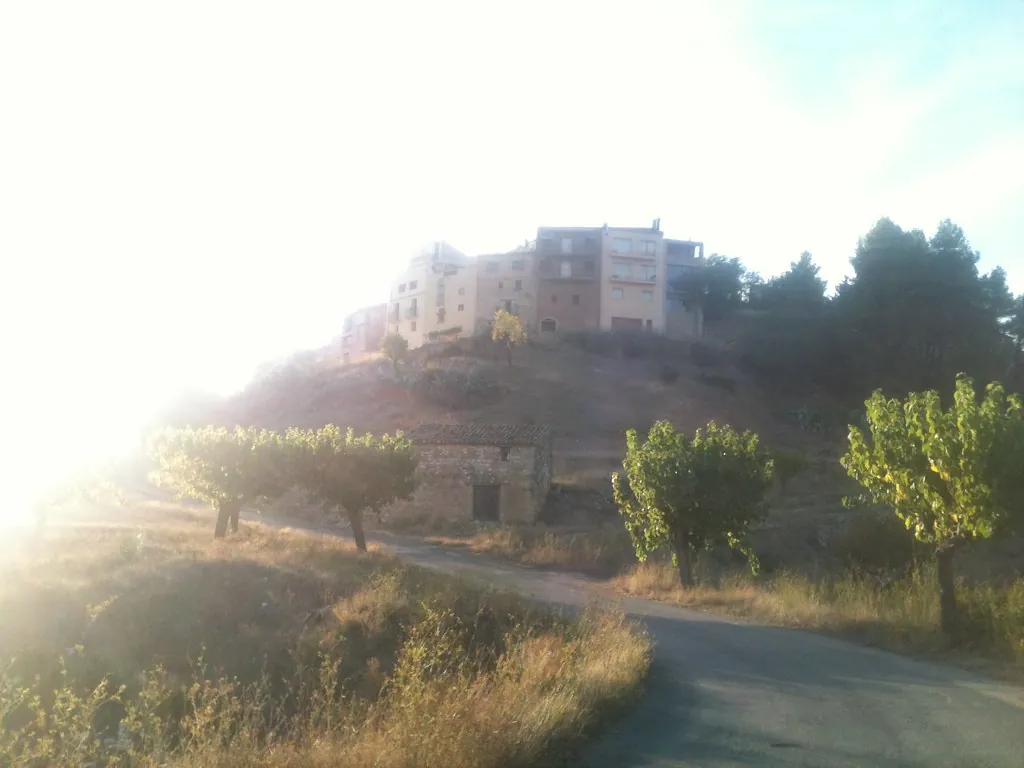
Prat de Comte es como ese amigo tranquilo que nunca sube nada a redes sociales. No tiene perfil, no busca likes, y cuando llegas, te das cuenta de que su vida es más interesante que su biografía. Llegas pensando en un pueblo pequeño y te encuentras con un manual de supervivencia rural en la Terra Alta.
Aquí viven unas 170 personas, una cifra que sube y baja como el precio de la aceituna. Las calles son las justas, las cuestas son cortas pero pronunciadas, y las casas de piedra tienen la decoración justa: una puerta maciza, un par de ventanas y poco más. No hay tiendas de souvenirs con imanes. El comercio principal sigue siendo el tractor aparcado junto al garaje.
Queda a algo más de una hora hacia el interior desde Tarragona. El cambio se nota en el aire: el olor a salitre se cambia por el olor a tierra seca y romero. La carretera serpentea entre bancales que parecen escalones gigantes para un agricultor titán. Cuando llegas, ya estás en otro mundo.
Cómo Es (De Verdad) Pasear por el Pueblo
Puedes cruzar Prat de Comte de punta a punta en quince minutos si vas directo. Pero si lo haces, te lo pierdes todo. La gracia está en mirar hacia arriba y hacia abajo.
Arriba, las fachadas sin pretensiones, con esas piedras que han visto pasar siglos de sol y heladas. Abajo, en algunos tramos aún quedan los adoquines originales bajo los pies; esos que traquetean si pasa un coche. Ves puertas laterales en algunas casas que ahora son ventanas, pero que antes eran para meter las cabras o las herramientas. La historia aquí no está en un museo, está en la estructura del día a día.
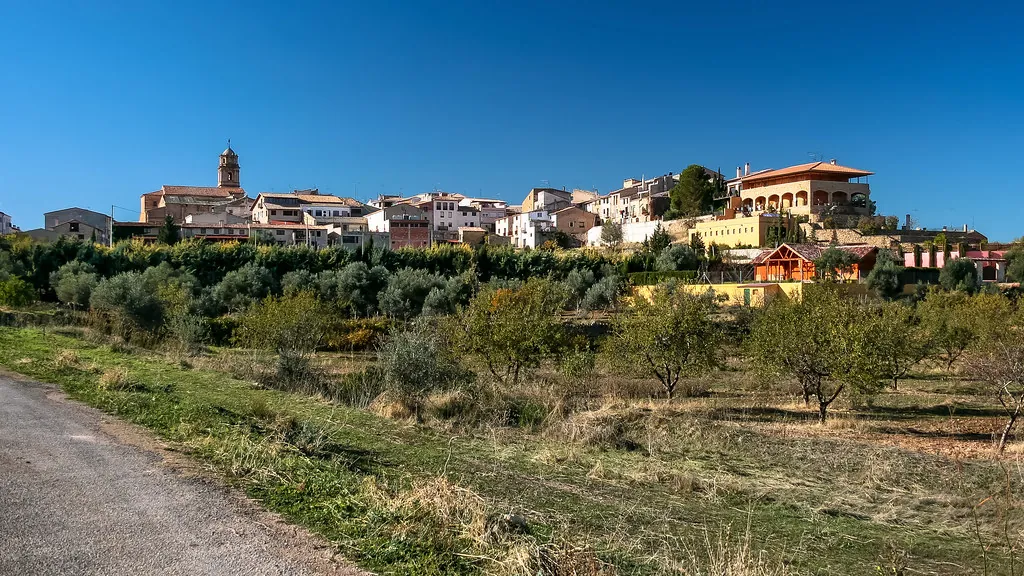
La iglesia de Sant Isidre preside desde lo alto. Sant Isidre Labrador, patrón de los labradores… no podía ser otro. El edificio es sobrio, como todo lo demás. No es para quedarte boquiabierto, pero encaja perfectamente. Es la casa del patrón del pueblo, literalmente.
Salir a Caminar: Donde Termina el Asfalto
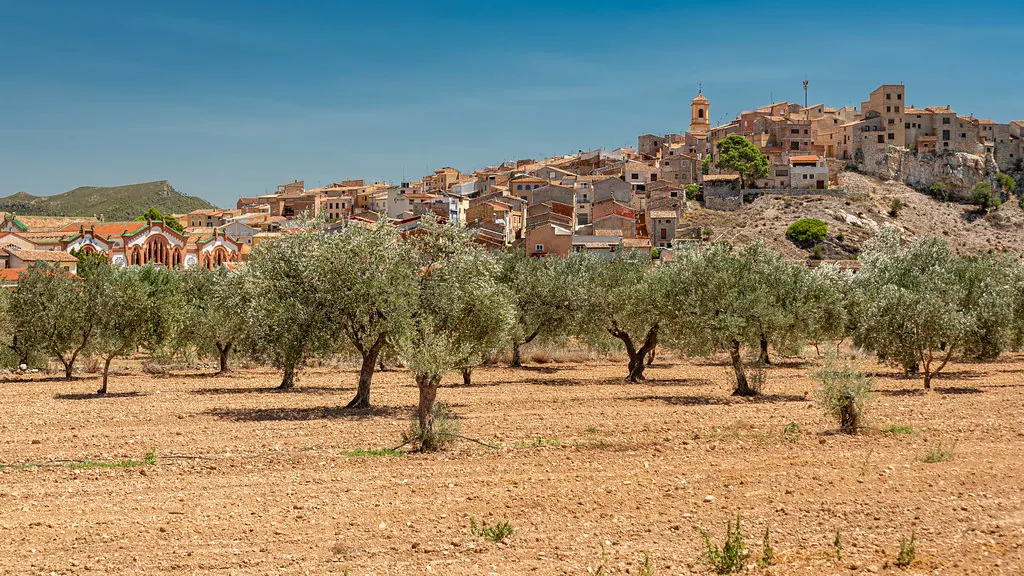
Lo bueno empieza donde acaba el último bordillo. En cinco minutos estás entre olivos viejos con troncos retorcidos como cables y viñas jóvenes que trepan por las laderas.
El paisaje de la Terra Alta puede parecer duro al principio. No esperes ver un verde intenso; aquí dominan los ocres, los grises de la roca caliza y el verde plateado del matorral mediterráneo. En días calurosos, al pisar un arbusto de tomillo o romero, el aroma te sube directamente. Es gratis.
Hay formaciones rocosas llamadas cingleres. No son acantilados del Finisterre, sino cortados más modestos que rompen la línea del horizonte y sirven como referencia cuando caminas por los senderos agrícolas.
Si coges un poco de altura –sin necesidad de gran esfuerzo– se abre una vista amplia de la comarca. Desde ahí se entiende el puzzle: parcelas de cultivo, caminos polvorientos y barrancos suaves que se pierden a lo lejos.
Por los Caminos Rurales (Sin Señalizar)
Olvídate del sendero GR con marcas cada 200 metros. Aquí caminas por pistas agrícolas hechas por y para tractores. Eso tiene su ventaja: cero aglomeraciones.
Caminar aquí es relajado porque no hay un itinerario fijo. Doblas una curva detrás de un olivar y aparece una antigua masía; subes una cuesta suave y se abre todo el valle. Es ese tipo de paseo donde tú marcas el ritmo.
Dependiendo de la época, es normal cruzarte con alguien podando una viña o arreglando un muro de piedra seca. En vendimia (septiembre-octubre), la actividad se nota más. Si te paras a mirar al cielo sobre los barrancos, es probable que veas algún ave rapaz planeando. Cernícalos o pequeñas águilas no son raras, sobre todo cuando empiezan a formarse corrientes térmicas a media mañana.
Vida Local: Fiestas y Rutina
Prat de Comte tiene sus días fuertes durante las fiestas patronales del verano. Es cuando vuelve la gente que se fue a vivir a otros lugares. Hay misa, comidas comunitarias y alguna actividad organizada por la asociación del pueblo. No es un macrofestival; es más bien una reunión familiar a nivel municipal. El resto del año, el ritmo lo marca el campo: la poda, el tratamiento, la recolección. Se vive por temporadas agrícolas, no por tendencias turísticas.
Vale la Pena Parar?
Si buscas un pueblo con diez bares, tres museos interactivos y una oficina de turismo abierta todo el día, este no es tu sitio. Prat de Comte es para quien va transitando por la Terra Alta y le apetece parar una hora o dos en un lugar real, sin maquillaje. Pasear sus calles, dar una vuelta hasta los primeros campos y sentarte en un banco a ver cómo pasa el tiempo –que aquí pasa más lento–. No te va a cambiar la vida, pero te da una versión honesta de cómo se vive lejos del ruido. Es piedra, olivos, viñas y silencio. Nada más, nada menos