Full Article
about Tordera
Large municipality with a big Sunday market and a riverside setting.
Hide article Read full article
A market that takes over the town
If you are planning a visit to Tordera, Sunday morning is the most practical place to start. Early on, there is already a queue to get into the market. It is large, with hundreds of stalls spread across a wide area. If you arrive by car, it makes sense to leave it in the industrial estate or in the designated parking areas around the outskirts. Trying to get closer usually means driving in circles.
Inside, the range is broad and slightly chaotic. There are cheap tools, nursery plants, second-hand clothes, and the occasional seller demonstrating knives that slice through tins. People come in from Blanes, from towns across Girona province, and from Barcelona too. For a few hours, Tordera stops feeling like a quiet place.
A town you might not expect
Tordera is the largest municipality in the Maresme region and also borders the comarca of La Selva. The area is extensive and quite spread out, with fields, housing developments, industrial zones and woodland. Prudenci Bertrana was born here, a writer known for his work on rural life in this part of Catalonia. The local roller hockey club also made its mark by winning a Copa del Rey in the 1990s, something still remembered.
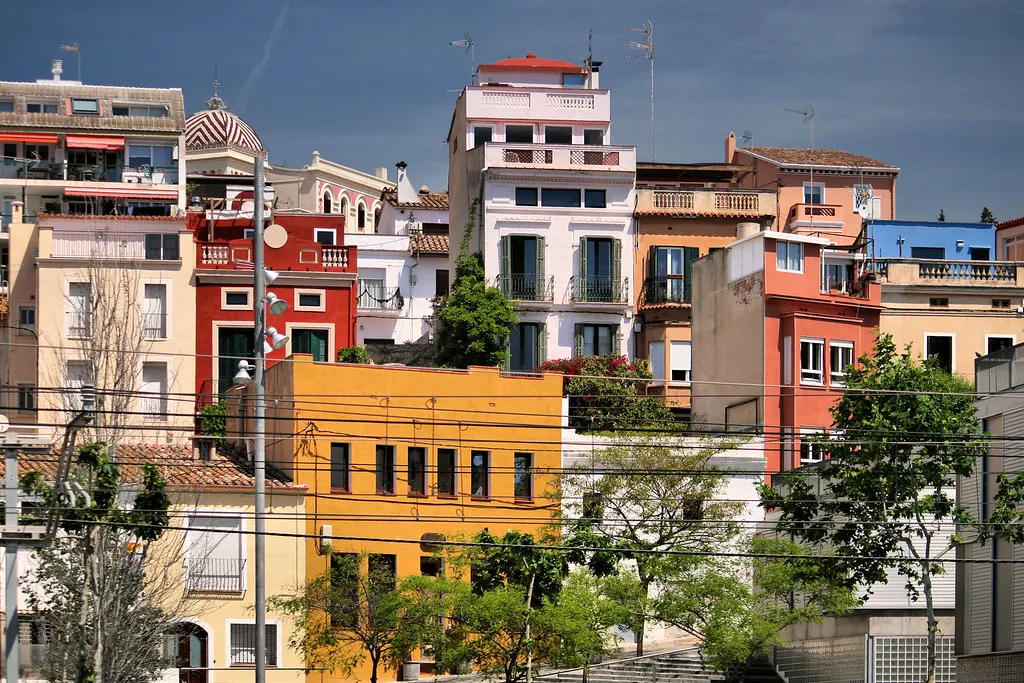
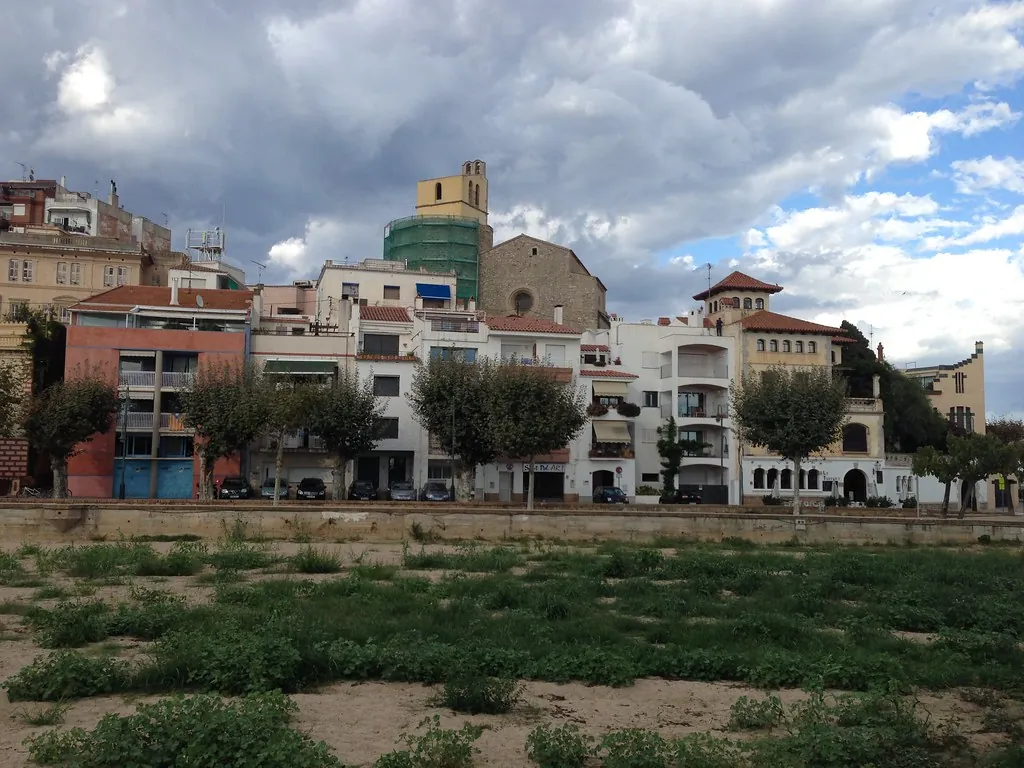
The town centre itself is straightforward. There is the church square, a relatively modern town hall, and a few terraces where locals gather. The church of Sant Esteve has an old Romanesque apse that is worth a look if you happen to pass, though it is not a grand monument.
The more interesting spots lie outside the centre. Several kilometres away, in the hills, stands the canonica of Roca Rossa. This medieval complex is now in ruins, although its bell tower is still standing. The access is via a track, and once you arrive, most people end up wondering the same thing: how the stones were ever brought up there.
What people actually eat
Many visitors come to Tordera to buy rather than sit down for a long meal. Still, if you do find a table, there are a couple of dishes that appear frequently: fesols del ganxet and butifarra negra. The ganxet beans are typical of this area and neighbouring La Selva. They are cooked slowly, sometimes with pork fat or cured meats.
You may also come across coca de llardons, a thin pastry topped with pieces of pork crackling. On market days, the bars around the square fill up by mid-morning. A classic choice is a butifarra sandwich with onion and bread rubbed with tomato, a simple staple in Catalonia.
For something sweet, festive cocas and panellets take centre stage when the season comes around. If you ask about sweets strongly associated with the city of Girona, such as the xuixo, the usual answer is that they are not typical here.
Walks once the road ends
The walking routes begin where the asphalt stops. The climb up to the convent of Roca Rossa can be done on foot along a forest track. It is several kilometres there and back, and in summer it is wise to bring water, as some stretches offer little shade.
Another well-known excursion in the area passes several dolmens, prehistoric stone structures. The most frequently mentioned is the Pedra Gentil, a large slab resting on other stones. Its origins are prehistoric, although the exact dating is not entirely clear.
If something gentler appeals, the path towards Sant Pere de Riu follows the course of the river for several kilometres, leading to a small Romanesque hermitage. In June, a procession usually takes place from the town. People walk up together and then share a simple communal meal: bread with tomato, butifarra and wine.
Practical notes from a local perspective
The most sensible plan is to come on a Sunday morning, walk around the market, and leave after lunch. Tordera does not really function as a destination for several days. It works better as a stop along the way or as a base for exploring the surrounding area.
Parking further out and walking in makes the experience easier. By mid-morning, the market becomes very busy.
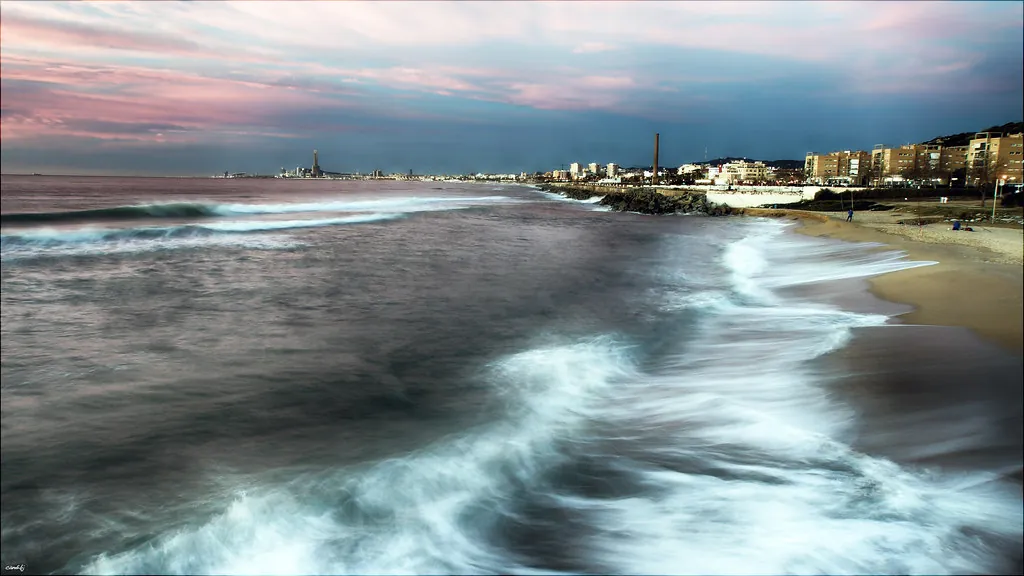
If there is time, a short drive takes you to the mouth of the Tordera river. There is a wide stretch of beach there, noticeably more untamed than others along the Maresme coast. When the wind picks up, sand is blown around and it is not the most comfortable place to lie down, though it works well for a walk.
If it rains, plans tend to change quickly. The tracks leading up to Roca Rossa become muddy, and the market turns into a crowd of umbrellas dodging puddles. When it rains here, it tends to do so heavily.