

Full Article
about Tortosa
Historic episcopal city with an imposing Arab castle
Hide article Read full article
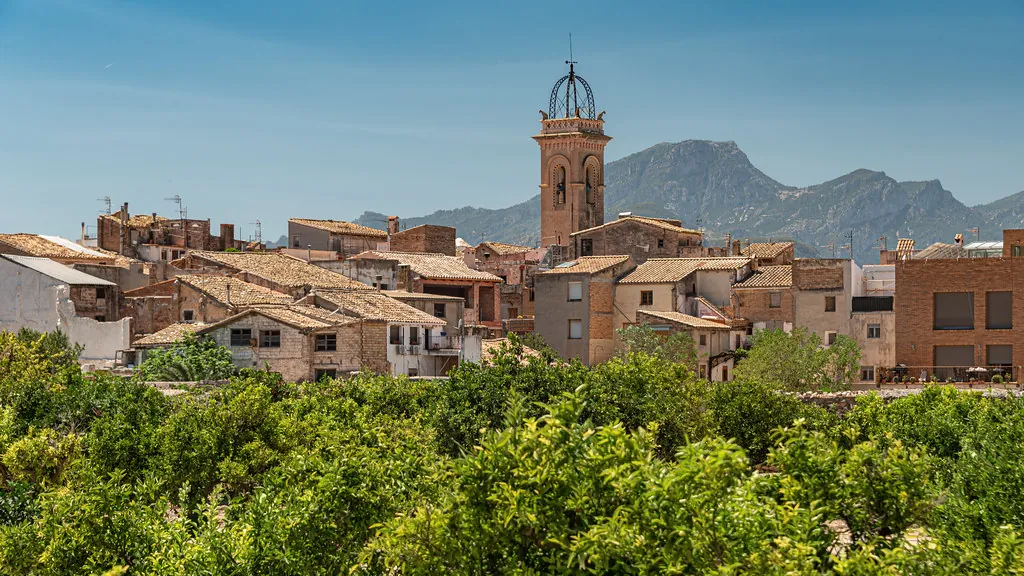
Tortosa is the kind of place that makes you double-check the map. You’re inland, following the Ebro south, and everything feels terrestrial. Then you get here and the river opens up like a harbour, salty air mixes with the smell of orange blossoms, and seagulls argue over rooftops. It’s a city that can’t decide if it’s looking toward the mountains or the sea, and that tension is what makes it interesting.
A fortress that became a hotel
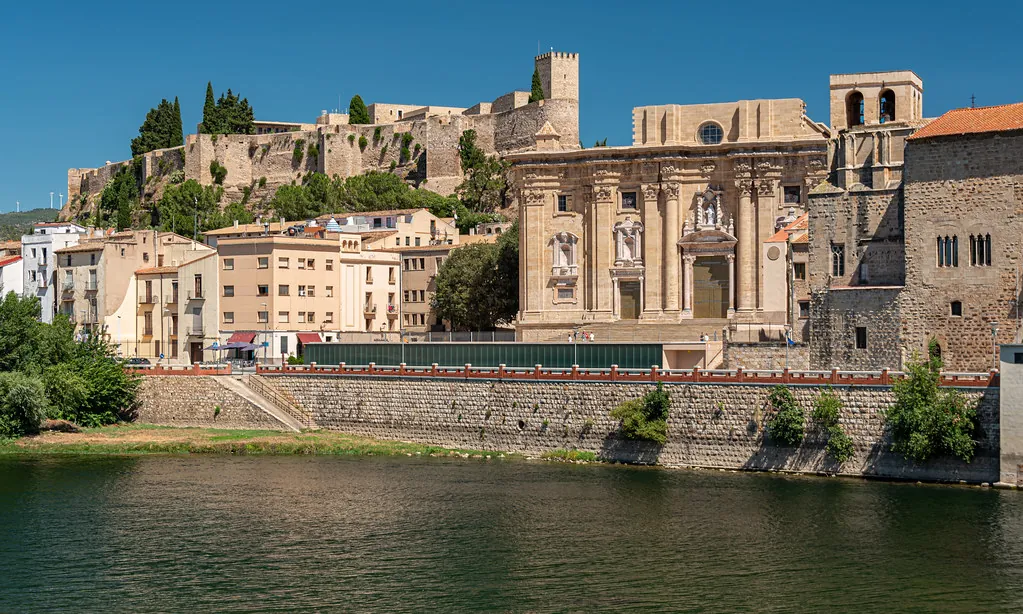
The Castell de la Suda sits up there with the weary look of a retired soldier. Everyone has passed through: Iberians, Romans, Moors, Crusaders. Now it’s a parador. You can stay in it, which is a strange feeling—sleeping in a castle where soldiers once kept watch over the same bend in the river. Down the slope from the walls, there’s an old Islamic necropolis cut into the rock. The tombs face the water. It’s a quiet spot most people walk right past.
A cathedral with an identity crisis
The Cathedral of Santa Maria looks like two different buildings had an argument and got stuck together. There’s a grand Baroque front door slapped onto a serious Gothic body. Inside feels older, cooler, like stepping into shadow after the Mediterranean glare. Seek out the cloister. They carved sundials into the walls here, back when telling time was a matter of watching light move across stone.
Just around the corner sit the Reales Colegios. It feels less like visiting a monument and more like wandering into a quiet Renaissance university quadrangle that got lost in time. It was built to school priests in a region still heavily influenced by its Moorish past. The architecture has that sober, scholarly vibe.
The month the city time-travels
Come in July and you might think you’ve walked onto a film set. The Fiesta del Renacimiento takes over the old town. Locals dress in 16th-century gear, markets pop up in plazas, and there are plays and processions. It sounds like a tourist trap, but it doesn’t feel like one—the butcher is dressed as a blacksmith, your waiter is wearing doublet and hose. They do it for themselves. A word of warning: this is southern Catalonia in high summer. The heat is no joke.
Where to eat? Follow the locals
The food here pulls from three directions: river fish, mountain produce, and Mediterranean staples. Suquet d’anguiles is the famous eel stew you should probably try once. Coca de recapte is their answer to pizza—a flatbread piled with roasted veggies and sometimes meat. My advice? Ignore any place with menus in five languages by the door. The streets behind the main drag are full of spots where people actually go for lunch. That’s where you want to be.
Walking its edges
You can trace a good part of the old city walls. It’s not a long walk, but it shows you how Tortosa was shaped: protected from land, open to the river. For more space, head out on one of the paths along the Ebro. They’re flat, shaded in parts, and used by cyclists and dog-walkers. If you have time, the countryside is dotted with old watchtowers. They’re lonely stone sentinels now, good for an excuse to get some air and see the city from a distance.
The detail most people miss
Near the river stands La Lonja, the old medieval exchange building. It’s used for exhibitions now, so it’s easy to walk through without thinking much. But stop for a second. Look at its scale. This was where deals were made for goods coming upriver from the sea and down from Aragón. Its plain, functional beauty hints at how important this trading post once was, long before tourism was ever part of its story