Full Article
about Agramunt
Known as the capital of turrón and stone-ground chocolate; it has a rich architectural and artistic heritage.
Ocultar artículo Leer artículo completo
The smell of burnt sugar drifts out of a workshop on Carrer Major at nine on a Tuesday morning. Inside, two men in white coats fold warm almond nougat with wooden paddles the size of cricket bats. This is turrón de Agramunt, the village’s calling card since the Arabs planted the first almond trees on these dry plains. The recipe hasn’t shifted much in eight centuries: honey, egg-white, a precise 16-minute stir. One of the men slides a tray towards the window so passers-by can watch the glossy slab cool. No ticket required, just curiosity.
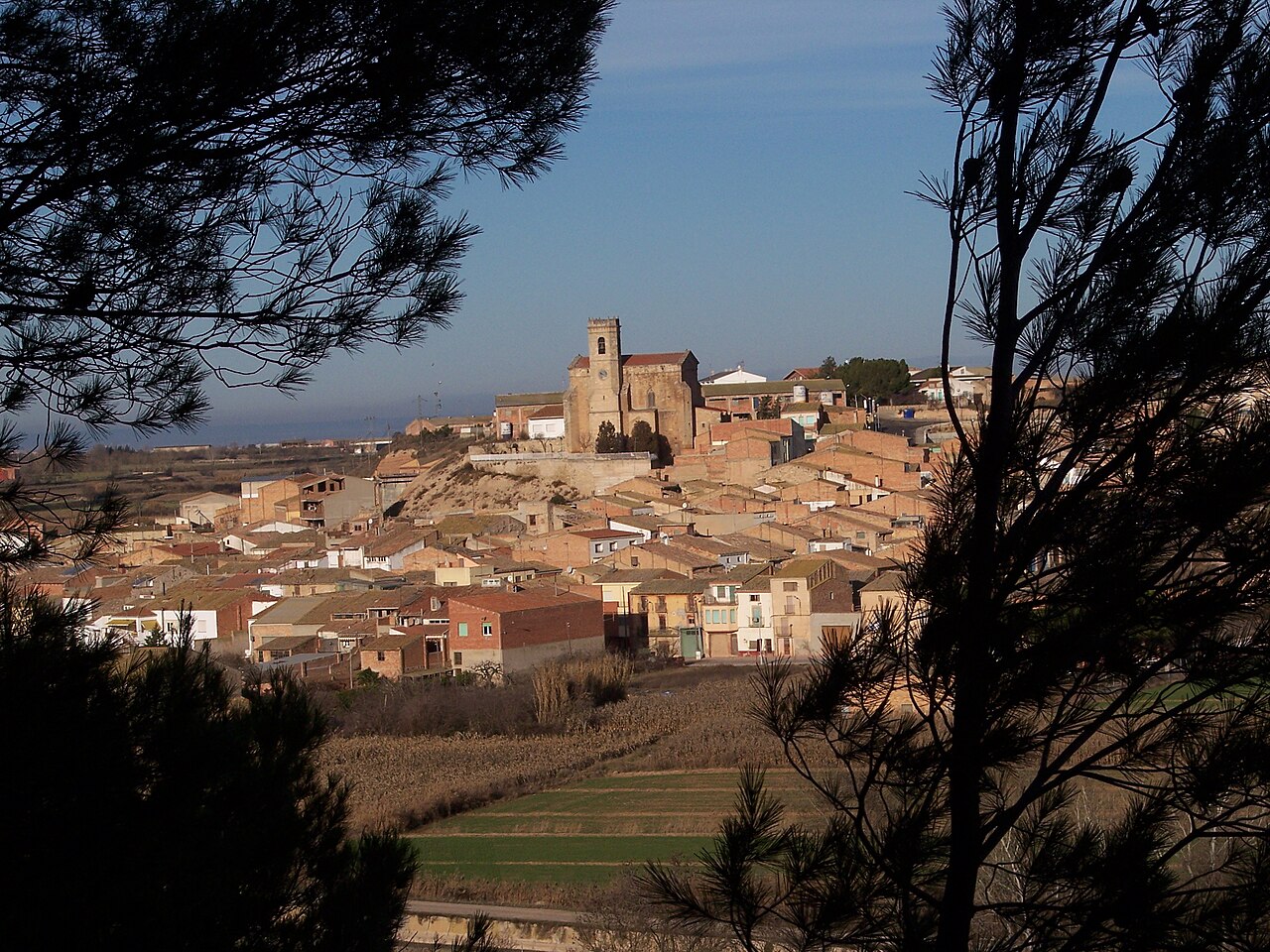
Agramunt sits 337 m above sea level on the hot, windy plateau of Lleida, equidistant from the Pyrenees and the Costa Dorada yet attached to neither. The bell tower of Santa Maria acts as a landmark long before you reach the centre; golden stone turns amber at sunset, a sight best enjoyed from the cheap plastic chairs outside Bar Central. With 5,500 inhabitants, the place is small enough that the bakery assistant will remember your order after two visits, large enough to support a Saturday-night jazz trio in the plaça.
Stone, Sugar and a Quiet Border Past
The old town is a ten-minute square of lanes that once formed the western edge of Christian Catalonia. You can still walk through the Portal del Roc, a 12th-century gatehouse thick enough to keep out Aragonese tax collectors, though today it mainly deters delivery vans. Inside, the street grid pinches and widens without warning; laundry hangs from wrought-iron balconies painted the colour of dried oregano. The so-called Sinagoga is really a remodelled courtyard house, but a plaque in Catalan and Hebrew reminds readers that Jews worked the sugar trade here until the 1492 expulsion. History feels present yet unpolished, like the faded frescoes inside Santa Maria where swifts nest among the Gothic ribs.
There is no ticket office, no audio guide, just a €1 coin box that keeps the lights on. If you want medieval pageantry, drive half an hour to Montblanc’s walled precinct; Agramunt offers something quieter—an inhabited past rather than a packaged one.
Almond Clouds and Chocolate Rivers
The Espai del Torró i la Xocolata occupies a former convent on the southern edge. Admission is €4 and includes three warm samples straight from the copper kettle. Exhibits explain why the local almonds behave differently: low rainfall, chalky soil, the 40-degree swing between August day and night. A short film shows waist-coated workers cutting sheets with pedal-powered guillotines, a scene little changed since the 1890s. Even visitors who arrive muttering “I don’t even like nougat” tend to leave clutching the €12 mixed box labelled segarra, the softest grade, wrapped in wax paper that still smells of orange-blossom honey.
Across the river Sió, the Simón family open their workshop on weekday afternoons. They’ll let you taste chocolate studded with salt crystals from the Delta de l’Ebre, then point to a wall map tracing cocoa beans back to 18th-century Tarragona ships. The experience is homespun—no exit through the gift shop because the gift shop is the corridor you already walked down.
Flat Earth, Big Sky
Beyond the last houses the land unfurls like a sepia photograph: wheat stubble, almond groves, rows of olive trees pruned into squat baskets. From February to mid-March the trees erupt with candy-floss blossom; photographers arrive at dawn, tripods lined along the C-241 like bird-watchers. The tourist office has printed a self-drive blossom circuit, yet even on peak Sunday you’ll share the verge with more tractors than coaches. Cyclists favour the 28-km loop to Bellpuig—dead-flat tarmac, zero shade, irrigation ditches glinting silver. Carry two litres of water; the bar in neighbouring Verdú opens only when the owner feels like it.
Hikers can follow the GR-175, part of the long-distance Cathar trail, eastwards towards the castell de Flor en Flors. The path crosses private farmland; close every gate, and expect the only sound to be your boots on pea gravel and the occasional grunt of a black Iberian pig. In July the temperature nudges 38 °C by eleven o’clock; start early or wait for October when the stubble is burned off and the air smells of toast and rosemary.
When the Village Eats Together
Market day is Sunday. Stallholders set up before eight, packing away by one: local almonds at €5 a kilo, cloudy arbequina oil in re-used Fanta bottles, and the elongated xuixo pastry that residents pronounce “shoo-shoo”. One bite oozes crema catalana thick enough to coat your tongue. Pair it with a small coffee for €2.20; asking for “café con leche” marks you as an outsider—use “café amb llet” and you’ll get a nod.
Lunch is rarely later than two. Cal Ganxet serves a three-course menú del dia for €14 that might start with pa amb tomàquet and slices of pernil salat, move on to rabbit stew with plums, and finish with turrón mousse. Vegetarians aren’t an afterthought: escalivada arrives properly charred, the aubergine flesh scooped out and dressed with raw garlic and oil. House wine is a young tempranillo from Costers del Segre; the bottle is plonked unceremoniously on your table—measure your own moderation.
Evenings wind down fast. By ten the plaça is quiet except for the clack of petanca balls and the hum of a single slot machine in Bar Roc. Nightlife seekers head to Lleida, 35 minutes down the A-2. The village keeps its decency; the last notable crime was the 1936 bread riot, still debated over dominoes.
Getting There, Staying Sane
Agramunt has no railway. Reus is the nearest budget-airport: Ryanair from Manchester or Stansted, then a 75-minute hire-car dash along the AP-2. From Barcelona allow 1 h 45 min—too far for a casual outing, but workable if you overnight and combine with the Cistercian monastery at Vallbona de les Monges. Parking is free on Passeig Catalunya; ignore the blue bays unless you enjoy translating Catalan traffic fines.
Accommodation is limited. Cal Maginet has six rooms in a 17th-century house: beams, stone stairs, Wi-Fi that copes with email but buckles under Netflix. Doubles start at €70 including breakfast—fresh coca flatbread, local honey, coffee strong enough to stain the cup. There is also a municipal albergue (€18 dorm bed) popular with long-distance cyclists; bring your own towel and expect lights-out at ten.
Check museum hours before you set off. The chocolate space shuts Monday–Tuesday from October to May, and turrón production pauses in August when even confectioners deserve a holiday. Arrive mid-morning and you’ll catch nougat being cut; arrive mid-afternoon and you’ll be offered ice-cold horchata while you wait for the next batch.
The Catch
Agramunt is not postcard-perfect. Facades peel, dogs bark at siesta time, and English is scarce—download Catalan phrases, not Castilian, for quicker smiles. Winter fog can trap wood smoke for days, and July sun is unforgiving; services for beach-starved Brits are nil, so packafter-sun and accept that the nearest sand is an hour away. If you need boutique shopping or vegan cafés, stick to Barcelona.
Yet for travellers happy to trade spectacle for substance, the village delivers. You leave with sugar on your breath, almond dust on your shoes, and the realisation that Catalonia’s inland belt keeps its own slow time. Drive away at dusk and you’ll still catch the bell tower silhouetted against cereal fields, the last batch of turrón cooling in open windows—an everyday ritual that tastes of somewhere specific, not of anywhere sold in the airport duty-free.