Full Article
about Belianes
Town with a tradition of oil production and an interesting ecomuseum of rural life.
Hide article Read full article
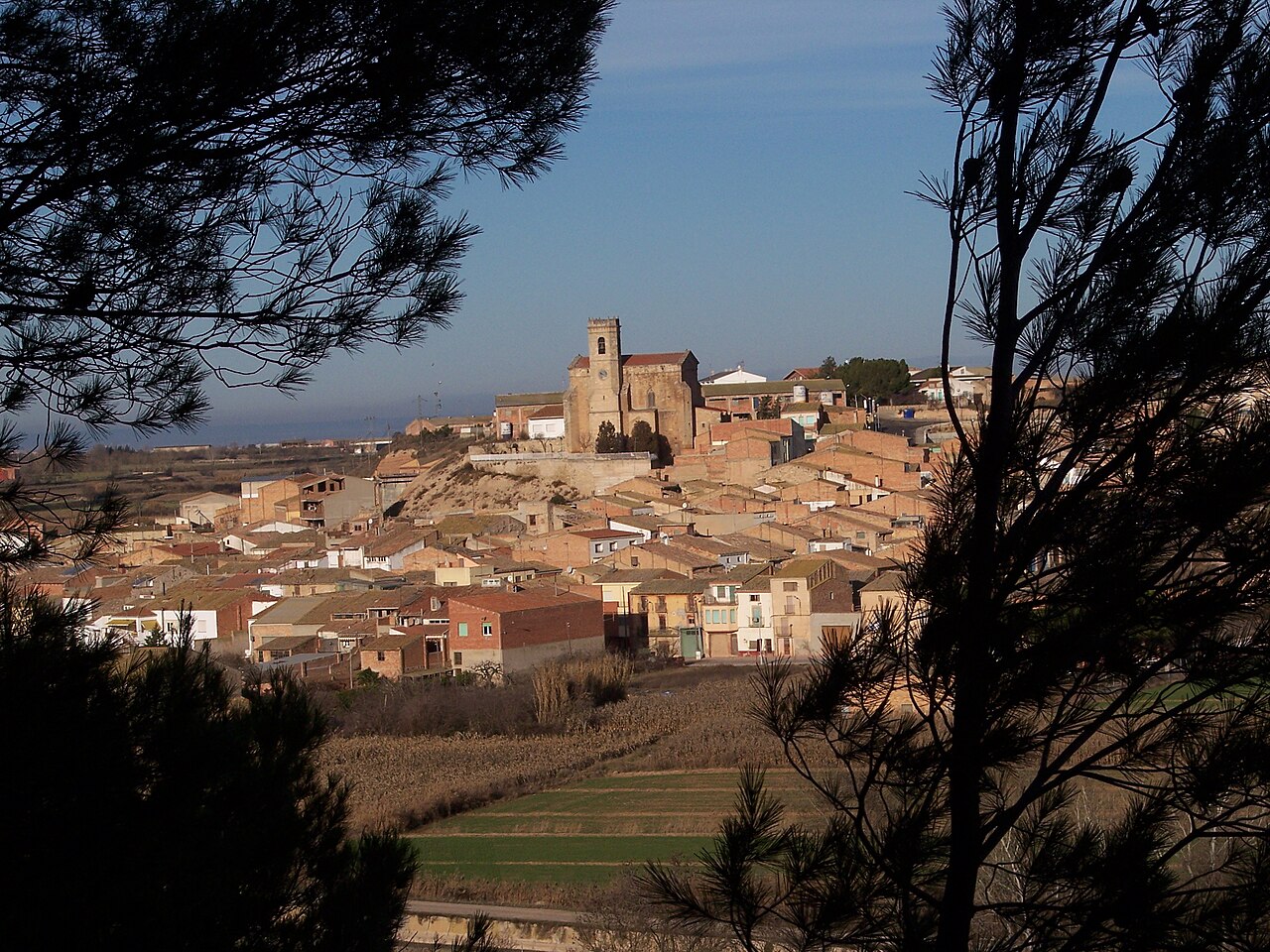
Early in the morning, when the air still holds a trace of the night’s damp, the streets of Belianes fill with the sound of a few scattered footsteps and the rattle of a shutter being raised. Stone façades keep their coolness and small windows let in a thin, pale light. In this corner of the Urgell, a comarca in the province of Lleida, not far from Tàrrega, tourism begins slowly, with the surrounding countryside setting the pace for the day.
With just over five hundred residents, Belianes lives closely tied to the fields that encircle it. Wheat, some barley, long strips of farmland that shift in colour as the year moves on. In spring the green is almost uniform. When harvest time arrives, the landscape turns golden and a fine dust hangs in the still afternoon air.
There are no grand gestures here. The appeal lies in observing how daily life and agriculture fit together, and how the seasons quietly reshape the same view.
Around Sant Pere, the Heart of the Village
At the centre stands the parish church of Sant Pere, its thick walls and bell tower visible from almost any street. The building has medieval origins, although it has clearly changed over the centuries. This layering is common in villages across this part of Lleida, where the stonework reflects more than one period.
Everyday life gathers around the church. Short streets, some slightly crooked, branch out from the square. Walking through them means noticing small details that slow the pace: a lintel carved with a date, old iron fittings on a wooden door, an inscription nearly worn away by time.
There is no need to hunt down specific sights. Belianes works best when explored without hurry, simply following whichever street leads away from the square. The scale is intimate, and the experience comes from paying attention rather than ticking off landmarks.
The Open Landscape of the Urgell
Step beyond the built-up area and the land opens almost immediately. The terrain is gentle, nearly flat, with a distant horizon and few interruptions. When a breeze moves across the fields, the cereal crops ripple like a continuous surface.
In the dry months of summer the colours fade and ochre dominates the earth. Yet towards the end of the day the light alters everything. The low sun casts orange tones across the fields and the façades of the village, softening the outlines and stretching the shadows.
This is the Urgell in its most characteristic form: wide agricultural spaces, long plots laid out in an orderly pattern, the rhythm of sowing and reaping shaping both the view and the calendar.
Rural Tracks on Foot or by Bike
Several agricultural tracks lead out from Belianes, connecting scattered farm buildings and masías, traditional rural houses typical of Catalonia. These are dirt paths or short paved stretches used by farmers, and they also lend themselves to unhurried walking or cycling.
There are no major climbs to contend with. In one or two hours it is possible to make a broad loop around the municipal area and return to the village, gaining a clear sense of how the agricultural mosaic of the Urgell is organised. Long, narrow plots sit alongside the occasional line of olive trees and isolated farm warehouses.
In summer it is wise to head out early or wait until late afternoon. At midday the sun falls directly overhead and there is very little shade. The openness that makes the landscape so expansive also means limited shelter from the heat.
These paths are not signposted as formal routes. They are working tracks first and foremost, and that practical purpose shapes the experience. The reward lies in the stillness and the uninterrupted views rather than in marked viewpoints or facilities.
Interior Cooking: Bread, Olive Oil and Simple Dishes
In this part of the comarca the cooking tends to be straightforward, without elaborate presentation. Hearty soups, stews made with embutido, Spanish cured sausages, and bread baked from local wheat still appear on many tables. Olive oil and pulses play an important role in the traditional diet.
It is a cuisine shaped by long hours in the fields. In winter, hot and filling dishes offer warmth after cold mornings outdoors. When the heat intensifies, meals become simpler and more direct.
For visitors, this food provides context. It reflects the same agricultural base that defines the landscape: cereals, olives and livestock translated into everyday cooking. There is nothing theatrical about it, just practical recipes that have endured because they suit the climate and the work.
Sant Pere and the August Return
The festival linked to Sant Pere usually takes place at the end of June. During those days the village becomes livelier than usual, with religious events, gatherings among neighbours and activities that fill the square.
August also brings a noticeable change. Many families who live elsewhere return for a few days, and the streets grow busier in the evenings when the heat eases. Conversations stretch out in the open air and the quiet routine of the rest of the year gives way to a more animated atmosphere.
Outside these moments, Belianes is calm. The pace remains steady and closely aligned with agricultural tasks rather than with a visitor timetable.
Getting There and Choosing the Moment
Belianes lies about fifteen kilometres from Tàrrega and roughly half an hour by car from Lleida. The approach roads pass through open fields and small agricultural holdings, reinforcing the sense of space before the village comes into view. Public transport in the area is limited, so arriving by car is the usual option.
For accommodation, most travellers choose to stay in nearby towns with more services, such as Tàrrega or Cervera, and come to Belianes for a few hours.
Spring and early autumn are generally the most pleasant times to walk the surrounding tracks. In summer the heat can be intense. In winter the silence of the countryside is almost complete, with cold mornings and a very clear light over the crops.
Belianes is not defined by major monuments or carefully mapped itineraries. It is a small fragment of the Urgell as it is lived here: open fields, quiet streets and days that follow the agricultural calendar. With time and without haste, the village gradually reveals its logic.