Full Article
about Castellserà
Town known for the bandit festival and its rural architectural heritage
Ocultar artículo Leer artículo completo
The tractor starts at six. Not the gentle purr of a suburban lawnmower, but the full-throated diesel growl of a New Holland that shakes the stone walls of the bakery and sends swifts scattering from the phone wires. Welcome to Castellserà, where the working day still follows the cereal, not the clock.
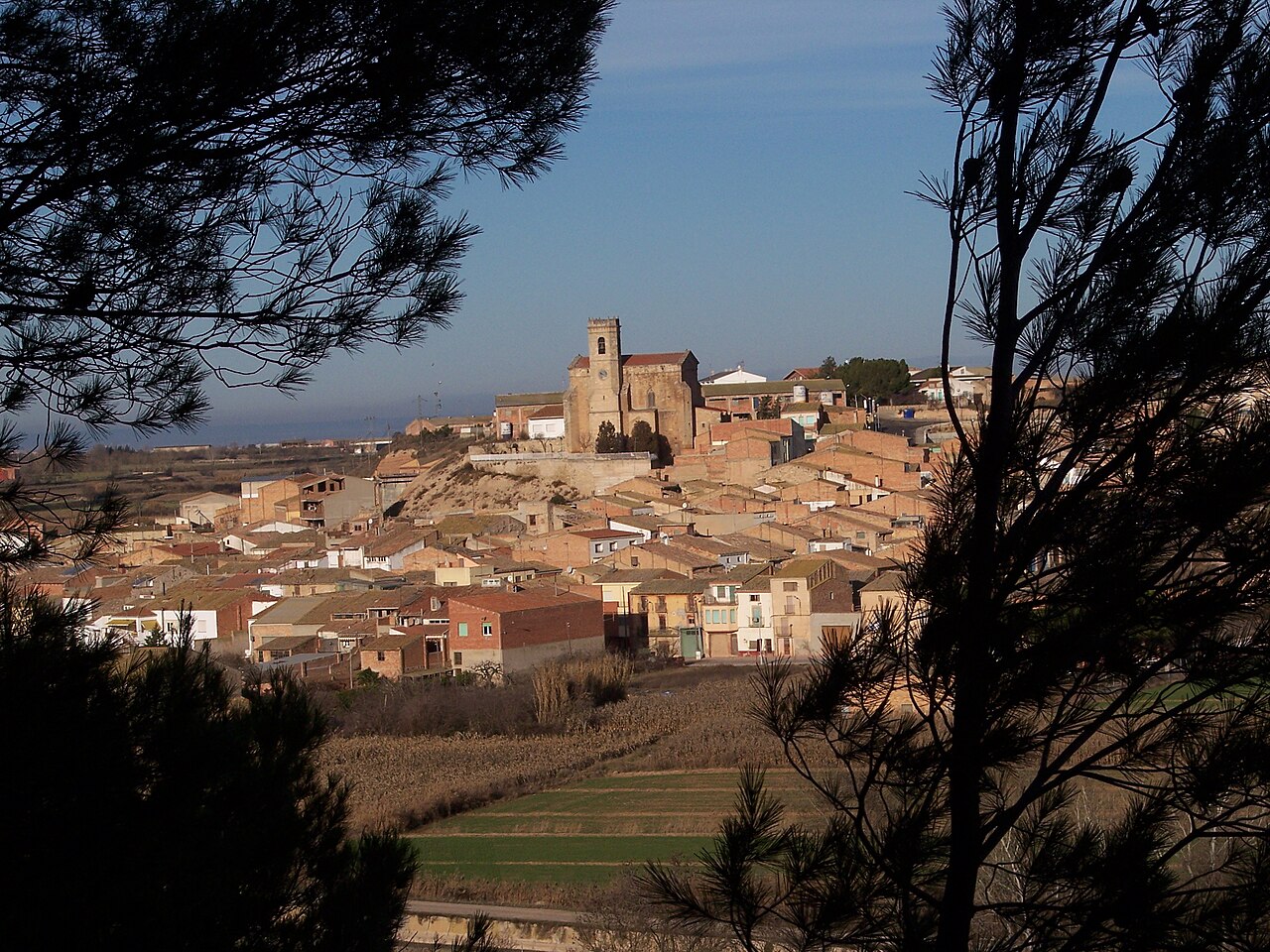
You will not find the village on the Costa circuit or the Pyrenean ski trail. It sits instead on the pancake-flat Urgell plain, 267 m above sea level and roughly half-way between Lleida and Tarragona, surrounded by a chessboard of durum-wheat fields that shimmer gold from May and turn silver-green when the wind ripples through. The silhouette is low: terracotta roofs, a single church tower, and the metallic glint of grain silos. There is no castle, despite the name; the Moors torched that in the tenth century and nobody bothered to rebuild.
What passes for a rush hour
The high street is 300 paces long. One end has the bakery, the other the agricultural co-op, and in between sits Bar Castell, open at 6 a.m. for cortados and carajillos (coffee laced with rum – farmers’ central heating). By 7 a.m. the square smells of toast and engine oil; by 9 a.m. it is empty again, save for two older men feeding the pigeons and a Yorkshire terrier that has learned to bark at number plates from Madrid. Tourists are so rare that a parked British hatchback drew a small crowd on the morning I passed through, the locals politely pretending they were admiring the wheel trims.
There is no office for the town hall. You ring a bell, and if the secretary is not out delivering pesticide paperwork she’ll let you in. Likewise, the cash machine vanished during the banking cull of 2020; the nearest is now in Bellpuig, 8 km east. Bring notes, preferably small ones, and do not expect contactless in the bakery.
A church without selfies
The parish church of Sant Miquel does not charge entry, supply audioguides, or sell fridge magnets. It simply opens for mass at 7 p.m. and stays unlocked afterwards so you can wander in. Inside, the air is cool and smells of wax and wheat dust. The altarpiece is seventeenth-century, gilded but peeling, and someone has pinned next week’s funeral notice beside a poster advising on tractor tyre pressure. Sit for five minutes and you will hear two things: the hum of the refrigerator that keeps the communion wine cold, and the wind rattling the barley stalks against the stained-glass windows. It is refreshingly uncurated.
Round the back, a narrow lane leads to the old irrigation pond, now a wildlife refuge. In spring it fills with red-crested pochards and the occasional migrating glossy ibis, though you will need binoculars and patience – the birds spook at the clatter of the grain conveyor across the road.
Pedal power and pig fat
The Urgell plain is ideal for cycling: dead-straight farm tracks, almost zero traffic, and views that stretch to the Montserrat massif on clear days. A gentle 22-km loop north takes you to Preixana, where the bakery does a peppery olive-oil biscuit called carquinyoli that softens in coffee. Take water – the only fountain en route is outside a masia whose dog objects to strangers.
Walking options are slimmer. A signed 5-km path circles the village through wheat and alfalfa, passing the remnants of dry-stone huts once used by shepherds during transhumance. Information boards are in Catalan only; Google Translate’s camera function is your friend. After rain the clay sticks to boots like brick mortar, so borrow the wire brush by the church door before you get back into the hire car.
Food is dictated by the agricultural calendar. Calçots (giant spring onions) appear between February and March, roasted over vine stumps and served with romesco that stains every chin scarlet. By October the talk turns to la matança: the household pig kill that supplies botifarra negra, llonganissa and the tubs of lard that still lubricate many a frying pan. The village bar’s weekday menú del dia costs €12 and often features fried eggs, chips and a slice of that sausage; if offal is not your thing, ask for peix o pollastre and you will get a piece of chicken breast the size of a saucer, plus the same chips.
Saturday is market day in Bellpuig. Stallholders shout prices in Catalan; the cheese man will let you taste a four-month tupí that tastes like a cross between Stilton and farmhouse cheddar, wrapped in oak leaves and brandy. Stock up – Castellserà’s solitary grocer closes at 1 p.m. and does not reopen until Monday.
When the fields empty out
August brings the Festa Major. The village inflates to perhaps triple its size as emigrants return from Barcelona, Brussels and Birmingham. Brass bands march at midnight, children roam with fluorescent rabbit ears, and someone inevitably wheels out a cardboard bull spitting fireworks. The highlight is the cercavila at dusk: giant dancing figures representing a local farmer and his wife, followed by a procession of tractors polished to showroom shine, headlights on full beam, stereos blaring Catalan rock. It is noisy, agricultural and oddly moving – a place celebrating itself rather than Instagram.
Outside fiesta week, evenings are quieter. The bar shuts at 10 p.m.; the bakery’s last baguette is usually gone by noon. Nightlife consists of swifts dive-bombing the streetlights and the occasional clank of the grain dryer on the edge of town. British visitors expecting a pub will be disappointed; bring a bottle of local cava and sit on the church steps instead – the stone is still warm from the day’s sun.
Practical residue
Fly to Reus (1 hr 20 min) or Barcelona (1 hr 30 min) and hire a car. The AP-2 toll is €11.45 each way; the village turn-off is labelled “Castellserà / Bellpuig”. There is no petrol station in the village – fill up in Lleida or at the motorway services. Accommodation is limited: three self-catering houses in the old centre (from £75 a night) and one rural cottage with an unheated pool 2 km out (£120). Book early for fiesta week; the rest of the year you can usually phone the day before.
Weather follows the cereal. May and June are golden and breezy; July and August bake at 34 °C and the air smells of chaff. September brings dramatic thunderstorms that turn the lanes to custard; wellies live by every front door. Winter is crisp, often foggy, and tractors still start at six – light sleepers should pack ear-plugs.
Castellserà will never make a “top ten” list. It offers no souvenir tea towels, no castle ramparts for sunset selfies, no sea view to hashtag. What it does give is an unfiltered dose of inland Catalonia: the smell of new bread at dawn, the sight of storks landing on a metal silo, the sound of a village that measures time by sowing and harvest rather than by opening hours. Come for 24 hours and you may leave thinking nothing happened; stay for three days and you will find yourself checking crop prices on your phone and timing your walk to avoid the tractor convoy – which, in its own small way, means the village has got under your skin.