Full Article
about La Fuliola
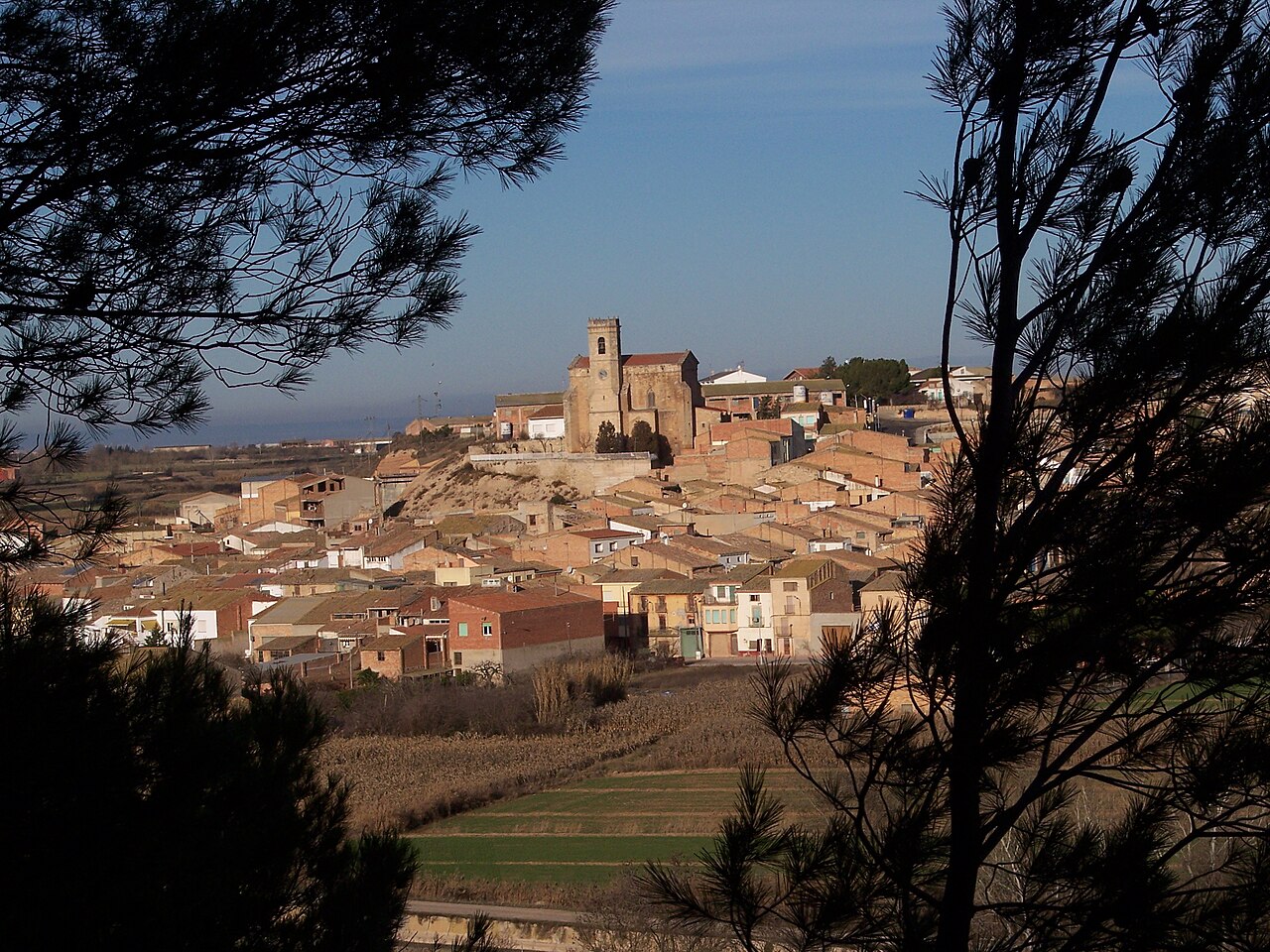
Known for its harvest and threshing festivals; typical flat-land village architecture
Ocultar artículo Leer artículo completo
A Pocket of Old Catalonia That Tourism Forgot
I'll be honest with you – when I first stumbled upon La Fuliola fifteen years ago, I thought I'd taken a wrong turn somewhere near Lleida. Here was this tiny village of barely 1,200 souls, sitting quietly in the endless wheat fields of the Pla d'Urgell, seemingly untouched by the modern world. No Costa del Sol crowds here, no trendy tapas bars or gift shops selling ceramic bulls. Just authentic rural Catalonia in all its unhurried glory.
What drew me back, and what keeps me returning every July, is precisely that sense of stepping into a time capsule. La Fuliola hasn't changed much since my grandmother's day, and frankly, that's exactly its charm. This is deep Catalonia – "Catalunya profunda" as they say – where traditions run as deep as the roots in the surrounding cereal plains.
Village Life in the Wheat Fields
At 902 feet above sea level, La Fuliola spreads across the flat countryside like a comfortable old jumper. The pace here is dictated by the seasons and the harvest, not by tourist timetables. Morning coffee at the village bar starts early – farmers are up with the sun – and by mid-afternoon, the village observes a proper siesta that would make southern Spain proud.
The heart of village life revolves around the modest Plaza Mayor, where locals gather for their evening paseo. Don't expect grand monuments or Instagram-worthy backdrops – the 17th-century Iglesia de Santa Lucía is lovely but unassuming, and the Monumento a la Segadora (Monument to the Harvester) tells you everything you need to know about what matters here: the land and the harvest.
What strikes me most about La Fuliola is how the locals maintain their traditions without any fuss or fanfare. This isn't heritage tourism – it's simply life as it's been lived for generations. The elderly men still gather for their afternoon card games, children play football in the dusty streets, and everyone knows everyone else's business (in the most endearing way possible).
Experiencing the Real Catalonia
The absolute best time to visit La Fuliola is during the Fiestas de la Siega y la Trilla in July – the Harvest and Threshing Festival. I've attended dozens of Spanish festivals over the years, but few have moved me quite like this one. Using traditional tools and methods, locals demonstrate how wheat was harvested and threshed before mechanisation. It's not a performance put on for tourists; it's a genuine celebration of agricultural heritage.
The festival transforms the village into a living museum. You'll see elderly farmers who actually remember these techniques teaching younger generations, whilst families bring out their grandmothers' recipes for the communal feast. The sound of the traditional flails beating the grain is rhythmic and almost meditative – a reminder of the backbreaking work that fed generations.
Between festival times, La Fuliola offers something equally precious: absolute peace. The surrounding countryside is perfect for gentle walks or cycling – the terrain is pancake-flat, so even the most unfit amongst us can manage the routes. The landscape might seem monotonous to some, but I find the endless golden fields rather hypnotic, especially at sunrise or sunset when the light turns everything to amber.
Where and What to Eat
Now, I won't lie to you – La Fuliola isn't exactly a gastronomic destination in the conventional sense. The village has one proper restaurant and a couple of bars that serve simple, honest food. But what it lacks in Michelin stars, it makes up for in authenticity.
The local speciality is coca de recapte – a flatbread topped with whatever vegetables are to hand – and the artisanal sausages (embutidos) from the surrounding Pla d'Urgell region. The village butcher still makes his own botifarra and fuet using recipes passed down through his family. It's proper charcuterie, none of that mass-produced nonsense you find in the supermarkets.
During my July visits, I've been lucky enough to be invited to locals' homes for harvest feast meals. Think hearty stews, grilled meats, and vegetables straight from family allotments. The wine is usually local too – nothing fancy, but perfectly drinkable table wine that pairs beautifully with the simple, flavourful food.
If you're planning an extended stay in the area, I'd suggest stocking up on provisions in nearby Mollerussa or Lleida. The village shop covers basics, but don't expect much beyond bread, milk, and tinned goods.
Practical Matters: Getting There and Getting About
Right, let's address the elephant in the room – La Fuliola is not easy to reach without a car. Public transport to smaller villages like this is, to put it mildly, hopeless. You'll need to rent a car, preferably something small and economical. The roads are perfectly fine – mostly straight runs through agricultural land – but parking in the village centre can be tight during festival time.
The nearest major town is Lleida, about 25 miles southeast, which has decent train connections to Barcelona and Madrid. From there, it's a straightforward 40-minute drive through countryside that becomes increasingly rural as you head north.
July is absolutely the best time to visit, not just for the harvest festival but because the weather is typically brilliant – hot but not unbearably so, with long, golden evenings perfect for outdoor dining. Do pack sun protection though; there's precious little shade in those wheat fields.
For accommodation, you're looking at casa rurales (rural houses) rather than hotels. I'd strongly recommend booking well in advance if you're planning a July visit – the village might be tiny, but word has got out about the harvest festival amongst those in the know. Having a base here for a few days gives you time to explore the wider Urgell region, including some lovely medieval towns like Agramunt and Tàrrega.
One final tip: brush up on your Catalan phrases. While most locals speak perfectly good Spanish, Catalan is the everyday language here, and making an effort always goes down well. Even a simple "Bon dia" will earn you smiles and possibly an invitation for coffee.
La Fuliola won't suit everyone – if you need constant entertainment and tourist amenities, look elsewhere. But if you're after a glimpse of authentic rural Spain, where traditions still mean something and the pace of life follows the rhythm of the seasons rather than the tick of a clock, you'll find it utterly enchanting. Just like I did, fifteen years ago.