Full Article
about Preixana
Town known for its 'De Prop' gastronomic fair and Montalbà hermitage
Hide article Read full article
A village that wakes slowly
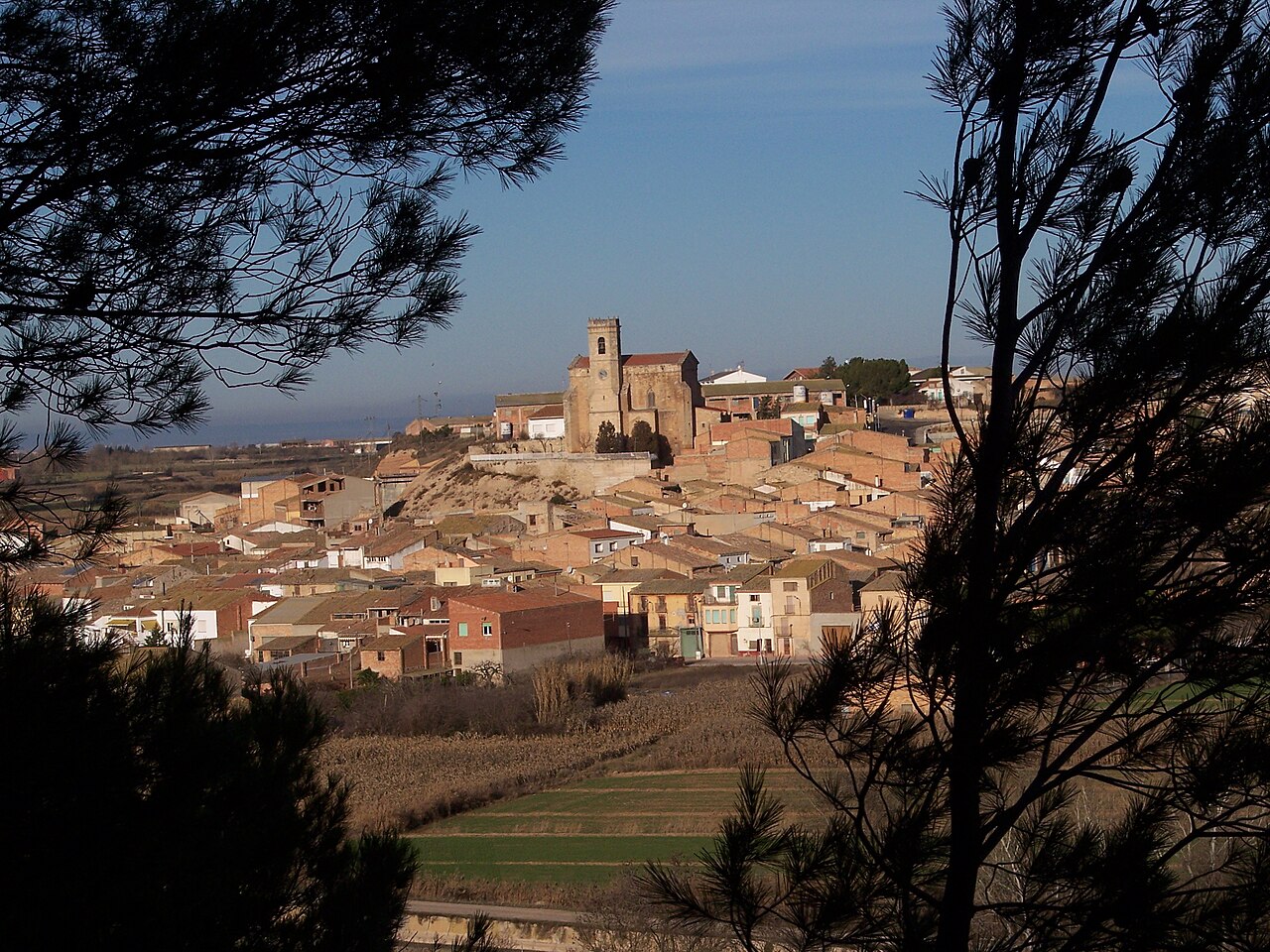
Early in the morning, while the air still carries a trace of night-time cool, the square by the church of Sant Miquel in Preixana is almost silent. A shutter lifts somewhere, a garage door rattles open, and that is about it. The houses, built from thick, slightly uneven stone, hold that familiar mix of grey and ochre seen across many villages in the Urgell region of Catalonia.
History here is not explained on signs. It shows itself in wide doorways, in walls patched and repaired more than once, and in streets that turn without much apparent logic. The layout feels shaped by use rather than planning.
The church tower rises above the rooftops even before reaching the centre. It is not especially striking, more a steady landmark in the flat landscape. Up close, the façade is plain, its stone softened over time. Inside, there is often a faint smell of wax and old damp. The benches show the wear of generations who have gathered here for mass, funerals and smaller moments in the local calendar.
Streets built for work and everyday life
Walking through the centre of Preixana does not take long. In under an hour, most of the village can be covered, though it is worth slowing down. Some houses still have large entrances, built when carts needed to pass straight inside. Others show more recent changes: cement meeting older stone, new metal grilles fixed over small windows.
Now and then, an inner courtyard appears, or a small vegetable plot tucked behind a low wall. During preserving season, it is not unusual to see jars lined up in the sun or crates of fruit resting beside a doorway.
These details give a sense of how closely daily life has remained tied to practical needs. The village is not arranged for visitors, and that is part of its character.
Fields stretching out from the edge
A short walk out of the village is enough for the built streets to give way to open land. The municipality of Preixana is flat and expansive, with long plots where cereals, olive trees and some almond trees dominate. In spring, when the almond trees blossom, the pale flowers stand out sharply against the still brown tones of the soil.
The paths are straight and easy to follow. Many are edged with dry stone borders or small irrigation channels. In the early morning or late afternoon, the light falls low across the land, turning olive leaves almost silver.
Those who move quietly may notice small birds of prey gliding above the fields, or hear the sudden, dry burst of a partridge hidden among the stubble. There is no need to look for viewpoints. The horizon is simply the open countryside itself.
Easy routes on foot or by bike
The surrounding area suits long, gentle walks rather than demanding hikes. There is very little change in elevation, and the tracks link Preixana with other nearby villages in Urgell. Many local people travel along these agricultural paths by bicycle.
One practical point matters here. In summer, the sun is strong and shade is limited. Walking or cycling is best done early in the morning or towards the end of the day. At midday, the landscape becomes intensely bright, almost white in appearance.
The simplicity of these routes is part of their appeal. There are no marked challenges or dramatic features, just a steady connection between villages and fields.
A steady rural pace
Preixana is a small village and it functions accordingly. There are no major attractions and no constant flow of visitors. What does stand out, for anyone paying attention, are the small signs of daily work: a hoe resting against a wall, sacks of grain stacked at the back of an agricultural building, the smell of damp earth after a brief storm.
Social life follows the agricultural calendar and a handful of local celebrations. The Fiesta Mayor, typically held in summer, brings together residents and those who return to the village for the occasion. At the end of September, around the feast of Sant Miquel, there are also religious events and quieter gatherings.
These moments do not transform the village into something else. They simply draw people together within the same steady rhythm.
A stop within the wider Urgell region
Many travellers arrive in Preixana while exploring other villages in Urgell. From Tàrrega, for example, the drive is short and straightforward. Tàrrega has a more active atmosphere, with markets, shops and more people in the streets.
Preixana operates differently. It suits an unhurried visit: park near the centre and walk for a while. Listen to how the village sounds when little is happening. The wind moves through cables, a tractor can be heard somewhere in the distance, and a metal door closes with a sharp echo.
Very little takes place in the obvious sense. That is precisely what allows the everyday life of this part of inland Catalonia to be understood.




