Full Article
about Puigverd d'Agramunt
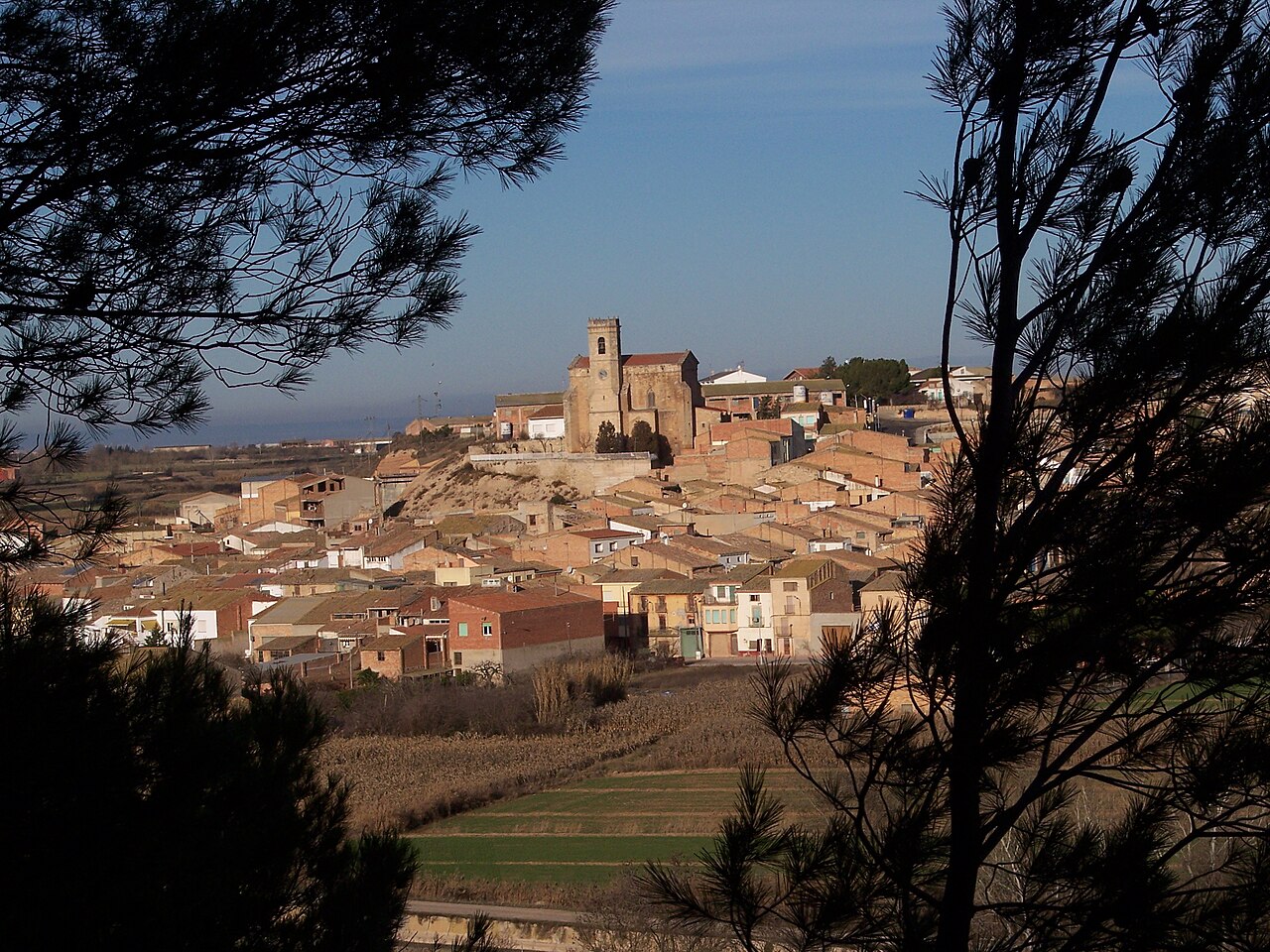
Small village with a castle and a neoclassical church; farming tradition
Hide article Read full article
Puigverd d'Agramunt: El Pueblo Que No Quiere Ser Trending Topic
Puigverd d'Agramunt es como ese amigo que nunca actualiza su perfil de redes sociales. No está intentando ser vintage, sencillamente es así. Llegué aquí hace años por una carretera cortada y, aunque suene a tópico, me quedé. No por una epifanía, sino porque me dio pereza buscar otra ruta para comer y acabé pasando la tarde.
Con 260 habitantes censados, la vida aquí se mide en otro ritmo. El sonido ambiente es un zumbido bajo de tractor lejano y conversaciones en catalán que se cuelan por las ventanas abiertas. La gente te mira al llegar, no con recelo, sino con la curiosidad de quien ve aparecer un mueble nuevo en su salón de toda la vida.
Un Castillo Que Es Más Ruina Que Monumento
La postal del pueblo es el Castell de Puigverd. Te lo aviso ya: no busques taquilla, panel informativo ni barritas de cereales con forma de almena. Es una ruina seria, de las que tienen ortigas creciendo entre las piedras y algún grafiti discreto. Subir hasta allí es un paseo corto pero con pendiente, de esos que en agosto se agradece hacer a primera hora.
La gracia está precisamente en eso: en que no hay nadie gestionando tu experiencia. Puedes tocar la piedra (con cuidado), sentarte en el muro y mirar cómo se extiende la plana de Urgell, ese mar verde plateado de olivos. No es el castillo más espectacular que verás, pero tiene una honestidad brutal. No está decorado para ti.
La Logística: Sin Coche, Estás En El Secarral
Vamos a lo práctico, que esto no es un cuaderno poético. Necesitas coche. Punto. La estación de tren más cercana está en Balaguer o Tàrrega, y desde allí te tocaría taxi o una caminata épica bajo el sol leridano. Si vienes desde Barcelona, son algo más de hora y media por la A-2; desde Lleida, media hora por carreteras comarcales rectas que atraviesan campos de cereal.
Una vez aquí, el pueblo se recorre a pie en veinte minutos. Pero eso es lo de menos. Lo interesante son los caminos que salen hacia las parcelas agrícolas. Son pistas de tierra anchas, ideales para un paseo sin complicaciones al atardecer. En primavera, con el campo verde y las amapolas, parece otro lugar; en verano a las dos de la tarde, parece un decorado de spaghetti western.
Comer: Las Opciones Son Las Que Hay
Hay un bar. Uno solo. Sirve platos combinados del día, pa amb tomàquet hecho al momento y cerveza bien fría. La terraza es el termómetro social del pueblo: por la mañana están los mayores; al mediodía, los trabajadores del campo; por la tarde-noche, un goteo tranquilo de vecinos.
El producto rey aquí es el aceite. De las cooperativas locales sale un oro líquido con un picor al final que te aclara las ideas. Muchos productores venden directamente en sus masías; solo hay que preguntar en el bar o fijarse en los carteles manuscritos clavados en algún poste.
Para hacer la compra o encontrar más variedad, tienes que ir a Agramunt (a 10 minutos). Allí hay supermercados y alguna carnicería buena. En Puigverd propiamente dicho no esperes ni siquiera una tienda de alimentación básica.
Dormir (Si Te Atreves)
No hay hoteles. Existen unas pocas casas rurales gestionadas por vecinos. Son espacios sencillos, a veces en edificios antiguos rehabilitados sin demasiadas florituras. La conexión wifi puede ser caprichosa y el silencio por la noche es absoluto —del tipo que al principio te resulta extraño si vives en ciudad—.
Si buscas un fin de semana para leer tres libros seguidos, pasear sin rumbo y olvidarte del ritmo urbano, puede funcionar. Si necesitas actividad constante o quieres impresionar a tu Instagram con diseños instagrameables, mejor revisa otras opciones. Puigverd no es un destino; es una pausa. Y a veces eso es justo lo que necesitas