Full Article
about Sant Martí de Riucorb
Municipality in the Corb valley; noted for the church of Sant Martí de Maldà
Ocultar artículo Leer artículo completo
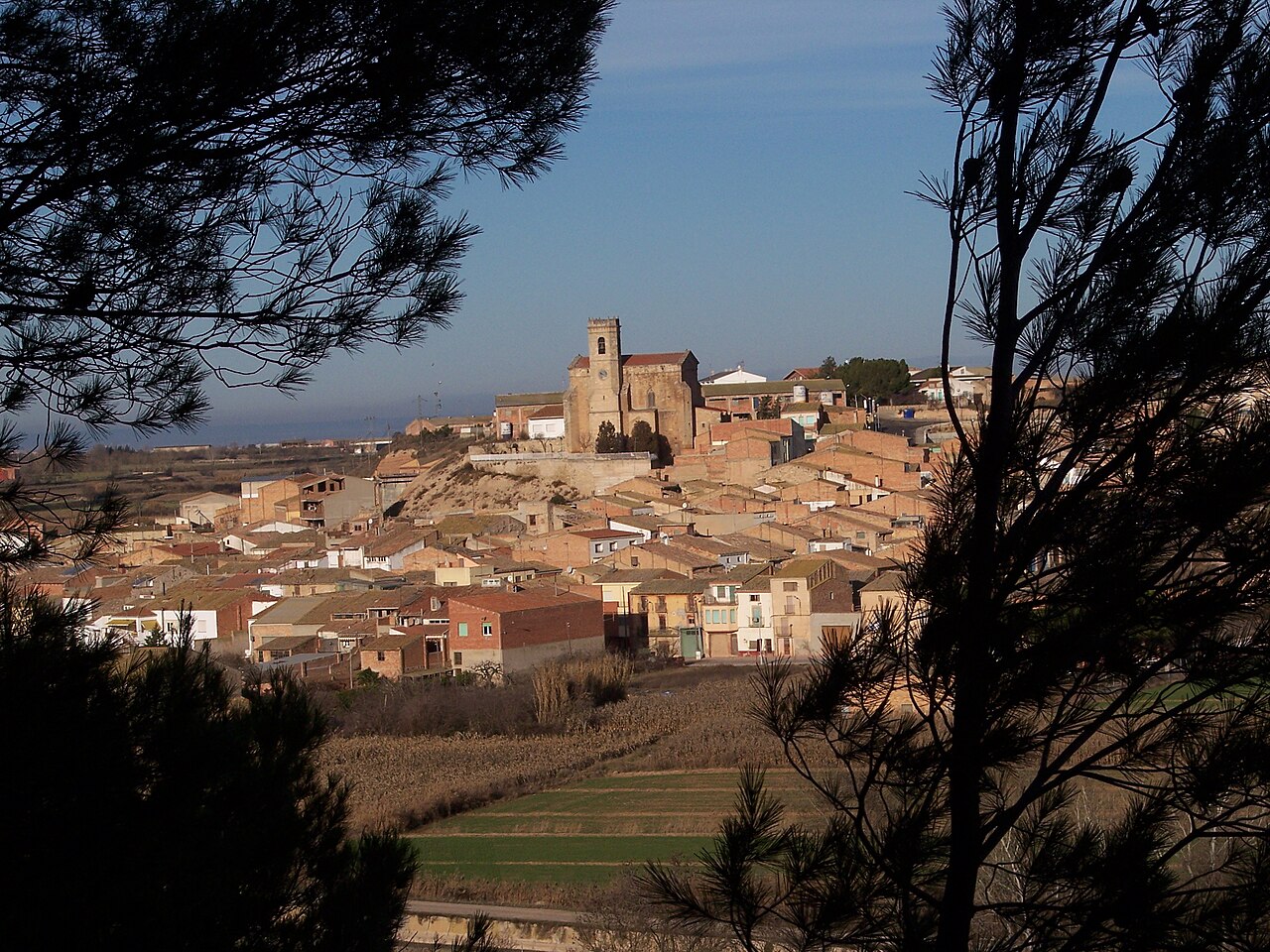
The church belltower of Sant Martí de Riucorb appears long before the village itself, rising from cereal fields that stretch like a rumpled gold counterpane across central Catalonia. At 409 metres above sea-level, this single stone landmark is the only vertical punctuation for miles, a useful reference point for farmers, cyclists and the occasional lost delivery driver.
With 655 inhabitants registered—though day-to-day you might count fewer—Sant Martí keeps the kind of quiet that makes birdsong feel loud. The village sits halfway between the provincial capital Lleida (40 minutes south-west by car) and the modest ski slopes of Port del Comte (45 minutes north), close enough for supplies, far enough to miss the weekend rush.
Stone, Stubble and the Smell of Bread
Entering the compact centre feels like walking onto a film set after the crew has knocked off. Streets narrow to shoulder width, then widen unexpectedly into pocket squares where the sun arrives at midday and stays until dusk. Most houses are built from honey-coloured limestone quarried nearby; their wooden doors have shrunk and swollen through so many seasons that no two hang quite the same way. Iron balconies, wide enough for a single geranium, project overhead, creating a tunnel of shade that smells faintly of firewood and baking dough.
There are no ticket booths, no audio guides, no interpretation panels. The heritage is the fabric itself: a 17th-century portal here, a Renaissance window frame there, all still doing the job they were carved for. The parish church of Sant Martí, patched and expanded since the 12th century, keeps its belltower door unlocked. Climb the 63 steps just before seven o'clock and you'll feel the bells shift overhead like restless livestock, then feel the tower sway when they strike the hour.
Outside, the only listed "sight" is the small shrine of Sant Sebastià, 1.5 km along a farm track. Go early, when dew pearls on the wild fennel, and you'll meet tractors heading out to drill winter wheat. The drivers lift one finger from the steering wheel in greeting; it's the same whether you're wearing hiking boots or flip-flops.
Flat Roads, Big Sky
Topography is the area's blessing and limitation. The surrounding plain of Urgell is table-flat, criss-crossed by gravel caminos that connect hamlets every three or four kilometres. Cyclists love the emptiness—roads so quiet you can hear the chain click—but walkers sometimes miss drama. Compensation comes from scale: enormous skies, lark-song rising hundreds of feet, and the distant Pyrenees floating on hot days like a mirage.
Spring brings a brief, brilliant green that ripens to biscuit-gold by June. After harvest the stubble fields shimmer, and when wind whips up, chaff swirls like tawdry confetti. Autumn smells of turned earth and diesel; winter can be surprisingly sharp, with night frosts that polish puddles to glass. Snow proper is rare—when it arrives tractors become improvised snow-ploughs and children sledges are improvised feed-bags.
For a half-day circuit, follow the sign-posted "Ruta dels Masos" west towards the abandoned farmstead of Mas de Bondia. The path passes through almond groves and between irrigation channels built by the Moors; allow two hours, carry water, and expect to share the way only with the occasional mountain biker from Barcelona testing thigh muscles.
Local Calories
Meal times are non-negotiable: lunch 1–3 pm, supper 9 pm earliest. The single restaurant, Ca la Flora, opens Friday to Sunday and serves a fixed three-course menú del dia for €14. Expect grilled escalivada (aubergine and peppers), rabbit with romesco, and a pudding that tastes of burnt cream and childhood. The wine list fits on a postcard—two reds, two whites, all from the cooperative in neighbouring Verdú. Mid-week, the bar attached to the grocery does toasted sandwiches and decent coffee; ask for the home-made panellets (almond biscuits) if the jar isn't empty.
Shops close between 2 pm and 5 pm. Bread arrives at 8 am and is usually sold out by noon; the forn keeps one loaf back for whoever asks first, so brush up on your Catalan numbers. Friday is market day in Tàrrega, 12 km south-east: a useful source of cheese, socks, gossip and replacement phone chargers.
When the Village Throws a Party
Sant Martí's annual fiesta happens around 11 November, the feast of St Martin. The schedule is pinned to the church door only days beforehand, but every year contains three constants: a communal calçotada (spring-onion barbecue) in the olive yard, a late-night jota dancing session in the street, and a card tournament that finishes well after the priest has gone to bed. Visitors are welcome, payment is by donation, and the wine flows from a plastic barrel that once held fertiliser—rinse your glass first.
Summer brings travelling cinema, projected on a white wall beside the ajuntament. Films are dubbed into Spanish regardless of origin; locals supply their own chairs and blankets. If the night is clear the screen competes with shooting stars, and dialogue competes with frogs in the irrigation pond.
Getting There, Getting Out
Public transport is skeletal. One bus leaves Lleida at 2 pm on weekdays, returning at 6 am next morning—fine for an overnight, useless for a day trip. A taxi from Tàrrega costs about €30; from Lleida station €55. Cycling in is straightforward if you can face 25 km of straight, exposed N-240; drivers should exit at Junction 398 and follow the LV-3021 for nine kilometres of perfectly empty road.
Accommodation is limited. There are three village houses registered as tourist rentals; Casal de Pagès sleeps six from €90 per night, Casa Forens has two doubles from €65. Both supply wood-burning stoves, neither supplies Wi-Fi stronger than the bar on the corner. Book ahead for April-May and September-October when bird-watchers and Catalan foodies pass through.
The Honest Verdict
Sant Martí de Riucorb will not change your life. You will not tick off Unesco sites, nor post selfies in front of world-famous art. What you might do is remember how daylight sounds without traffic, learn the Spanish word for starling, and eat lettuce that was soil an hour earlier. If that feels like time well wasted, come on a Tuesday, leave on a Thursday, and let the village get back to its quiet, useful, entirely ordinary existence.