Full Article
about Tàrrega
Capital of Urgell; known for its Fira de Teatre al Carrer and Jewish heritage
Hide article Read full article
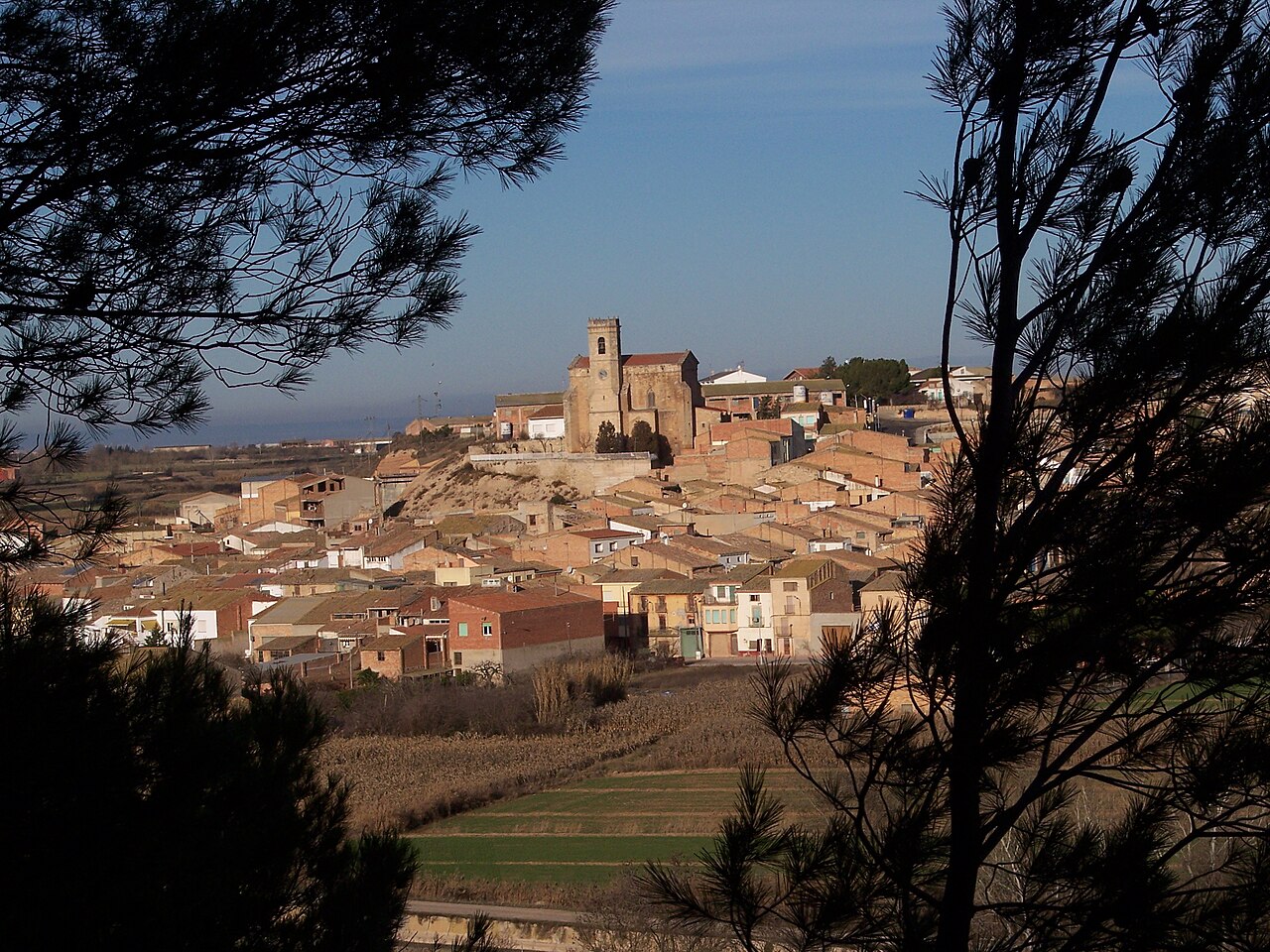
Early in the morning, while a trace of cool air still lingers over the Urgell plain, Tàrrega carries the smell of freshly baked bread and damp soil from the surrounding fields. Shutters in the centre remain half closed and the noise is minimal: a car crossing an avenue, footsteps echoing through the narrow streets of the old town. From the top of Parc de Sant Eloi, where pine trees filter the light into thin bands, the setting becomes clear. Cereal fields stretch outwards and the town spreads around its hill.
Stones that hold the centre together
The old town curls around the hill where the castle once stood. Streets rise and dip with that slightly uneven logic typical of medieval settlements. Some stretches narrow into tight passages, then suddenly open into small squares. Arcades provide shade when the sun becomes intense.
Plaça de Sant Antoni holds one of the historic churches in the town centre. Inside, the figure known as the Crist Trobat is preserved, closely tied to local tradition. The story of how it was found forms part of shared memory and still comes up when people talk about past festivals and processions.
A short walk away, traces of the former Jewish quarter can still be recognised. There are no large monuments, yet the layout survives in narrow streets and houses that retain a medieval structure. Details appear slowly when walking at an unhurried pace: a lowered arch, thick walls, old doorways. These elements point to the presence of an important Jewish community here until the late Middle Ages.
Beneath the surface: ice and trades
Below the castle area lies the Pou de Gel, one of the wells once used to store ice before modern refrigeration existed. The structure is deep and built in stone, partly carved into the ground. A glance inside reveals a shift in temperature, even during summer. The air feels cooler and carries the damp scent of cold stone.
Not far from there stands the Adoberia del Molí del Codina, linked to the traditional craft of leather tanning. Water played a central role in this trade, and the surroundings of the river Ondara gathered workshops where hides were treated. Today, the site can be visited through the regional museum. It helps explain how these places worked, with vats, stone basins and sturdy tools designed for slow, repetitive labour.
September and the rhythm of theatre
Tàrrega changes pace in September during the Fira de Teatre al Carrer, a street theatre fair that reshapes the town for several days. Squares and streets in the centre turn into improvised stages. By mid-afternoon, small groups begin to gather in front of a doorway, at a street corner or in an open area of the park.
Companies arrive from many places and the atmosphere stretches well into the night. Local residents are used to it. Children watch juggling acts, people sit on the ground, conversations overlap with music drifting from a performance that has just begun nearby. The whole town becomes part of the event, with everyday spaces briefly taking on a different role.
Food rooted in the season
Cooking in this part of Lleida is substantial and closely tied to seasonal produce. Many households still prepare olla barrejada, a spoon dish that combines pulses, vegetables and different cuts of pork. It takes time to cook and is usually associated with colder months.
Markets and traditional shops often display secallona, a very thin cured sausage sliced into small rounds. When autumn arrives, trays of panellets begin to appear. Their scent of toasted almond and pine nuts fills bakeries across inland Catalonia.
When to come and what to expect
September brings the busiest atmosphere because of the Fira de Teatre al Carrer, with lively streets and a noticeable increase in people in the centre. Those who prefer a quieter visit often find a weekday in spring more comfortable, with milder temperatures and less movement along the main streets.
Summer can become intense across the plain, especially from midday onwards. Late afternoon offers a different experience. Parc de Sant Eloi is a good place to head at that time of day, when the light softens over the cereal fields and the air begins to move again after hours of heat.