Full Article
about Tornabous
Known for the Iberian town of Molí d'Espígol and the Guardia tower.
Ocultar artículo Leer artículo completo
07:30 on the Plaça
The bakery lights click on first. By the time you reach Forn de Pa, three elderly men are already nursing thimble-sized coffees and arguing about barley prices. Their bicycles lean against the stone bench where, two hours later, someone’s grandmother will park identical shopping bags. Tornabous starts early and finishes equally early; plan accordingly or you’ll be hunting supper at midnight with nothing open but the pharmacy’s temperamental cash machine.
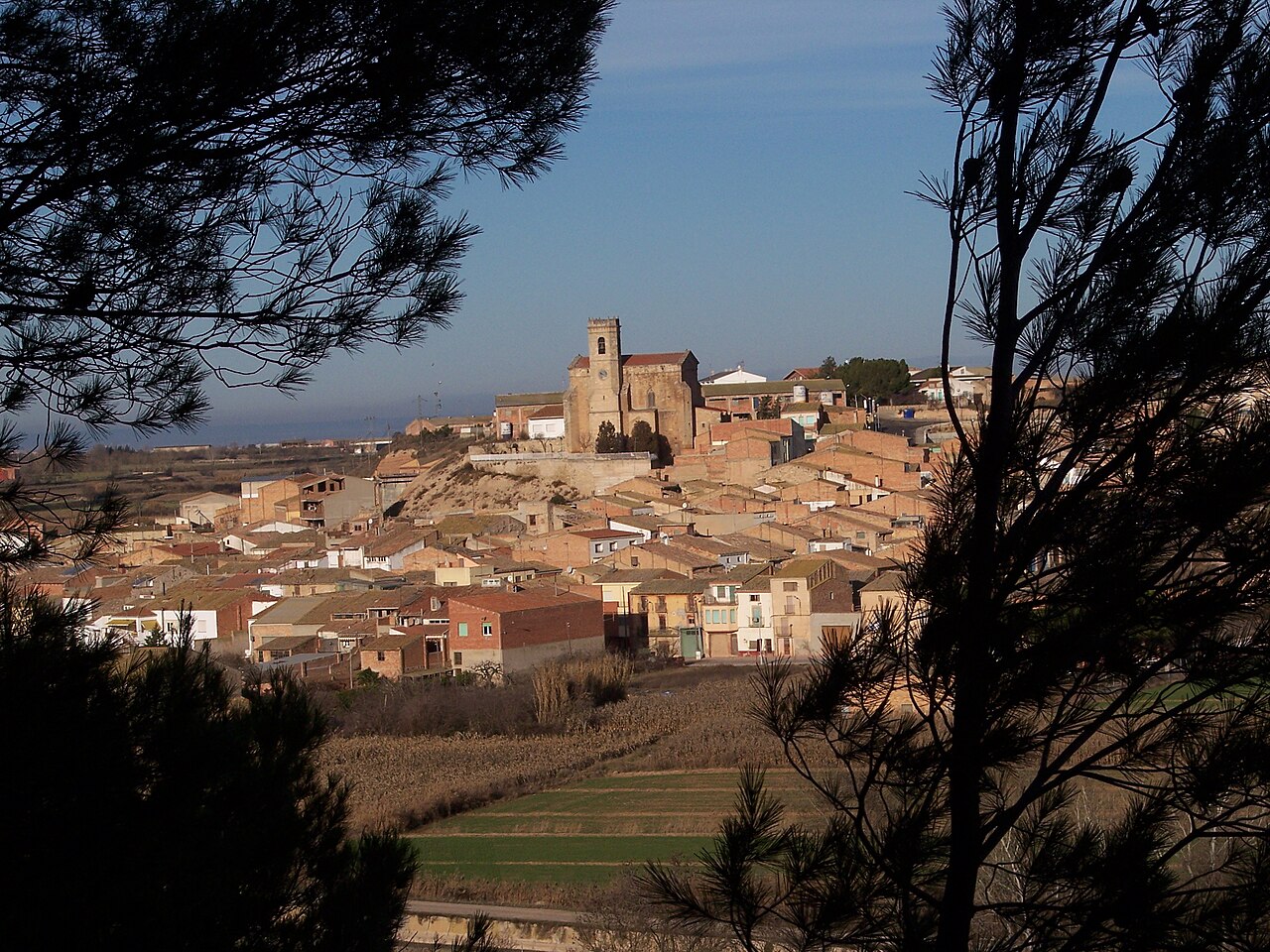
At 289 m above sea level, the village sits dead-centre in the Lleida tableland, a chessboard of cereal fields that runs unbroken to every horizon. There is no dramatic gorge, no cliff-top castle, just an enormous sky and roads so straight they look drawn with a ruler. The appeal is less postcard, more pulse-slowing antidote to the Costa crowds an hour and a half east.
A Grid for Grain, Not Selfies
Wander away from the plaça and you’ll notice the houses grow lower, their stone the colour of dry toast. Medieval builders used whatever the fields threw up: limestone, almond-wood beams, straw thatch later replaced by red Roman tiles. Portals are rounded, not for aesthetics but so carts could swing through without chipping the corners. Everything speaks of work, not show.
The parish church of Sant Miquel squats at the top of the slight rise—hardly a hill—where the original settlement huddled. Inside, the nave is barn-plain; the only flourish is a 17th-century retable rescued from a fire in 1936. Sunday Mass still draws enough voices to fill the pews, but on weekdays the door is unlocked mainly for the occasional cyclist looking to refill a water bottle. Respectful shorts are tolerated; beachwear is not.
Cycling Without Collarbones
Flat has advantages. The comarcal roads around Tornabous form a 32-kilometre loop that links the even smaller hamlets of Belianes and Mafet. Traffic is light enough that you’ll meet more tractors than tourists, and the only climb worthy of dropping into bottom gear is the farm overpass outside the cooperative silo. Bring two bottles in summer—there is almost no shade, and the wind that funnels down the plain can turn a gentle outward leg into a teeth-gritted return.
No bike? The town hall lends out six aluminium hybrids for free; the key hangs beside the noticeboard bristling with flyers for calçotada competitions and castanyada chestnut roasts. A €20 cash deposit is politely requested; nobody has ever asked for a passport. Helmets are “recommended” in the same way your mother recommends a coat: you’ll survive the embarrassment, but perhaps not the gravel if the front wheel slips.
What Passes for Lunch
Midday eating is still farm-clock driven. Cal Modest, the only hostelry with English-speaking reviews, serves a three-course menú del dia at 14:00 sharp for €16. Dishes change daily—perhaps grilled lamb cutlets with rosemary, perhaps cigrons (chickpeas) stewed with black pudding. The owner, Josep, learnt his English picking fruit in Kent and enjoys testing regional slang; expect questions about whether “lovely jubbly” is still current. House wine arrives in a 500 ml carafe that looks medicinal and tastes better than anything on the Ryanair flight over.
If you’re self-catering, the carnisseria will hack off exactly the lump of butifarra sausage you point at, but don’t arrive after 12:30 on Saturday—she shuts for the weekend regardless of tourist hunger. The bakery’s roasted-pepper coca travels well and won’t leak tomato onto the hire-car seats.
When the Almonds Go Off Like Flashbulbs
Late February turns the surrounding fields into a pale-pink snowstorm. Agronomists reckon 42,000 almond trees ring the village, most planted after a 1980s EU subsidy encouraged farmers to swap thirsty cereals for drought-proof nuts. The blossom lasts roughly ten days; timing is everything. Local photographers swear the best light is 08:15, when the sun lifts through the mist and every petal glows like parchment held to a lamp. By 11:00 the wind gets up and the spectacle flattens into ordinary daylight.
Night-time and Other Misconceptions
Darkness falls abruptly—no coastal afterglow here—and with it comes a silence deep enough to hear the irrigation pivots creak. There are no bars showing Premier League, no cocktail lounge, not even a late-night chippy. Plan to be back at your accommodation with a bottle of vi negre before 22:00 or you’ll sit on the curb with the town cats. British visitors sometimes misread the map scale and assume Tornabous works as a Barcelona commuter base; it doesn’t. The A-2 is fast but tedious, and breakfast meetings in the city would require a 05:30 start.
Saints, Bonfires and Tractor Blessings
Festivals follow the agricultural heartbeat. Sant Antoni, 17 January, brings a straw-fuelled bonfire to the plaça and a priest who sprinkles holy water on dogs, goats and the occasional John Deere. August’s Festa Major revolves around a three-night paella cook-off and a Catalan sardana circle dance that even shy onlookers get dragged into once the cava starts flowing. Neither event is staged for visitors; cameras are tolerated, but don’t expect explanatory placards or multilingual programmes. The tourist office covering Urgell is 18 km away in Tàrrega, closed for siesta between 14:00 and 16:30.
Getting There, Getting Out
Fly to Barcelona, collect a car, head west on the AP-2, peel off at Cervera and follow the C-1413 for 14 km. The journey is 146 km door-to-door, almost entirely motorway. Public transport exists—a twice-daily bus from Lleida—but requires confidence in Spanish timetables and a willingness to walk the last kilometre with your suitcase across ploughed earth when the driver drops you “in the vicinity”. Winter fog can close the AP-2 without warning; carry a high-visibility jacket (legal requirement anyway) and download an offline map.
Worth It?
Tornabous offers no blockbuster sights, no fridge-magnet icons. What it does provide is a place still operating on its own agricultural metronome, indifferent to the coastal theme-park Spain sold in travel brochures. Come if you want to cycle empty roads, eat lunch at a time your grandmother would approve, and fall asleep to the smell of freshly cut barley instead of chlorine and karaoke. Don’t come if you need souvenir shops or nightlife. The village will be here either way, quietly getting on with the harvest.