Full Article
about Verdú
Town of black pottery and an imposing castle; birthplace of San Pedro Claver
Hide article Read full article
A small hill in a wide landscape
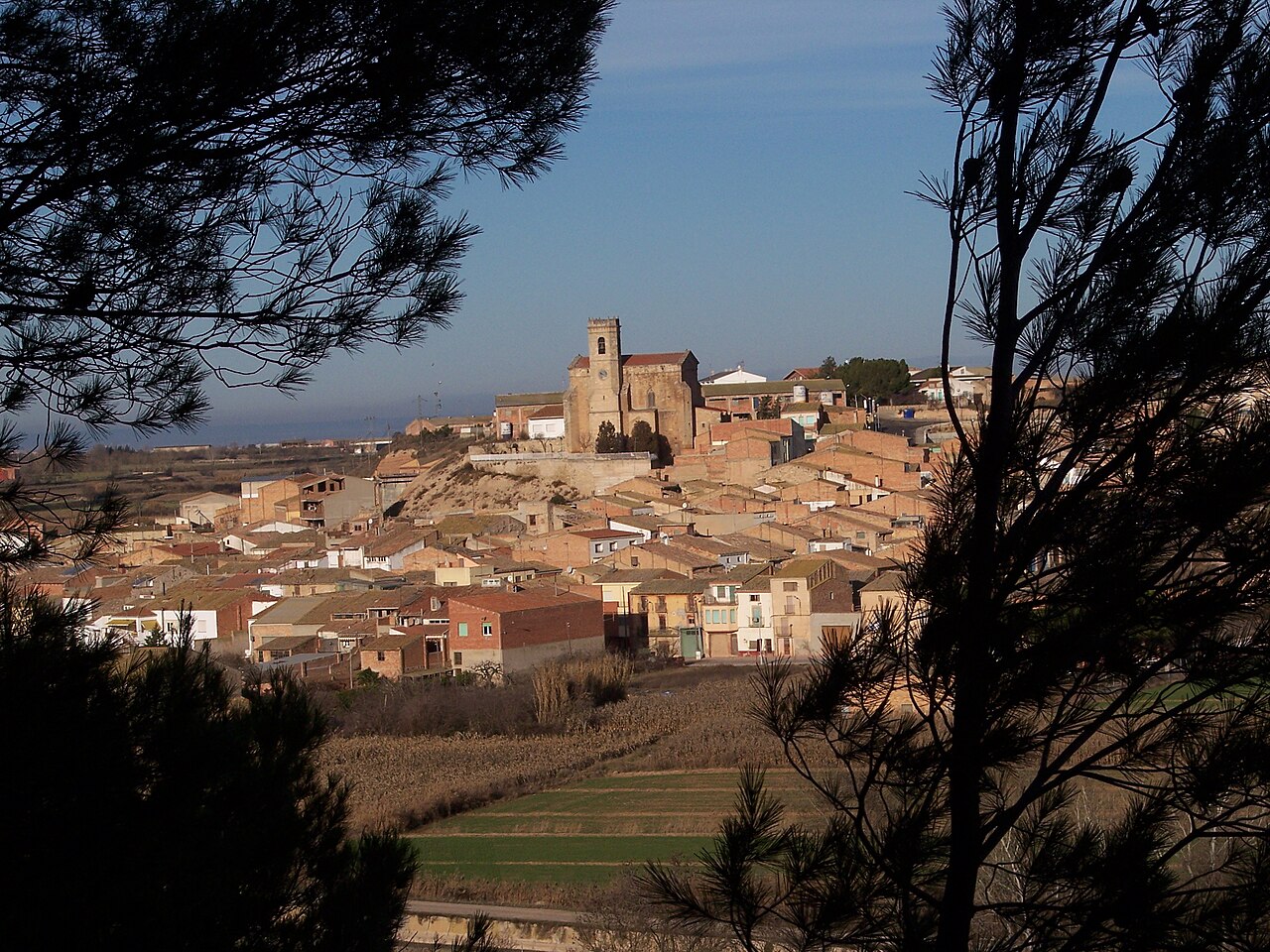
Verdú feels like the sort of place you notice from a secondary road and think it might be worth stopping for a while. Not because it boasts a single headline monument or a famous attraction, but because of the overall picture. Stone houses, streets that rise and dip without much order, and, all around, the open fields of the Urgell plain which turn an almost dazzling yellow in summer.
With fewer than a thousand inhabitants, the village stands on a slight elevation in the middle of the plain. From a distance it is easy to pick out the old centre: the church at the top and the rest of the town gathered around it. Verdú is not set up for mass tourism or packed itineraries. It suits a slower pace, taking in small details and letting the place reveal itself gradually.
Life here starts early, as is common in agricultural villages. Shutters are raised soon after dawn, there is movement in the square, and the Catalan you hear has the unhurried tone of a small community where people know one another.
Through medieval gateways
A good way to begin is by entering the medieval core through one of the old gateways. Fragments of the 14th-century walls still remain, along with access points such as the Portal de Sant Miquel and the Portal de Riusec. They help you picture the defensive perimeter that once made strategic sense in a way it no longer does.
At the highest point stands the church of Santa María, a fairly austere Gothic building constructed between the 14th and 16th centuries. If it happens to be open, it is worth stepping inside briefly. The appeal lies less in a detailed visit and more in the particular quiet found in a village church when it is empty. From this upper area there are also open views across the Urgell plain, reinforcing how small the settlement is within such a broad landscape.
Walking through the centre is straightforward. Narrow lanes, low arches and many well-preserved stone houses define the route. The Plaça Major tends to be where most people eventually arrive. At certain times of day, neighbours gather on benches or lean under the arcades, as in many villages where the main square remains the natural meeting point.
As for the castle, it helps to keep expectations modest. Verdú once had an important medieval fortress, but little is clearly visible today. Parts of the original structures were incorporated into later buildings, and what can be seen now consists of fragments, stretches of wall and a few defensive details. Those with an interest in local history may find it worthwhile; anyone expecting a fully intact stronghold may feel underwhelmed.
Fields, food and nearby towns
The landscape around Verdú is typical of inland Urgell: cereal fields, olive groves and agricultural tracks running straight towards the horizon. It works well for walking or cycling without too much effort, as the terrain is mostly flat or gently undulating.
These are routes that do not require much planning. Park near the edge of the village, follow a rural track and within minutes you are surrounded by open countryside. In spring the green does not last long, but it is striking while it does. By summer everything dries out, and the contrast with the blue sky becomes part of the character of this area of Lleida.
Food follows the logic of the territory. Local olive oil, cured meats and straightforward Catalan dishes are typical, accompanied by wines from the Costers del Segre designation of origin. There is little interest in elaborate presentation, and none is really needed.
For those who enjoy wine and are travelling by car, several wineries are scattered among nearby villages in the comarca. Some open for visits or tastings, although it is sensible to check in advance as not all operate with wide opening hours.
Verdú also works well as part of a wider route through the area. Guimerà is relatively close, and its medieval old quarter makes an immediate impression. To the north, Cervera is larger and has more extensive heritage, with its former university dominating the town from above.
Festivals and village rhythm
At the end of August, Verdú celebrates San Bartolomé. During those days the pace changes noticeably. There are activities in the streets, music and popular events that keep the square lively into the evening.
In May, the village usually hosts an agricultural and livestock fair linked to the rural character of the region. Machinery and local produce are displayed, and there is a strong sense of the surrounding comarca coming together. Farmers examining tools mix with families strolling between food stalls.
Throughout the summer, small craft markets or outdoor cultural activities sometimes appear. They are not large-scale events designed for big crowds, but rather initiatives aimed at adding a bit of life to the village. If a visit coincides with one of them, it can be an enjoyable addition without the need for careful planning.
When Verdú feels at its best
Spring and autumn are generally the most pleasant times to visit Verdú. The climate is milder, and the landscape shifts noticeably with the seasons. For a few weeks in spring the fields turn green, before fading as temperatures rise. Later in the year, when the cereal has dried, golden tones dominate the plain.
Summer brings harsher light and more intense heat, which emphasises the dry character of the Urgell interior. Even then, the elevated position of the old centre and the thick stone walls of many houses offer some relief.
Verdú does not rely on major sights or carefully staged experiences. Its appeal lies in the coherence of the whole: a small hilltop settlement, traces of medieval walls, a sober Gothic church and an expanse of farmland stretching out in every direction. It is a place best approached without hurry, allowing the rhythm of the village and the scale of the landscape to set the tone.