Full Article
about Les
Historic spa town near the French border; home of the fallas tradition (Haro)
Ocultar artículo Leer artículo completo
The church bell in Les strikes eleven just as the baker flips the Closed sign at 12:29. He still has change in the till, but the rule is the rule: shutters come down for the three-hour lunch pause that keeps the village on mountain time. Visitors who arrive expecting a quick sandwich learn to read the rhythm the hard way; those who planned ahead are already on the river path, sipping vino tinto from a plastic cup and listening to the Garona rush toward Bordeaux, 300 km away.
Where the Pyrenees Tilt West
Les sits at 634 m in the only Catalan valley that drains to the Atlantic. The difference is more than cartographic: the air smells of damp birch instead of sun-baked pine, the rainfall graph looks like Devon’s, and the locals switch between Aranese, Catalan and Spanish mid-sentence. British ears often pick out the Occitan twang before any Romance language they recognise. A walker fresh off the GR11 long-distance path described it as “Wales with better cheese and stone roofs that actually keep out the weather.”
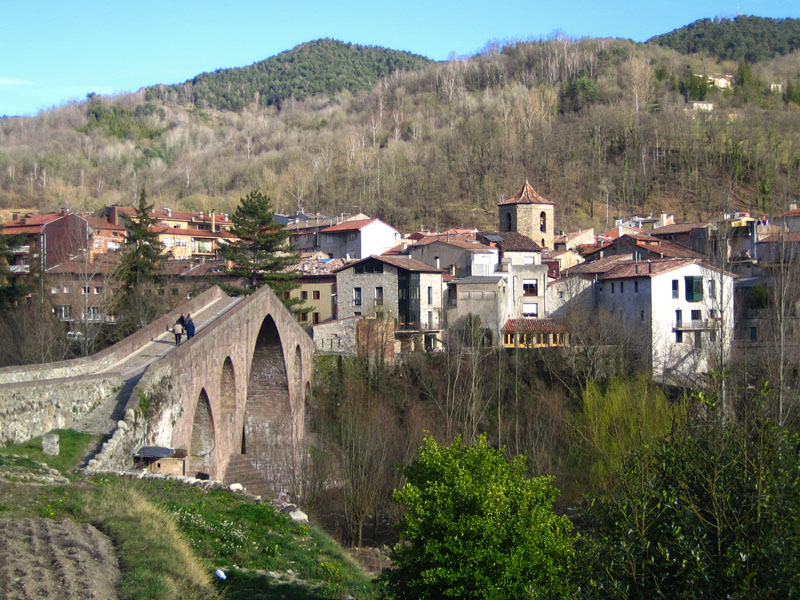
The houses are built for snow: slate tiles hung at 45°, wooden balconies deep enough to store firewood, and doorjambs wide enough for a cow. Many still have the stone coat-of-arms carved when Les served as the valley’s administrative centre; count the heraldic cows and you’ll realise the same families have been here since the Tudors were sorting out England. Planning laws forbid aluminium windows and bright paint, so the village centre looks almost monochrome until geraniums explode from a first-floor pot.
Walking, Driving or Simply Waiting for the Shuttle
You don’t come to Les for lift queues. Baqueira-Beret, the Pyrenees’ smartest ski field, is only 15 minutes up the C-28, but the road turns twisty enough to humble anyone who learnt to drive on the M25. In winter the council enforces chain or 4×4 rules after 5 cm of snow; hire companies at Toulouse airport will charge €60 for the set and refuse to fit them for you. The upside is that Les itself stays quiet: seasonnaires pack the slope-side apartments while the village keeps its car park free after 6 p.m. and its bars half-empty.
Summer hikers can choose between a gentle 7-km riverside loop (flat, buggy-friendly, cows in the meadow) or the steeper haul to the Plan de Beret plateau, start of the GR11 variant that crosses into France over the 2 524 m Port de la Bonaigua. Allow six hours return and carry water; the only fountain is at the trailhead and the next bar is in France. Mountain-bike rental is available at Esports Pirenaics in Vielha; they’ll drop the bikes in Les for €10 if you book the night before.
What to Eat When the Shops Shut
The olla aranesa is essentially a Pyrenean hot-pot: white beans, pork shank, black pudding and a cabbage leaf for luck. Order it at Bar Era Mola on the main square and you’ll get a terracotta bowl big enough for two; the staff will happily split it and add an extra plate of chips if you ask before they ladle. Wild-boar civet tastes like a game-rich French daube, minus the red-wine heaviness. Vegetarians should lower expectations: even the salad arrives with tocino crumbs unless you protest in Spanish, Catalan and mime.
Only two restaurants operate year-round, so book before 5 p.m. or expect to drive to Vielha for pizza. The local goat cheese is milder than English cheddar; buy it at the Saturday morning market (10:00-13:00, parish car park) and it will survive the flight home wrapped in a tea towel. If you self-cater, remember the cash warning: the nearest ATM is 6 km away at the BP station, and it charges €2 per withdrawal.
Seasons Spelt Out
April brings melt-water waterfalls that roar like the Settle-Carlisle line; by May the hay meadows are knee-high and the high paths still hold snow patches. June is the sweet spot for walkers: long daylight, no midges, cafés just reopened. July and August turn the village into a slow-motion fiesta: occitan pipe bands on the church steps, children chasing a football until midnight, and the smell of churros drifting across the square. Temperatures reach 28 °C in the sun but drop to 12 °C after dark—pack a fleece even in August.
Autumn is brief. The first snow can dust the tops in mid-October, though the road stays clear. November is when Les celebrates its patron, Sant Martí, with a three-day cider-and-sausage fair that feels more Somerset than Catalonia. December to March is ski season: mornings of –8 °C, pristine light, and the odd power cut when the valley grid overloads. Accommodation prices rise 40 % the week British schools break up; book before half-term or accept a attic room with shared bath.
The Honest Catch
Les is not postcard-perfect. The river wall is tagged with graffiti, the playground swings squeak, and someone’s forever drilling into stone somewhere. Wi-Fi crawls at 3 Mbps on a good day; mobile signal drops to Edge in the narrow lanes. If you need nightlife beyond two bars and a bakery that sells beer after hours, stay in Vielha. What the village offers instead is a working mountain community that hasn’t remodelled itself for tour buses. Speak a phrase of Aranese—Qué tal, era nheu?—and the shopkeeper might knock 50 c off the cheese. Forget to say mercé as you leave and you’ll hear about it.
Come prepared, slow down, and remember the bell tolls for lunch whether you’re holding euros or not.


