Full Article
about Vilaverd
Village in the Riba narrows with the Montgoi shrine and medieval past.
Hide article Read full article
A Slow Start in Stone
Early in the morning, when the sun begins to touch the stone walls, tourism in Vilaverd makes the most sense on foot and without a plan. The quiet does not last long. A shutter creaks open, a car rolls slowly along the main road through the village, footsteps echo along narrow streets. Vilaverd is not arranged around attractions or designed to entertain. It simply carries on at its own pace.
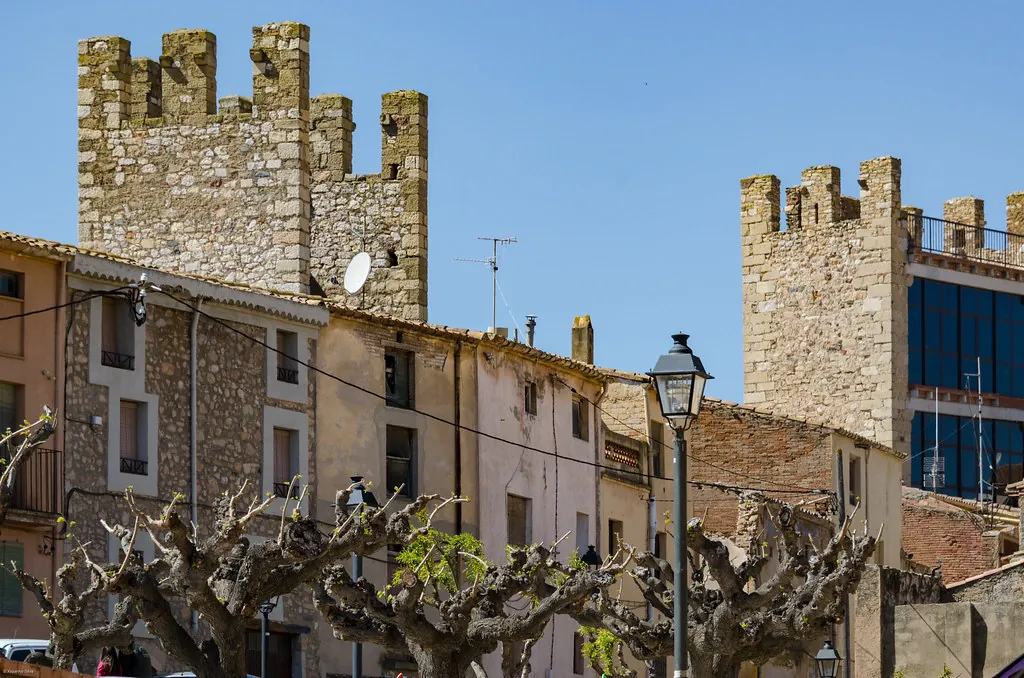
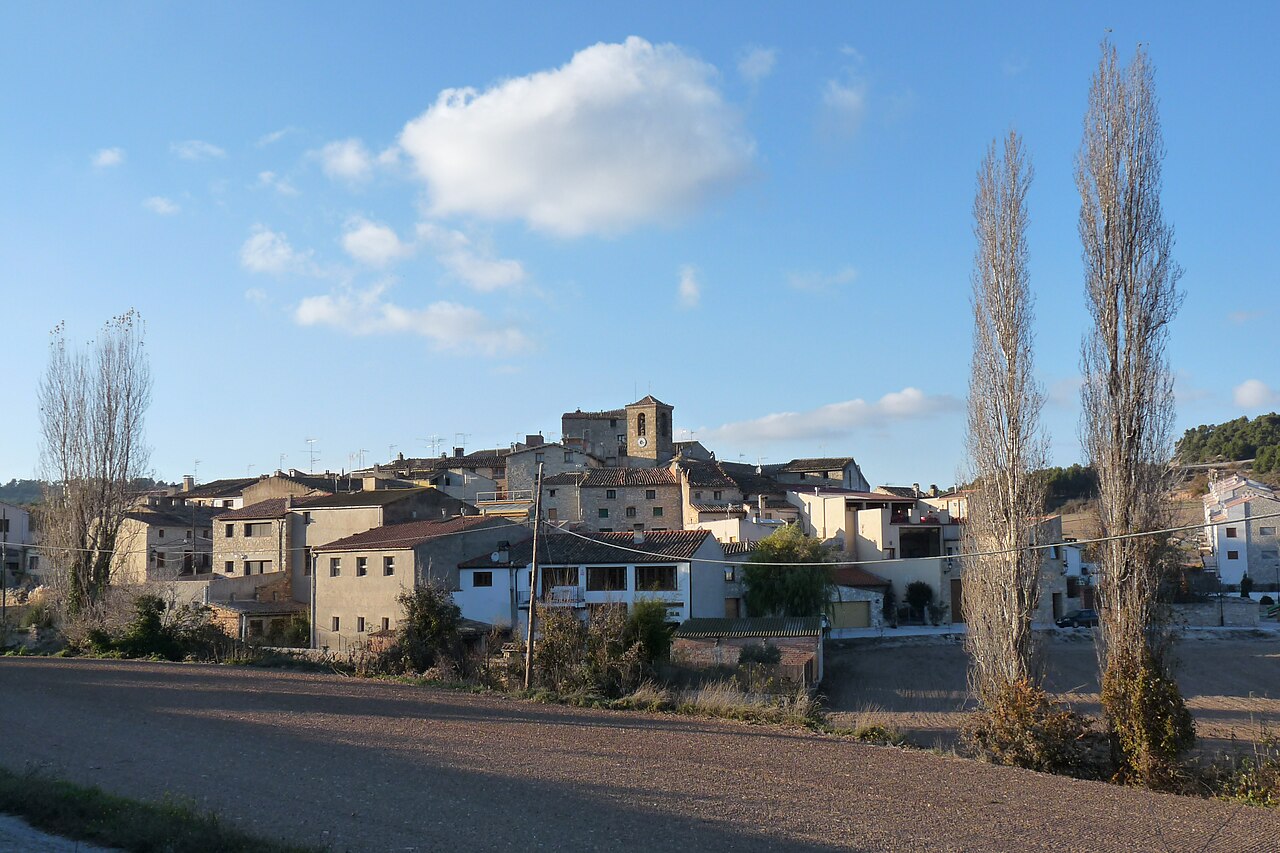
This small village in the comarca of Conca de Barberà, in Catalonia, remains closely tied to the land. Vineyards and cereal fields dominate the surrounding countryside, and the agricultural calendar still shapes much of daily life. The built-up area is compact. Stone houses line the streets, their ochre façades shifting with the light. In late afternoon they take on a warmer, almost orange tone; in winter, damp air darkens the walls.
There is little sense of performance here. The appeal lies in observing what is already there rather than seeking out set pieces.
Everyday Details in the Village Centre
The main square is more an open, simple space than a formal plaza, a place where the village briefly opens out. From here the parish church of Sant Joan Baptista is easy to spot. Built in the 16th century and altered over time, it does not dominate through sheer size but through position. Sooner or later, it appears at the end of a street.
A slow walk reveals small traces of daily use: iron grilles with worn paint, stone doorways polished smooth by years of hands and shoulders, corners where old washhouses or drinking troughs survive. They are not signposted or restored for effect. They remain because they are still part of the fabric of the place.
Now and then a metal warehouse door slams shut, or the engine of a tractor announces its return from the fields. These are ordinary sounds. Agricultural work continues to play a visible role in local life, and the boundary between village and farmland feels thin.
Paths Through the Vineyards
The landscape around Vilaverd carries as much weight as the village itself. Rural tracks leave from its edges, many of them unpaved, cutting across vineyard plots and small vegetable gardens. There are no formal viewpoints prepared for visitors, yet a short walk uphill along any of these paths is enough for the horizon to widen.
The slopes form an irregular mosaic of vines. Some rows are trained on metal structures; others sit lower to the ground, divided by dry stone walls. In spring, fresh green shoots brighten the fields. Autumn brings darker reds and ochres that take over the scene.
On clear days, the Prades mountains are visible in one direction. In the other, the agricultural plain stretches across the comarca. The contrast between enclosed village streets and open countryside becomes clear within minutes.
If arriving by car, it makes sense to leave it within the village and continue on foot. The tracks are narrow and tractors often use them. Walking also allows the gradual shift from stone façades to open fields to unfold at its own rhythm.
Montblanc, Close at Hand
Around ten kilometres away stands Montblanc, a much larger town with a clearly visible medieval ensemble. Its walls, cobbled streets and the church of Santa María create a marked contrast with the discretion of Vilaverd.
Many people pass through Vilaverd while travelling between towns in the comarca. The pairing works well. Vilaverd offers agricultural landscape and quiet; Montblanc presents a more monumental historic centre. The short distance between them makes it easy to experience both sides of the area within the same day, moving from modest village life to fortified streets and back again.
The Village Calendar
September often brings the bustle of the grape harvest, known locally as the vendimia. Trailers loaded with grapes fill the tracks, and the sweet scent of freshly pressed must lingers in the air. Activity increases noticeably in the surrounding fields during this period, and work sets the tone of the days.
The main annual festival, the fiesta mayor, usually takes place in August. Events are held in the square and the village takes on a livelier feel, particularly after dark. It is a moment when the quiet routines give way to gatherings and shared celebrations.
In January, around the feast of Sant Antoni Abad, a tradition common in many inland villages continues here: a bonfire and the blessing of animals. The ritual links present-day residents with long-standing rural customs and underlines the importance of animals in agricultural communities.
These moments do not transform Vilaverd into a festival destination. They punctuate the year and reflect the same close relationship with the land that defines the rest of it.
When to Pass Through
Vilaverd works best as a brief stop rather than a base for several days. The streets can be covered quickly. The real interest lies in stepping beyond them, following one of the paths out of the village and watching how the landscape shifts with light and season.
The best light arrives early in the morning or towards the end of the afternoon, when vineyard rows cast long shadows across pale soil. Summer midday brings strong sun and almost empty streets. Heat presses down and activity retreats indoors.
A weekday morning lends the village a different texture. Silence lasts a little longer, and the atmosphere feels closer to everyday life here. No itinerary is required. A short walk, a pause in the square, a glance towards the fields is often enough to understand what Vilaverd offers: continuity, routine and a landscape that quietly frames it all.