
Valencian Community: farmland, mountains, and 518 km of coast
Valencia's huerta: irrigation channels since the 10th century
The Water Tribunal meets every Thursday at noon outside the Apostles' Door of Valencia Cathedral to settle irrigation disputes — an oral justice system operating without interruption since at least 960 AD. Eight main channels (Quart, Benàger-Faitanar, Tormos, Mislata, Mestalla, Favara, Rascanya, and Rovella) distribute Turia river water to more than 17,000 farmland plots. The PDO Chufa de Valencia protects the cultivation of a tuber (Cyperus esculentus) used to make horchata; the 500 hectares of production lie between Alboraya and Almàssera.
Inland Castellón: Maestrazgo and Els Ports
The Els Ports massif, shared with Catalonia and Aragon, exceeds 1,300 metres at Tossal d'En Canader. Below it, Morella keeps 2 km of complete medieval wall with 14 towers, and its castle — at 1,070 m — overlooks a landscape of scattered farmsteads where winter black truffle (Tuber melanosporum) is harvested: Castellón province leads Spain in production with roughly 20 tonnes per year.
Alicante: salt, turrón, and palm groves
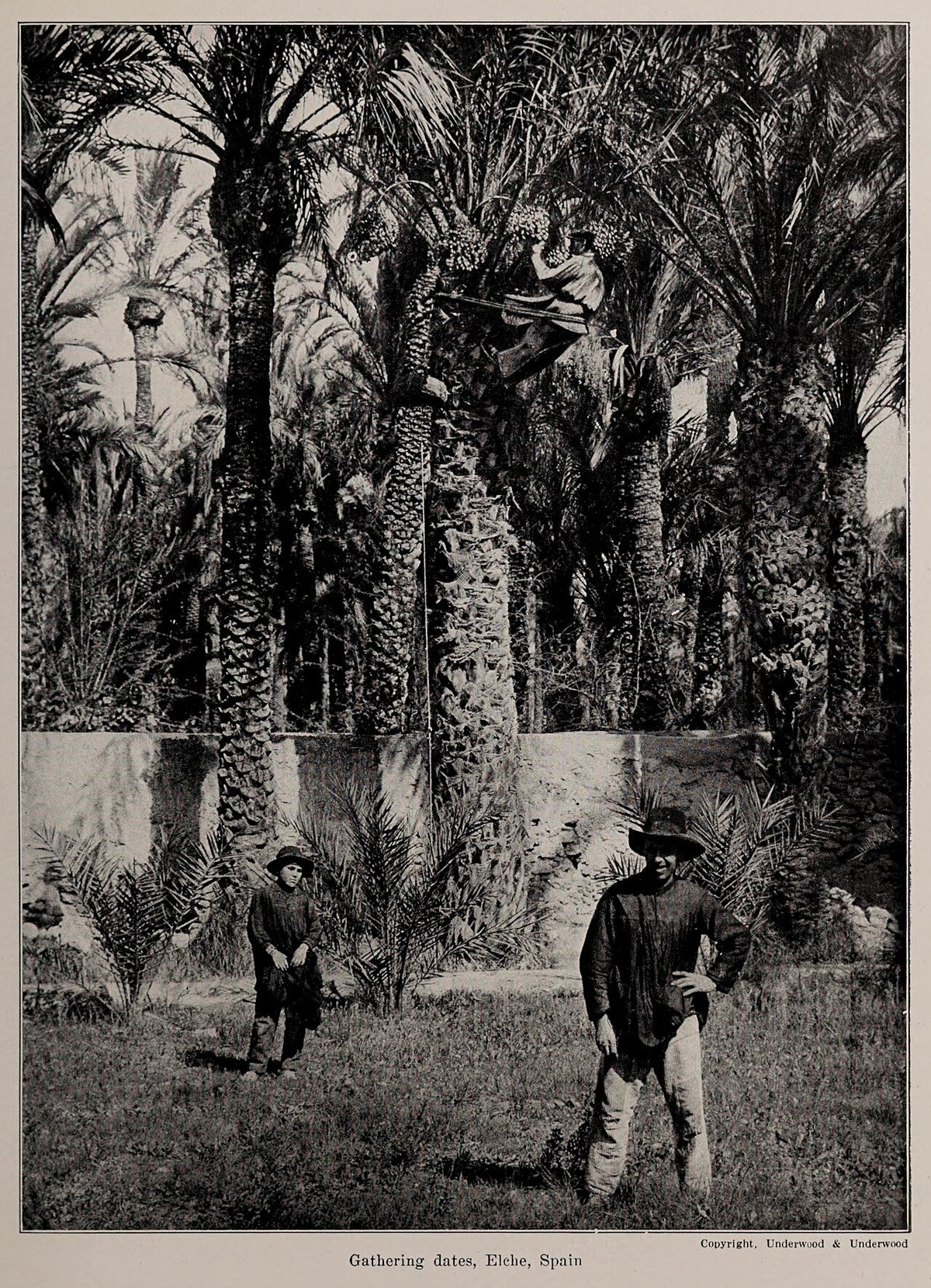
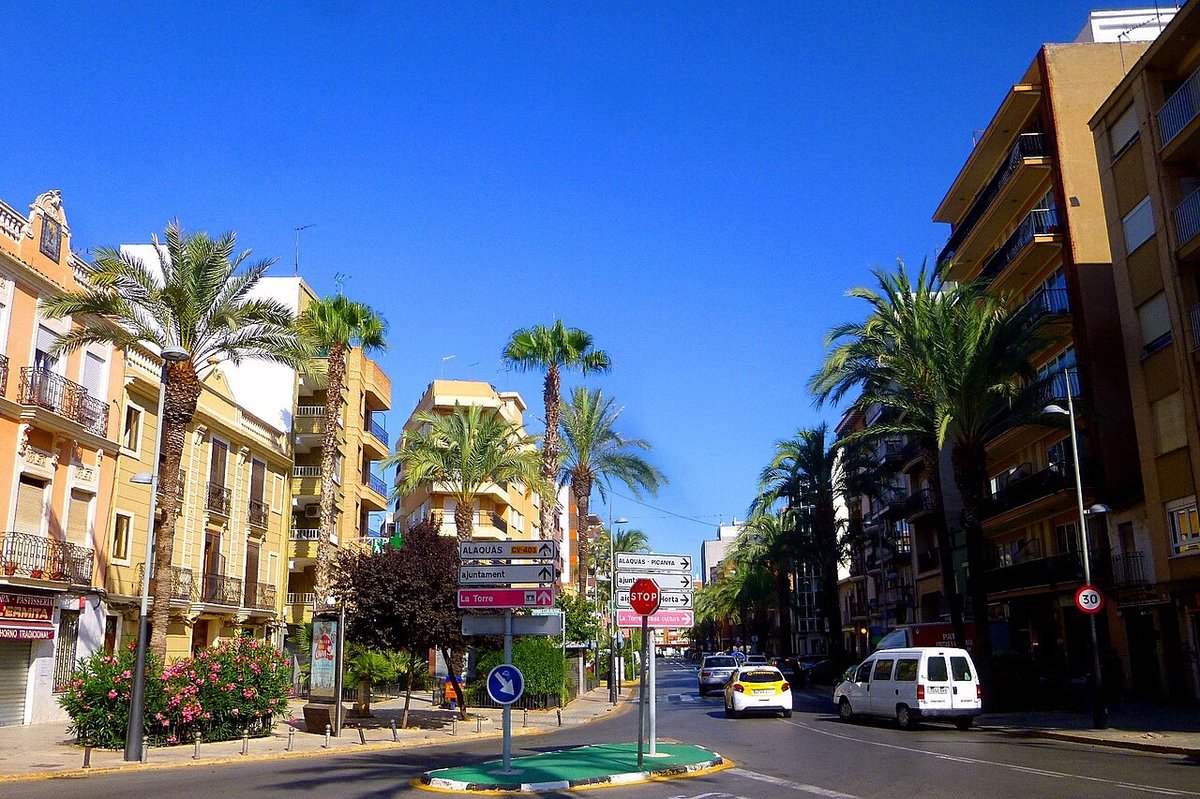
The Torrevieja and La Mata salt lakes form a pink lagoon of 1,400 hectares producing 600,000 tonnes of salt per year — the largest salt-harvesting operation in Europe. In Jijona, 24 factories make turrón de Jijona (PGI) and turrón de Alicante (PGI) from Mediterranean almonds and honey. The Palmeral de Elche — over 200,000 Phoenix dactylifera palms irrigated by a flood system of Arab origin — is Europe's largest palm grove and a World Heritage Site since 2000.