Full Article
about Agost
Town known for its pottery and ceramics tradition, set at the foot of the Sierra del Maigmó.
Ocultar artículo Leer artículo completo
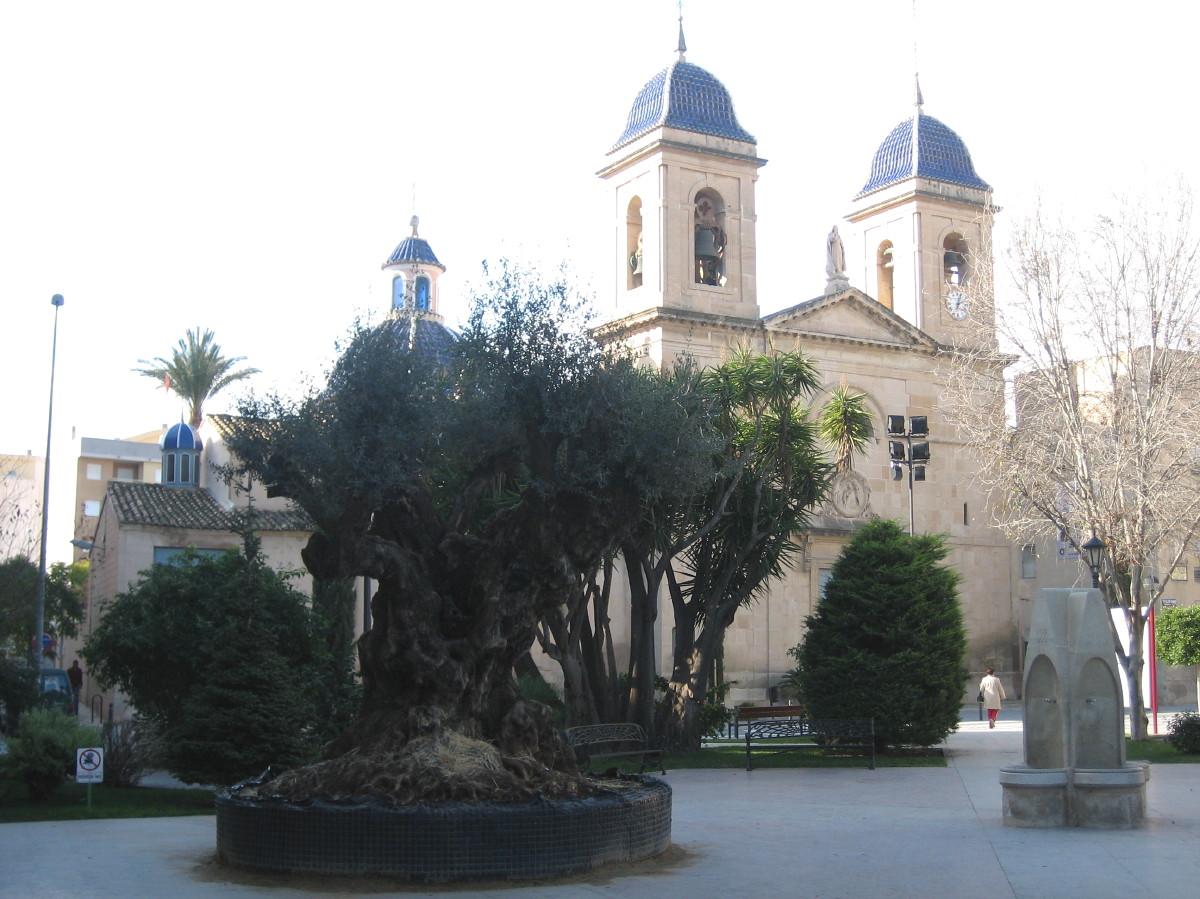
Agost wakes to the clack of a potter’s wheel and the low hum of a bread van. By seven the first kiln smoke drifts above the rooftops, mixing with the smell of toasted coca from the bakery on Maestre Bañuls. Nobody is posing for photos; they’re loading terracotta cazuelas onto a lorry bound for a restaurant in Benidorm. If you arrive before the museum opens you’ll see it—real work, not a heritage demo.
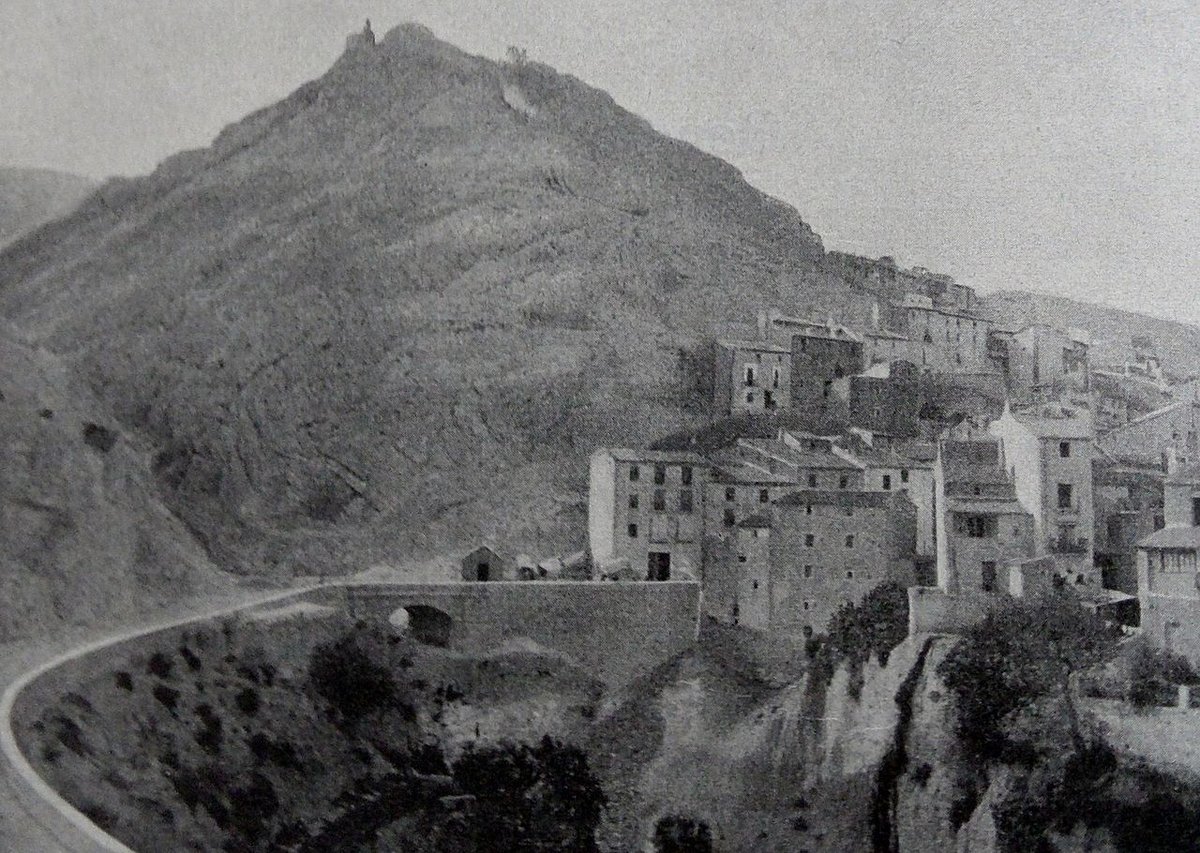
The village sits 376 m up in the Alacantí hills, 22 km inland from Alicante airport. From the AP-7 it looks industrial: two brickwork chimneys, warehouses, ochre spoil heaps. Guidebooks that promise “white-washed hill-town charm” miss the point. Agost trades in clay, not postcards, and has done since Iberian times. The surrounding soil is so iron-rich it glows rust-red against the pine scrub; dig half a metre anywhere and you hit the stuff. That geology shaped the economy, the architecture and, indirectly, the lunch menu—local lamb is roasted in clay dishes thrown a five-minute walk from the restaurant.
A working pottery, not a pottery theme park
The Museo de Alfarería occupies a 1900 townhouse on Calle Principal. Inside, one room is stacked with bulbous cántaros big enough to bath a toddler; another displays 14th-century irrigation pipes that still carry water when farmers dig them up. Captions are almost exclusively in Valencian, but the curator hands out a two-page English crib sheet and then leaves you to it. Admission is free; donations go straight to replacing cracked display stands. Tuesday to Saturday it opens 10-14:00 and 17-19:00. Turn up on Monday and every door is bolted—potters rest, bars close early, even the parish priest seems to vanish.
Opposite the museum, Taller Gil has been family-run since 1890. Inside, three generations work simultaneously: grandfather trims rims, father loads the 800 °C kiln, daughter glazes modernist vases for a Valencia design shop. They sell seconds at the back—slightly wobbly tapas dishes for €3 each, still warm from the kiln. A full-size tinaja for fermenting wine costs €80; the cheapest EasyJet fare is more, so plenty of visitors buy one and arrange freight. Ask nicely and they’ll let you throw a small bowl on the electric wheel; expect gentle mockery when it collapses.
Several workshops run formal classes (€25 for two hours, clay and first firing included) but you must book the previous day—WhatsApp works better than email. English is limited; “slower, please” in Spanish is “más despacio, por favor” and earns immediate sympathy.
Two wheels good, four wheels bad
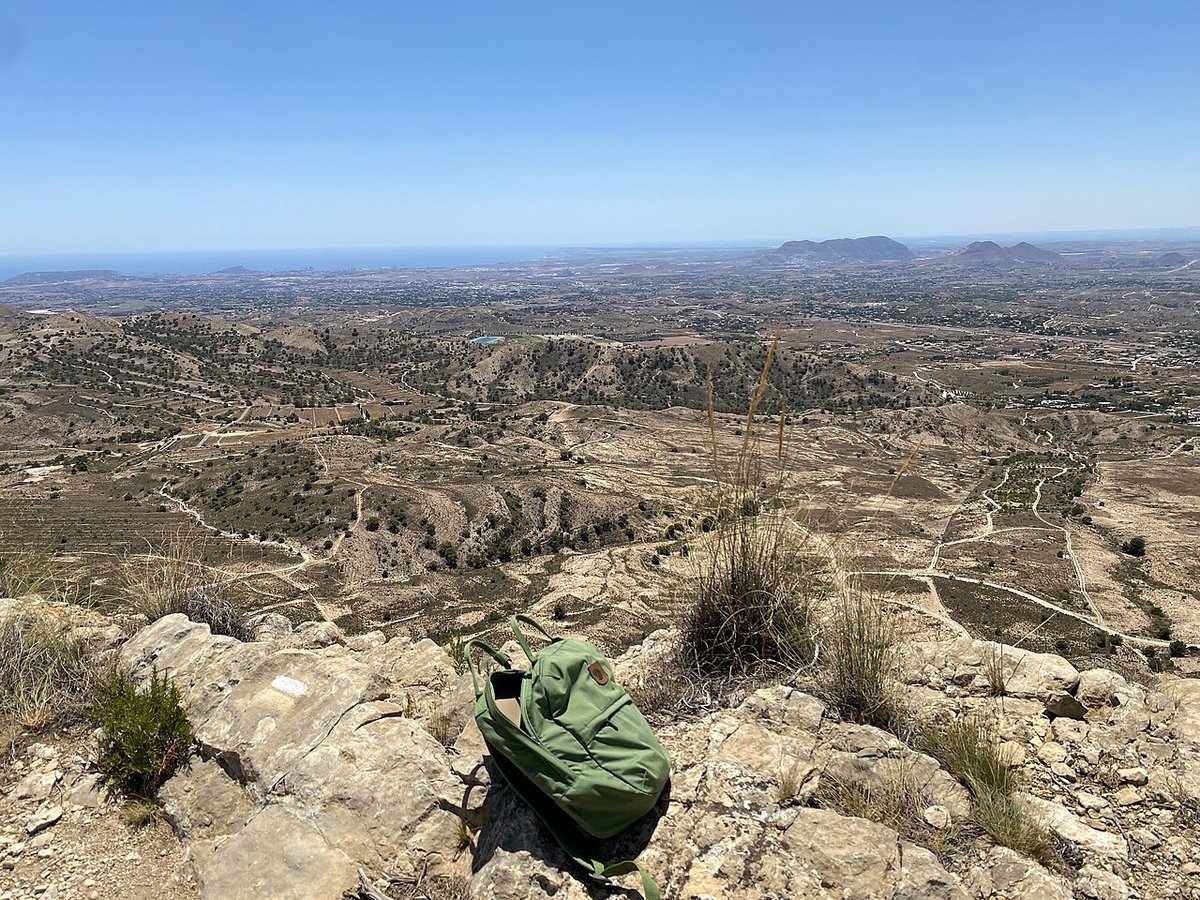
Agost’s other draw is motion, not craft. The Maigmó railway closed in 1973 and the track bed became a Vía Verde, a 22-km green-way that switchbacks through three tunnels and across four iron bridges to the plateau at Maigmó pass. Surface is compacted limestone; gradients never exceed 3 %. Hire bikes in Alicante (cycle shop behind the bus station, €18 a day including helmet) and Vectalia’s line 31 drops you, bike rack full, at the Agost entrance in 35 minutes. From there it’s traffic-free all the way—you freewheel through 400 m of unlit tunnel, headtorch handy, emerging onto viaducts with views across the coastal plain as far as Tabarca island. British families rate it “sweat-free mountain biking”; serious road cyclists use it as a warm-up for the 1,000-m climb to the pass itself. Take two litres of water in summer—shade is scarce and the limestone reflects heat like a pizza oven.
Altitude, almonds and afternoon shut-down
Because of the height, Agost is 4-5 °C cooler than the coast. That matters in July when Alicante hits 38 °C and the village still reaches 33 °C. Shops and workshops reopen at 17:00; between 14:00 and 17:00 the only movement is the baker delivering coca to bars and the odd dog following smells. Plan accordingly: cycle early, pottery late.
Spring brings almond blossom so abrupt the hills look snow-dusted overnight. Farmers prune at dawn; the clipped branches are bundled and sold as smoking chips to local asadores, flavouring the lamb you eat at weekends. Autumn is grape and mushroom season; the village cooperative presses Monastrell behind the petrol station, and if you ask for a litre “para llevar” they rinse out a plastic water bottle and charge €2.
What to eat when the chimneys cool
Casa Chato, on the corner of the tree-lined Rambla, serves lechal (milk-fed lamb) roasted in a wood-fired clay oven built 1947. Half a kilo costs €22 and feeds two easily; chips arrive piled like Jenga blocks. Vegetarians get tortilla del Sacromonte, thick as a doorstep, or gazpacho manchego—note this is pastry strips stewed with game, not the cold tomato soup Brits expect. House wine comes from Bodegas Bocopa in Alicante; it’s softer than Rioja, more Grenache-heavy, and the waiter tops your glass until you place a hand over it.
Bar El Parque opens onto a small square where old men play dominoes with pottery tiles instead of plastic. Ask for a tostada de tomate y jamón and they swap the ham for local goat’s cheese without fuss; tapas are free if you order beer before 20:00. Breakfast coca—oval flatbread brushed with olive oil and sugar—costs €1.20 and is best eaten while the crust is still crackling.
Crowds, quiet and the Monday risk
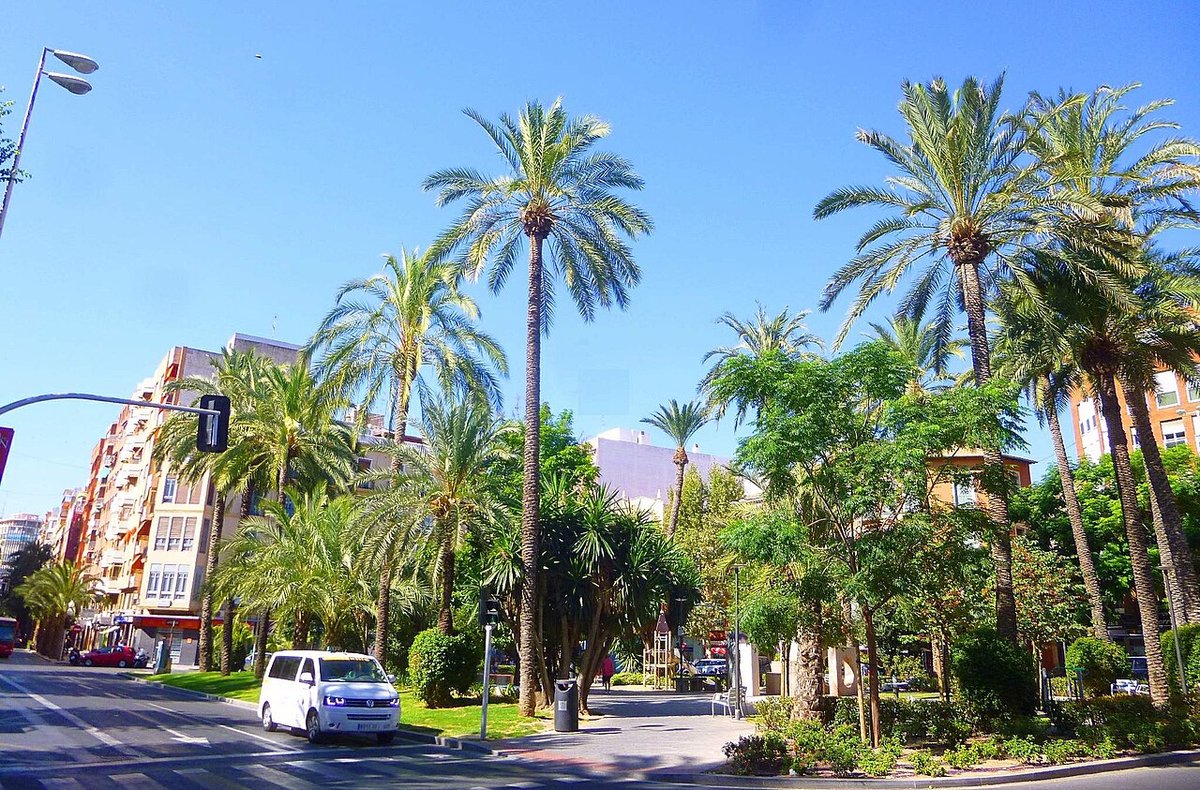
Apart from the August pottery fair (dates vary, usually first weekend) Agost rarely feels crowded. Even then visitor numbers top out at perhaps 800—Alicante’s beachfront eats that many at lunch. The real choke-point is language: very little English is spoken. Download Spanish offline in Google Translate; a phone held sideways to the kiln operator usually elicits a grin and a torrent of technical terms you still won’t understand, but the clay demo becomes clearer.
Monday closure is the single biggest trip-wrecker. Arrive on a Monday and you will photograph a locked museum, eat a sandwich from the only garage, and leave wondering what the fuss is about. Time the visit for Tuesday morning, add a bike ride and a pottery class, and the place makes sense: an inland village that happens to export half its culture in terracotta form.
Getting there, getting out
Bus 31 from Alicante Estación de Autobuses, bay 9, hourly except Sundays when it’s every two. Single fare €2.45, journey 35 min. By car take the A-31 inland, exit 75, follow signs for “Agost Centro”; parking on Avenida de la Constitución is free and rarely full. If you insist on pairing the trip with a beach, head to Alicante’s Playa de San Juan after 17:00 when Spanish offices close and parking spaces free up. Better still, stay the night—Hostal Les Monges Palace in the old centre has doubles for €55 including breakfast coca, and the evening quiet is complete except for the occasional clatter of a kiln lid settling into place.
Agost won’t change your life, but it might change the way you look at the everyday objects on a Spanish table. That gravy dish holding your alioli probably began life as red dust on a hillside behind the very bar you’re sitting in. Drink the wine, mop the plate, and listen: somewhere up the street a wheel is still turning.