Full Article
about Aigües
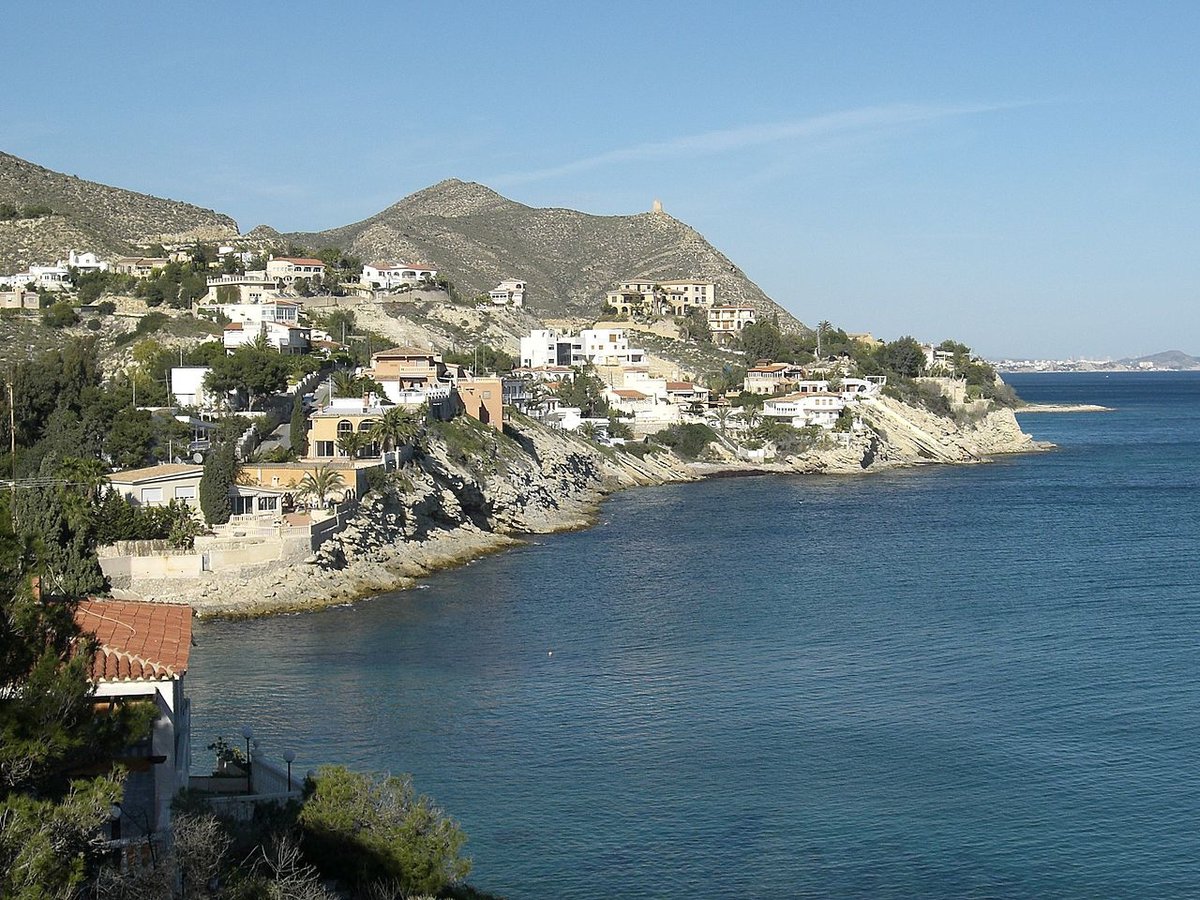
Residential municipality known for its old spa and medicinal waters; it offers panoramic sea views.
Hide article Read full article
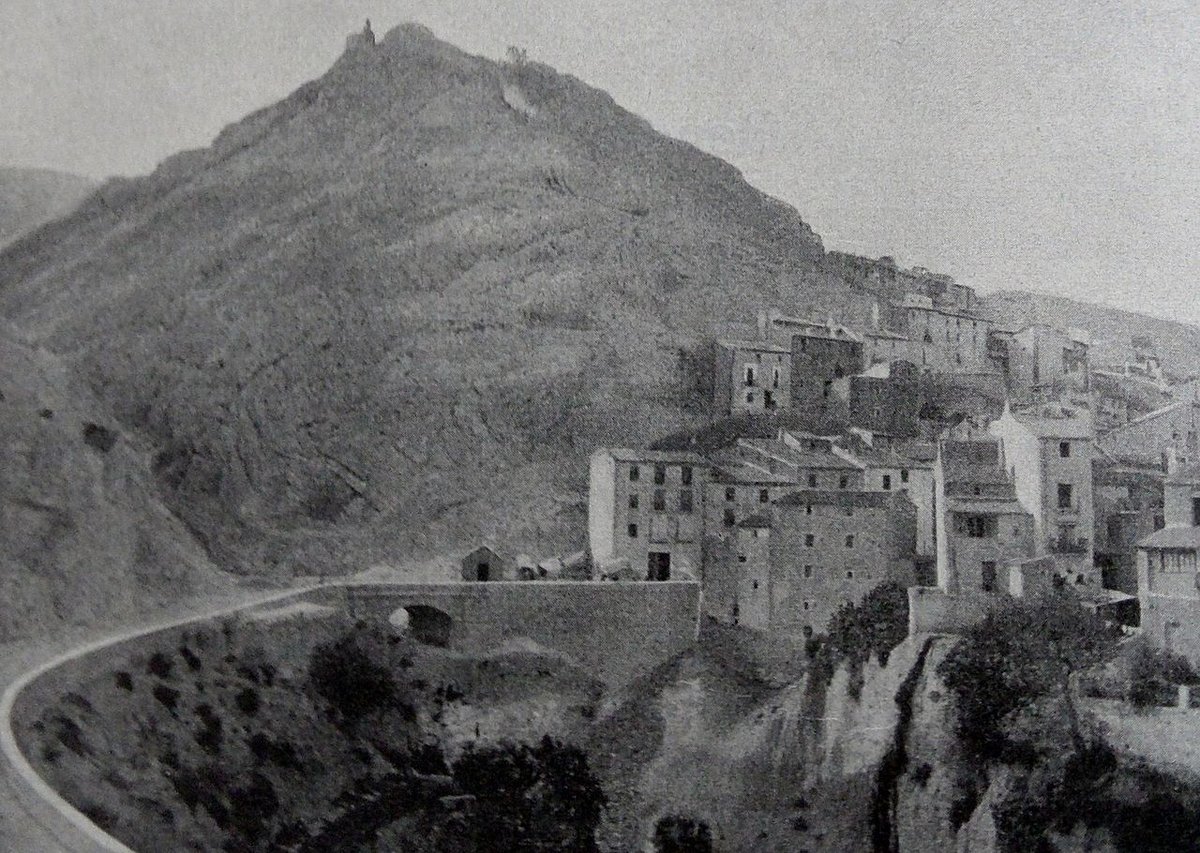
By mid-morning in a street in Aigües, sunlight filters through pine branches and scatters across the stones of the square. At that hour, hardly anyone passes by. There is the soft brush of a cat slipping along a whitewashed wall, the brief call of a thrush, and from time to time the distant sound of a car climbing up from the coast. Here, at the foot of the Cabeçó d’Or and just a few kilometres from the Mediterranean, the pace slows down.
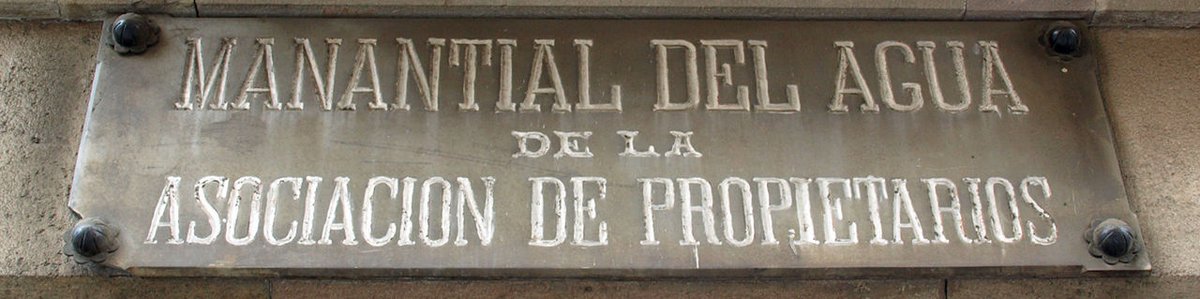
Water, which gave the village its name, is still present in fountains, reservoirs and old washhouses that recall a time when every drop had a clear purpose. Though the sea is close, the atmosphere feels more inland, with dry light and the scent of resin in the air.
Aigües has around 1,200 inhabitants today. The old centre is small and easy to explore without hurry, its streets rising and dipping gently along the hillside. Many houses retain thick walls and wrought-iron balconies; others have been renovated yet keep the blend of chalky white and sandy tones that reflect the sharp light of Alicante’s interior.
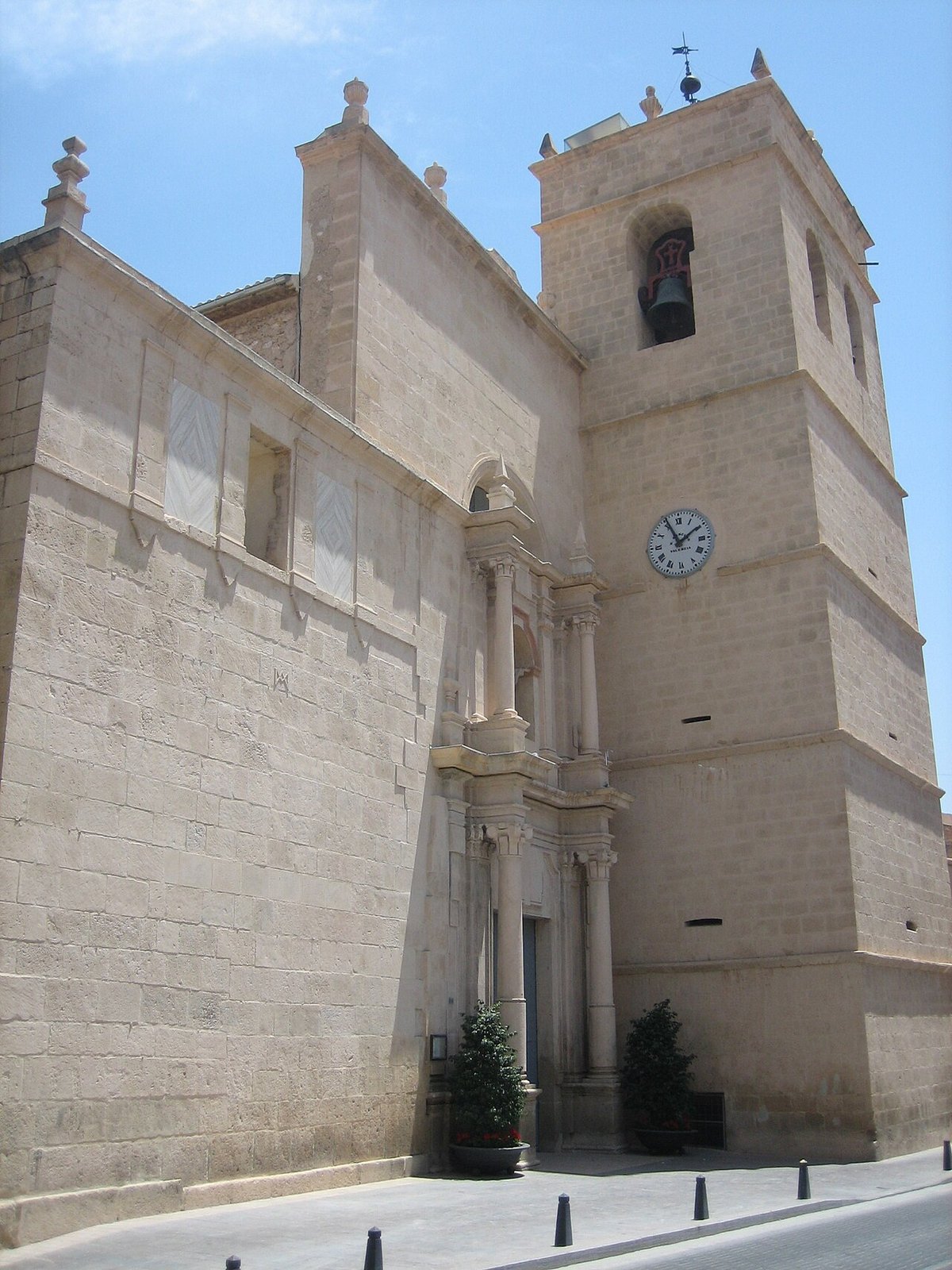
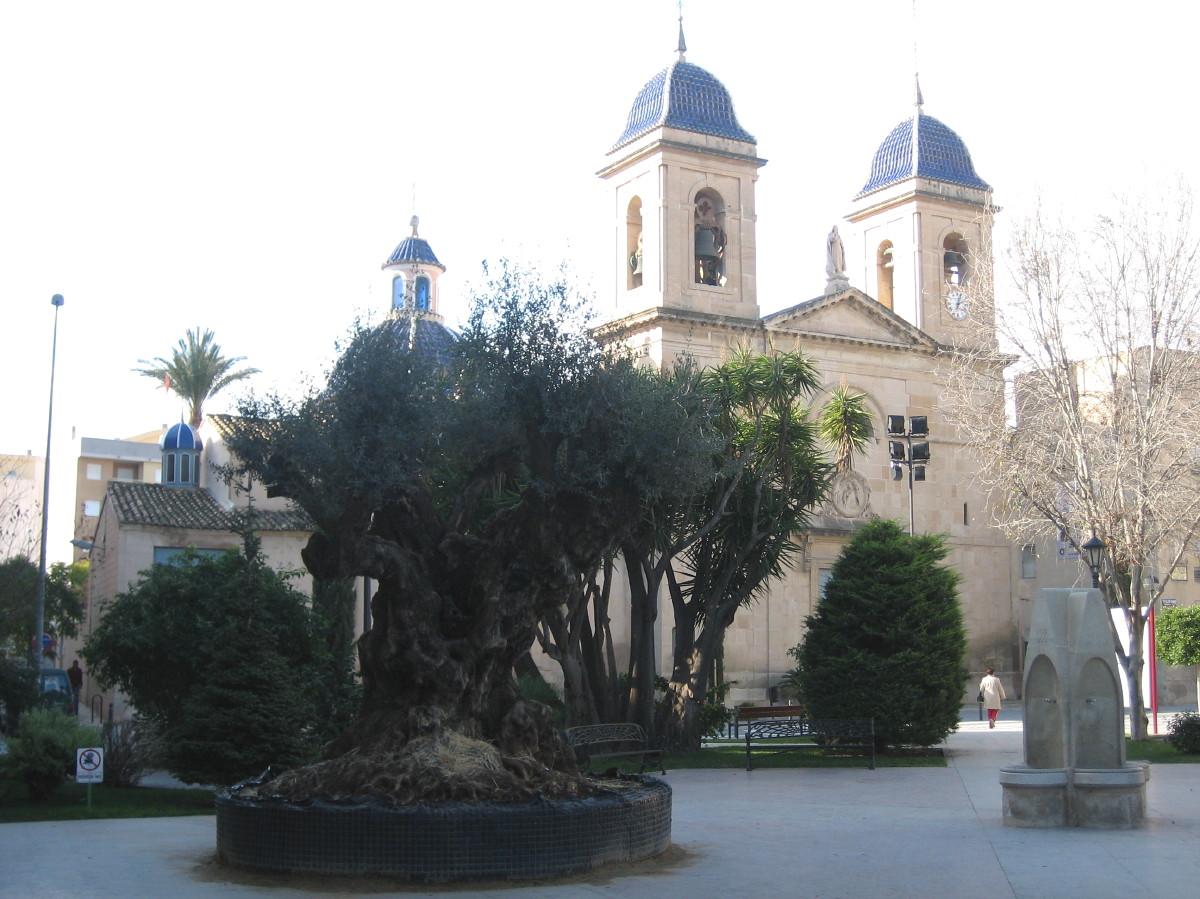
At the centre stands the parish church dedicated to San José. Built several centuries ago and altered over time, it remains the village’s main reference point. Most streets lead away from it, and so do the long conversations that stretch into the shade when the heat intensifies.
One of the places where the past is most tangible is the old washhouse. It is modest in size: a long basin, stone edges worn smooth, and a steady thread of water when the fountain is flowing. Some residents still recall how mornings revolved around this space, with laundry, local news and hands plunged into cold water even in winter. Today people tend to pass by quickly, yet if you pause for a moment there are small details to notice: water tapping against stone, wind moving through nearby pines, a rooster calling from a neighbouring house.
Paths Through Pine Forests and Springs
The countryside begins almost at the last street. Within minutes, asphalt gives way to dirt tracks that cross open pinewoods, abandoned terraces and hillsides where rosemary and thyme release their scent in the heat.
Several springs are scattered across the municipality. Some are signposted, others simply known to local people. Traditionally they were used to water livestock or to collect water. The Font de la Mata and the Font de Pinetells are often mentioned when talking about gentle walks in the area. Their flow is not constant throughout the year, which is typical in this climate.
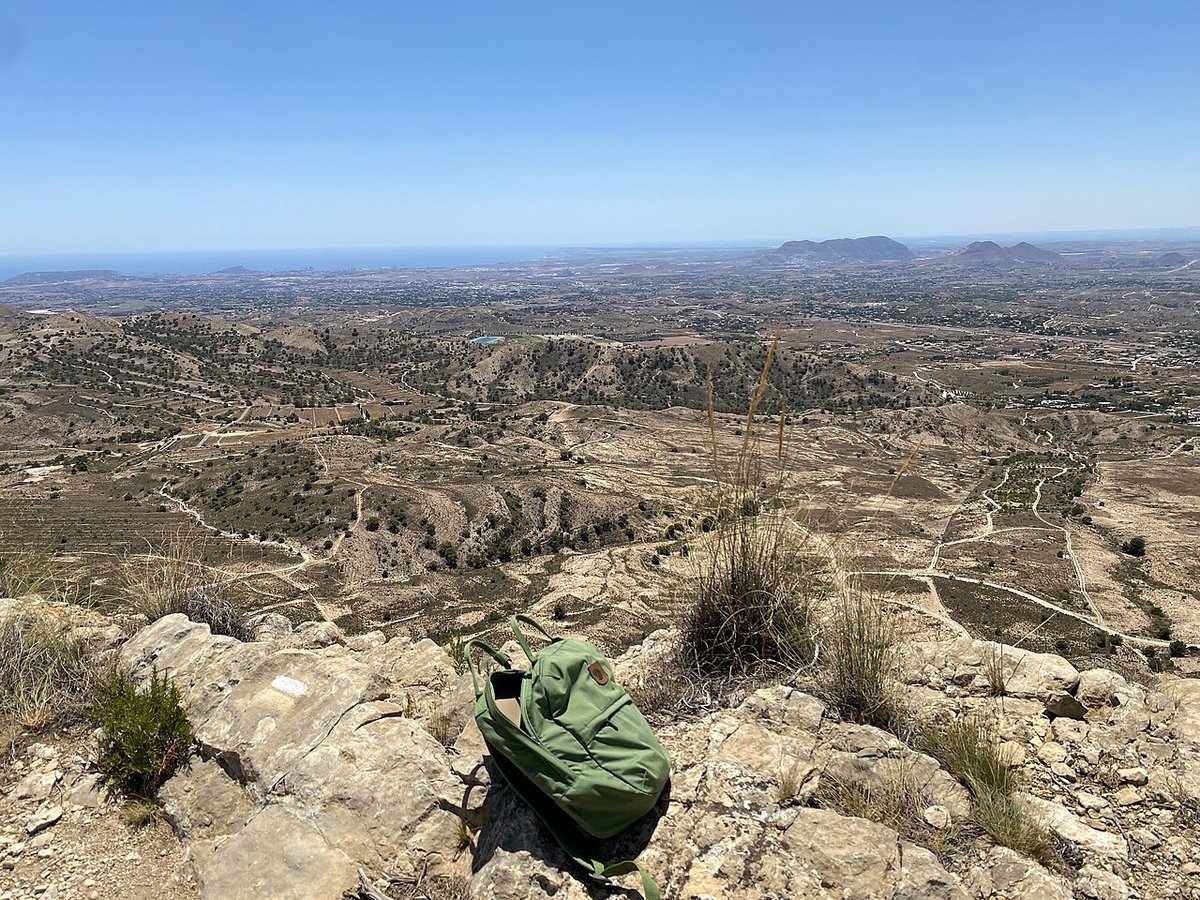
Footpaths also leave directly from the village towards the surroundings of the Cabeçó d’Or, a prominent mountain that dominates the skyline. There is no need to plan long routes to appreciate the landscape. After about an hour on foot, wide views open up towards the coast on one side and towards the dry inland relief on the other. In summer it is wise to set out early. By midday the sun falls almost vertically and shade is scarce.
The terrain reflects a long history of cultivation and abandonment. Terraces once worked for almonds or other crops now lie open to grasses for much of the year. Pine trees have reclaimed parts of the slopes, and the silence is broken mainly by wind and birds.
Evening Light on the Slopes
As the day declines, colours shift. Pinewoods darken and the abandoned terraces, covered in dry grass for much of the year, take on a golden tone that lasts only a few minutes.
At this time it is not unusual to see a bird of prey circling above the hillsides or to hear the movement of wild boar in denser parts of the mountains. They do not always show themselves, yet their presence is clear. Aigües sits close enough to the coast for an easy drive down, and far enough away for the mountains to retain a sense of quiet.
The transition between sea and interior is part of the village’s character. Coastal traffic can occasionally be heard in the distance, but it never dominates. As evening settles, voices carry further in the streets and the air cools slightly after the intensity of the afternoon sun.
Simple Food and Local Produce
Aigües does not have a wide range of places to eat, and that too shapes its identity. In some rural houses and small establishments in the area, cooking remains closely tied to local produce. Olive oil from nearby plots, artisanal cured meats, and sweets made with almonds or honey appear especially during family celebrations or feast days.
At weekends, when those with second homes or family connections return, the square regains some movement. Conversations turn to long-awaited rain, the almond harvest, or whether this year will bring good mushrooms in the damper parts of the sierra.
Food here is less about display and more about continuity. Recipes circulate within families, often linked to particular moments in the year. Almonds, so present in the surrounding fields, find their way into desserts. Honey adds sweetness that reflects the dry hills where bees forage among rosemary and thyme.
Festive Dates in the Calendar
The main celebrations remain linked to the religious calendar, something common in many small Spanish villages. Around San José in March, Aigües organises events that combine processions, gatherings among neighbours and shared meals.
In August, during the summer festivities connected to the Virgen de la Asunción, the atmosphere shifts. There are more people in the streets, music at night and long tables set up in the square. These are days when the population grows and the rhythm changes, at least briefly.
It is not unusual during these celebrations for small activities related to local produce or cooking to appear, although they tend to be informal in character. The emphasis is on participation rather than spectacle.
Getting There and Choosing the Moment
From Alicante, Aigües is around a twenty-minute drive. The usual route follows the CV‑800 towards Xixona, before turning onto local roads that wind between scattered housing developments and former almond fields.
Spring and autumn are generally the most pleasant seasons to visit, when temperatures are milder and walking is more comfortable. Summer brings intense heat, especially in the middle of the day, while rainfall at other times of year can affect the flow of springs and fountains.
Aigües does not rely on grand monuments or a packed itinerary. Its appeal lies in small-scale details: water running through a stone basin, pine needles shifting in the breeze, the outline of the Cabeçó d’Or against a pale sky. Close to the Mediterranean yet oriented towards the hills, it offers a slower rhythm shaped by light, landscape and the steady memory of water.