Full Article
about Alicante
Bright, dynamic provincial capital; known for its seafront castle and lively urban life.
Hide article Read full article
Morning light by the water
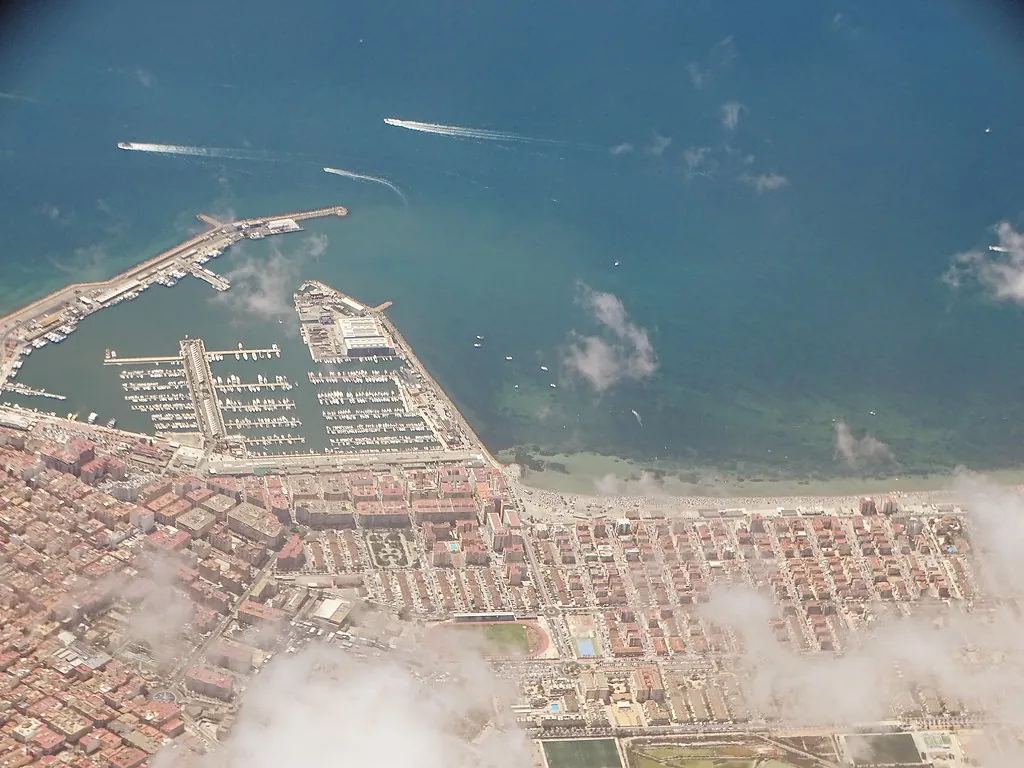
By eight in the morning, near the Explanada, the sun is already warming the pale paving stones of the promenade. Street cleaners pass with water and soap, leaving behind a scent that mixes salt air with fresh coffee drifting out from nearby bars. A fisherman or two heads slowly back towards the marina, damp crates in hand, gulls circling overhead.
Tourism in Alicante often begins like this, with the city still half asleep and the Mediterranean lying flat and quiet, like a sheet of metal. There is a sense that the day has not fully started yet, even though the light is already strong and clear.
A city that climbs
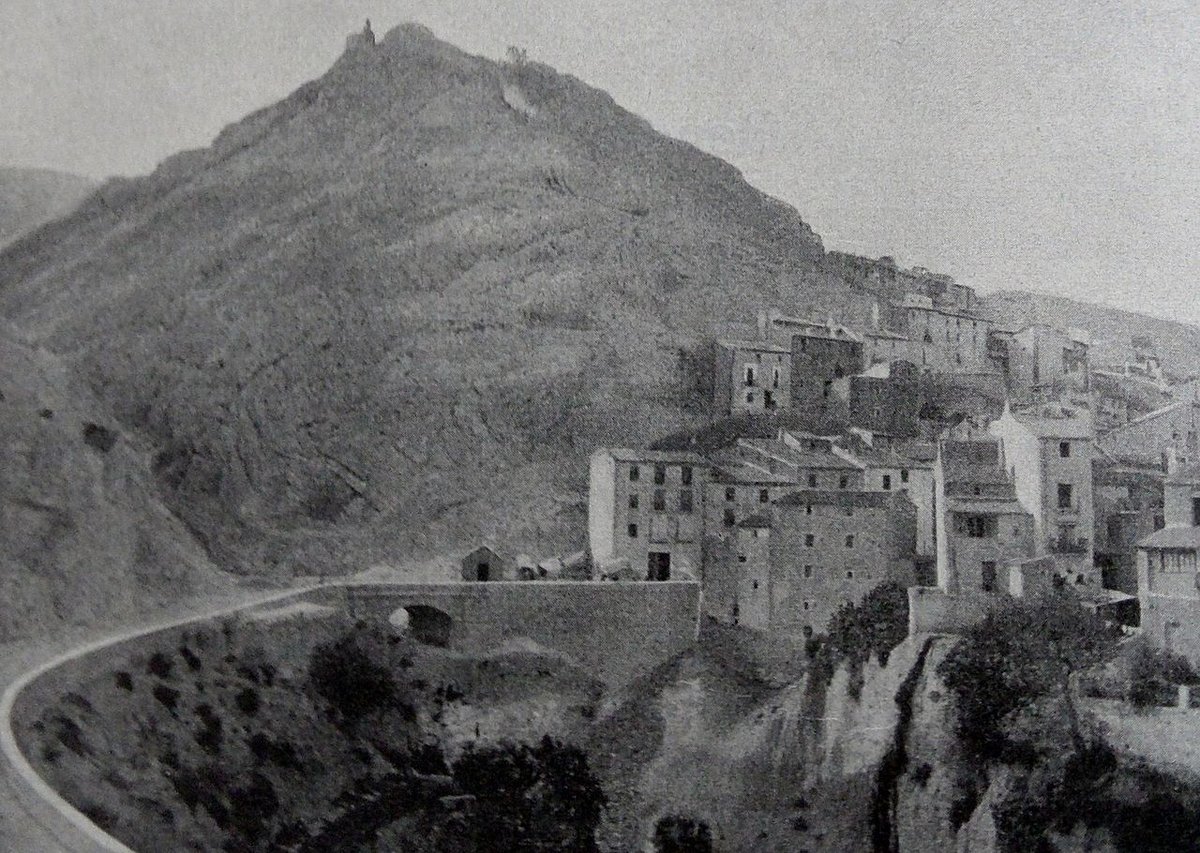
From the port, the old town rises towards the Castillo de Santa Bárbara along streets that coil over one another. Iron lampposts line the way, and whitewashed walls hold onto a trace of the night’s coolness. Flowerpots hang above doorways, geraniums holding out even through the heat of August.
In the Santa Cruz neighbourhood, the stairways are narrow and steep. By late afternoon, many doorways carry the scent of jasmine. During the Cruces de Mayo festival, the area changes pace. Residents set up altars decorated with flowers and fabrics, music carries through the streets, and doors stay open longer than usual. Once the festival passes, everything settles back into its slower rhythm: cats stretched out on steps, a neighbour watering plants midway through the morning.
Walking up to the castle is one of the clearest ways to understand Alicante. The path from the Parque de la Ereta winds beneath Aleppo pines, which release a resinous scent typical of this stretch of coast when the heat builds. With each bend, another piece of the bay comes into view. First Playa del Postiguet appears, then Cabo de las Huertas, and on clear days the low outline of Tabarca sits on the horizon. The climb can take around half an hour if taken at an easy pace, with pauses to look back.
Early in the morning, the stone of the castle still holds the night’s cool. Walking along the walls then feels unhurried, almost quiet.
The taste of the sea
The Mercado Central remains one of the places where the city’s way of eating is easiest to grasp. The building dates from the early twentieth century and combines iron, tile and glass. Inside, the air shifts from one aisle to the next: fish, citrus fruits, olives split and dressed, freshly baked bread.
Fishmongers still call out their produce. You will often hear “peix de llotja”, referring to fish that passed through the port auction that very morning. At stalls selling cured products, esgarraet appears: shredded salt cod with roasted red pepper and olive oil. It is the kind of dish eaten with bread, often using your hands rather than cutlery.
Rice dishes here have their own character. Many kitchens prepare them in clay pots, using a dark stock made from rock fish and ñora, a small dried pepper typical of the region. Sometimes seafood is added, sometimes just fish and potato. The usual scene is a pot arriving at the table still bubbling, carrying a deep aroma that blends the sea with the slow-cooked base of the dish.
Tabarca on the horizon
Around eleven miles from the port lies Tabarca, a low line of stone surrounded by clear water. The boat journey takes roughly an hour. When the sea is calm, the crossing becomes a gradual shift in perspective, with the city shrinking behind.
There are no cars on the island. Within the walls, streets run straight between houses with pale façades and doors painted in blue or green tones. Beyond this small built area, the landscape opens into rock and small coves where the water is often very transparent. When the sun is high, fish can be seen moving between the stones.
The island’s best-known dish is caldero, also called arroz tabarquino, made with rock fish and ñora. Each household prepares it with slight variations, though the result tends to be a strong, sea-scented broth from the first spoonful.
It is worth staying until late afternoon if possible. Once the last boat leaves, the quiet returns quickly and the sound of the wind begins to carry along the walls.
When to go, and when to step aside
June brings the Hogueras de San Juan. For several days, the city fills with large structures made of wood and cardboard that will be burned on the night of the 24th. Music plays, fireworks and firecrackers go off at all hours, and many streets are closed to traffic. Some people prefer to be in the middle of it all. Those looking for a quieter experience tend to head towards neighbourhoods further from the centre during these days.
October often still feels like beach season. The water at Postiguet retains the summer’s warmth, and around midday it is common to see people coming out of the sea with a towel over their shoulder.
January shifts the tone. Days of easterly wind arrive, the light becomes sharper, and the seafront is almost empty in the morning. A different Alicante comes into view then: residents walking their dogs, retirees reading newspapers on benches, long conversations unfolding at sunlit tables.
One small detail often goes unnoticed. On the steps of the Town Hall lies the “Cota Cero”, the point from which altitudes in Spain have traditionally been measured. It is just another worn step, shaped by countless footsteps, yet many pause there briefly before continuing on towards either the castle or the sea. In Alicante, most paths seem to lead to one or the other.