Full Article
about Busot
Town at the foot of Cabeçó d'Or, famous for the spectacular Cuevas del Canelobre.
Hide article Read full article
A short climb from the coast
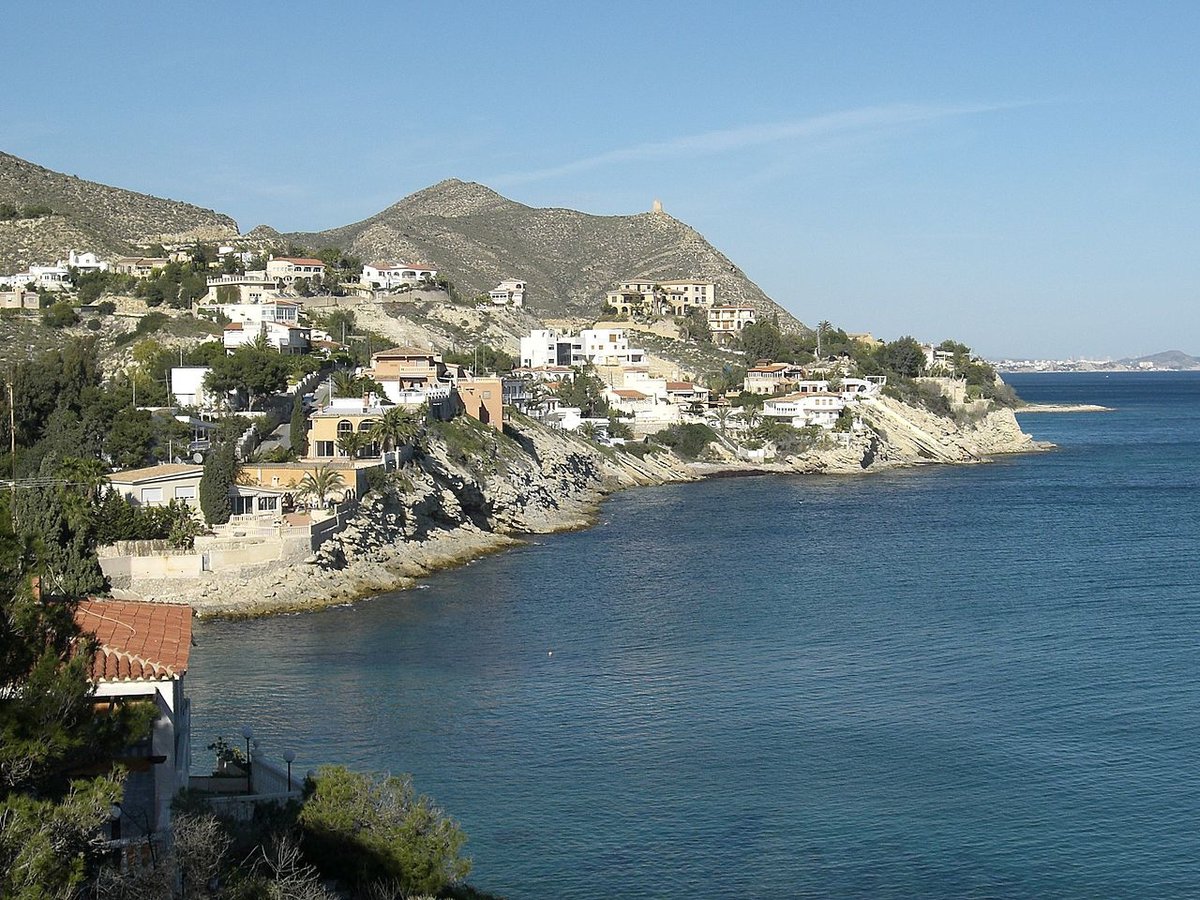
Busot sits about half an hour from Alicante. The shift is noticeable as soon as the road starts to climb away from the sea. There is a bit more air, a bit less heat. It is not high mountain terrain, but the difference is enough to feel welcome, especially in warmer months.
Parking is usually straightforward. There are spaces at the entrance to the village and some areas near the town hall. During festivals it gets busier and finding a spot takes more patience. The old centre is compact but not entirely flat. The streets rise in short, steady slopes. Anyone with a pushchair or small children will end up pushing uphill at some point.
A village that keeps things simple
The historic centre does not take long to explore. Ten minutes if you walk straight through, a little longer if you pause here and there. Narrow lanes, closely packed houses, and very little in the way of grand statements.
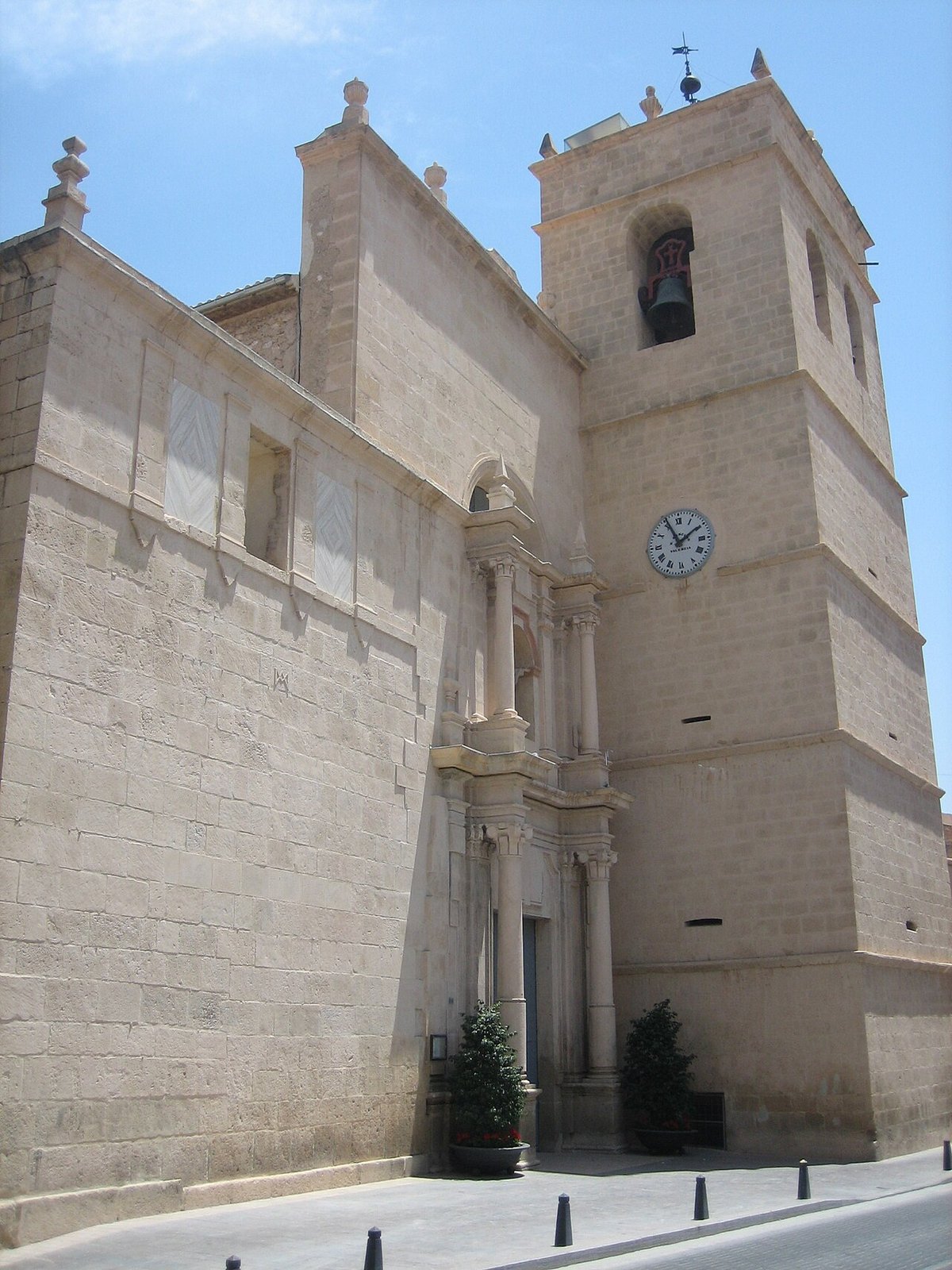
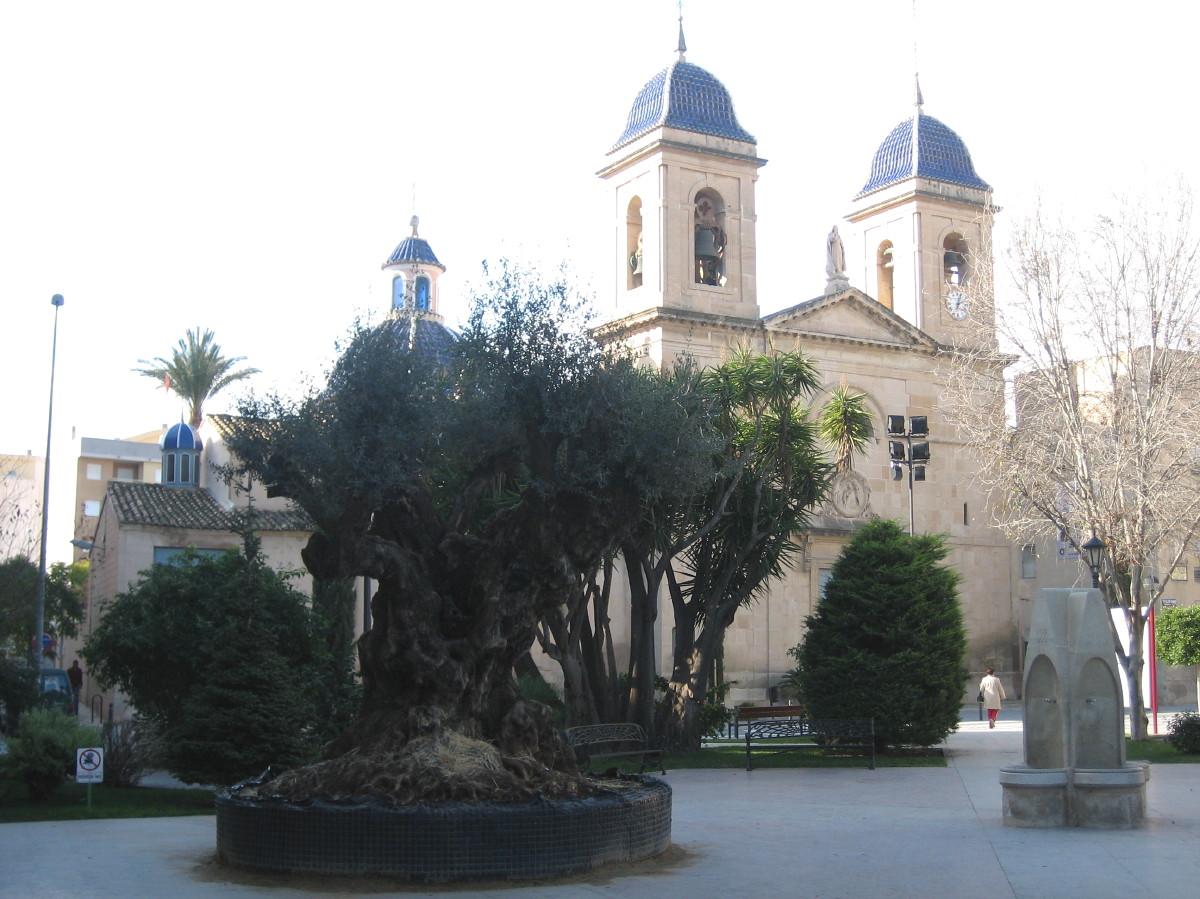
The Iglesia de San Lorenzo dates back to the 16th century. Its façade is restrained, and the interior follows the same line. It is the kind of place you step into briefly rather than linger in for long.
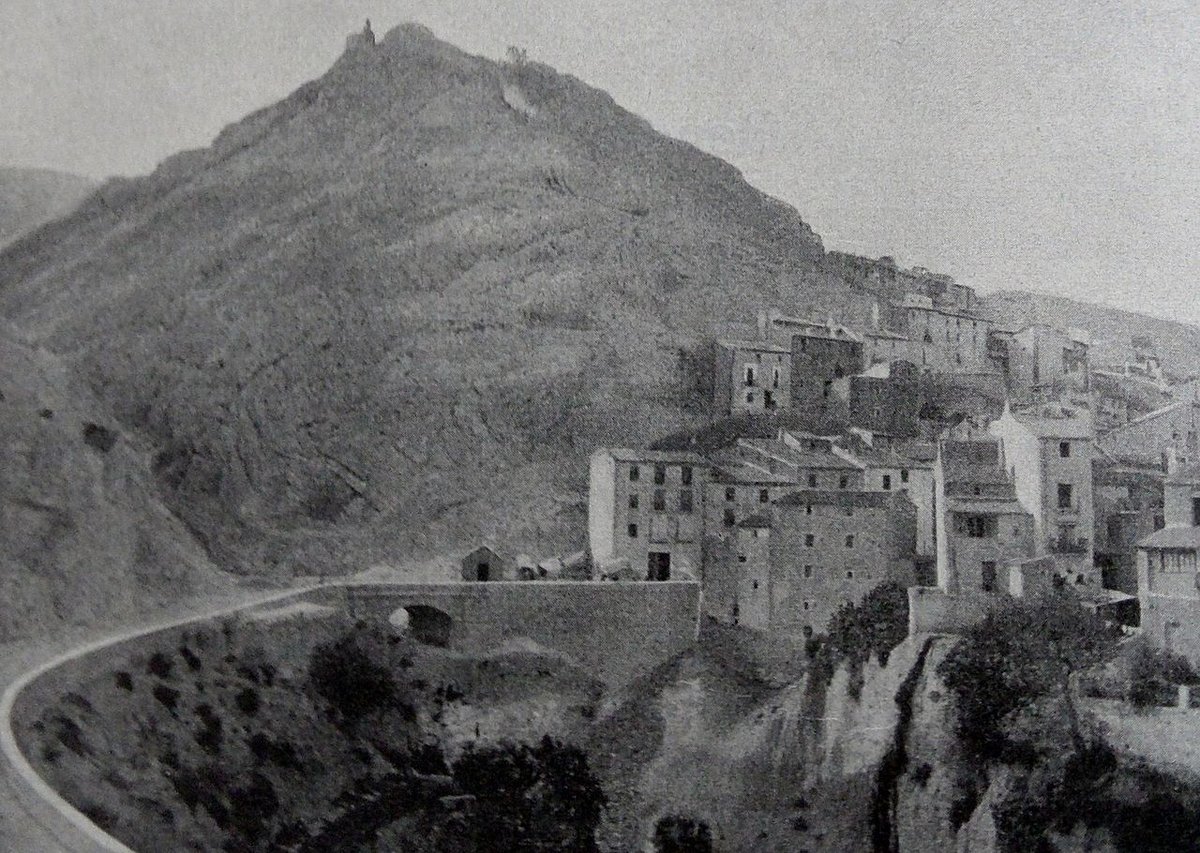
Above the village sit the remains of the castle. Its origins are Islamic, though what stands today is a mix of surviving sections and some reconstruction. The walk up is short and manageable. The real reward is the view. On clear days, the Mediterranean appears in the distance, giving some context to just how close the coast still is.
The caves that changed everything
About three kilometres from the village are the Cuevas del Canelobre. The road leading up is narrow but paved, and there is a large parking area at the top.
Access is by guided visit, with an entrance fee. Groups go in at intervals, and the route itself is not especially long. The size of the cave is immediately obvious on entering. The height of the vault stands out more than anything else.
Lighting is generally kept low-key. Occasionally there are added elements such as music or coloured lights for specific setups, though the cave does not need them. The space works on its own.
During the Spanish Civil War, the interior was used as a workshop to repair aeronautical equipment. That period left its mark. Some areas feel wider and more open than what might be expected from a typical cave, giving it a slightly unusual character.
Walking, or taking it easy
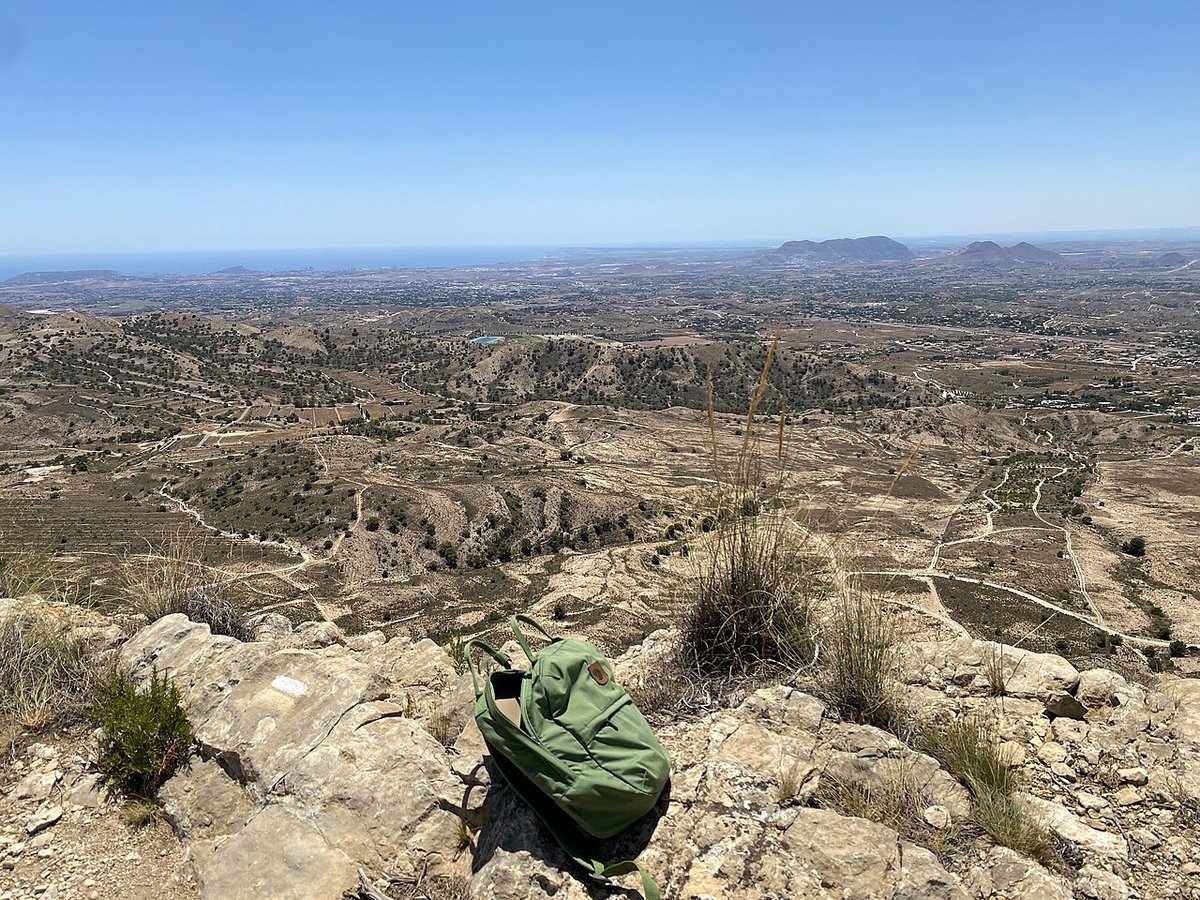
The Cabeçó d’Or dominates the landscape around Busot. It is the mountain that seems to appear from almost every angle in the area, acting as a constant reference point.
There is a long walking route that circles the massif. It stretches for around 17 kilometres and involves a fair amount of elevation gain. This is not a casual stroll. It calls for water, some food, and time set aside properly.
For something less demanding, the walk up to the castle from the village is enough for many visitors. The path is signposted, and within about twenty minutes you are at the top. It offers a manageable way to stretch your legs without committing to a full day in the hills.
Things that tend to go unnoticed
On Calle Mayor there is the Museo de Música Étnica. It was created by a local resident who has spent decades collecting instruments from around the world. The size of the collection is surprising, especially in a place of this scale.
It is not a museum in the conventional sense with continuous opening hours. Normally, you need to arrange a visit in advance through the town hall, which makes sense given how it is run.
Busot celebrates Moros y Cristianos in spring, like many towns in the province. These festivals recreate historical battles between Moors and Christians and involve costumes, marching bands and gunpowder displays. It is a familiar format across the region.
The Nit dels Ciris is something quite different. Street lighting is turned off and the village is filled with candles. It has only taken place a few times so far, so it remains to be seen whether it becomes a regular event.
In the square and along the road leading to the caves, there are simple bars where you can eat. They tend to offer a menú del día and straightforward cooking. Expect stews, some meat dishes, and spoon-based meals when the season calls for them.
Keeping it simple
A visit to Busot works best without overcomplicating it. Head up in the morning, visit the Cuevas del Canelobre, then spend some time in the village afterwards. If walking appeals, add the castle or a short route nearby.
Busot does not quite fill a full day unless the focus is on the surrounding mountain. As a half-day stop, it fits more naturally. Alicante is close enough to continue the day elsewhere if needed.