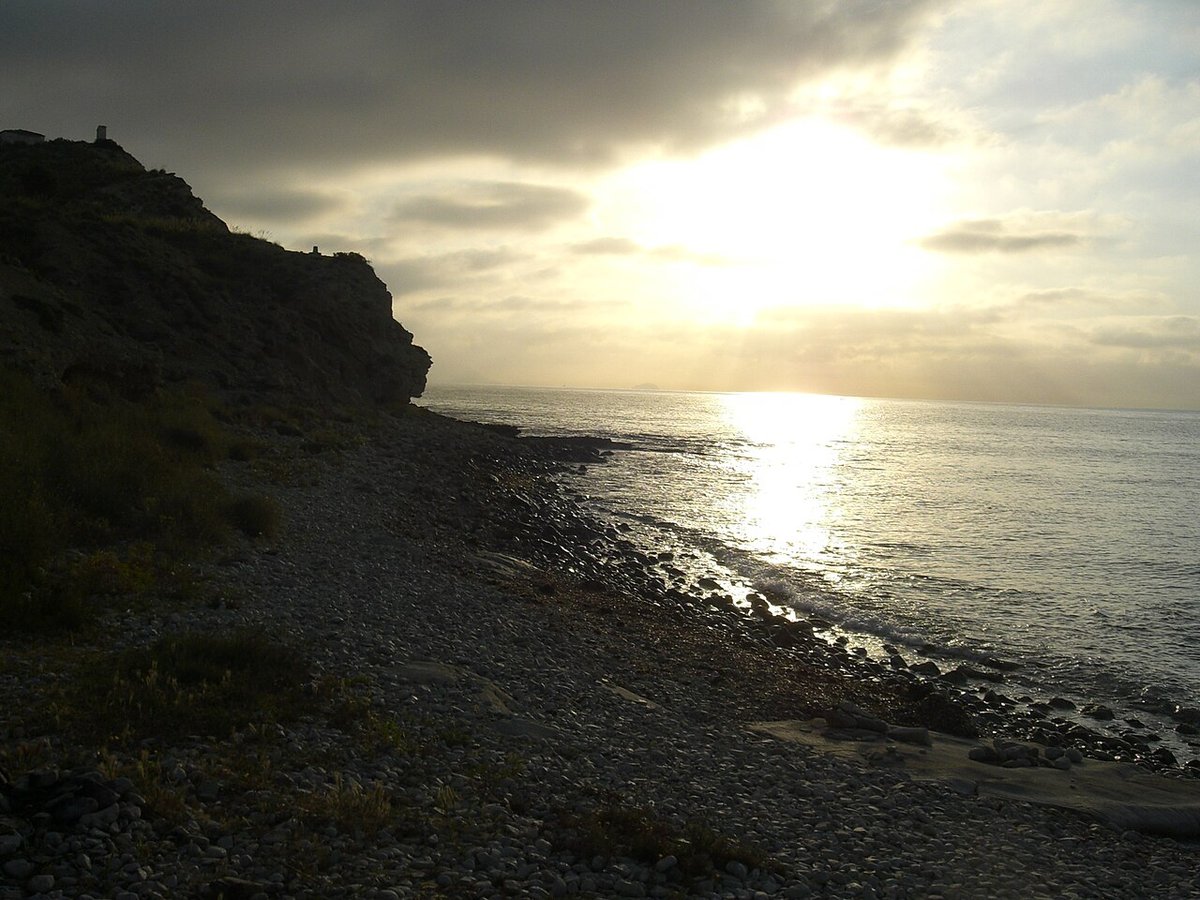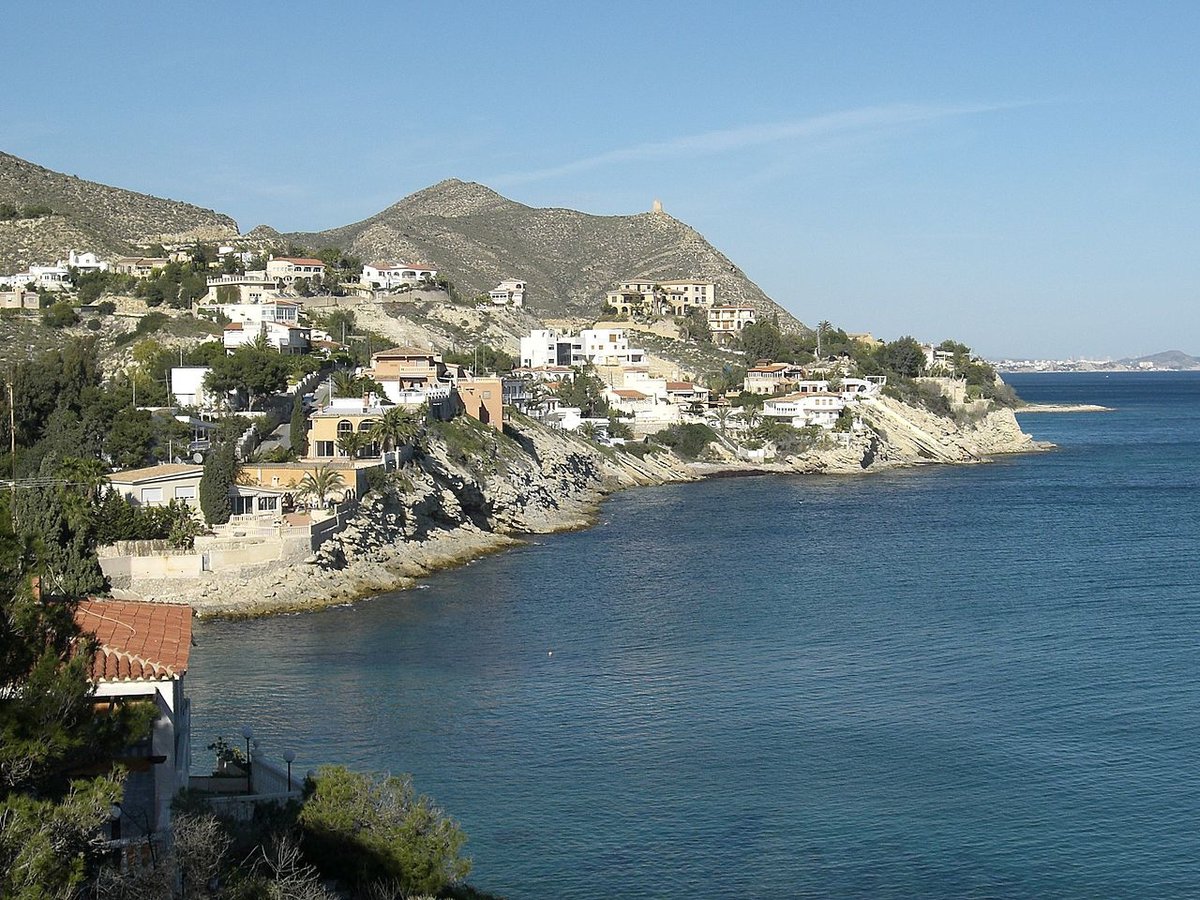
Coastal area, El Campello, Alicante.jpg
User:Kasiber · Public domain
Comunidad Valenciana · Mediterranean Light

El Campello

The 06:42 tram from Alicante drops you thirty-five minutes later at a platform that smells of salt and coffee. While the Costa Blanca's bigger reso...

31,419 inhabitants · INE 2025
26m Altitude
Coast Mediterráneo

Why Visit

Coast & beaches Illeta dels Banyets archaeological site Archaeological visit

Best Time to Visit

summer

Moors and Christians (October) octubre

Things to See & Do
in El Campello

Heritage

  • Illeta dels Banyets archaeological site
  • Illeta Tower
  • seafront promenade

Activities

  • Archaeological visit
  • Water sports
  • Seaside walk

Festivals
& & Traditions

Fecha octubre

Moros y Cristianos (octubre), Virgen del Carmen (julio)

Las fiestas locales son el momento perfecto para vivir la autenticidad de El Campello.

Full Article
about El Campello

Coastal municipality with a long fishing tradition; it has long beaches and a major archaeological site.

Ocultar artículo Leer artículo completo

The 06:42 tram from Alicante drops you thirty-five minutes later at a platform that smells of salt and coffee. While the Costa Blanca's bigger resorts are still rolling up their metal shutters, El Campello's fish auction is finishing. Plastic crates of gleaming mackerel slide across the quay as restaurateurs check their phones for overnight prices. It's Monday. Nobody's selling souvenirs yet.

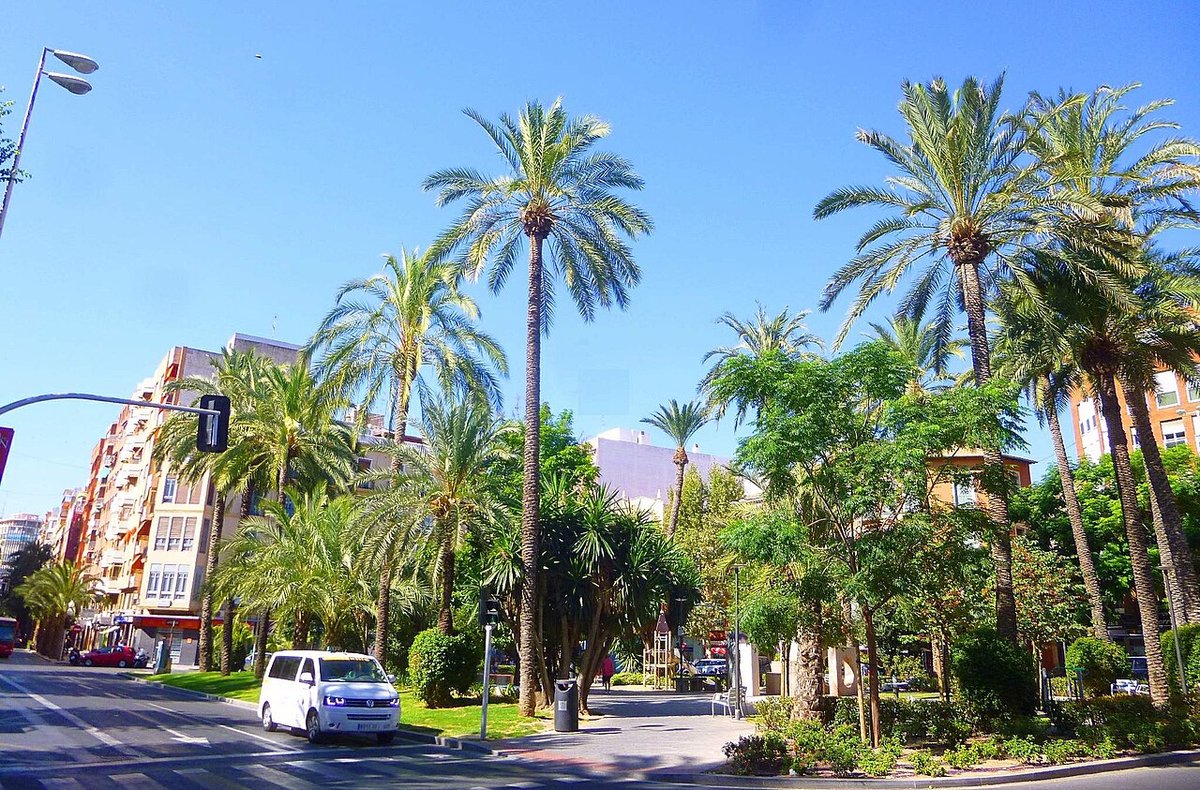
This is the village's real rhythm: Mediterranean first, tourist second. The promenade—paseo marítimo in local shorthand—runs for three kilometres without a single Irish bar. Instead, retired alicantinos walk dogs past outdoor sculptures that look like rusted ship parts, and teenagers smoke roll-ups beneath date palms that have survived since the 1920s.

Salt, Sand and Sixth-Century Baths

Twenty-three kilometres of coastline sound impressive on paper; the reality is a jigsaw of textures. Playa de Muchavista supplies the textbook blonde arc—six kilometres of it—backed by a cycle lane and low-rise apartments painted the colour of wet sand. The surface slopes gently, so children can paddle fifty metres out without disappearing. Lifeguards whistle at 17:00 sharp; the beach volleyball nets come down, and the chiringuitos start pouring cañas at €2.30 a glass.

Walk ten minutes east and the terrain fractures. Cala l’Amerador is a pocket of pebbles the size of conkers, water so clear you can watch seabream nibble your toes. Access involves a gravel track and two flights of stone steps—enough to deter the inflatable-crocodile brigade. Bring footwear; getting into the sea here is a dignified hop rather than a sandy shuffle.

Rising above the eastern headland is the Torre de la Illeta, a sixteenth-century watchtower built after Berber pirates snatched the village's previous harvest of anchovies. The stone cylinder is empty inside, but climb at dusk and you can trace the tram line all the way back to Alicante's skyline glinting like broken mirror glass. Fifty metres away, the Illeta dels Banyets archaeological site keeps stranger company: Roman baths, Iberian silos and a fish-salting factory from the fourth century BC, all jumbled together under one wire fence. Guided tours in English run twice weekly (€5, book at the tiny museum by the marina). Without them the stones are just stones; with them you learn the baths were fed by a natural hot spring—ancient Campello's answer to a Centre Parcs spa break.

Tram Tickets and Other Small Victories

Alicante-Elche airport to El Campello is 35 minutes by road, but the TRAM Metropolitano is half the price and twice the sanity. Buy a ticket from the blue machine on the platform before boarding; inspectors fine €50 on the spot and they board without warning. Lines L1 and L3 both terminate here, so you can't overshoot. In July and August services run every twenty minutes until after midnight, which means you can linger over arroz a banda in Alicante's old town and still be back for last orders.

Driving is feasible out of season; the underground car park beside the yacht club charges €10 per day and rarely fills before eleven. Street parking south of the river Barranc d'Aguiló is free after 14:00, but read the Spanish signs—tow trucks operate faster than British traffic wardens.

Rice, Sardines and the Midday Shutdown

British visitors expecting laminated menus with Union Jacks will go hungry. Most restaurants list rice dishes first, everything else second. Arroz a banda arrives bronze rather than yellow, flavoured with cuttlefish ink and just enough chilli to make your lips tingle. A portion for two feeds three cautious eaters; prices hover around €18 per person, bread and alioli included. Try La Terraza del Puerto for the theatre of it—waiters carry paella pans the diameter of bicycle wheels while the owner narrates the fishing boat that supplied the squid that morning.

At the cheaper end, marina kiosks grill sardines on open drums. Six fish, a wedge of lemon and a plastic plate cost €4.50. Eat them standing up; bones are part of the experience. Vegetarians survive on pimientos de padrón and tortilla at Bar La Playa, where the cook speaks fluent Norwich after a season at Carrow Road. Sunday evenings are tricky—many kitchens close at 18:00 sharp. Stock up at the Mercadona by the tram stop; their own-brand horchata tastes like liquid Rice Krispies and costs €1.29 a carton.

When the Costas Get Crowded

August transforms the village. Spanish families take entire apartment blocks, prams line bakery doorways, and the sand at Muchavista resembles Bournemouth on a bank holiday minus the windbreaks. Arrive after 10 a.m. and you'll share a square metre with someone else's radio. The solution is to head north before breakfast. Cala Baeza, a ten-minute scramble past the sewage works (yes, really), stays empty until lunchtime. Water shoes essential; the entry is shingly and sudden.

Evening brings relief. At 22:00 the temperature drops to a civilised 24 °C, brass bands march through the grid of streets behind the church, and elderly residents drag plastic chairs onto the pavement. The fiestas patronales in the second week of August close the main road for foam parties and fireworks; earplugs recommended if your hotel faces Avenida de la Marina. Outside these dates nightlife means gin-tónic at a yacht-club table, conversation included.

Winter Light and Other Consolations

January empties the beach but not the village. Daytime temperatures sit in the high teens—T-shirt weather if the wind's offshore. British pensioners who overwinter in nearby Coveta Fumá swear by the winter light; artists plant easels on the promenade and paint the Sierra Grossa mountains turning mauve at dusk. Hotels drop to €45 a night with sea view, cafés still serve café con leche for €1.60, and the archaeological site becomes yours alone. The tram timetable halves, so check the laminated sheet taped inside the shelter—missing a connection can add forty minutes.

Rain arrives in sudden January cloudbursts; drainage isn't Valencia city's strong point, so puddles swell like minor lakes. Pack shoes with grip, or embrace the Spanish solution and stay put until the sun reappears—usually twenty minutes later.

Parting Shots

El Campello works best as a base rather than a checklist. Stay three nights, ride the tram both ways, eat something that once swam, and allow time for doing nothing much on a promenade bench. The village won't shout about itself; there's no Instagram frame around the fishing boats, no karaoke crawl. That, for many, is exactly the point.

Key Facts

Region
Comunidad Valenciana
District
Alacantí
INE Code
03050
Coast
Yes
Mountain
No
Season
summer

Livability & Services

Key data for living or remote work

2024
ConnectivityFiber + 5G
TransportTrain 13 km away
HealthcareHospital
EducationElementary school
Housing~5€/m² rent · Affordable
CoastBeach 1 km away
Sources: INE, CNMC, Ministry of Health, AEMET

Official Data

Institutional records and open data (when available).

  • Torre de la Illeta
    bic Monumento ~1.4 km
  • Illeta dels Banyets
    bic Zona arqueológica ~1.6 km

Planning Your Visit?

Discover more villages in the Alacantí.

View full region →

More villages in Alacantí

Traveler Reviews