Full Article
about Jijona
Cradle of turrón; a mountain-ringed town that makes Spain’s most famous Christmas sweet.
Hide article Read full article
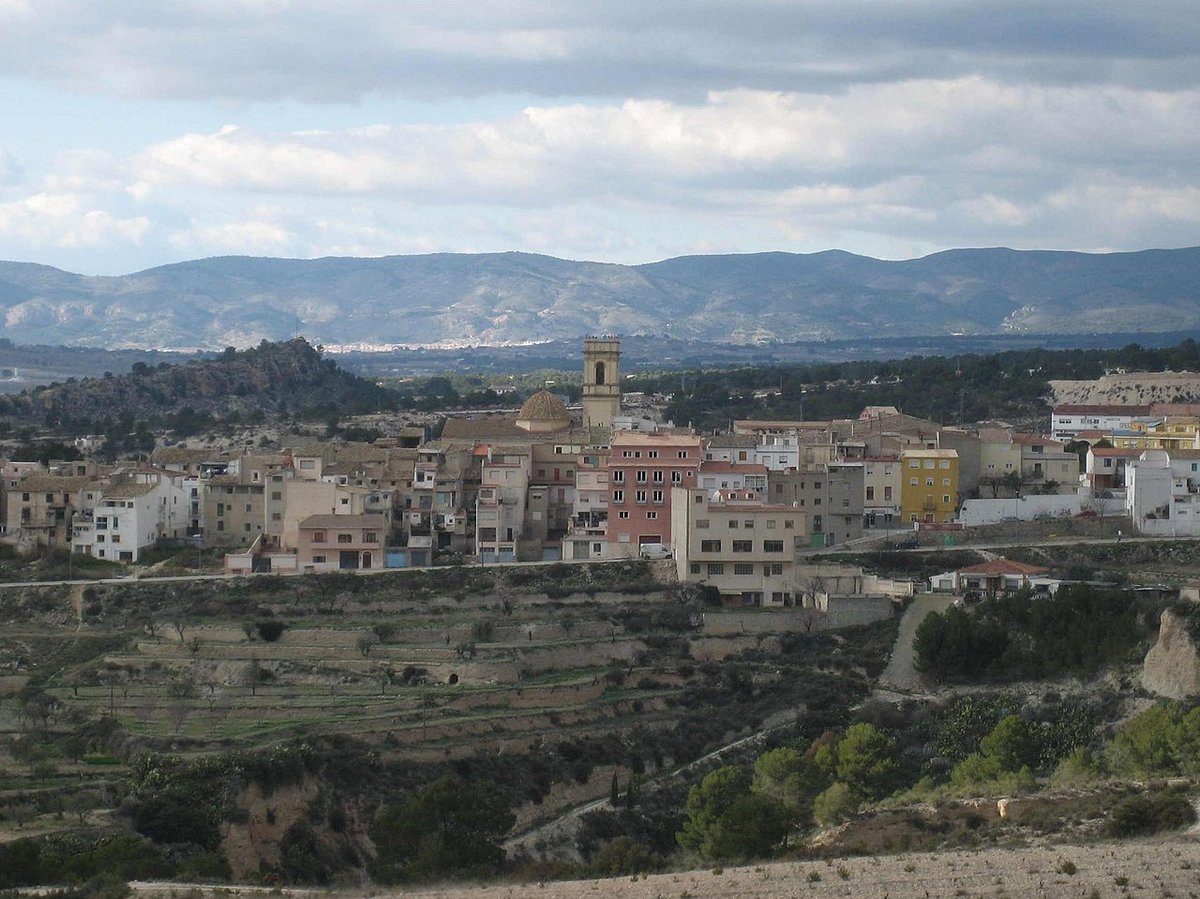
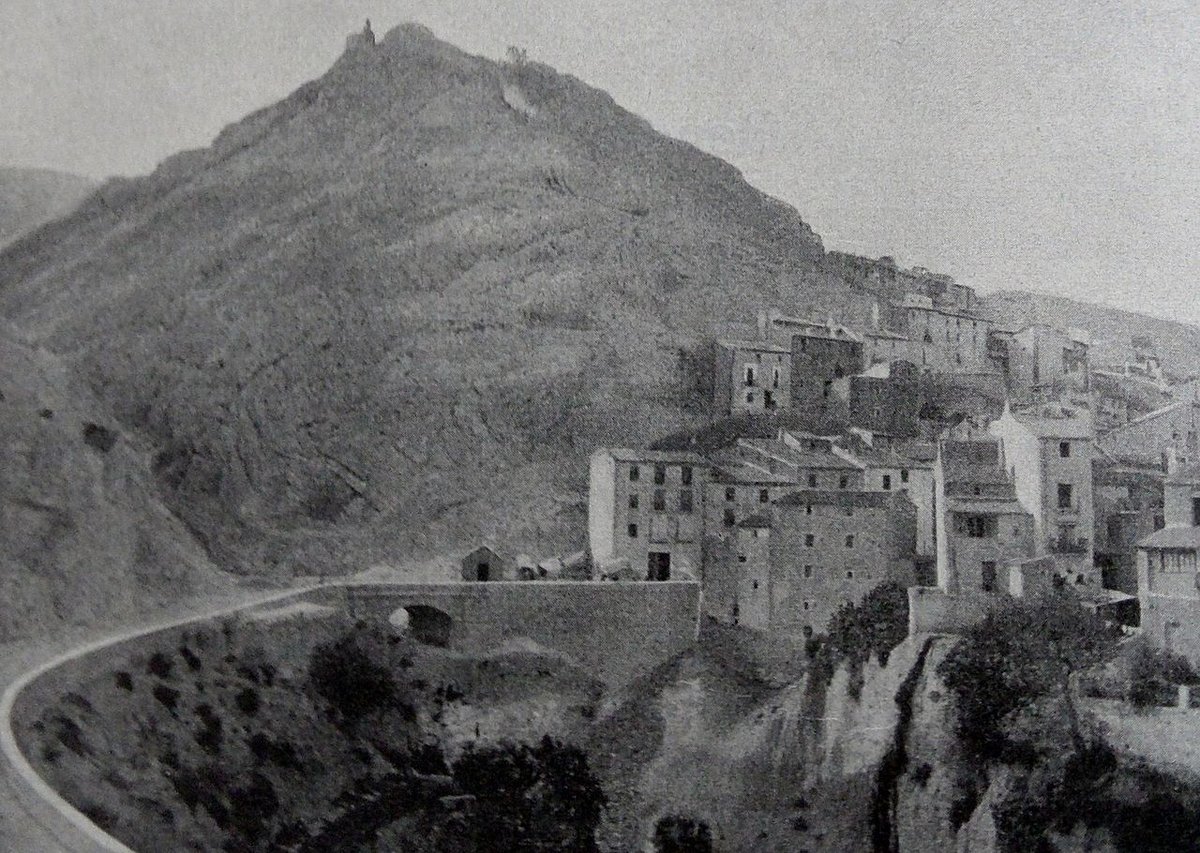
The scent of toasted almonds arrives before the town does. It seeps through the car window on the final bends of the road, a sweet, persistent note above the dry hills. In winter, it hangs in the cold air and clings to wool sleeves. Jijona, or Xixona as the road signs have it, announces itself this way first. Only later do you see the houses stacked beneath the castle.
A landscape shaped by almonds
Before eight in the morning, burlap sacks still move in and out of warehouse doors. A farmer checks a batch of marcona almonds, noting how a little dampness in the air keeps them from becoming too brittle. Talk here is specific: harvest times, roasting temperatures, the exact moment sugar reaches its point.
The land around Jijona changes with the calendar. Almond groves cover many slopes, with some citrus lower down and pine woods climbing towards the Carrasqueta. In January, the almond trees are bare. Their twisted branches catch the low sun and turn silver. If you follow a track towards the sierra, the smell shifts. The sweetness fades, replaced by rosemary and warm pine resin.
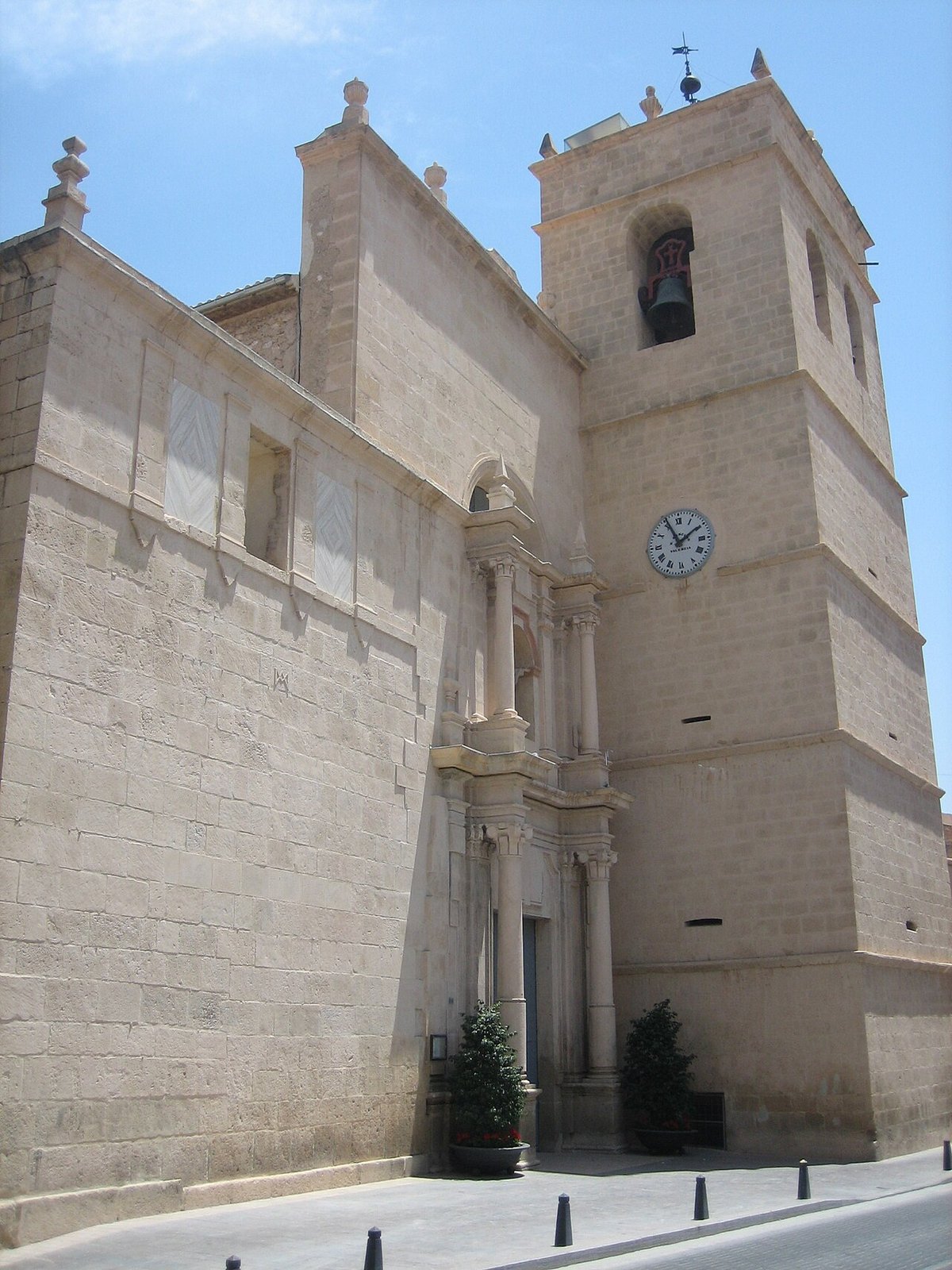
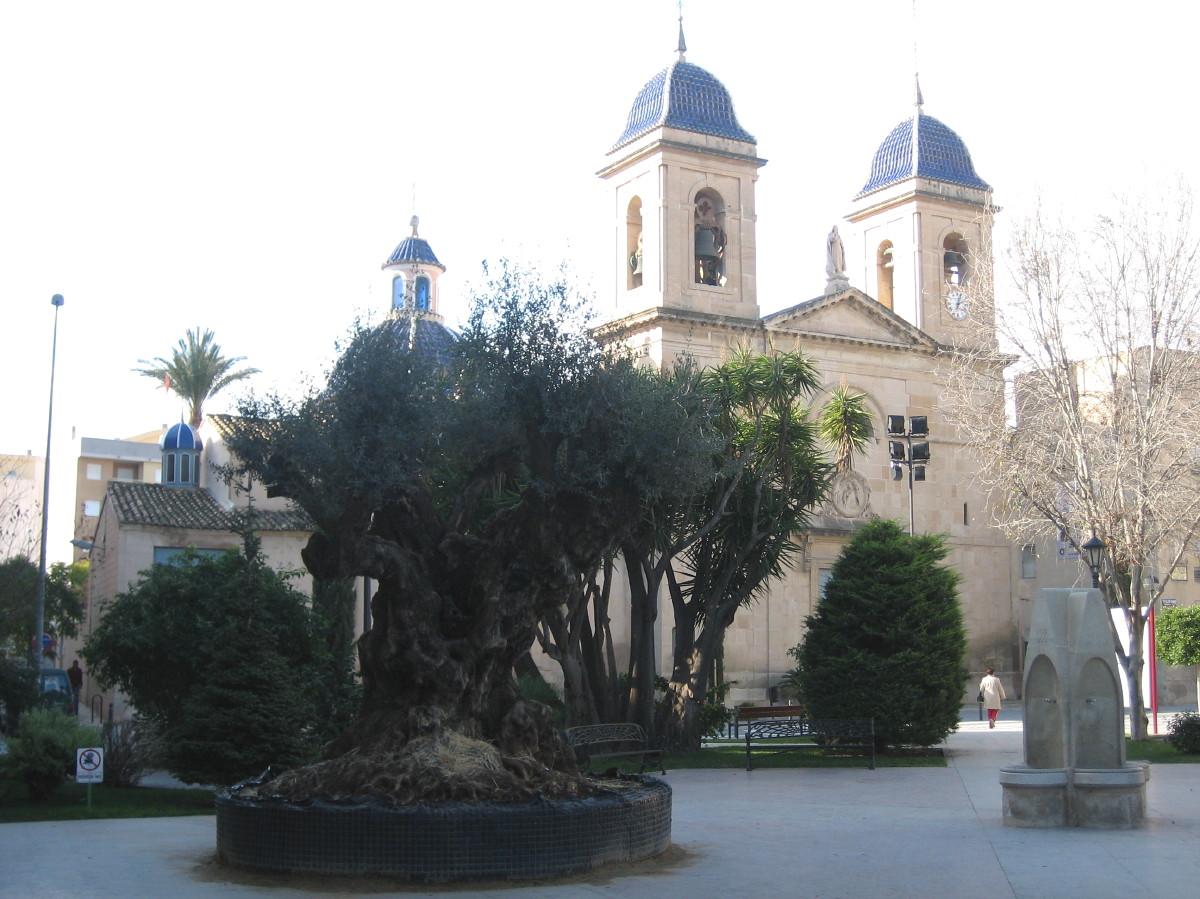
The old quarter holds tight to the hillside. Its streets climb in a tangle of cobbles and uneven steps. You pass iron window grilles and sudden gaps between houses that open to the valley. Later in the day, people often gather on the plaza outside the church of the Asunción. Here, turrón is not a souvenir. It is part of the daily rhythm, a fact of life made from almonds and honey.
Climbing to the Torre Grossa
The walk up to the Castillo de la Torre Grossa is not long, but the incline is steady. The path winds through holm oaks and reddish earth. Halfway up, you can look back. The town sits below, a compact mosaic of terracotta roofs and low chimneys.
This fortification once watched over the route from coast to interior. From the top, that logic is clear. To one side rise the sharp ridges of the Carrasqueta. To the other, the land softens and opens towards the distant sea.
The site was restored some years back. Walkways and simple panels now trace lines of old walls. At midday, the stone holds heat. It is a good place to pause. Sometimes, when factories are working, the smell of roasting drifts uphill. It is a denser scent now, slightly bitter, as if someone were cooking turrón just behind the castle.
When turrón takes centre stage
By early December, the town’s centre changes pace. Jijona holds its fair for turrón and traditional sweets under large tents. The talk inside is technical—almond varieties, honey origins, cooking stages. It feels less like a show for outsiders and more like an annual meeting for those who make it.
Summer brings different sounds. The fiestas for the Virgen de la Asunción include the comparsas of Moros y Cristianos. For weeks beforehand, bands rehearse in side streets. In the evening, brass and drum notes bounce off narrow façades and linger in the warm air.
Outside these events, daily life resumes. Warehouse doors roll up. People climb the steep streets with shopping bags. On weekends, cars arrive from the coast and from Valencia. By Monday, things settle again.
Towards the Carrasqueta
An early start shows a different Jijona. A path begins near the cemetery at the town’s upper edge. Within minutes, the last houses disappear behind you.
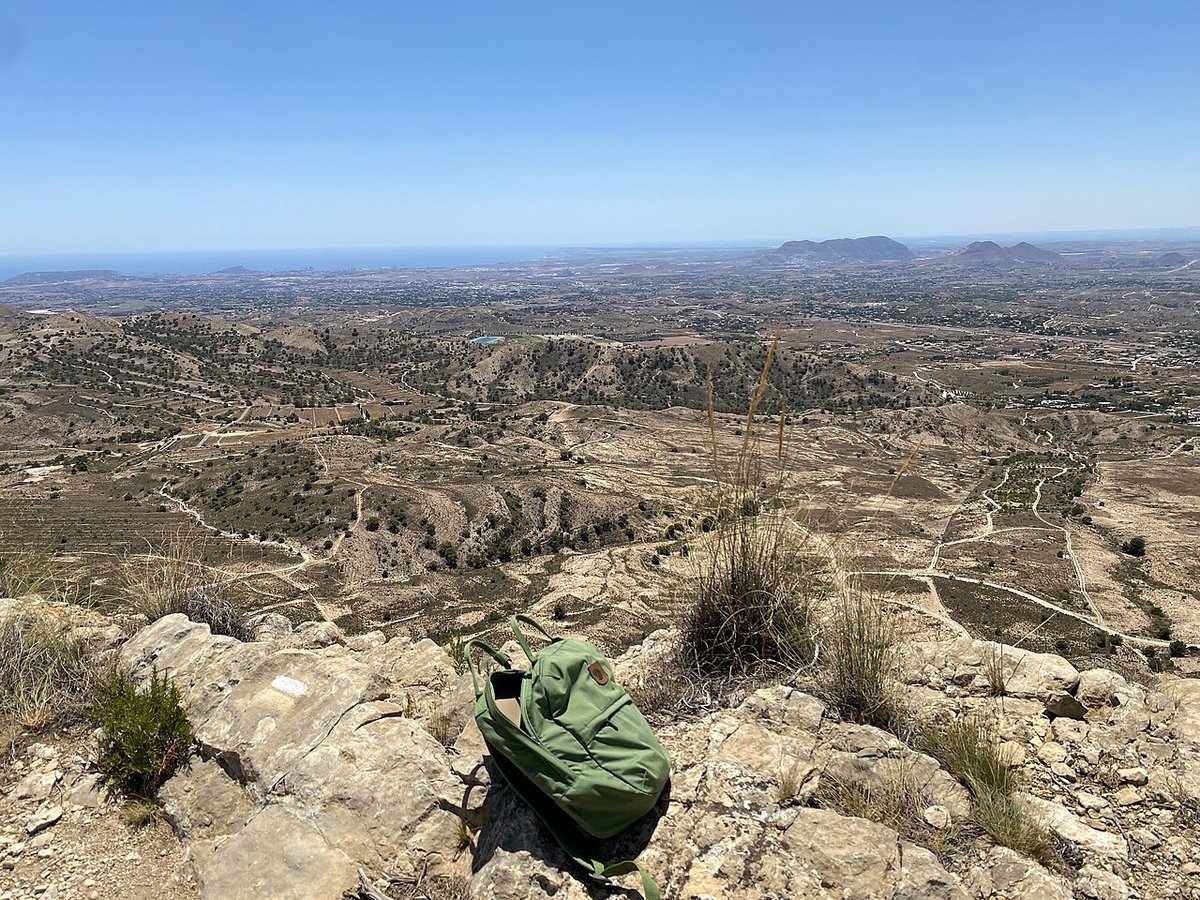
The trail follows white and yellow markers into the sierra de la Carrasqueta. Holm oaks and strawberry trees grow here. The ground is thick with dry leaves. After rain, the smell of damp earth is strong, even in winter.
In some clearings you find dry stone structures, almost hidden by brush. These are remains of pozos de nieve, snow wells from an older trade. People once collected and stored snow here before transporting it down to towns.
Walking back on the forest track, Jijona reappears from behind a ridge. This is not the postcard view with the castle. This is its working face: sheet metal roofs on some warehouses, washing lines on patios, thin smoke from a roasting house. By mid-afternoon, church bells mark the hour. The air fills again with the smell of warm almonds.
Practical notes for getting around
There is little shade on the climb to Torre Grossa. In summer, go early or late in the day.
During fairs and fiestas, traffic fills the centre. Park in a lower area and continue on foot.
Paths into Carrasqueta are marked but cross open country. Wear proper shoes.
In Jijona, scent often leads you forward—almond one moment, pine resin or warm stone another—long before you see any landmark or hear any bell