Full Article
about La Torre de les Maçanes
High, wooded mountain village; known for its Almohad tower and almonds
Hide article Read full article
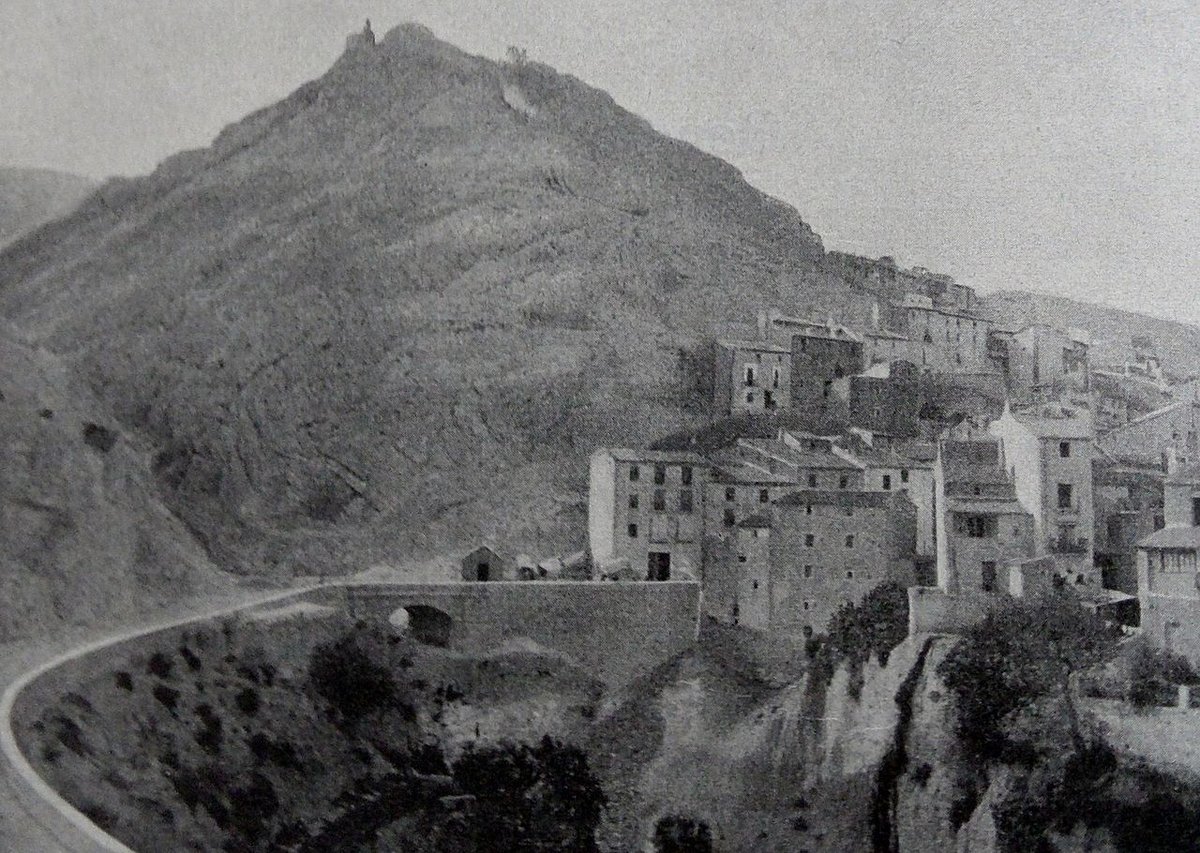
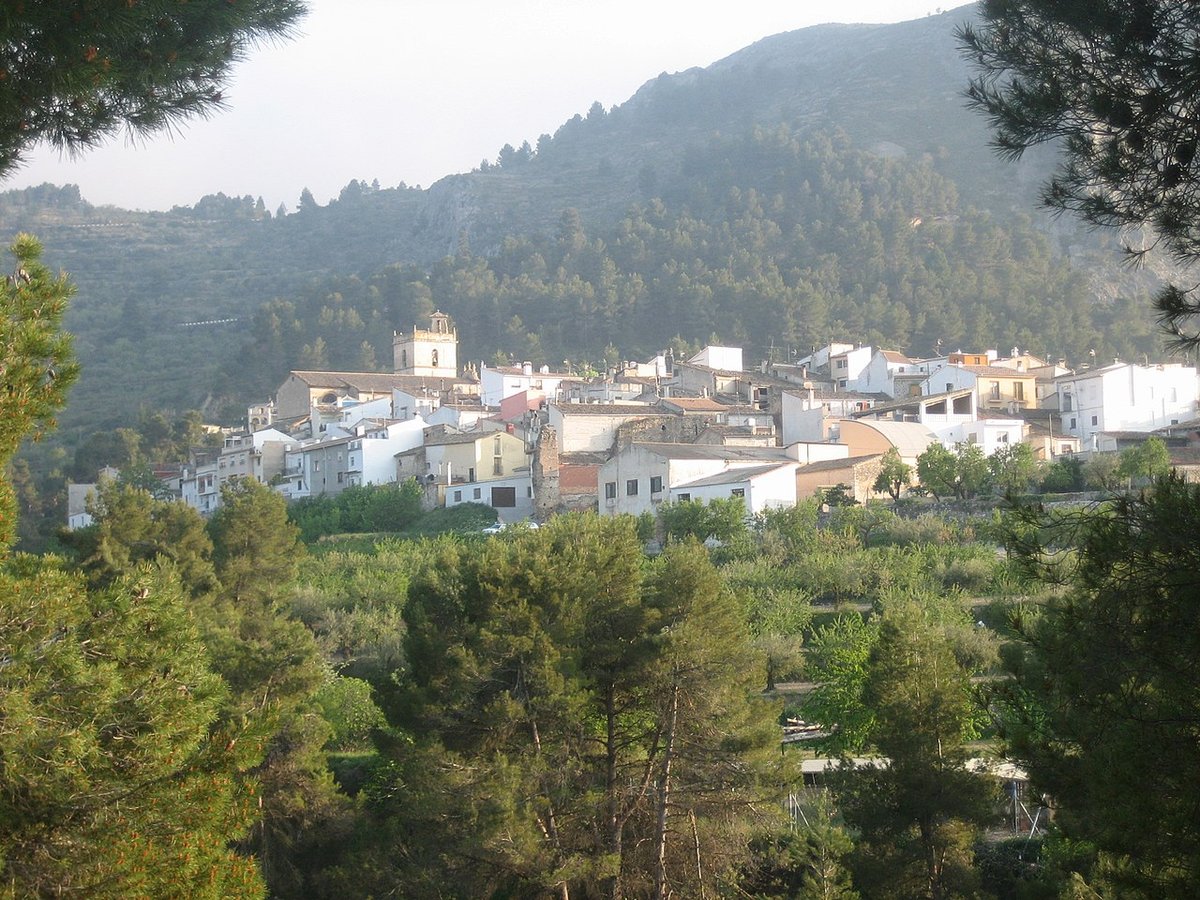
At ten in the morning, the clearest sound is that of boots on stone. The streets are still half empty. Pine mingles with the smell of coffee drifting from an open kitchen. Tourism in La Torre de les Maçanes often begins like this: slowly, with the village still quiet at 788 metres above sea level, on the northern side of the sierra de Aitana.
Up here, time moves differently. Sunlight takes longer to warm the façades, and the wind tends to slip between rooftops before dropping into the ravines.
Morning in the old centre
The heart of the village is small. It can be crossed in a few minutes, though it rewards a slower pace. Streets are narrow and slightly uneven. Limestone shows up everywhere: in walls, corners and doorways.
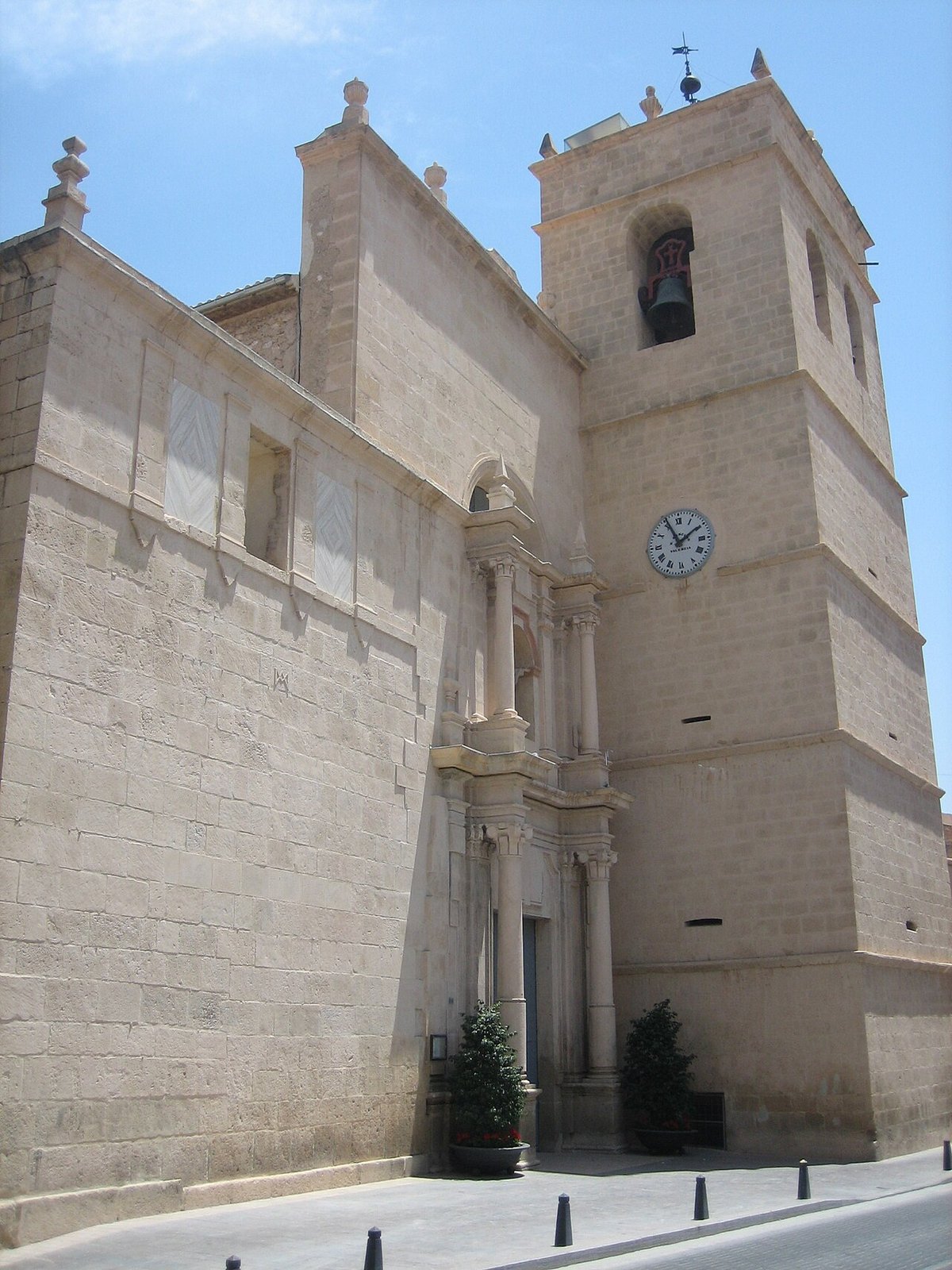
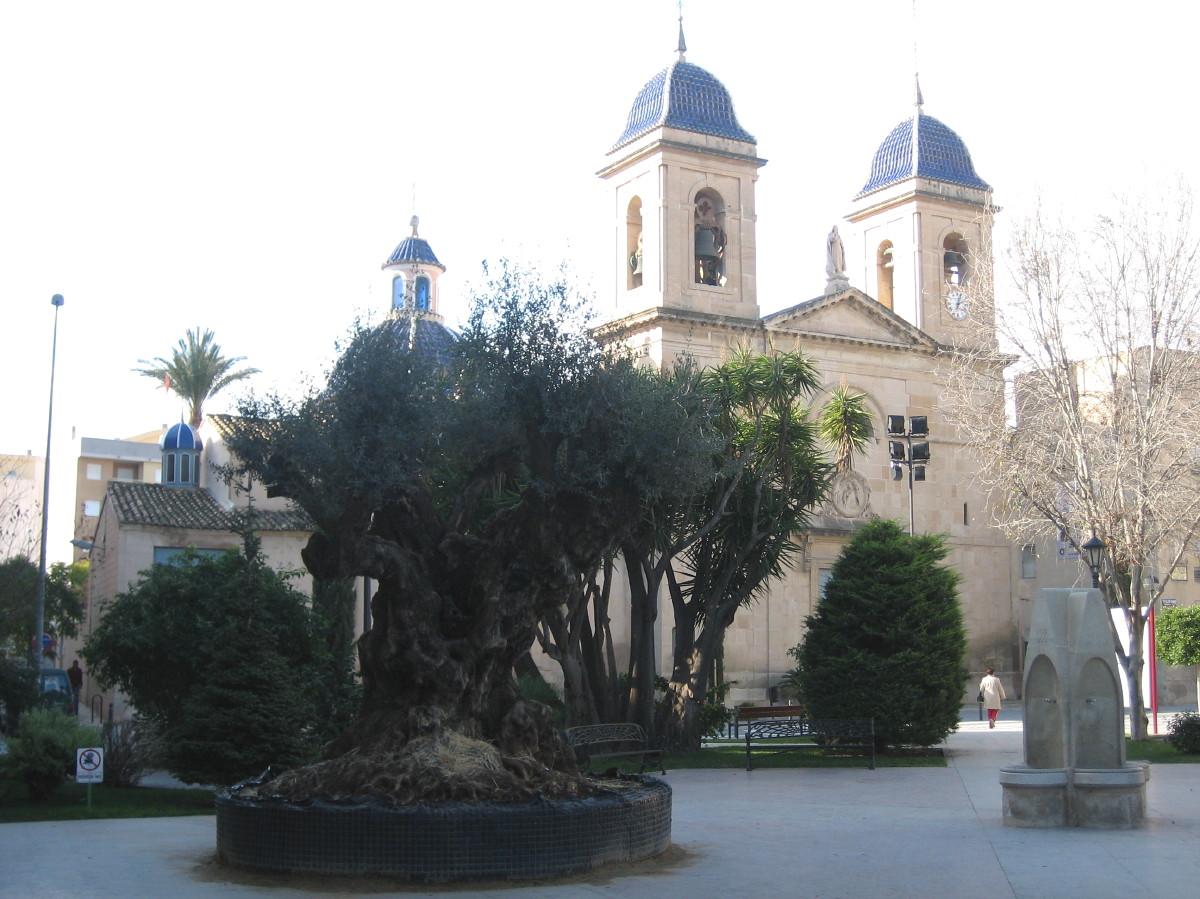
At the centre stands the church of the Natividad de Nuestra Señora. Its bell tower rises above the pale roofs. The façade is simple. Inside, there is an 18th-century altarpiece and a figure of the Virgin that is traditionally dressed during local celebrations.
Around it, small squares appear almost without warning as you turn a corner. By mid-morning, someone may be watering plants or moving a chair into the sun. In winter, light settles into these sheltered spots, away from the wind.
Terraces and the Aitana landscape
Step just beyond the built-up area and the terraces begin. Many are now abandoned, yet the dry-stone walls still trace the land as grey lines through the grass.
For generations, almonds, olives and some cereals were grown here. The work must have been demanding. The plots are narrow, and the slopes mean walking is rarely straight, more often diagonal across the hillside.
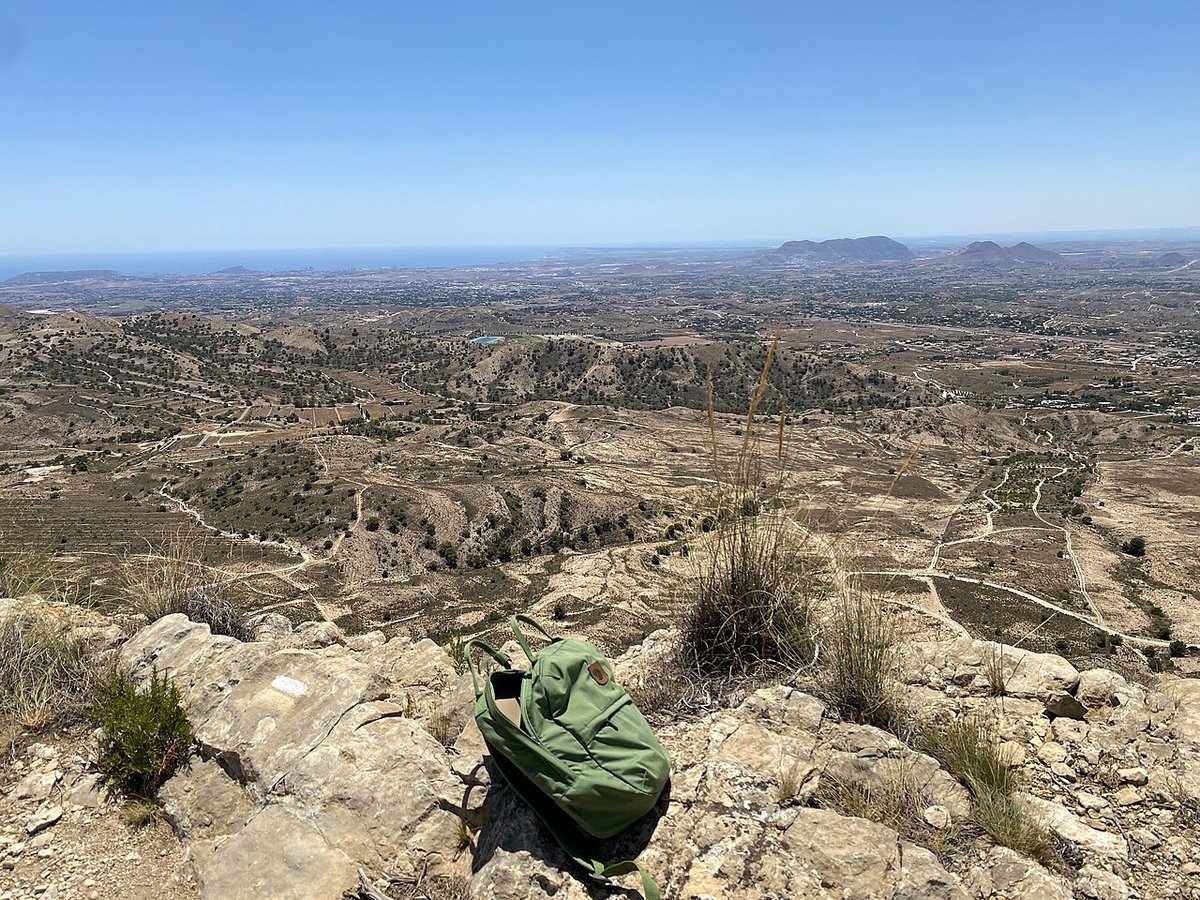
From higher points, the view opens towards the north. Slopes descend gently into the interior of the Alacantí region. On very clear days, the sea appears in the distance, a faint blue line that almost blends into the horizon.
Paths leading out
Several paths begin from the main street. Some connect to longer routes heading into the sierra de Aitana. Others stay close to the village, following old agricultural tracks.
There are stretches shaded by pines, where the ground is covered with dry needles. Elsewhere, the path runs between pale rock and low scrub. Slopes are moderate in many places, though sturdy footwear is advisable for longer walks.
In winter, the mountain sounds different. Coal tits move through the bushes, and occasionally small groups of bullfinches appear. Spring brings more bird activity and a damp, earthy smell in the ravines.
Festivals and local life
Throughout the year, village life gathers around celebrations tied to the traditional calendar.
In January, bonfires are lit for San Antón. Flames cast light on the stone streets, and animals are blessed, a custom linked to the area’s livestock past.
The patron saint festivities take place in September in honour of the Virgin. It is a time when residents who live elsewhere return. During those days, the streets fill with more voices, and long tables appear under almond trees in the surrounding area.
Local cooking remains based on simple stews. Lamb or rabbit, homemade coca doughs and cured meats traditionally prepared in winter are all part of it. These are dishes shaped by the cold of the mountains.
Seasons and the road in
La Torre de les Maçanes changes noticeably with the seasons. In autumn, the hills take on ochre tones, and the air is often clear after the first rains. Spring brings green back to the terraces, and the days grow longer.
Summer can be hot at midday, although nights cool down. Anyone planning to walk in the mountains is better off starting early. In winter, the wind can be cold and dry, and an extra layer is welcome.
The approach from Alicante or Elche follows a mountain road. The climb is steady, and the surface is generally in good condition. After heavy rain or during cold spells, it is worth driving carefully. Some bends and slopes can collect mud or patches of ice.
On arrival, the car quickly becomes unnecessary. The village is small. From that point on, everything happens on foot, among pale stone, the smell of firewood, and a quiet that returns each time the last car passes.