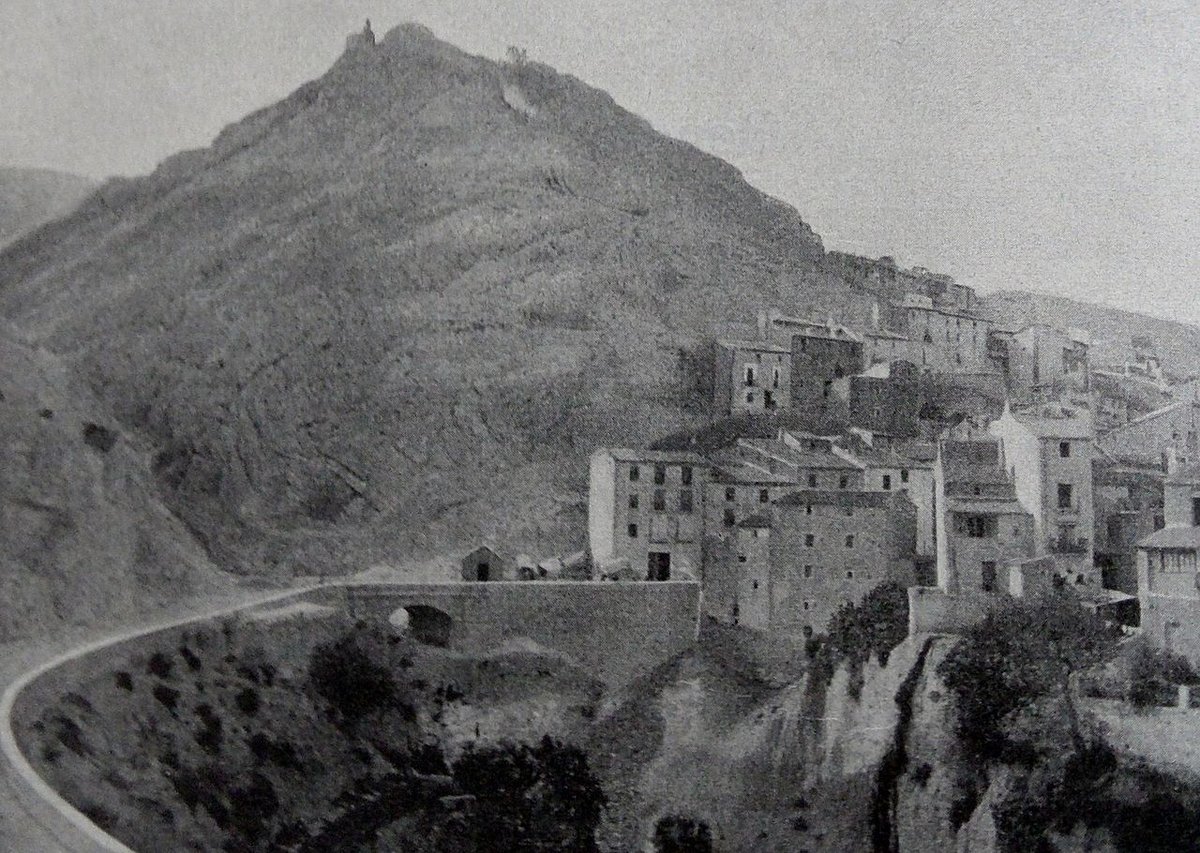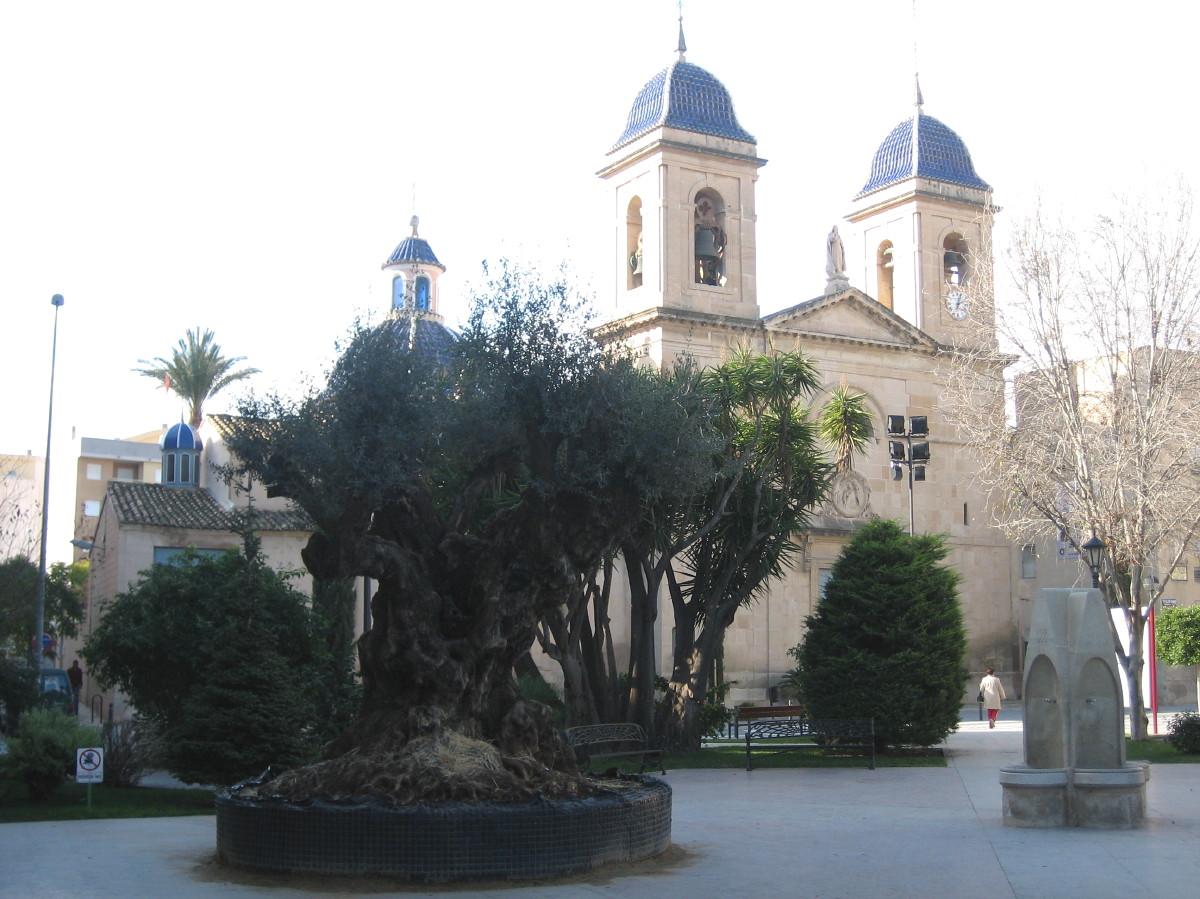
Foto san juan de alicante.JPG
No machine-readable author provided. Rodriguillo assumed (based on copyright claims). · Public domain
Comunidad Valenciana · Mediterranean Light

Sant Joan d'Alacant

The church bells strike midday as an elderly woman waters geraniums on her balcony. Below, a delivery van blocks the narrow street while the driver...

26,834 inhabitants · INE 2025
40m Altitude

Why Visit

Santa Faz Monastery (nearby) Tower Route of the Huerta

Best Time to Visit

summer

Christ of Peace Festival (September) septiembre

Things to See & Do
in Sant Joan d'Alacant

Heritage

  • Santa Faz Monastery (nearby)
  • San Juan Bautista Church
  • Huerta Towers

Activities

  • Tower Route of the Huerta
  • Shopping
  • Nightlife

Festivals
& & Traditions

Fecha septiembre

Fiestas del Cristo de la Paz (septiembre)

Las fiestas locales son el momento perfecto para vivir la autenticidad de Sant Joan d'Alacant.

Full Article
about Sant Joan d'Alacant

Residential and service municipality bordering Alicante; known for its hospital and festivals.

Ocultar artículo Leer artículo completo

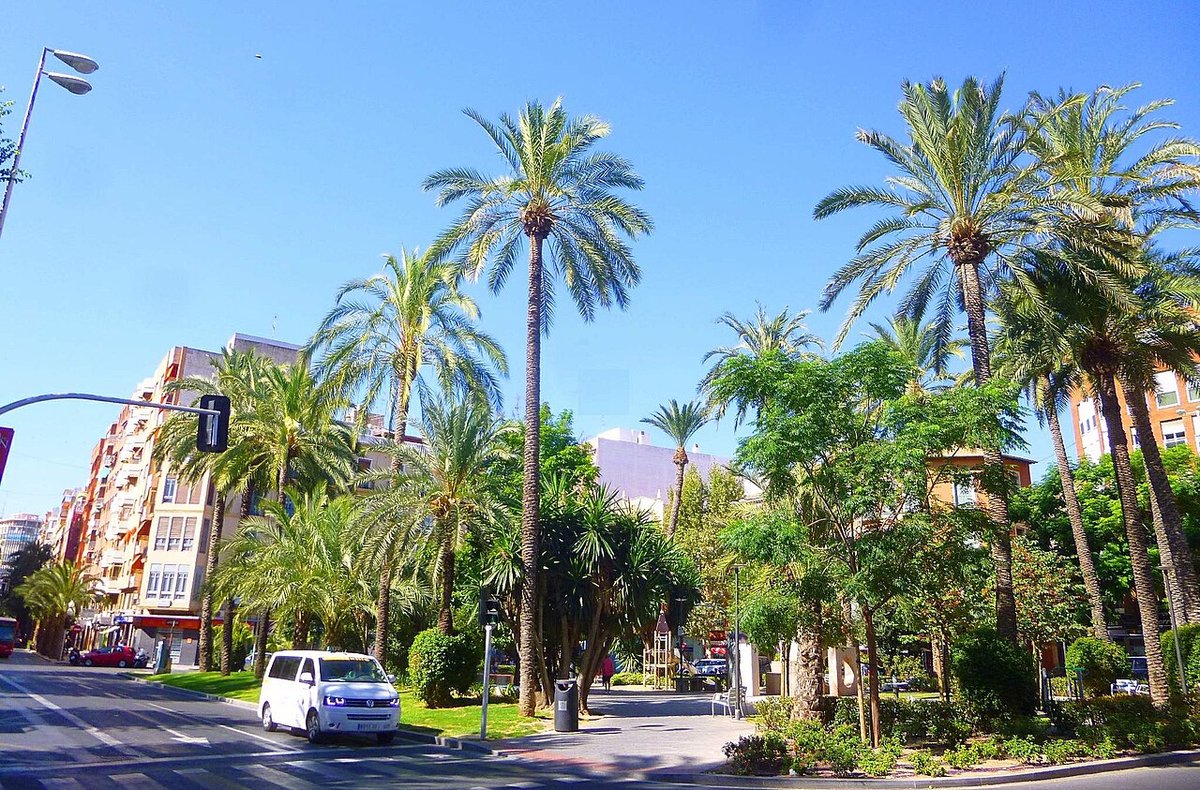
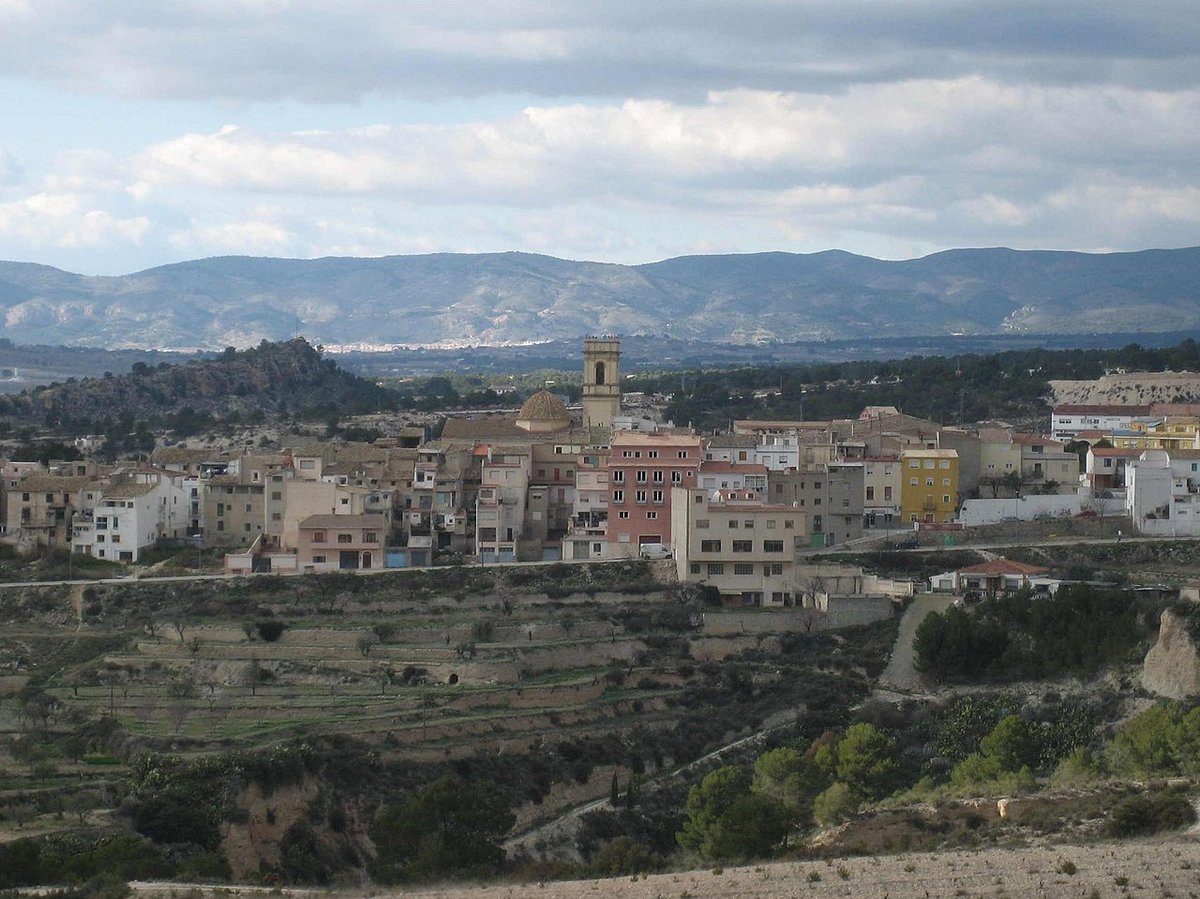
The church bells strike midday as an elderly woman waters geraniums on her balcony. Below, a delivery van blocks the narrow street while the driver chats with the barman dragging tables onto the pavement. Nobody's in a rush. This is Sant Joan d'Alacant, where the Costa Blanca's frantic tourism feels like someone else's problem.

Seven kilometres inland from Alicante airport, this working village of 25,000 operates on its own clock. The morning rush means tractors heading to the remaining huerta plots, not coaches disgorging sunburnt tourists. It's the kind of place where the bakery still closes for siesta and the pharmacy shutters come down at Saturday lunchtime, staying shut until Monday regardless of your stomach ache.

The Reality Behind the Costa Blanca Postcard

British visitors arriving in August expecting English breakfast cafés face immediate disappointment. Sant Joan has deliberately resisted the coastal strip's transformation into Little Britain. Here, elderly men still gather for dominoes in Bar Central at 11am, and the weekly market sells vegetables grown within walking distance, not imported avocados.

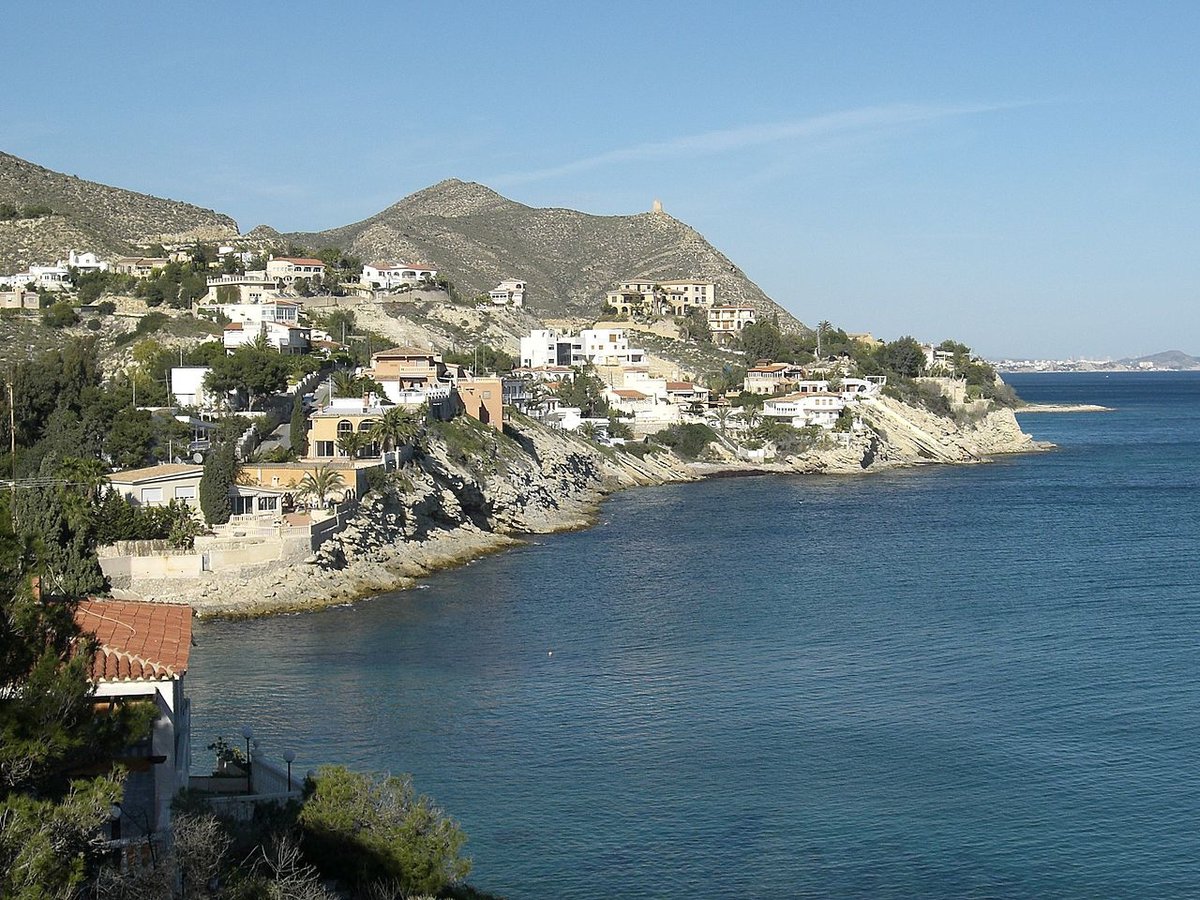
The village's relationship with the sea is complicated. Sant Joan turned its back on beach tourism during the 1960s building boom, content to supply tomatoes to the resorts rather than hotel beds to holidaymakers. The nearest sand at Playa de San Juan lies ten minutes away by car – close enough for locals to own beach apartments, far enough to keep the stag parties in Benidorm where they belong.

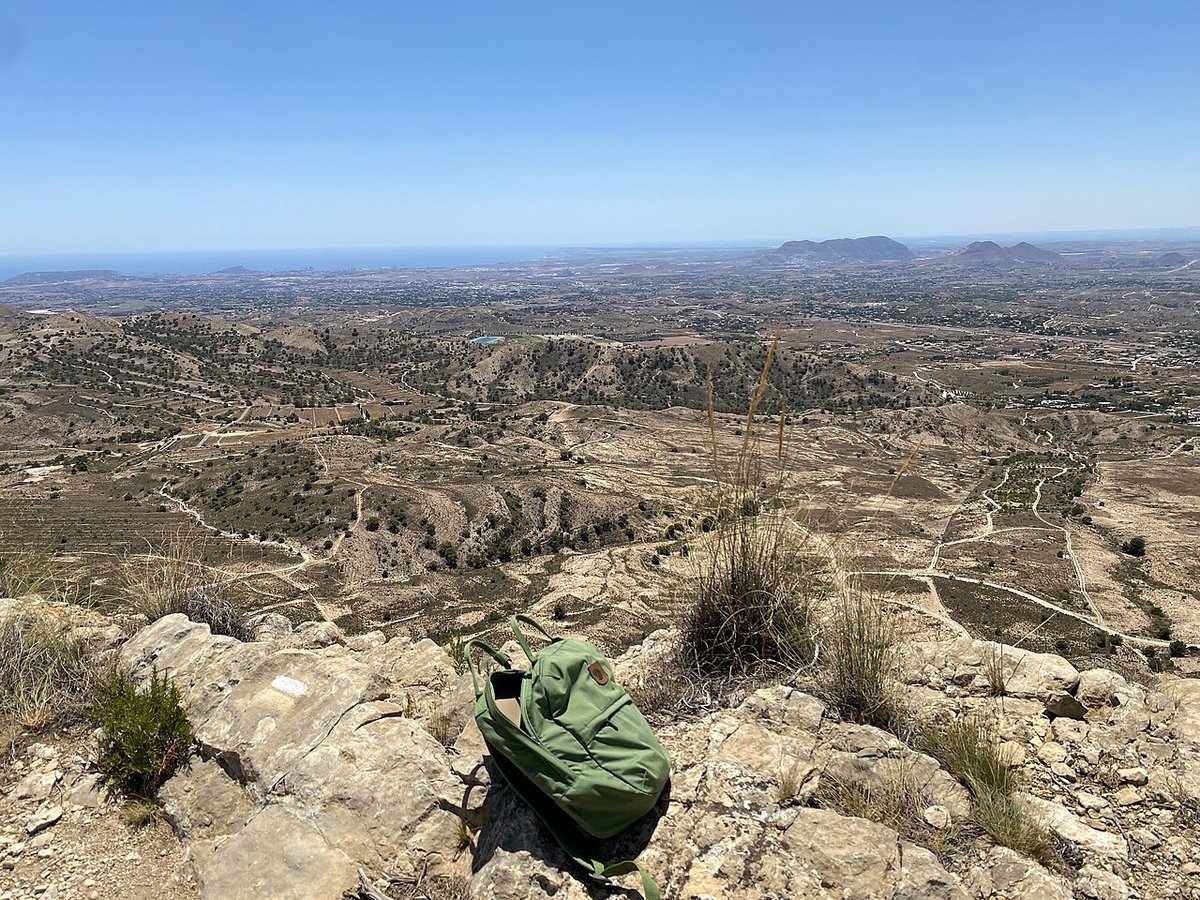
This distance from the coast creates Sant Joan's unique climate. At forty metres above sea level, summer temperatures hover two degrees cooler than Alicante's seafront. The evening breeze that coastal hotels advertise as "mountain air" actually starts here, where the foothills begin their climb towards the interior's proper mountain villages.

What Remains When Tourism Doesn't Come Calling

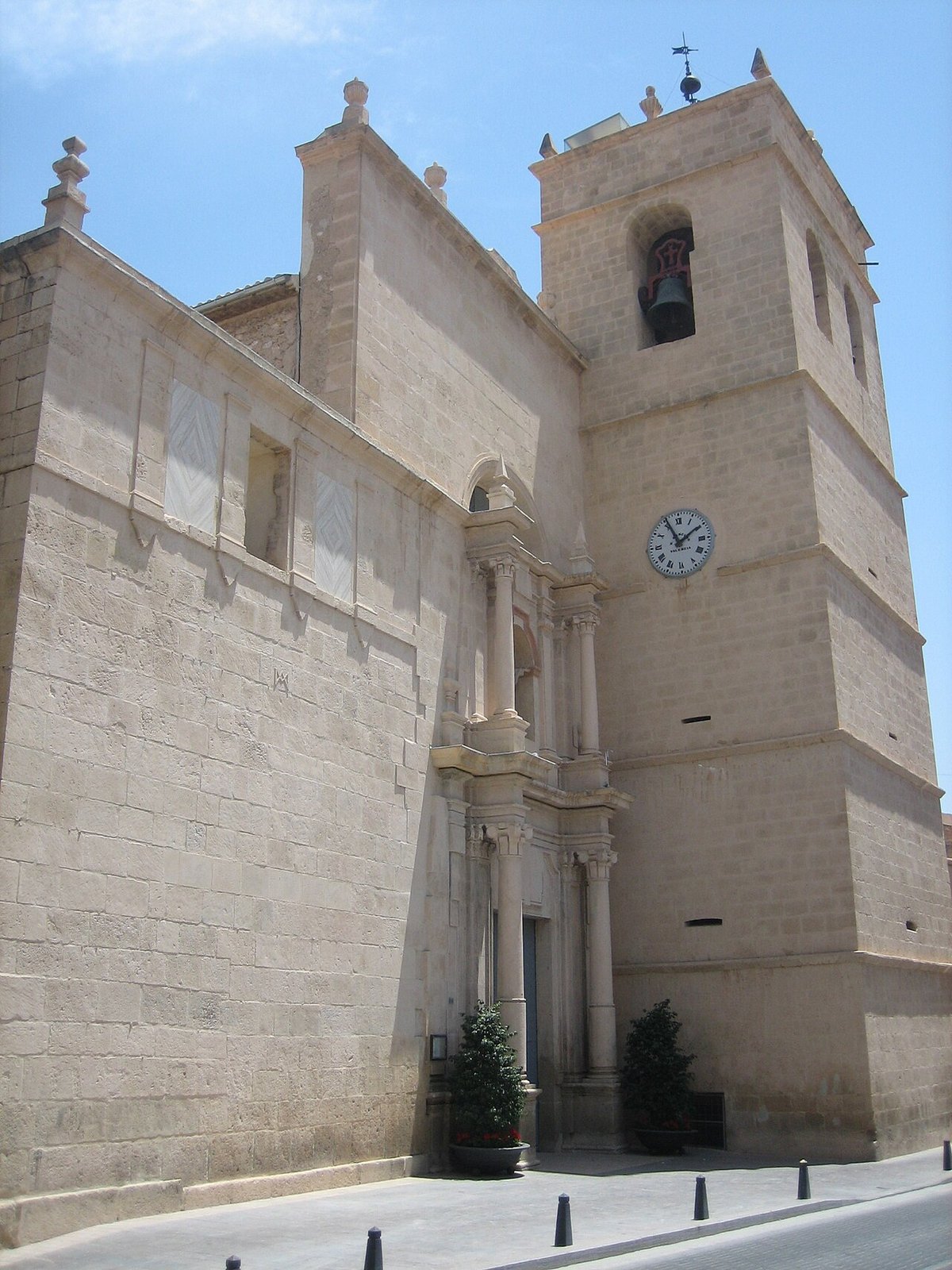
The parish church of Sant Joan Baptista anchors the old quarter, its bell tower visible from anywhere in town. Inside, the building tells Spain's architectural story in miniature: Gothic foundations, Baroque additions, and nineteenth-century repairs funded by villagers who'd made fortunes in Cuba. The interior works on Valencian time – open when someone's around to unlock it, usually mornings except when it's not.

Behind the church, three streets maintain their medieval grid. Calle de la Virgen still features original stone doorways, though most now lead to modern flats rather than noble houses. Number 37 retains its coat of arms, chipped and faded, belonging to a family long since moved to Barcelona. The restoration work shows Spanish pragmatism at work: new plumbing, satellite dishes, but original tiles preserved because replacing them costs money.

These historic fragments survive because Sant Joan never qualified for heritage funding. Without tourist income to justify restoration grants, buildings evolved naturally. A house becomes flats becomes offices becomes flats again, each owner making practical changes rather than museum-piece renovations. The result feels alive rather than preserved, somewhere people actually live rather than showcase.

The Agricultural Museum Nobody Asked For

The municipal archaeology museum occupies what was meant to be the tourist information office. Built in 2006 when the council briefly dreamed of attracting coach tours, it now displays pottery fragments and farming tools excavated during construction projects. Entry is free because charging would require someone to collect money, and the staff have better things to do.

The collection tells Sant Joan's real story: irrigation channels from Moorish times, Phoenician trading pottery, agricultural implements abandoned when the last smallholdings sold to developers. A faded photograph shows the main street in 1950, entirely surrounded by vegetable plots. Today's view from the same spot reveals a Lidl supermarket and underground car park.

This agricultural heritage survives in pockets between housing estates. Follow the Camí de l'Horta northwards and apartment blocks give way to artichoke fields worked by the same families for generations. The path narrows to single file between irrigation ditches, though developers' markers indicate this won't last. Walking here at dawn reveals the village's original purpose: growing food for Alicante's markets, long before anyone invented beach tourism.

Eating Like Someone Who Lives Here

British visitors expecting paella face learning curve. The local rice dish arrives dry, almost crispy, with alioli garlic mayonnaise that alarms those raised on chicken korma. Arroz a banda proves safer: mild seafood rice that tastes of the sea without confronting diners with prawns that still have heads.

Bar Central serves coca de mollitas at 11am sharp, when the morning regulars arrive for coffee and gossip. Topped with tomato and tuna, it's essentially pizza for people who refuse to admit they like pizza. The bar owner, Maria, speaks fluent English acquired during two decades serving British property buyers, though she pretends not to unless customers attempt Spanish first.

Sunday lunch defines the week. Families gather at 3pm for the main meal, explaining why restaurant kitchens close between 5pm and 8pm. This timing destroys British expectations of evening dining, but try explaining to Juan's grandmother why you're hungry at 6pm. She cooked this stew at dawn; you'll eat it when she serves it, and you'll like it.

The Festival Calendar That Rules Everything

June brings Sant Joan's patronal festivals, when the village discovers volume. Fireworks start at 7am because tradition insists on waking everyone properly. Processions block streets randomly; attempting to drive anywhere becomes impossible between Thursday and Sunday. The British residents' Facebook group fills with complaints about noise, missing the point entirely.

These celebrations reveal genuine community rather than tourist spectacle. Each neighbourhood organises its own events, competing to raise funds for increasingly elaborate street decorations. Children learn traditional dances in school, performing for grandparents who performed the same steps decades earlier. Visitors are welcome, but nobody's adapting anything for international audiences.

August's Assumption festivities repeat the formula on smaller scale, while December's nativity scenes attract coach parties from Alicante's care homes. The tourism department (one man with a clipboard) dreams of attracting international visitors, but the festivals resist commercialisation. They exist for Sant Joanetinos first, everyone else second.

Getting Here, Staying Put, Getting Out

Alicante airport sits twenty minutes away by taxi, though the €25 fare shocks those who've researched Alicante-Benidorm transfers online. Public transport requires patience: C6 bus to Alicante centre, then tram Line 4 trundling through half the province. Total journey time reaches forty-five minutes, longer on Sundays when the tram driver stops for cigarette breaks.

Accommodation options remain limited for good reason. The Complejo San Juan apartments attract British families seeking Spanish atmosphere without Spanish inconvenience, their swimming pools compensating for the village's lack of tourist infrastructure. Hotel Hostal Maruja offers twelve rooms above a bar, spotlessly clean but basic, run by a woman who learnt English from Coronation Street and uses "lovely" in every sentence.

Staying here means surrendering to Spanish timing. Shops close at 1pm, reopen when they reopen. The bakery might run out of bread by 10am, tough luck. August temperatures reach thirty-eight degrees; book air conditioning or suffer. These aren't problems requiring solutions – they're Sant Joan operating normally.

The village works best as base camp rather than destination. Morning coffee in the plaza, beach afternoon at San Juan, evening tapas in Alicante's old town. Repeat with variations: Tuesday market instead of Thursday, different beach, mountain village inland when heat becomes unbearable. Sant Joan provides bed and breakfast; the Costa Blanca provides everything else, twenty minutes away when you want it, forgotten when you don't.

Key Facts

Region
Comunidad Valenciana
District
Alacantí
INE Code
03119
Coast
No
Mountain
No
Season
summer

Livability & Services

Key data for living or remote work

2024
ConnectivityFiber + 5G
TransportTrain nearby
HealthcareHospital
EducationHigh school & elementary
Housing~5€/m² rent · Affordable
CoastBeach nearby
Sources: INE, CNMC, Ministry of Health, AEMET

Official Data

Institutional records and open data (when available).

  • Torre El Ciprés
    bic Monumento ~2.8 km
  • Torre del Conde
    bic Monumento ~3.1 km
  • Torre Cacholí
    bic Monumento ~2.8 km
  • Torre Castillo
    bic Monumento ~4 km
  • Villas romanas del Castillo de Ansaldo
    bic Zona arqueológica ~3.9 km
  • Torre Águilas
    bic Monumento ~3.7 km
Ver más (22)
  • Torre Bosch
    bic Monumento
  • Torre Boter
    bic Monumento
  • Torre Alameda o Nicolau
    bic Monumento
  • Torre del Cabo de las Huertas
    bic Monumento
  • Torre Ferrer
    bic Monumento
  • Torre Juana
    bic Monumento
  • Torre Medialibra
    bic Monumento
  • Torre Plácida
    bic Monumento
  • Torre Reixes
    bic Monumento
  • Torre Santa Faz
    bic Monumento

Planning Your Visit?

Discover more villages in the Alacantí.

View full region →

More villages in Alacantí

Traveler Reviews