Full Article
about Sant Vicent del Raspeig
University town and bedroom community of Alicante; lively and well connected
Hide article Read full article
Where the town meets the road
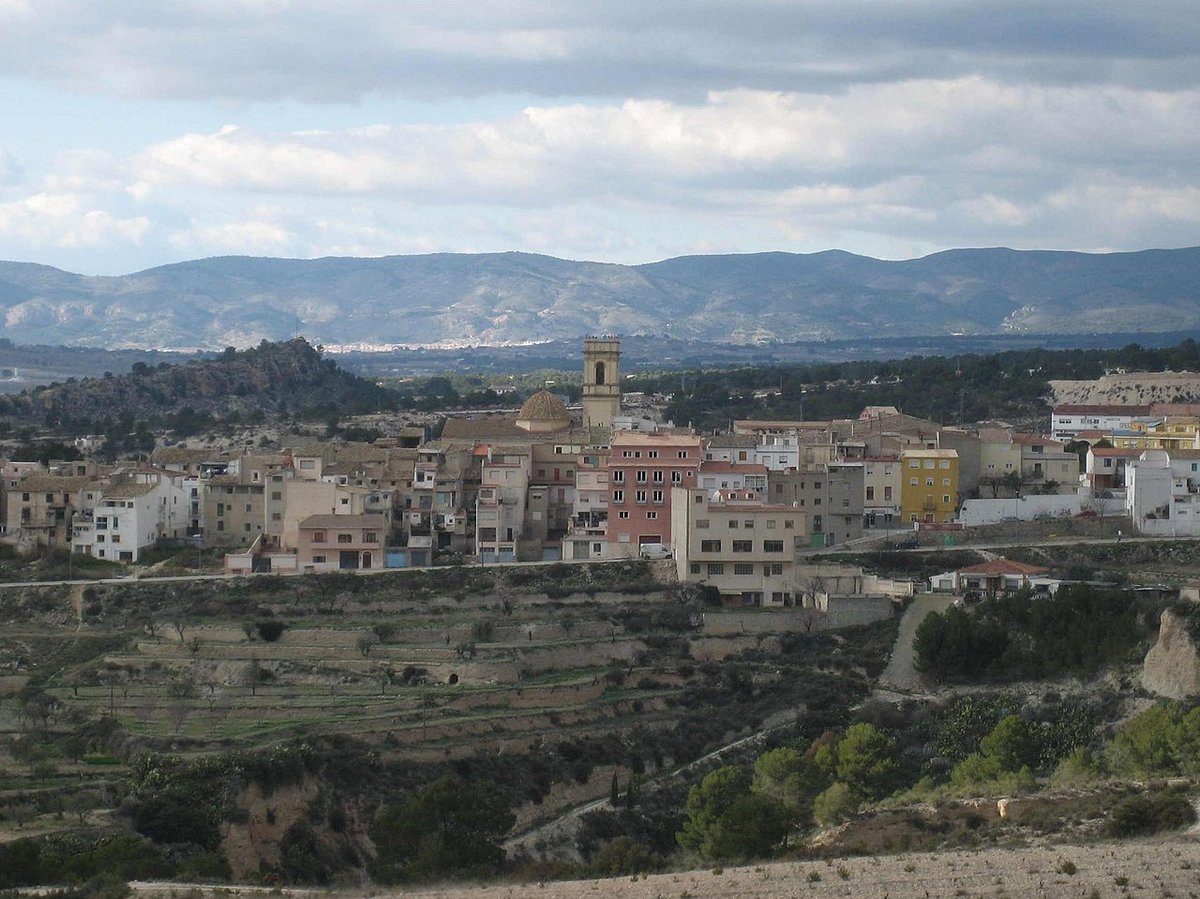
There is a moment, just as you leave the A‑31, when Sant Vicent del Raspeig appears almost abruptly. One second it is almond fields, pale and dry under the sun, and the next it is streets and houses. Lots of them. Most share the same beige tone, blending into the surrounding land as if built from it.
The impression is practical rather than decorative. This is a place shaped by its environment, by nearby quarries and long, hot summers. The buildings seem designed to endure rather than impress, with little in the way of ornament and a clear sense of function.
A town shaped by the University of Alicante
Sant Vicent del Raspeig is closely tied to the Universidad de Alicante, whose campus sits right on its edge. White buildings spread out across open grounds, with green areas that soften the heat and an artificial lake that tends to serve more as a backdrop for photos than a place to linger.
At midday, especially on a weekday, the rhythm is defined by students moving quickly between classes, often in search of air conditioning. Outside, the dry heat presses down in a way that feels as if it rises from the ground itself.
The town has grown alongside the university, yet it has not lost its own identity. With a population of over 60,000, it still holds on to everyday details that feel local and familiar. Bakeries where the smell of fresh dough drifts into the street by mid-morning. Roads where, on certain days, fine dust from the quarries is noticeable. Terraces that fill up as the sun begins to drop.
It is an unusual combination. On one side, a university campus with its constant movement and younger crowd. On the other, a working town with routines that have little to do with academic life.
A church older than the town itself
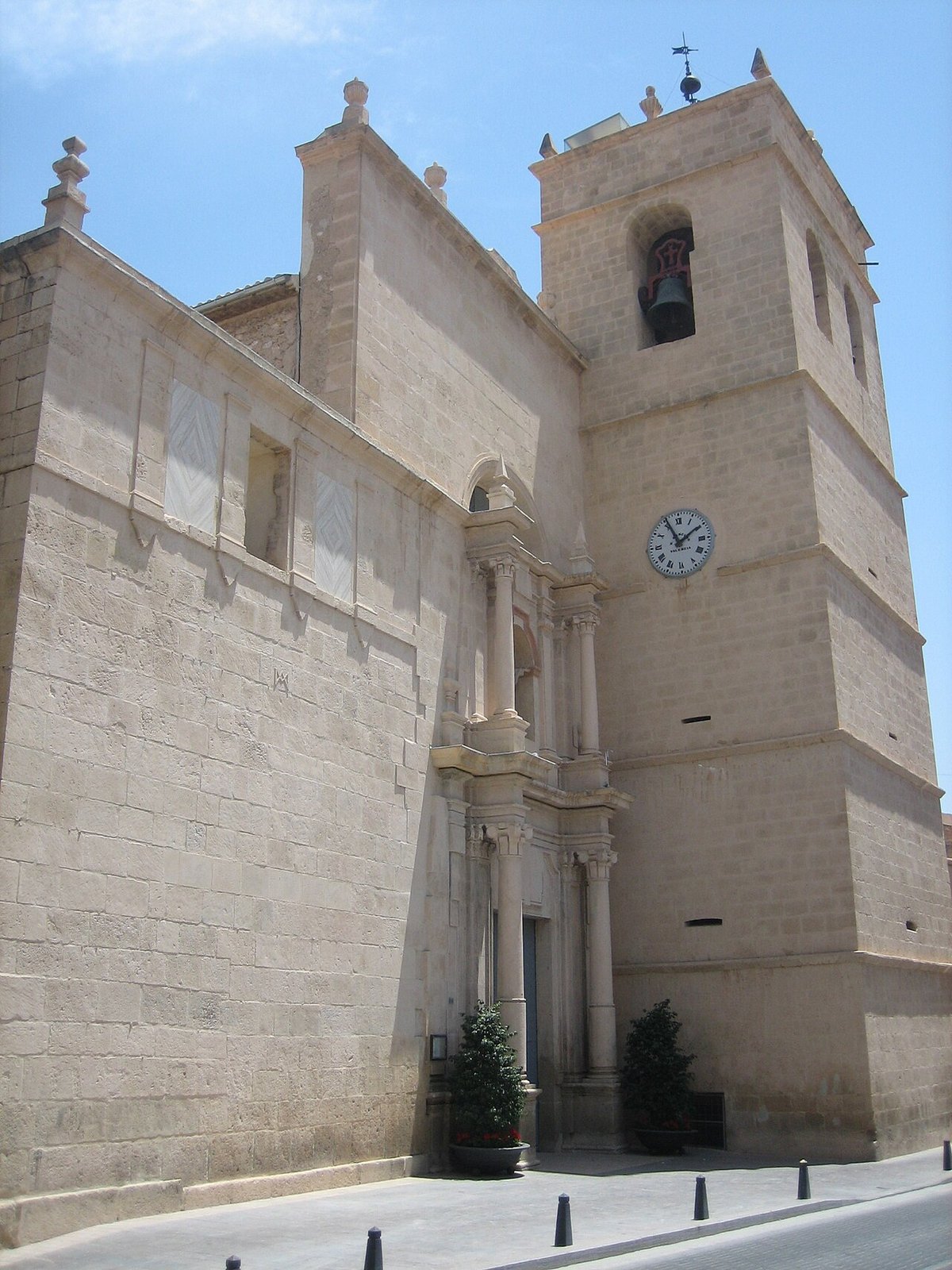
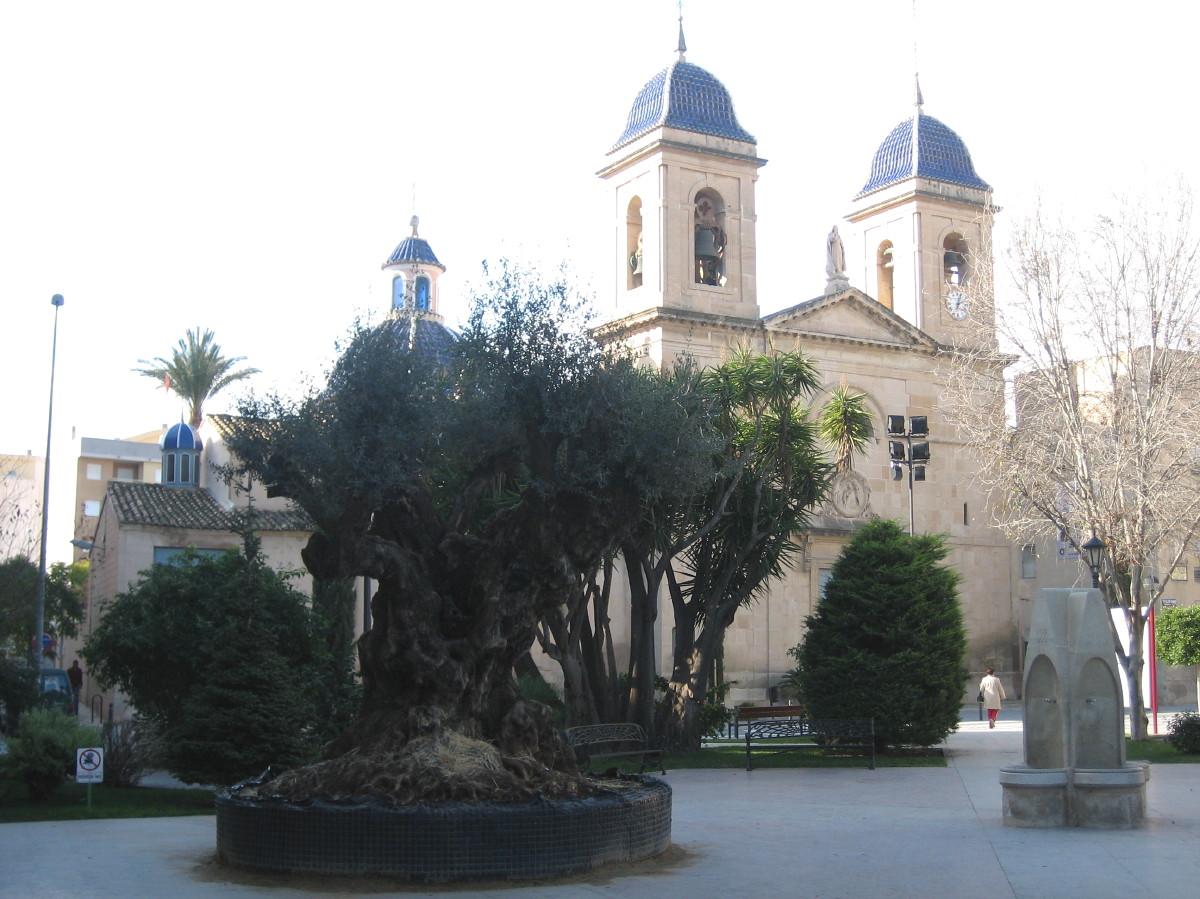
At the centre of Sant Vicent stands the church of San Vicente Ferrer, set in the main square as if everything else grew around it. In many ways, that is exactly what happened. The church predates the municipality as it is known today, from a time when this area was a district linked to Alicante rather than an independent town.
Back then, the church served as a gathering point for a scattered population. Its presence anchored the community long before the urban layout took shape.
The building itself is restrained. Its white façade follows a neoclassical style, without excess decoration. Inside, there is a familiar contrast found in many churches along Spain’s eastern coast: bright heat outside, cool stone and the faint smell of wax within.
Facing it across the square is the town hall, a late 19th-century building with clear modernist touches. These can be seen in the curves of the façade and the detailing on the balconies. The stone has taken on a warm, toasted colour after decades under the Levante sun.
Between the two, the square works as a shared living space. Benches are occupied, conversations unfold slowly, and the occasional card game stretches on longer than intended.
The station that speaks of another time
A short walk from the centre stands the former Raspeig railway station. Its role has changed, and modern transport now runs through different infrastructure, but the building remains.
It carries the look of traditional railway architecture, and for many years it was a key connection point between Alicante and inland areas. Goods, workers and travellers passed through here, using the train as a gateway to the region.
As the town expanded, what was once almost countryside has been absorbed into the urban fabric. The station now sits within the town rather than on its edge.
It is the kind of place that tells part of the area’s industrial past without needing explanation panels or displays. The building itself is enough to suggest what once moved through it.
Climbing the Tossal and reading the landscape
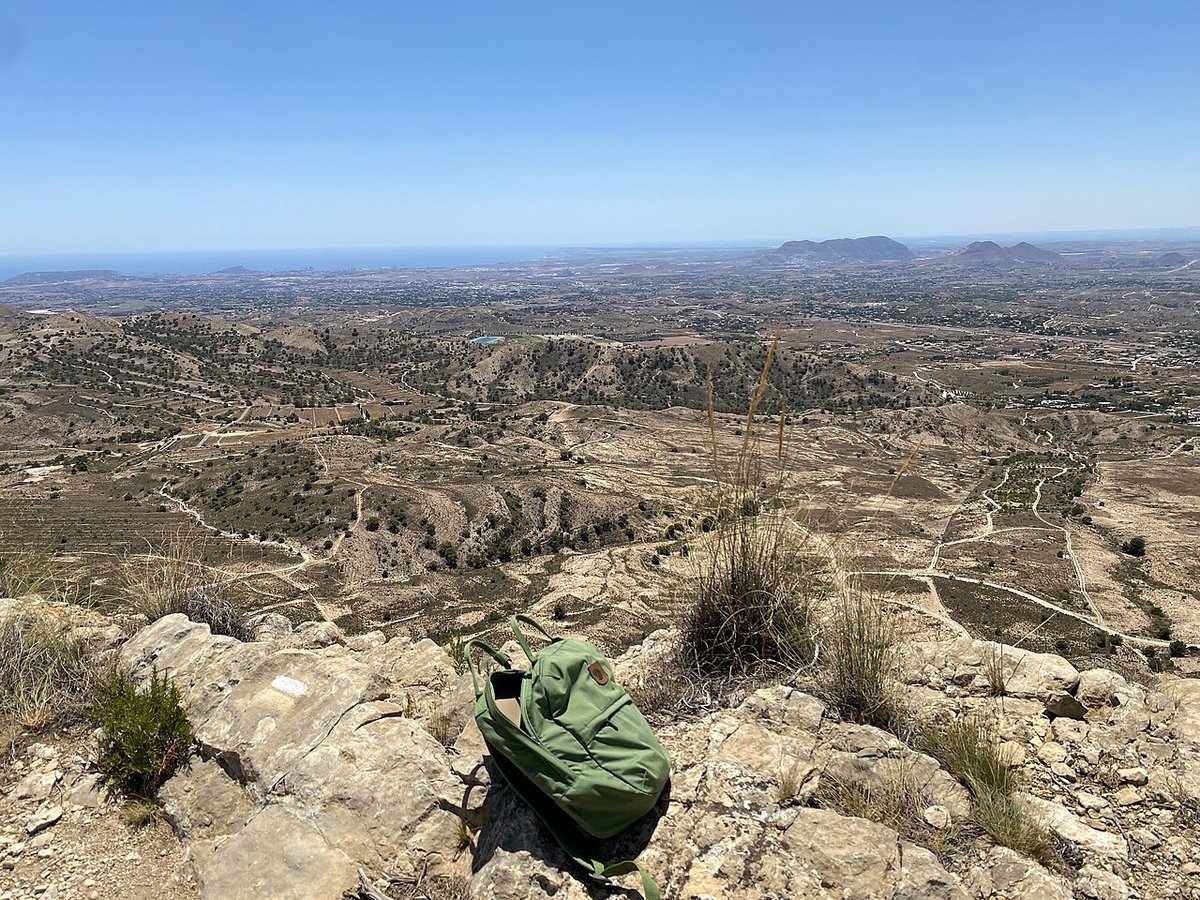
On the outskirts, low hills rise from the otherwise open terrain. They offer a simple way to understand the setting of Sant Vicent del Raspeig. One of the best-known routes leads up to the Tossal de les Cocas.
The path is straightforward: a dirt track, exposed to the sun, with limestone underfoot that crunches as you walk. There is little shade, and the landscape feels dry and open.
From the top, the wider picture becomes clear. Sant Vicent sits in a broad plain, surrounded by small mountain ranges. To the south, Alicante comes into view, and on particularly clear days there is even a hint of the sea in the distance.
The quarries stand out as well, marking an activity that has long been part of the local economy. Seen from above, the relationship between the town, the university and the roads connecting it to Alicante makes sense.
The municipal motto, “Sequet però sanet” which translates as “dry but healthy”, feels especially fitting here. The land is undeniably dry, yet the air moves cleanly, and quiet settles in as soon as the traffic fades behind you.
What you will actually find here
Sant Vicent del Raspeig does not present itself in the way some other towns in the province do. There is no medieval old quarter or endless cobbled streets. Its growth has been steady and functional, closely tied to its proximity to Alicante.
What stands out instead is everyday life. A weekly market that fills several streets. Students mixing with long-time residents. A daily rhythm that continues regardless of whether visitors are around.
Its location also shapes the experience. The city of Alicante and the coast are only minutes away, yet Sant Vicent offers a quieter setting, with space to move and a pace that feels more manageable.
This is not a place built around sightseeing. It is somewhere that reveals how life works in this part of Alicante when there are no guided groups or cameras. And for understanding a place, that can matter more than a long list of landmarks.