Full Article
about Benafigos
High-mountain village with sweeping views over the Monleón river; its isolation has preserved authentic rural architecture and complete peace.
Ocultar artículo Leer artículo completo
The church bell strikes noon, yet only three cars sit in the plaza. At 945 metres above sea level, Benafigos feels closer to the sky than to the Mediterranean sixty kilometres away. Stone houses shoulder against each other for warmth, their terracotta roofs the only splash of colour in a landscape of grey limestone and winter-kissed olive groves. This is the Alt Maestrat, a corner of Castellón province the package brochures forgot.
A village that measures time in shadows
Benafigos stretches along a ridge like a cat in the sun. One main street, three cross lanes, and a tangle of alleys that dead-end at threshing circles or sudden drops into the barranco. The population—135 on the register, fewer in winter—keeps the place ticking, not humming. Post van arrives at ten, bread van at eleven, and by half past the baker knows who’s having visitors this weekend. Strangers are clocked within minutes; a nod from the bench outside the ayuntamiento is the locals’ way of saying “we’ve seen you, you’re noted.”
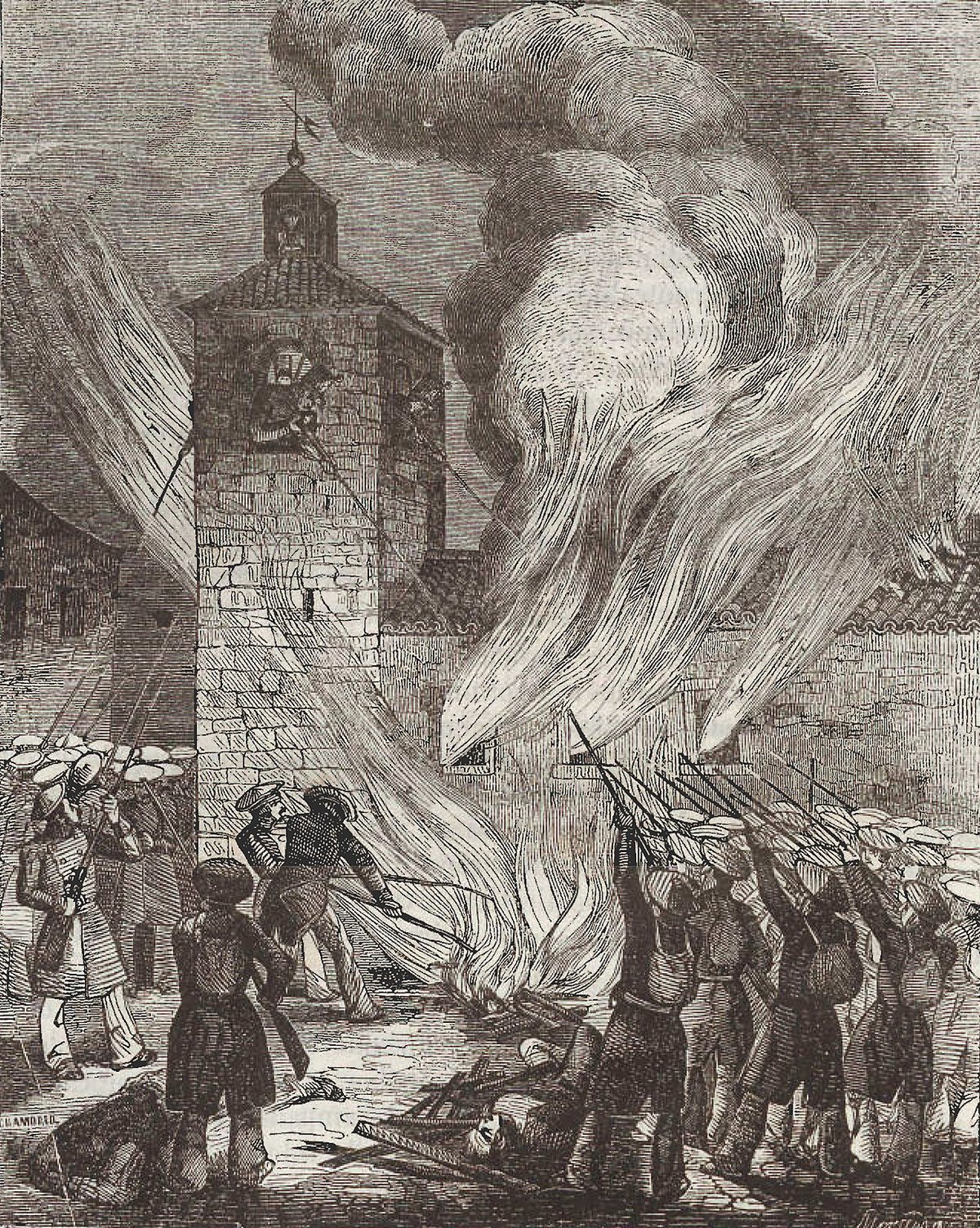
San Pedro Mártir watches over it all. The 16th-century church squats at the highest point, its single tower patched with brick where stone fell away during the Civil War. Step inside and the temperature drops five degrees; the scent is of wax, old timber and the rosemary someone has laid on the altar rail. No ticket desk, no audio guide—just a printed card asking for one euro towards roof repairs. Drop coins in the box and the echo tells you exactly how empty the building is.
Walking tracks that start at your doorstep
Every footpath is signed with hand-painted tiles: black capital letters on white, the paint already flaking. The PR-CV 147 sets off past the fountain, climbing through carob and almond terraces until the village shrinks to a handful of red roofs in a sea of pale rock. After forty minutes the track enters pine forest; the air smells of resin and wild thyme crushed under boots. Keep ascending and you’ll meet the Sierra de Vallivana skyline—jagged, inhospitable, magnificent. Binoculars help: griffon vultures wheel at eye level, and on windless days you can hear their wings cut the air.
Come properly shod. The stone is sharp, the gradients honest, and there is no café halfway to reward effort with a cortado. In summer, start before eight; even at this altitude the thermometer brushes 30 °C by eleven. Winter walks are quieter—possible snow above 1,000 m—yet the roads from Castellón can close when fog turns to black ice. Check the DGT traffic app the night before; the CV-15 is twisty enough in daylight.
A table for six, if you book
There are no hotels, no tapas trail, no artisan gift shop. What Benafigos does have is Ca Felipo, a restaurant that opens when José Felipo feels like cooking—usually Sunday lunch and the odd Saturday. Ring ahead; if he answers, he’ll ask how many lamb shoulders you want. The cordero lechal arrives on a pewter plate, meat sliding off the bone into pan juices sharpened with local rosemary. Pair it with a €12 bottle from Celler del Roure; the Mandó grape gives a light, almost Beaujolais nip that suits the altitude better than heavy Rioja.
Pudding is flaó, a cheesecake scented with anise and served warm. British palates expecting Mississippi-style sugar rush will find it restrained; ask for a half portion if you’re unsure. Coffee comes in glass tumblers—accept it, along with the fact that the bill is handwritten on the paper tablecloth and you’ll probably share the room with three generations of the same family celebrating a First Communion.
Cash only. The nearest cashpoint is in Ares del Maestrat, 18 km of hairpin tarmac away. Fill your wallet before you climb.
When the fiesta drum beats
Benafigos wakes up twice a year. The last weekend of April belongs to San Pedro: mass under hastily rigged fairy lights, a paella for 200 cooked in a pan the size of a satellite dish, and a Saturday-night disco in the plaza where playlists haven’t changed since 1998. August brings the Fiesta de Verano, timed for returning emigrants. Suddenly every house has Brussels-registered cars outside, satellite dishes ping, and teenagers who speak fluent Valencian with their grandparents switch to French or German among themselves. Visitors are welcome—expected, even—but this is self-service fun. Turn up with your own chair, your own beer, and nobody will mind if you dance badly.
The practical bit, without the glossy brochure
Getting here: Valencia airport is the smoothest gateway. Hire a car, join the A7 north, peel off onto the CV-10, then the CV-15 towards Ares del Maestrat. After the Ares turning, follow the brown signs; Benafigos appears 12 km later. Total drive from Valencia: 90 minutes if you don’t stop for photos of almond blossom. Castellón’s tiny airport now has summer flights from Stansted, cutting the journey to 60 minutes, but hire-car desks close for siesta—book ahead.
Sleeping: The village itself offers two self-catering houses, both booked by word of mouth. Ask at the town hall (open 9–2) and someone will ring the owner. Otherwise, Vistabella del Maestrat, 15 km south, has the pleasant Hostal El Cid and a Saturday market that sells the best sausages in the comarca.
Market day: Friday morning, main square. One veg stall, one clothes rail, one van sharpening knives. Arrive early; by eleven the vendor is packing up.
Weather: Four distinct seasons. Spring brings almond blossom and night frosts. July and August are dry but rarely stifling; nights drop to 16 °C, perfect for sleeping without air-conditioning. October is glorious—clear skies, wild mushrooms, 22 °C at midday. January can see minus figures; the stone houses were built for this, but bring slippers—the floors are frigid.
Language: Valencian first, Spanish second. English is effectively non-existent. A polite “Bon dia” on entering the bar earns warmer service than a confident “Hola”.
Parting shot
Benafigos will not change your life. It offers no Instagram moment to make followers weep with envy, no adrenaline hit, no souvenir beyond the bottle of olive oil José pressed from his own trees and sells from a crate in the restaurant porch. What it does offer is a calibration device for urban speed: a place where the day is measured by how far the sun has moved across the south-facing crag, where dinner is ready when the wood smoke rises from the chimney, and where the loudest sound at midnight is the church door creaking shut after the last villager has checked the sky for tomorrow’s weather. Come for 24 hours, stay for 48, and leave before you start expecting the bakery to stock sourdough.