Full Article
about Beneixama
Agricultural municipality with a fertile valley; it preserves traditions and well-maintained rural architecture.
Hide article Read full article
Late in the afternoon, when the sun drops towards the fields of the Alt Vinalopó, the main square of Beneixama slips partly into shade. The church tower fixes the centre of the village. Its bells ring out sharply, without a long echo. On the whitewashed façades the light turns yellow, almost dusty.
Beneixama is small enough to cross at an unhurried pace. The streets are short, some rising gently, and the bell tower is almost always visible, a simple point of reference above the rooftops.
The Quiet Rhythm of the Old Centre
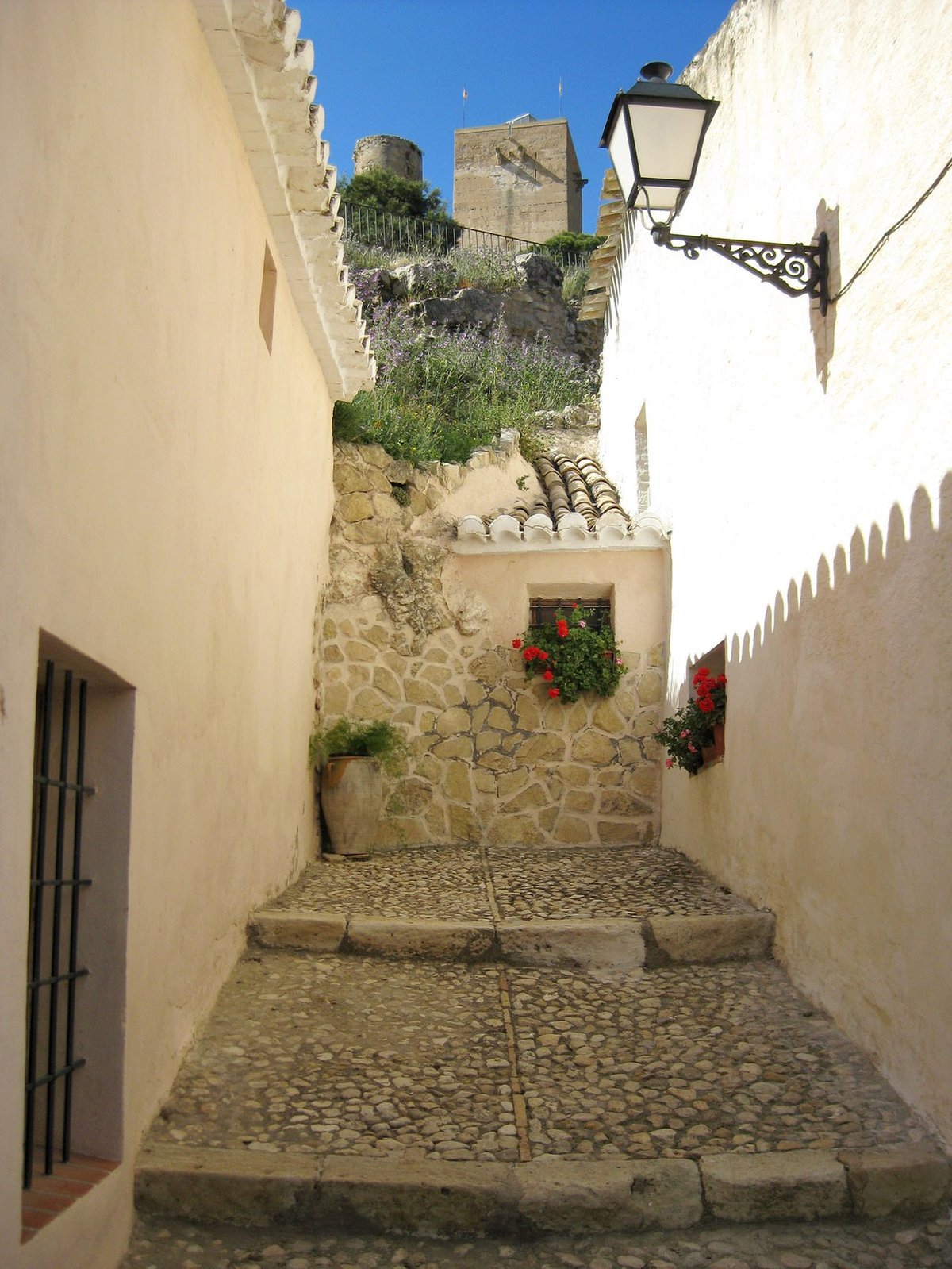
Life here revolves around the parish church of San Pedro Apóstol. Its bulk dominates the low houses around it. White walls repeat from street to street, joined by iron window grilles and heavy wooden doors. Occasionally there is a flowerpot set on a sill. Sometimes a door opens briefly and a glimpse of an interior courtyard appears before closing again.
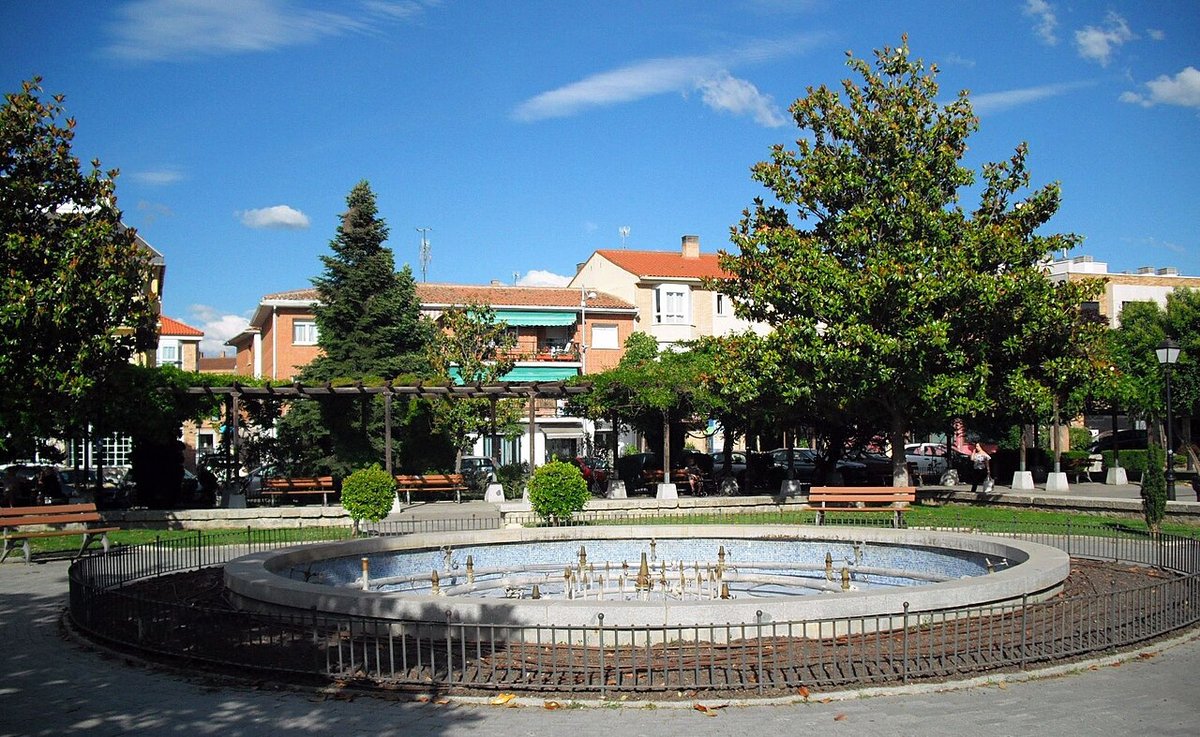
The square acts as a meeting place. In the late afternoon people often sit on the benches, watching whoever crosses from one narrow street to the next. There is no sense of rush. Conversations are brief. Footsteps carry across the stone paving.
In summer it makes sense to walk early in the morning or towards dusk. At midday the heat of inland Alicante lingers between the walls and settles heavily over the centre.
The layout is straightforward and distances are short. The scale of the place encourages wandering without a plan, letting the repetition of façades and corners set the pace.
Fields That Shift with the Seasons
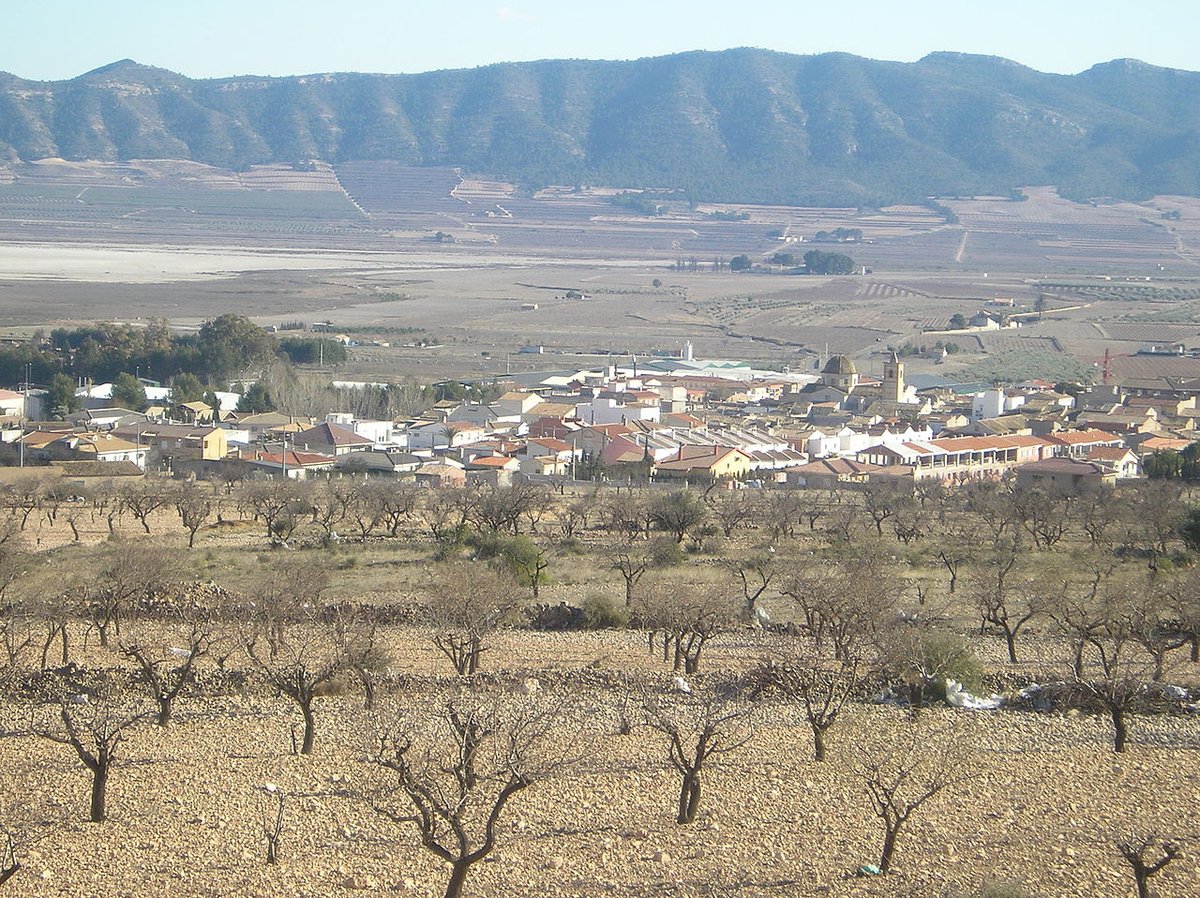
Step beyond the last houses and the terraces begin. Almond trees and olive groves dominate, with some plots of vine completing the pattern. In February, almond blossom lightens the landscape in white and pale pink. By summer the ground hardens and turns ochre, and the prevailing scent is dry earth mixed with the remains of pruning.
Old irrigation channels still cut across parts of the farmland. They do not always carry water, yet they trace the older design of cultivation. Walking beside these narrow margins offers a sense of how the land has been worked for generations. The geometry of the terraces, irregular but persistent, speaks of long routines shaped by climate and soil.
The vineyards form part of the wider agricultural landscape of the Alt Vinalopó. They are not separate from daily life but woven into it, another layer in a setting defined by cultivation.
The countryside does not overwhelm with dramatic features. Its changes are gradual and seasonal: blossom, harvest, dry months, then cooler days when the light softens again. Each period alters the colour of the fields and the way the village sits against them.
Short Walks and Open Views
On the outskirts, among pines and low scrub, stands a small ermita, a rural chapel typical of many parts of Spain. It faces out towards the valley. From here, paths climb to gentle hills. These are not long or demanding routes. In less than an hour it is possible to gain enough height to see Beneixama in full: the bell tower rising above pale roofs, surrounded by an uneven grid of fields.
Silence is usually broken only by the flight of a bird of prey or the abrupt rustle of a partridge taking off from the undergrowth. The sounds are brief and sharp, quickly absorbed by the open air.
Those arriving by car will find it simplest to leave it at the edge of the village and continue on foot. Everything lies close together, and walking allows the shift from streets to fields to feel gradual rather than abrupt.
The views from the low hills clarify the relationship between settlement and farmland. The village appears compact, gathered around the church, while the cultivated plots extend outward in a pattern that is neither perfectly ordered nor random.
Food from Field and Hearth
Local cooking combines inland recipes with produce from nearby gardens. Dry rice dishes prepared with vegetables appear frequently, as do gazpachos manchegos. This traditional stew from the interior of Spain is made with pieces of flatbread and meat, though variations exist. When colder weather arrives, spoon dishes come to the fore, hearty preparations designed to warm.
There are also simple sweets associated with feast days and family celebrations. Their presence is tied to the calendar rather than to everyday routine.
Wine accompanies these substantial meals. The surrounding vineyards are part of the agricultural identity of the Alt Vinalopó, and local wine commonly finds its place at the table. It sits naturally alongside rice dishes, stews and seasonal vegetables drawn from the huerta, the small irrigated plots that still survive in places.
Food here reflects the setting: straightforward, linked to the land, shaped by weather and the cycle of work in the fields.
When the Calendar Sets the Pace
Festivals continue to shape life in Beneixama. Celebrations dedicated to San Pedro fill the streets with music, parades and religious events. The atmosphere shifts noticeably. Public space becomes the stage for collective activity, and familiar corners take on a more animated role.
There are also summer days when long tables occupy the squares, set for shared paellas, followed by dancing late into the night. These gatherings temporarily alter the quiet rhythm that defines much of the year.
During Semana Santa, Holy Week in the lead-up to Easter, the tone changes again. Processions move slowly through the narrow streets. The scent of homemade sweets drifts from many kitchens, blending with the more solemn cadence of the steps and the measured pace of those taking part.
Outside these dates, Beneixama returns to its usual tempo. Mornings are calm. Blinds remain half lowered against the light. The bells mark the hours with punctual clarity, their sound cutting through the stillness of the nearby countryside.
The village does not seek to transform itself beyond these moments. Its character lies in continuity: short streets, fields that alter with the months, and a church tower that remains visible from almost every corner. In the late afternoon, as shadow reaches across the square and the façades turn that dusty shade of yellow, the sense of scale and rhythm feels complete.