Full Article
about Biar
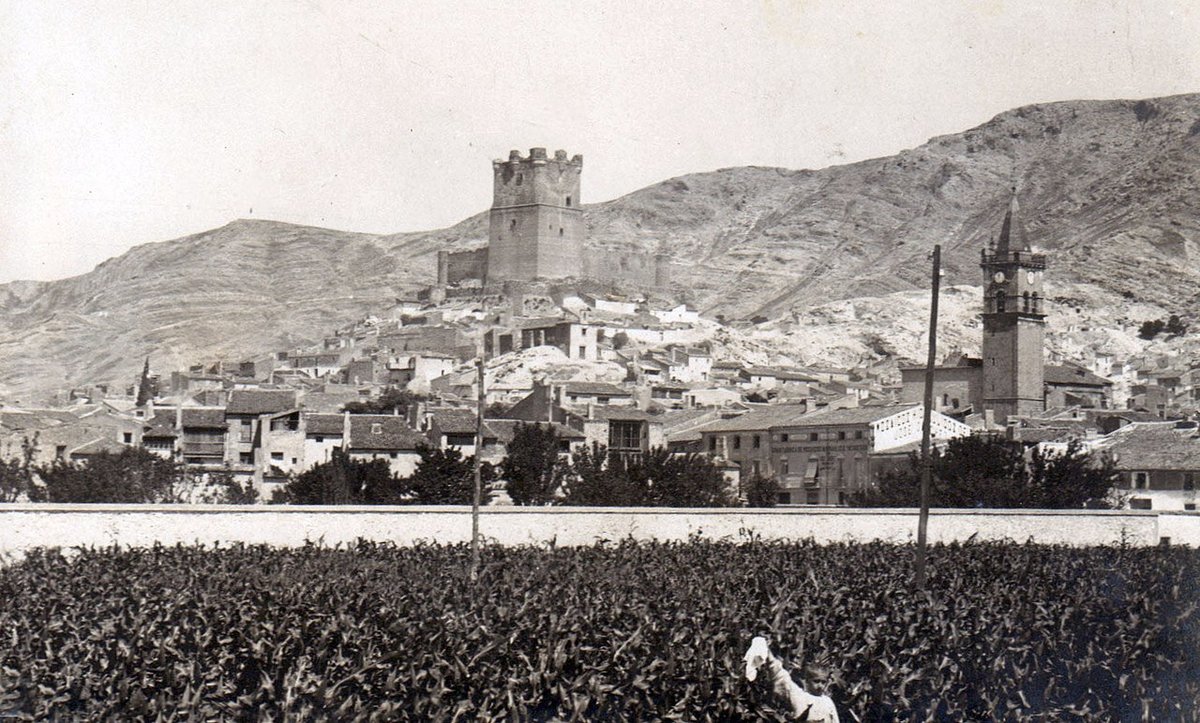
Historic town crowned by an imposing Almohad castle, ringed by pine forests.
Hide article Read full article
A Quiet Name on the Map of Alicante
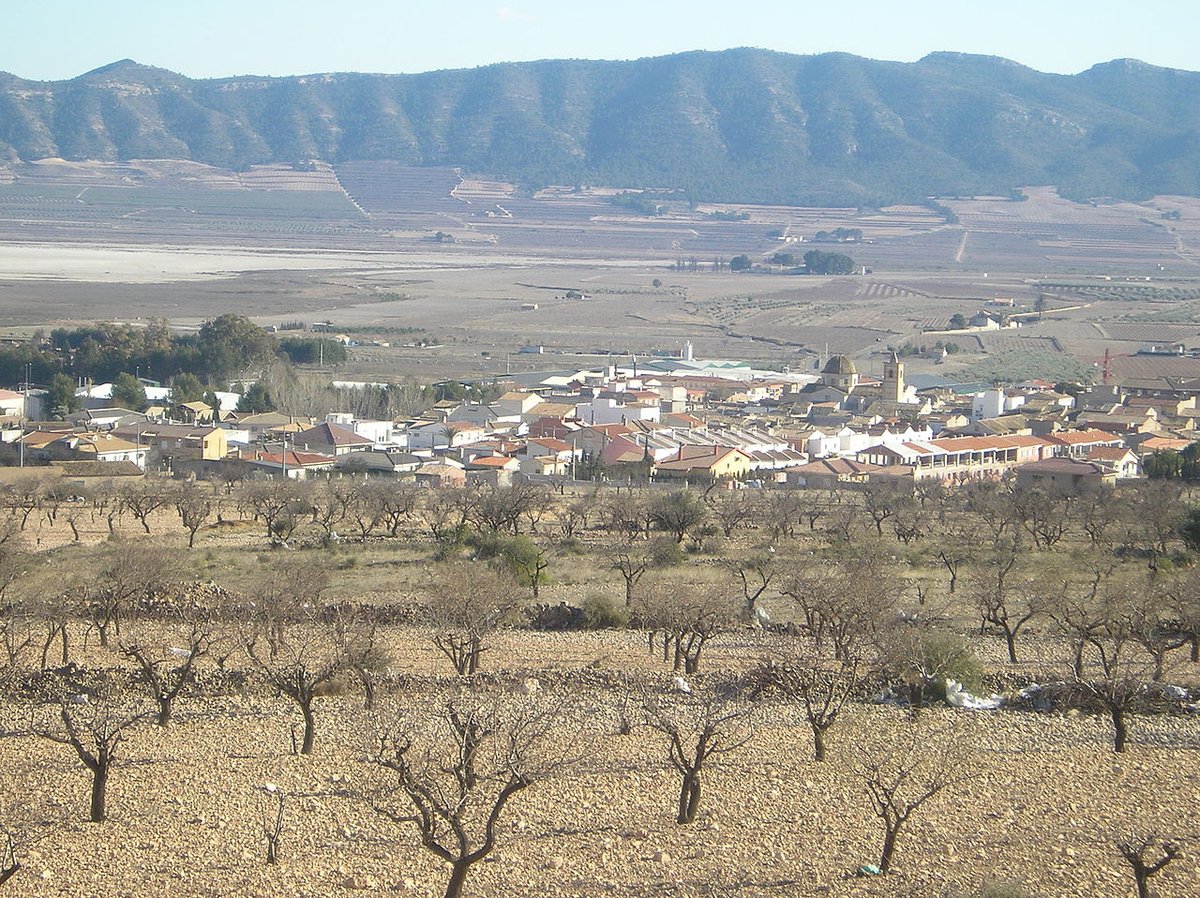
Biar is the sort of place that barely registers until it suddenly keeps cropping up in conversation. A town of just over 3,600 residents in the Alto Vinalopó area of Alicante province, it has begun to appear more often in searches for quieter corners of the Comunidad Valenciana. There has been no reinvention, no attempt to dress it up as the latest rural trend. The explanation is simpler.
Biar has a well-preserved medieval castle and the steady rhythm of a town that still behaves like one. Life moves at a pace that does not need modern labels. People stop to talk in the street. The outline of the hilltop fortress still defines the horizon. There is no beach, no long checklist of headline attractions. What there is, instead, feels consistent with its setting.
The Castle That Still Dominates
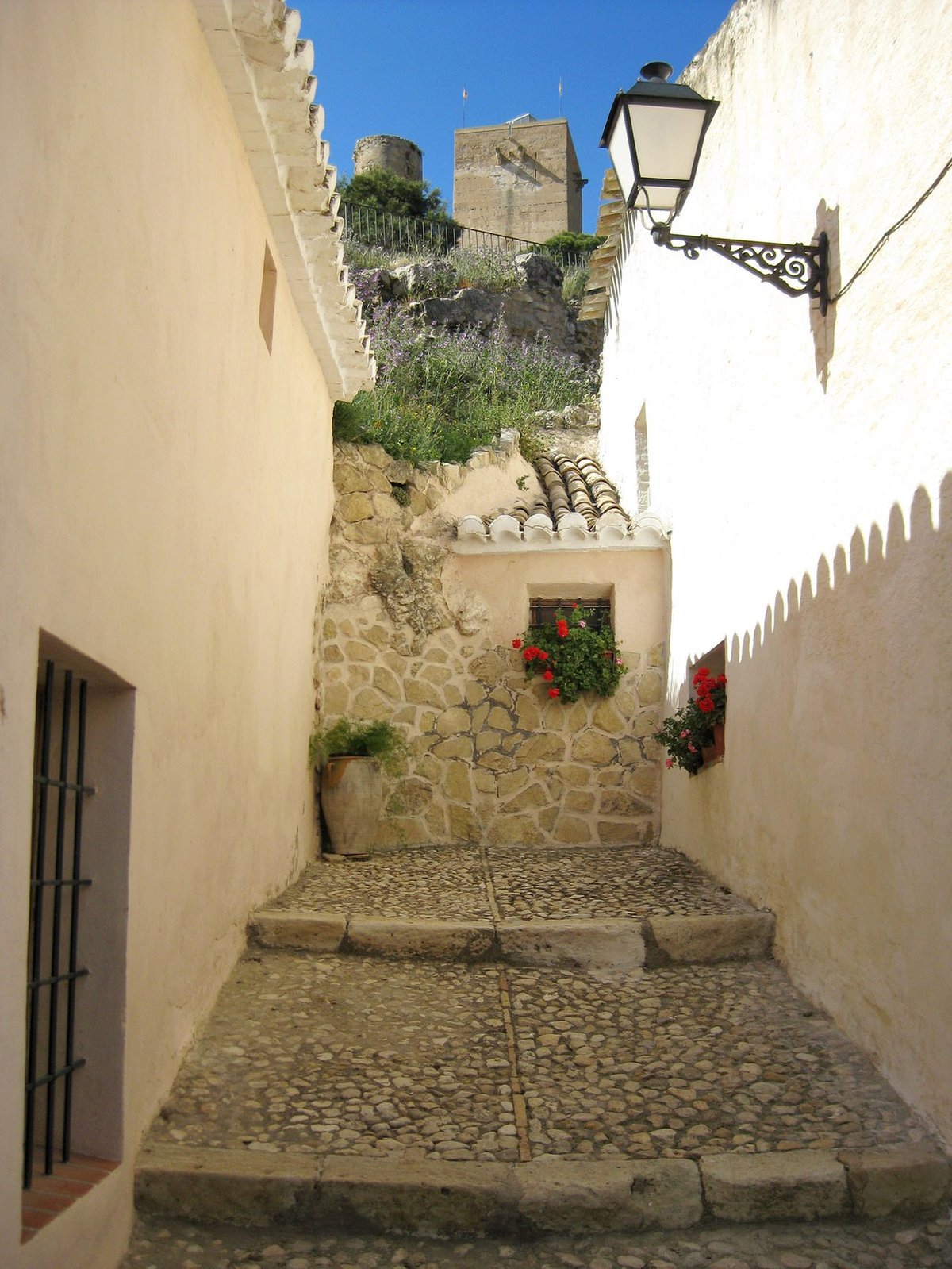
Reaching the Castillo de Biar involves climbing a series of steep streets that test both patience and handbrakes. At the top, the fortress stands rooted in the rock, as if it had no intention of ever leaving.
It is not vast, nor does it resemble a film-set stronghold. Its appeal lies elsewhere. The castle feels authentic, with little theatrical staging around it. Stone walls rise directly from the hillside. The wind moves freely across the open space. Silence does much of the work.
Inside stands the well-known Almohad vault in the keep, often described as one of the oldest preserved in Spain. Step beneath it and the reason for its reputation becomes clear. The structure has endured for centuries without fuss, a quiet piece of engineering that has simply remained in place while history unfolded around it.
From the top, the Vinalopó valley stretches out below like a broad classroom map. There are no unusual walkways or modern additions competing for attention. The landscape is open and legible. It helps to know that James I of Aragon captured this fortress in the 13th century during the southward expansion of his kingdom. It is the kind of historical detail that tends to resurface later, perhaps over lunch, when conversation turns to where the day has been spent.
Festivals That Belong to the Town
In May, when the heat is still manageable, Biar celebrates its Moros y Cristianos festival. These festivals are common across this part of Spain, commemorating medieval battles between Muslim and Christian forces. Each town has its own particular customs. In Biar, people often point to the Baile de los Espías.
The scene centres on figures dressed as Moorish spies who, according to tradition, attempt to retake the castle. Today the episode is remembered through music and dance. On paper it may sound unusual. In the streets it fits naturally into the wider celebration. It is simply part of the programme, woven into the identity of the festival rather than presented as spectacle.
The atmosphere does not feel designed for social media. Participation comes from familiarity. Many residents have watched the same scenes unfold year after year since childhood. In a time when some festivals seem curated for cameras, that sense of continuity stands out.
Around the same dates, the Bajada de la Virgen also takes place. The Virgin is brought down from her sanctuary in the sierra, accompanied at night by bonfires visible from a distance. When the timing coincides with a visit, it becomes easier to grasp the connection between the town and the surrounding hills. The route from mountain sanctuary to urban streets is not simply geographical. It reflects a shared tradition that links landscape and community.
Dishes Built for Colder Days
The cooking in Biar makes sense of its inland setting. Olla de la plana sounds modest: white beans, cardoons, turnips and some meat for depth. Yet it works. This is the kind of stew suited to cold days in the interior, when wind descends from the sierra and the temperature drops.
Gazpacho viudo belongs to the same domestic tradition. The name, which literally means “widowed gazpacho”, refers to the absence of certain ingredients found in other versions. In Biar it is usually accompanied by game meat or by simple preparations that vary with the season. The logic is practical rather than decorative.
There are also stews made with tagarninas, identified locally as wild greens gathered from the countryside. For visitors the word may sound unfamiliar. In inland towns these ingredients form part of everyday cooking, passed down without ceremony.
At Christmas, rollets de Nadal appear in many homes. These are thin, sweet rolls prepared for the festive season. They tend to surface whenever families gather. Their presence feels less like a product to be sampled and more like a small ritual repeated year after year.
A Short Walk into the Sierra
For those who prefer a straightforward route without too much gradient, the PR‑V 55 path leads from the town to the sanctuary. The distance is around five kilometres and can be managed at an unhurried pace. The path leaves the streets behind and gradually enters the sierra that encircles Biar.
Near the sanctuary stands a large Oriental plane tree that locals mention with pride. Estimates of its size vary depending on who is asked. In person, the trunk appears so wide that it would not look out of place in a city park. Its presence beside a mountain sanctuary feels slightly unexpected, yet entirely accepted.
Not far away lies the Pozo de la Nieve, one of the old snow wells found in the area. This is a large excavated deposit where compacted snow was stored to preserve ice for months. Before refrigeration, entire communities relied on such structures. Standing beside it, the idea that a town once depended on stored snow for cooling and preservation becomes easier to picture.
A Town That Does Not Pretend
Biar does not attempt to be something else. There is no coastline to compete with Alicante’s beaches. There are no grand theme attractions. The interest lies in continuity: a castle that still shapes the skyline, festivals that remain rooted in local participation, dishes that respond to the climate and terrain.
The town’s scale makes it manageable. Streets climb towards the fortress. The sierra begins just beyond the last houses. The Vinalopó valley opens out below. Everything seems proportionate to everything else.
For travellers seeking noise or constant distraction, Biar may feel understated. For those content with stone walls, valley views and traditions that continue without much commentary, it offers exactly what it promises.