Full Article
about Cañada
A farming village devoted to olives and almonds; quiet, with traditional architecture.
Hide article Read full article
Cañada is the kind of place you drive through on your way to somewhere else. You glance out the window, see a church tower and a cluster of houses, and keep going. I did that for years. Finally stopping felt less like a discovery and more like scratching an itch. What’s actually there?
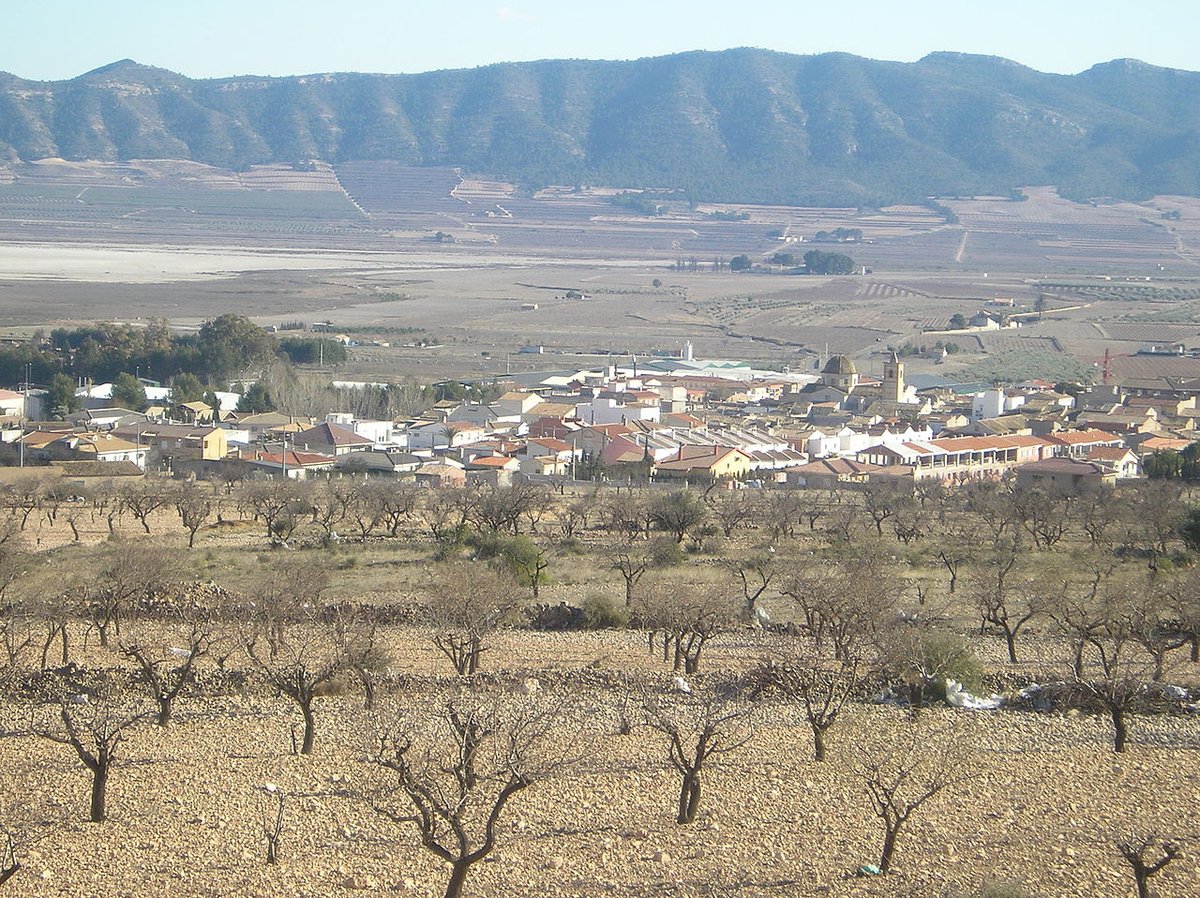
You park by the plaza, walk for ten minutes, and you’ve basically seen it. That’s it. A village of about twelve hundred people in the Alt Vinalopó, surrounded by dry fields and almond groves. The rhythm here is set by tractors, not tourists.
If you’re after grand architecture or a curated historic centre, you’ll be disappointed. This isn't that. The point of Cañada is seeing how a working agricultural town in inland Alicante just carries on, completely indifferent to the coast’s hustle.
The Church, the Streets, and the Fields
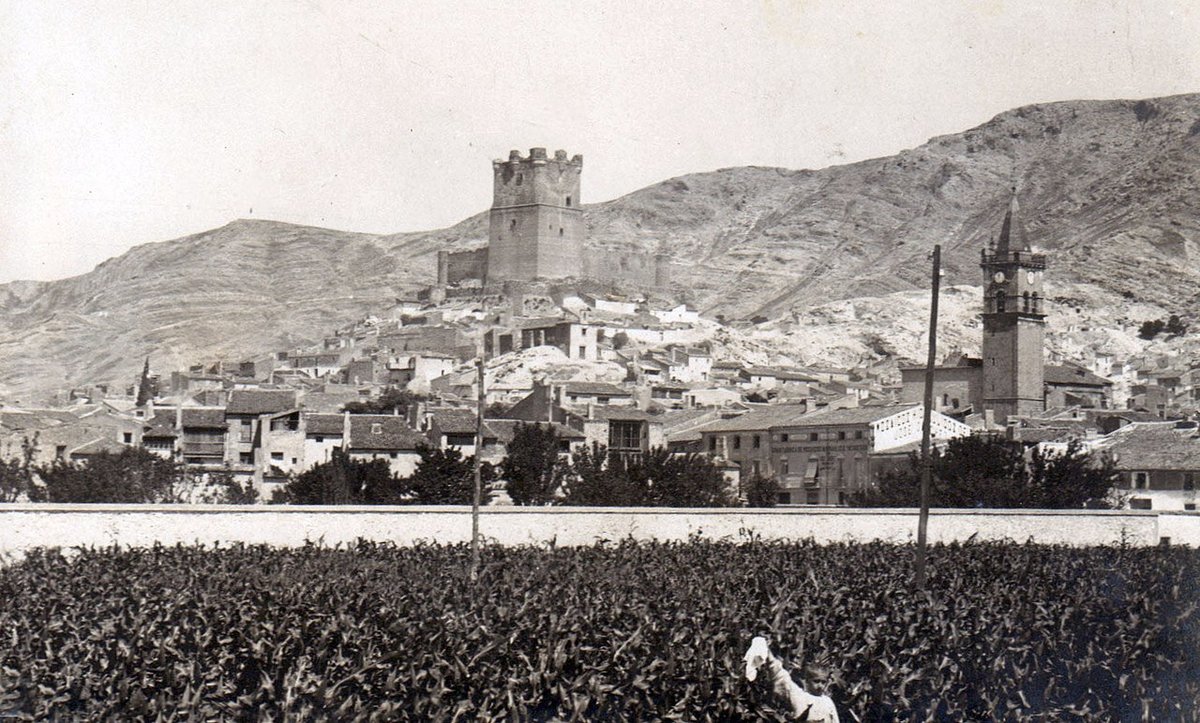
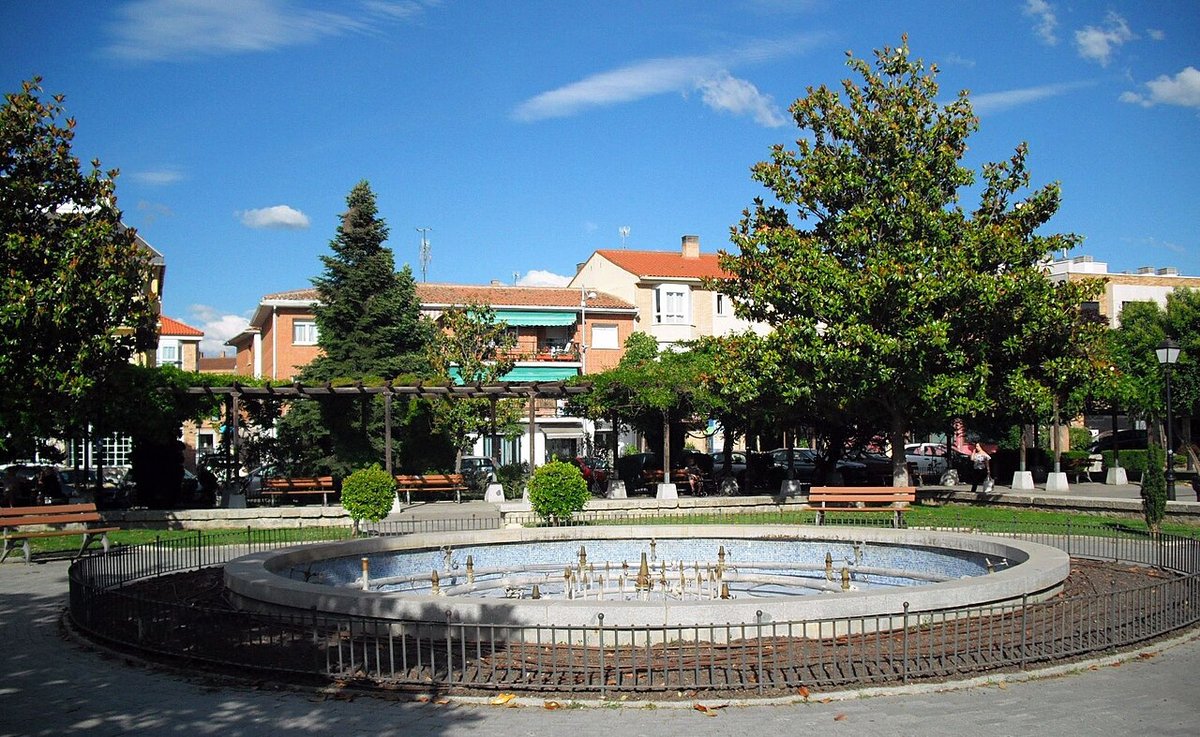
Everything circles around the Iglesia de San Roque. It's a solid, no-nonsense building with a bell tower you can use to orient yourself from anywhere in town. The square in front of it is where things happen, or where people stand around when things aren't happening.
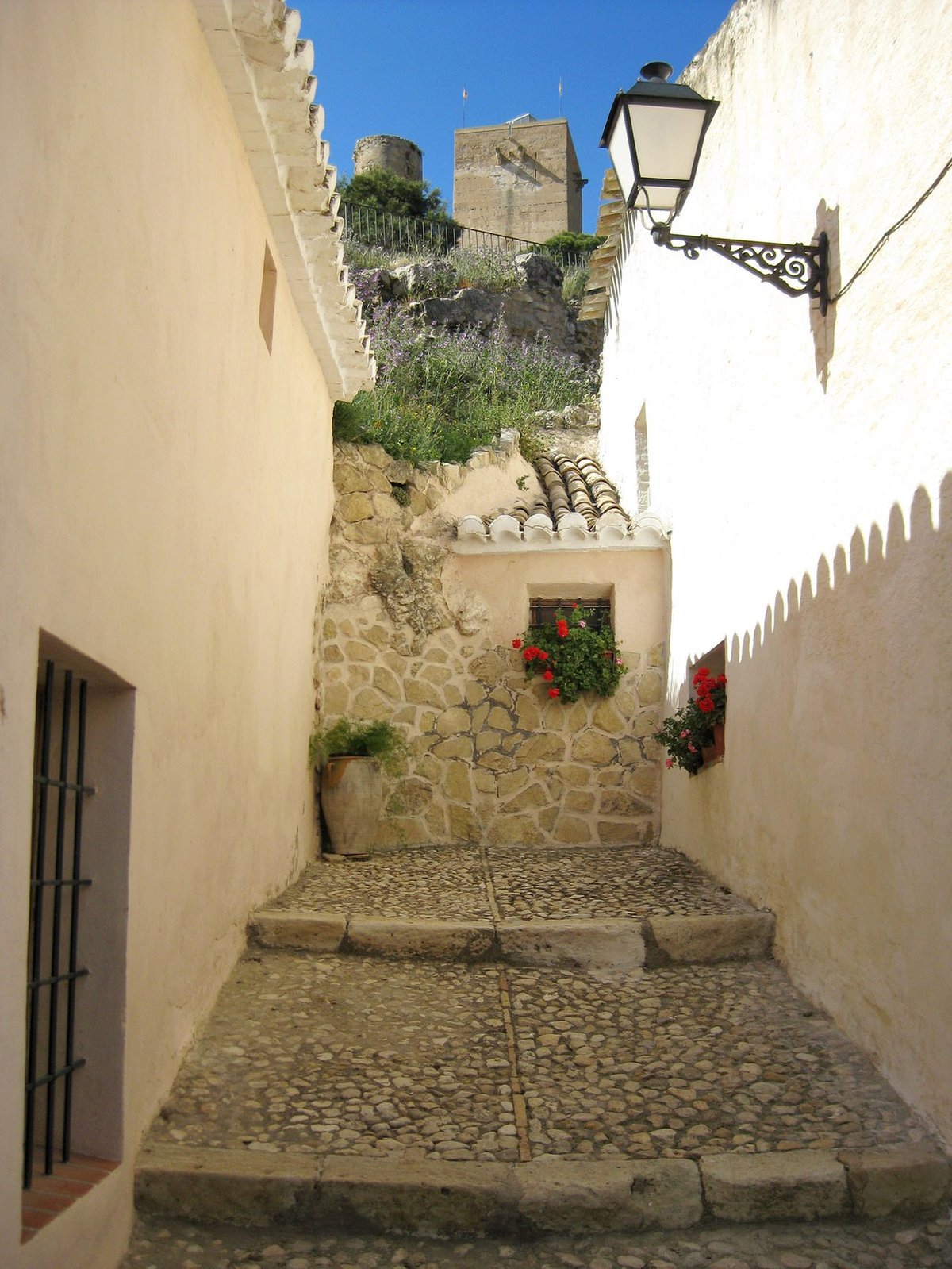
The streets that run off it are narrow, lined with two-story houses. You see good wrought-iron work on some balconies and stone doorways worn smooth on others. It feels lived-in, not staged. You get the sense that behind most doors there's a family that's been here for generations.
Walk five minutes in any direction and you're in the fields. Almonds, vines, olive trees. The mountains sit on the horizon like a backdrop someone forgot to change. This landscape isn't pretty in a postcard way; it's functional. And that function—agriculture—is what built the village you just left.
Come in late winter if you want to see it shift. The almond blossom comes in patches, not a uniform sea of white. It's subtle. You might drive past without noticing unless you're looking for it.
Putting Boots on the Ground
The best thing to do here is walk out of town. Don't expect signposted hiking trails with fancy names. You follow the caminos rurales, the dirt tracks farmers use to get between plots.
They make easy loops around the perimeter or cut straight through farmland towards distant barns. The walking is flat and simple, but your perspective changes completely. You start to see how every road in town leads back to a field.
For photos, get up early or stay late. The light slants across the Vinalopó valley and turns everything gold or deep green depending on the season. An hour or two of this is enough. You'll understand the place better than if you'd spent all day poking around its three streets.
Eating What Grows Here
The food mirrors the landscape: straightforward and hearty. This is stew territory, where almonds and olive oil from nearby groves are kitchen staples, not boutique ingredients.
You'll find recipes built around what's available locally—garden vegetables, rabbit, nuts—often saved for Sunday lunches or fiestas. It's filling stuff designed for people who work outside all day.
When the Village Wakes Up
The main event is the fiesta for San Roque in August. The normal quiet gets packed away and replaced with noise, crowds, and shared tables in the street. It has that familiar village feel where everyone knows everyone else's business.
In late winter, talk turns to la floración. The almond blossom is a brief local event, not a major festival. Some years there might be an organised walk to see it before it fades.
A Practical Stop, Not a Destination
Cañada sits near Villena and right off the A-31 motorway. From Alicante city, it's about 45 minutes if traffic plays along.
The last bit of driving is on quiet local roads through open farmland setting the mood before you arrive.
You don't need a plan here Park walk for an hour or two through the fields get back in your car That's how villages like this work best as a quiet pause not as a main event