Full Article
about El Camp de Mirra
Historic site where the Treaty of Almizra was signed; small and surrounded by farmland.
Hide article Read full article
A small village on historic ground
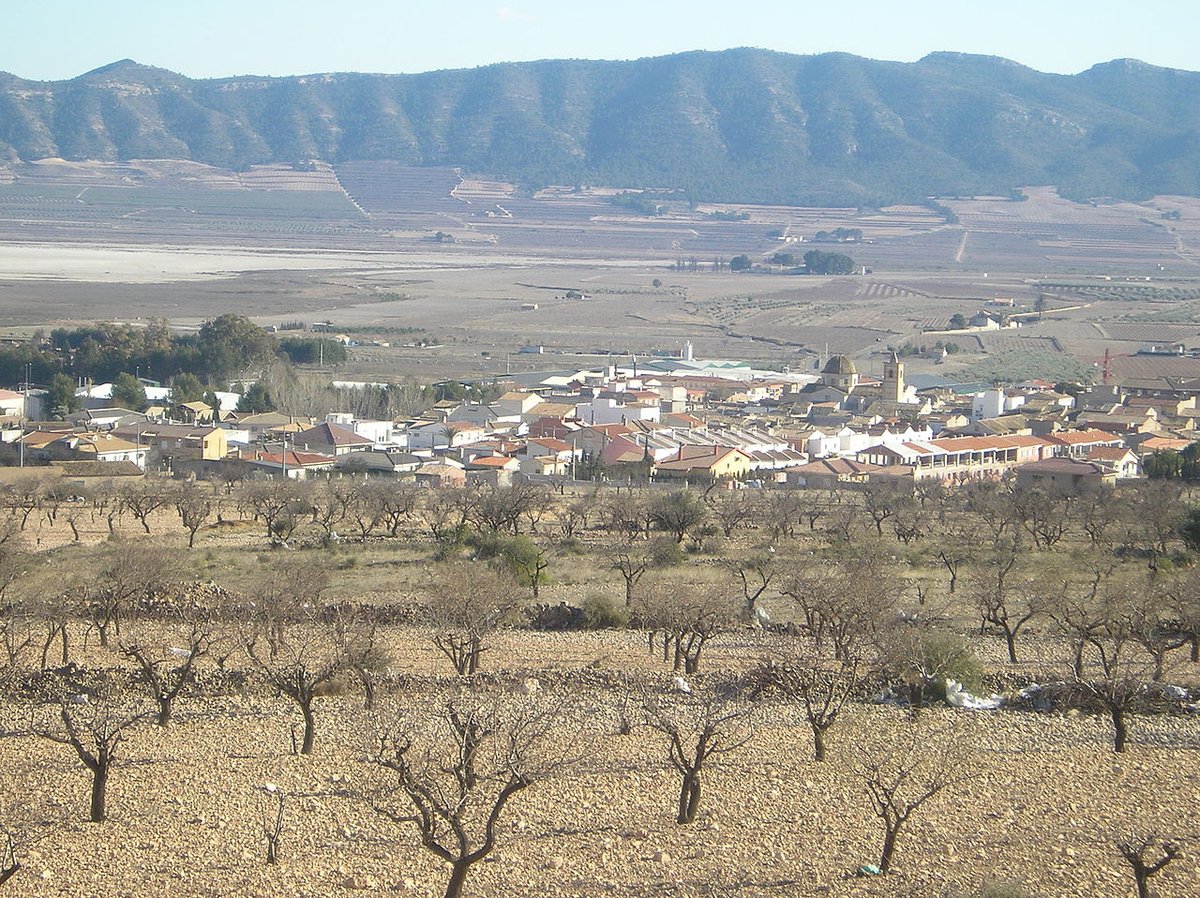
At the western edge of Alicante province, in the higher lands of the Alt Vinalopó, El Camp de Mirra keeps the scale and rhythm of an agricultural village. It has just over four hundred residents and sits a little above 600 metres above sea level, on a modest plain encircled by low hills. Life here has long been shaped by dry farming and by its position as a border area between territories.
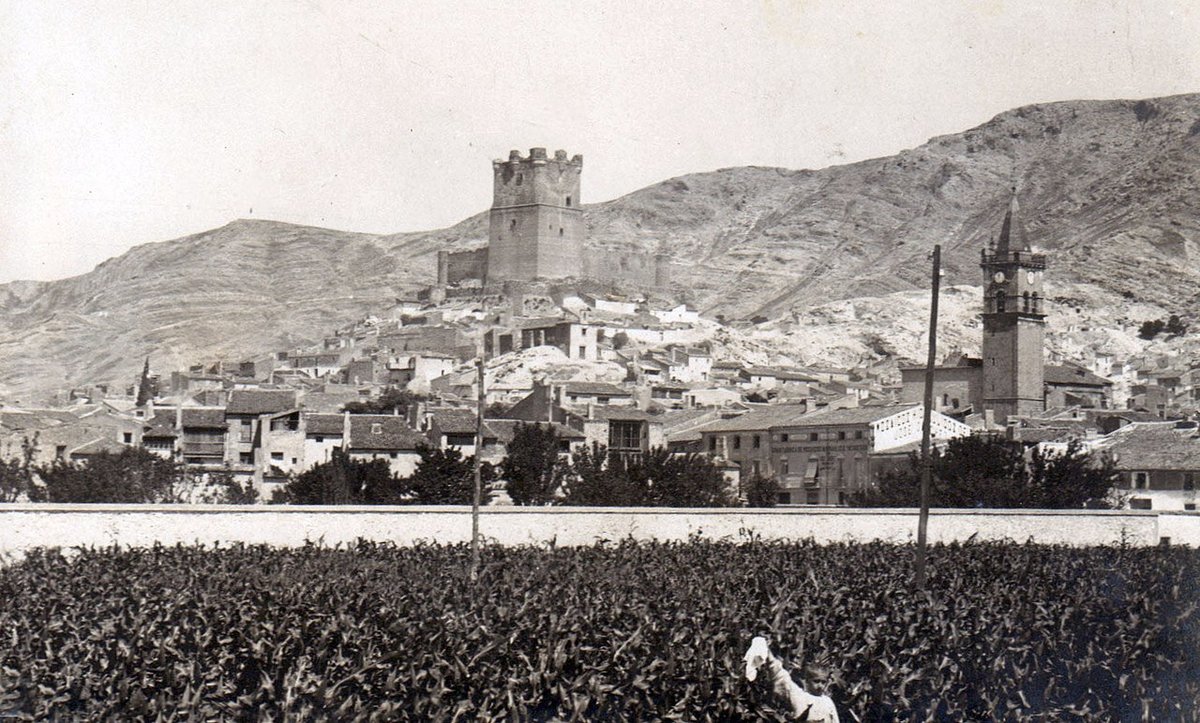
The village name appears in medieval chronicles because of a specific event: an agreement signed in the 13th century between the crowns of Aragón and Castilla to define their الحدود in this part of the peninsula. That pact, known as the Tratado de Almizra, is linked to the castle that overlooks the surroundings of the village and still gives context to its past.
Fields and seasons in the Alt Vinalopó
Around the built-up area, the land opens into a patchwork of vineyards, almond trees and small plots supported by dry-stone walls. This is a familiar landscape in inland Alicante, where every workable stretch of soil has been shaped with patience over time. Terraces step down the slopes and offer a clear sense of how generations have worked this terrain.
The changing seasons are especially noticeable here. At the end of winter, almond trees come into bloom. Summer brings a harsher, drier look to the countryside. In autumn, the vines shift in colour ahead of the grape harvest. It is not a dramatic landscape, but it reflects the character of this part of the Vinalopó with clarity.
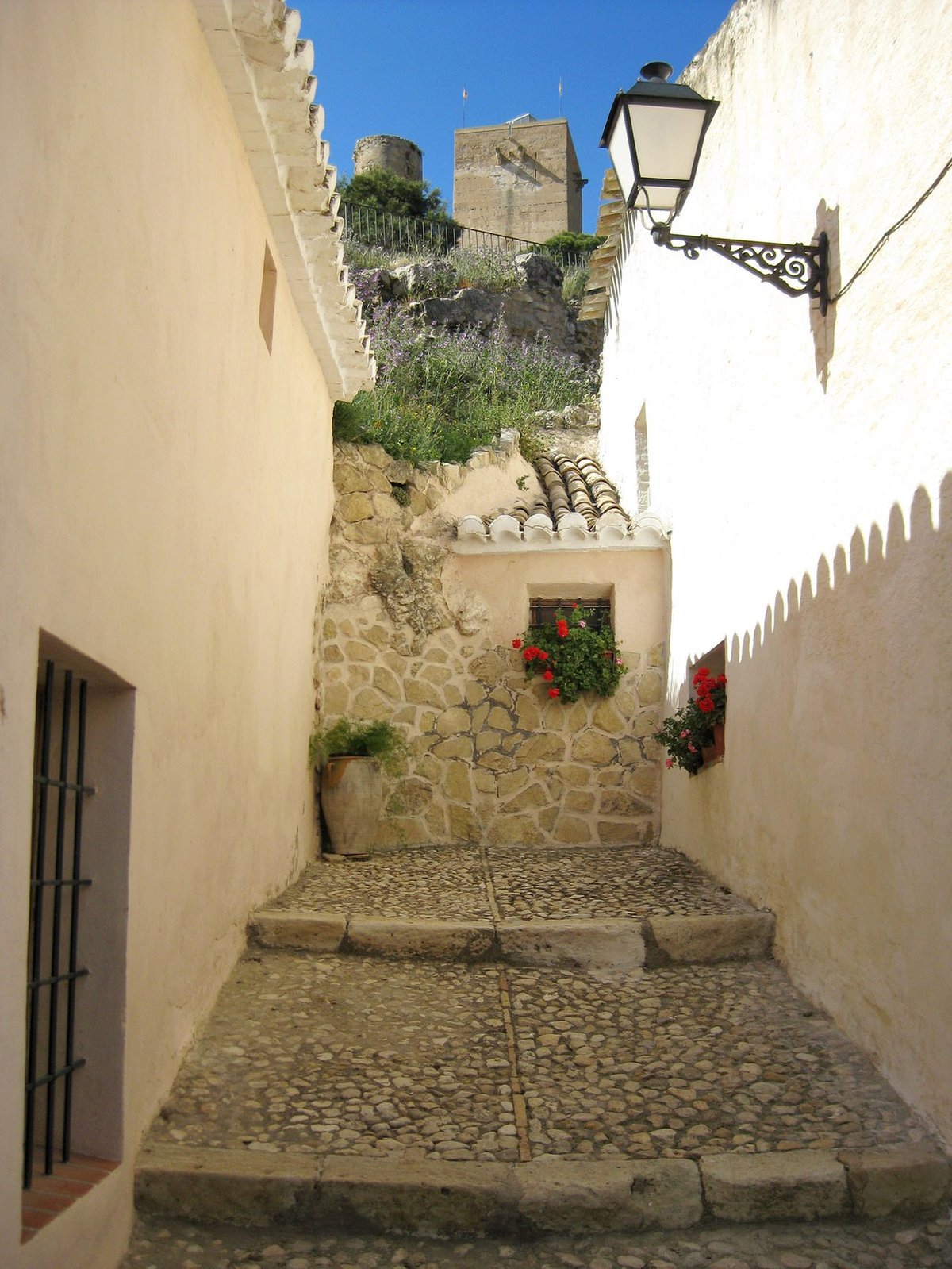
The village itself is simple in form. Houses are low, with whitewashed façades and tiled roofs. There are no major monuments or streets designed for tourism. This is primarily a place where daily life continues at its own pace.
Almizra Castle and a medieval boundary
A short distance from the village stand the remains of the Castillo de Almizra, a fortification of Islamic origin dating back to the 11th century. What survives today includes sections of wall and parts of the structure, enough to suggest its original role: overseeing a natural passage between valleys.
This setting is traditionally associated with the signing of the treaty in 1244 that fixed the सीमा between the kingdoms of Jaime I of Aragón and Alfonso X of Castilla. The agreement influenced the organisation of these lands for centuries and helps explain why this comarca became part of the Valencian sphere.
The interest of the site lies less in the preserved architecture and more in what it represents within the broader context of medieval expansion towards the south.
Walking the surrounding countryside
The terrain around El Camp de Mirra is well suited to unhurried walks. Agricultural tracks and small ravines can be followed without much difficulty. Many of these paths trace older routes between plots, marked by stone walls that once defined property boundaries and sheltered crops from the wind.
Cyclists are also a common sight in the area, passing through the village and linking it with other parts of the Alt Vinalopó via rural tracks and secondary roads.
Traditions rooted in rural life
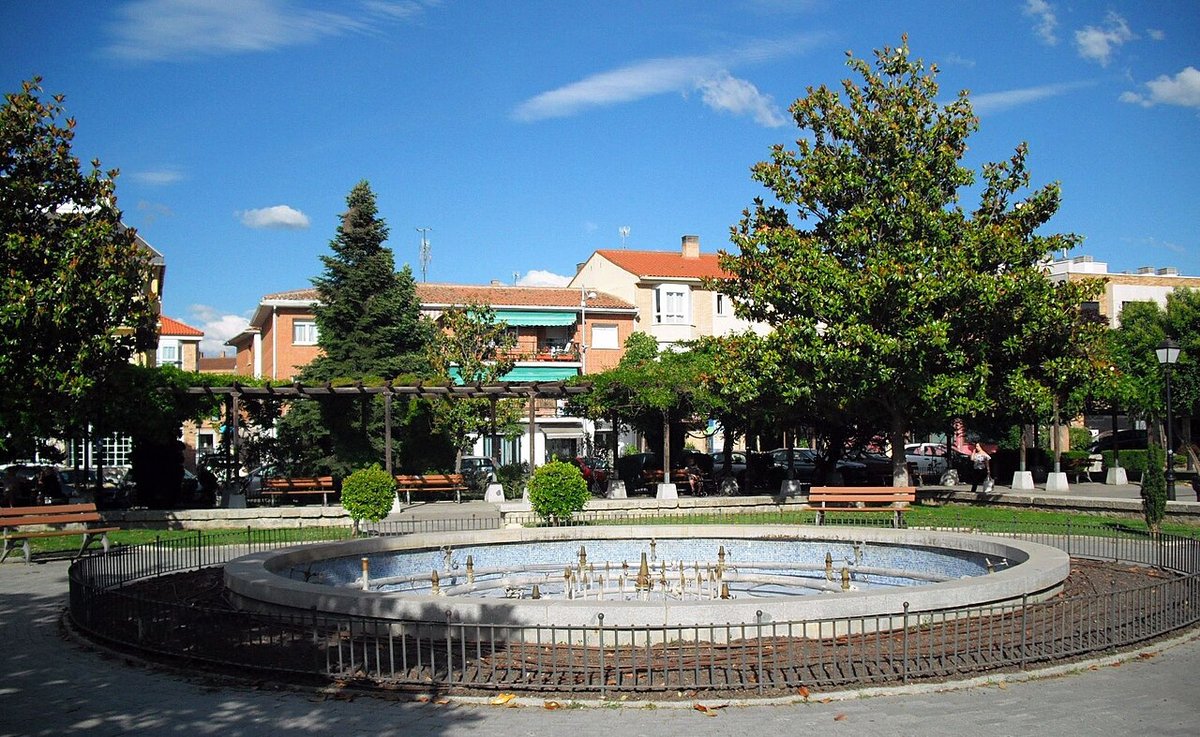
Local celebrations retain customs that are typical of inland towns. In January, the bonfire of San Antón is lit and animals are blessed in the village square. Summer brings the patron saint festivities, with religious events, music and shared meals where traditional home cooking still plays a central role.
In local households, recipes often reflect the agricultural setting and the use of small game. Dishes such as gazpacho manchego, stews with rabbit, and cured sausages prepared in winter continue to appear on the table.
A brief practical note
El Camp de Mirra can be explored quickly. Much of its interest lies in the surrounding area rather than within the village itself. Visiting the remains of the Castillo de Almizra and taking time to walk along the agricultural paths nearby gives a clearer sense of how this landscape of the Alt Vinalopó functions and how it has been shaped over time.