Full Article
about Salinas
Municipality beside an endorheic lagoon; noted for its natural setting and historic salt production.
Hide article Read full article
Salinas: Un pueblo que te pide mirar dos veces
Hay sitios que funcionan como esos talleres de barrio que aún quedan. Desde fuera parece todo sencillo, pero si te paras ves el trabajo de generaciones dentro. Salinas tiene un poco de eso. No busca llamar la atención a cada paso. Te pide que mires otra vez.
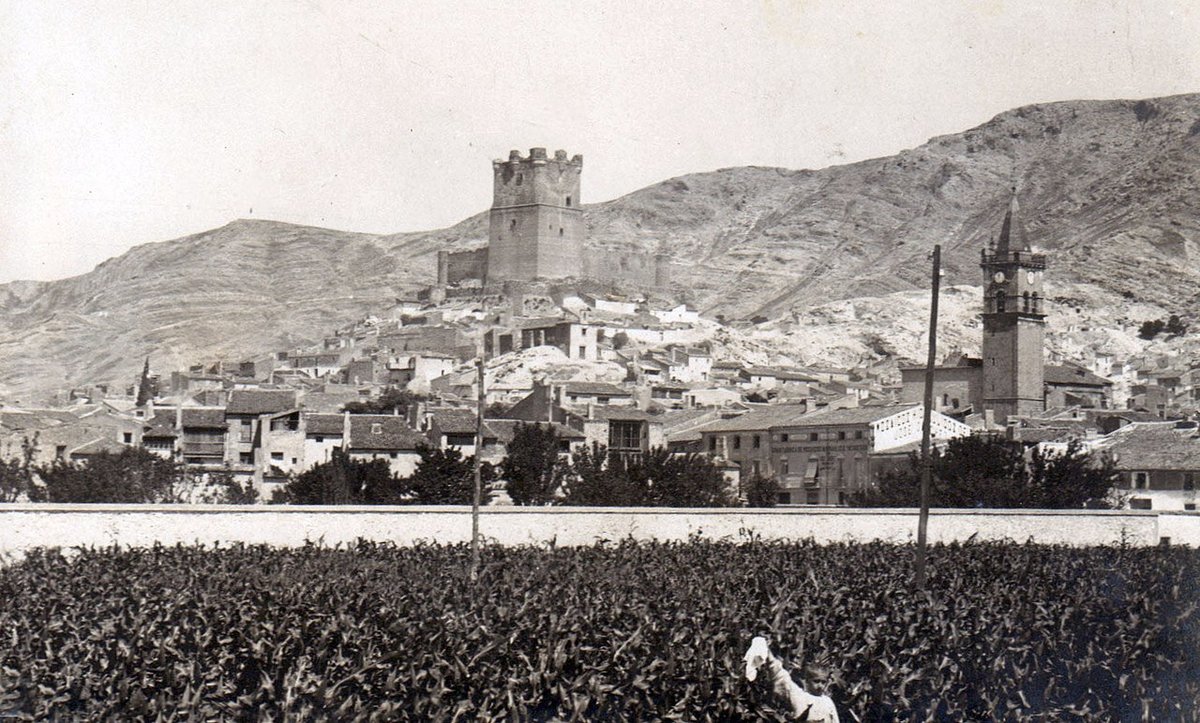
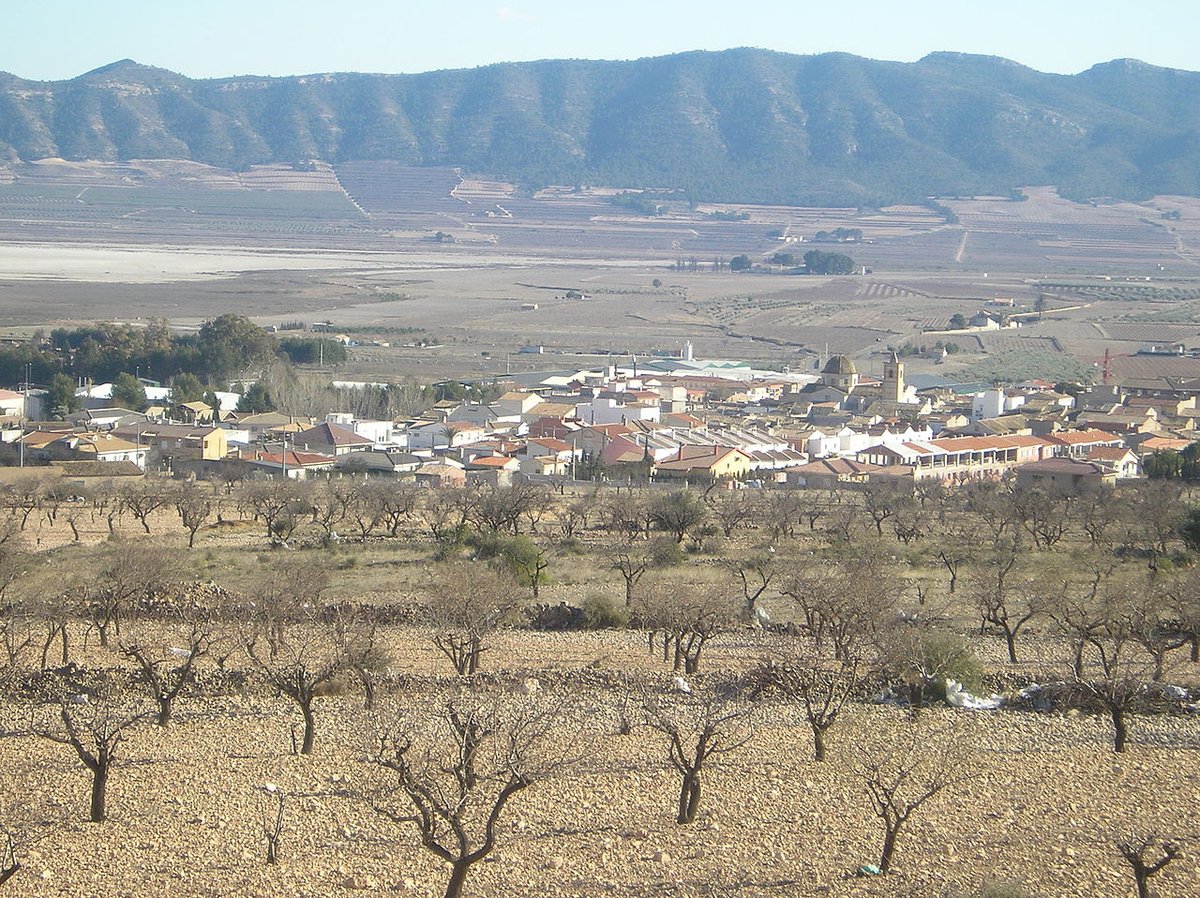
Salinas está en el interior de Alicante, a unos 490 metros, con unos 1.800 habitantes. Su escala se entiende rápido: el núcleo urbano lo recorres en el tiempo que tardas en tomarte un café tranquilo. Lo importante aquí no son tanto las calles, sino cómo el pueblo se conecta con sus salinas. Todo gira alrededor de ese paisaje plano y brillante que aparece de repente entre campos secos.
Las salinas, una memoria que trabaja
Las salinas de Salinas siguen funcionando, aunque a menor escala que antes. Las balsas, los canales y los muros de piedra están ahí, con ese aire práctico de lo que se construyó para trabajar, no para enseñar.
Cuando el agua se queda quieta en los estanques pasa algo curioso. El reflejo del cielo convierte el sitio en una especie de espejo gigante, como esos que hay en los gimnasios donde todo se duplica. Aquí lo que aparece son nubes, cerros bajos y alguna garza moviéndose con calma por la escena.
No es un lugar preparado para el turismo. Se parece más a asomarte a una huerta en plena faena y ver a alguien haciendo su día. Si te interesa saber cómo se hacía la sal antes, a veces hay jornadas de puertas abiertas o visitas informativas organizadas. No son cosa fija, así que conviene preguntar antes.
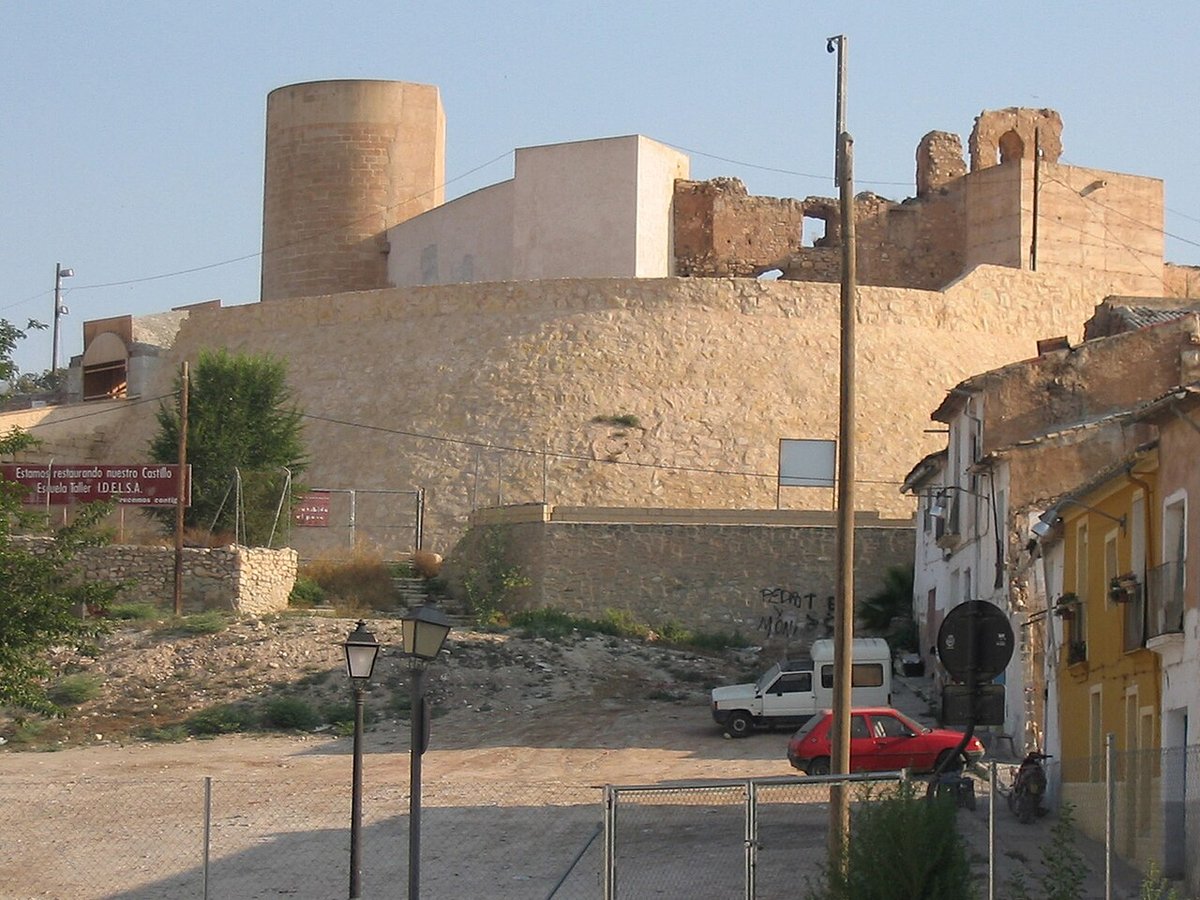
Cerca de las balsas también quedan restos de actividad más antigua, como una cantera vieja que da pistas de dónde salió mucho material del pueblo. Desde las pequeñas elevaciones de la zona se ve el valle del Vinalopó: almendros, olivos y bancales ordenados con cuidado, como estanterías hechas piedra a piedra.
Calles directas y vida constante
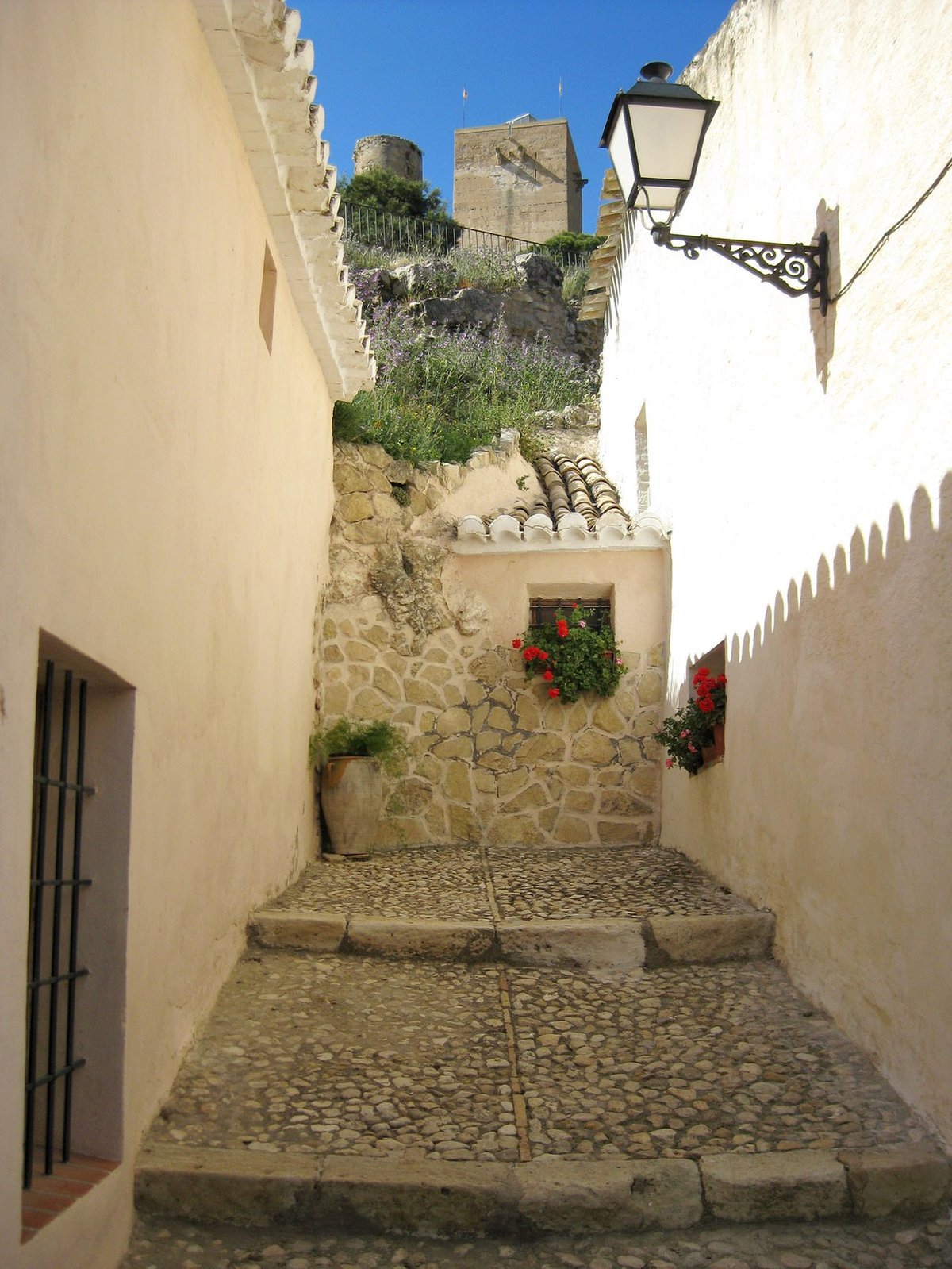
El centro de Salinas es compacto y sin rodeos. Por calles como la Mayor o la Nueva va casi todo el movimiento. Casas bajas, fachadas claras y muros gruesos que sirven de aire acondicionado natural en verano definen el aspecto del lugar.
En medio está la iglesia parroquial de San Roque, del siglo XVI. No es monumental ni está recargada. Se parece a muchas iglesias de interior que cumplen su función sin aspavientos, como una herramienta bien usada que ha aguantado siglos.
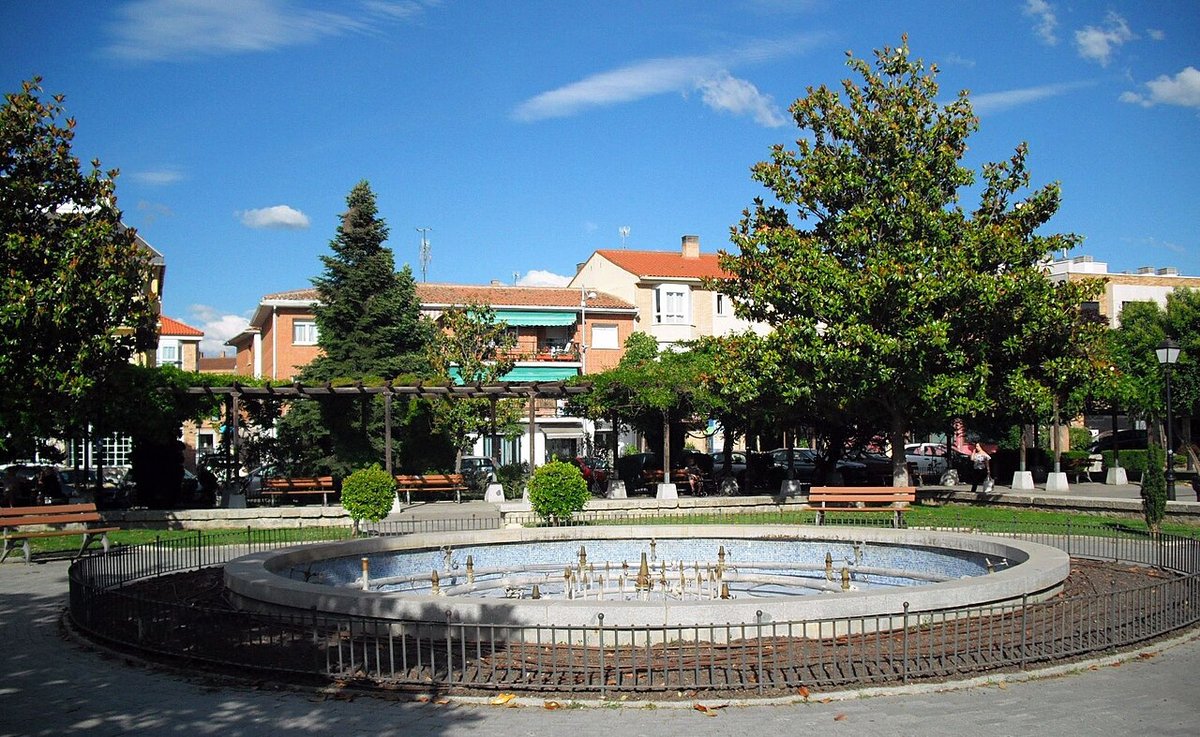
Alrededor la vida diaria sigue sin complicaciones. Se habla en las puertas, alguien para el coche un momento para cambiar dos frases, los vecinos se saludan al pasar sin detenerse mucho. El ritmo recuerda al de una plaza pequeña a media tarde, cuando parece que no pasa nada pero todo sigue moviéndose.
Un paisaje comedido con vistas anchas
Los alrededores de Salinas tienen ese aire de despensa bien ordenada: parcelas rectas, caminos directos y cerros suaves que no hacen ningún esfuerzo por impresionar. A primera vista parece terreno seco y simple. Luego empiezan a aparecer detalles.
La Rambla de las Salinas cruza parte de la zona. En primavera brotan flores silvestres y algunos campos se ponen verdes rompiendo los tonos ocres dominantes. Para el verano el paisaje cambia otra vez cogiendo un color tostado como la corteza del pan recién hecho.
Desde algunos caminos más altos se puede ver buena parte del valle del Vinalopó. No hay miradores preparados para visitantes aquí; es más bien como encontrar un buen sitio para aparcar en una carretera tranquila y decidir quedarte unos minutos mirando.
Algunas balsas activas atraen aves acuáticas; garzas patos y otras especies usan esas aguas quietas; no es un destino organizado para observar pájaros pero resulta fácil pasar un rato viendo qué pasa por allí.
Cómo moverte por aquí
Si vienes cuando las salinas están activas normalmente entre primavera y final del verano resulta más fácil ver cristales formándose en las balsas; hay algo silenciosamente absorbente en ese proceso; la sal aparece poco a poco igual que empieza a formarse hielo con dibujos dentro del congelador.
Pasear por el pueblo en sí es corto por eso mucha gente lo combina con andar por el campo cercano; hay pistas rurales hacia sitios como la Laguna Salada o hacia pequeñas elevaciones donde se abre el paisaje.
Conviene llevar agua y calzado cómodo; el terreno puede ser arenoso y los caminos no siempre están mantenidos son más bien rutas agrícolas tradicionales usadas durante años.
La cocina local refleja lo que da esta tierra; arroces contundentes carnes guisadas embutidos curados conservas caseras son lo típico; La sal claro juega un papel central en muchas recetas aquí no es un toque decorativo sino parte identitaria del lugar
Tradiciones que continúan
Las fiestas patronales dedicadas a San Roque suelen ser hacia finales del verano durante esos días cambia notablemente el ritmo del pueblo calles normalmente tranquilas se llenan gente música actividades ligadas tradiciones locales
También hay celebraciones religiosas continuadas dentro calendario comunitario manteniendo costumbres presentes desde generaciones