Full Article
about Sax
Town dominated by a spectacular cliff-top castle; famous for its shutters and festivals
Hide article Read full article
Parking is the first climb
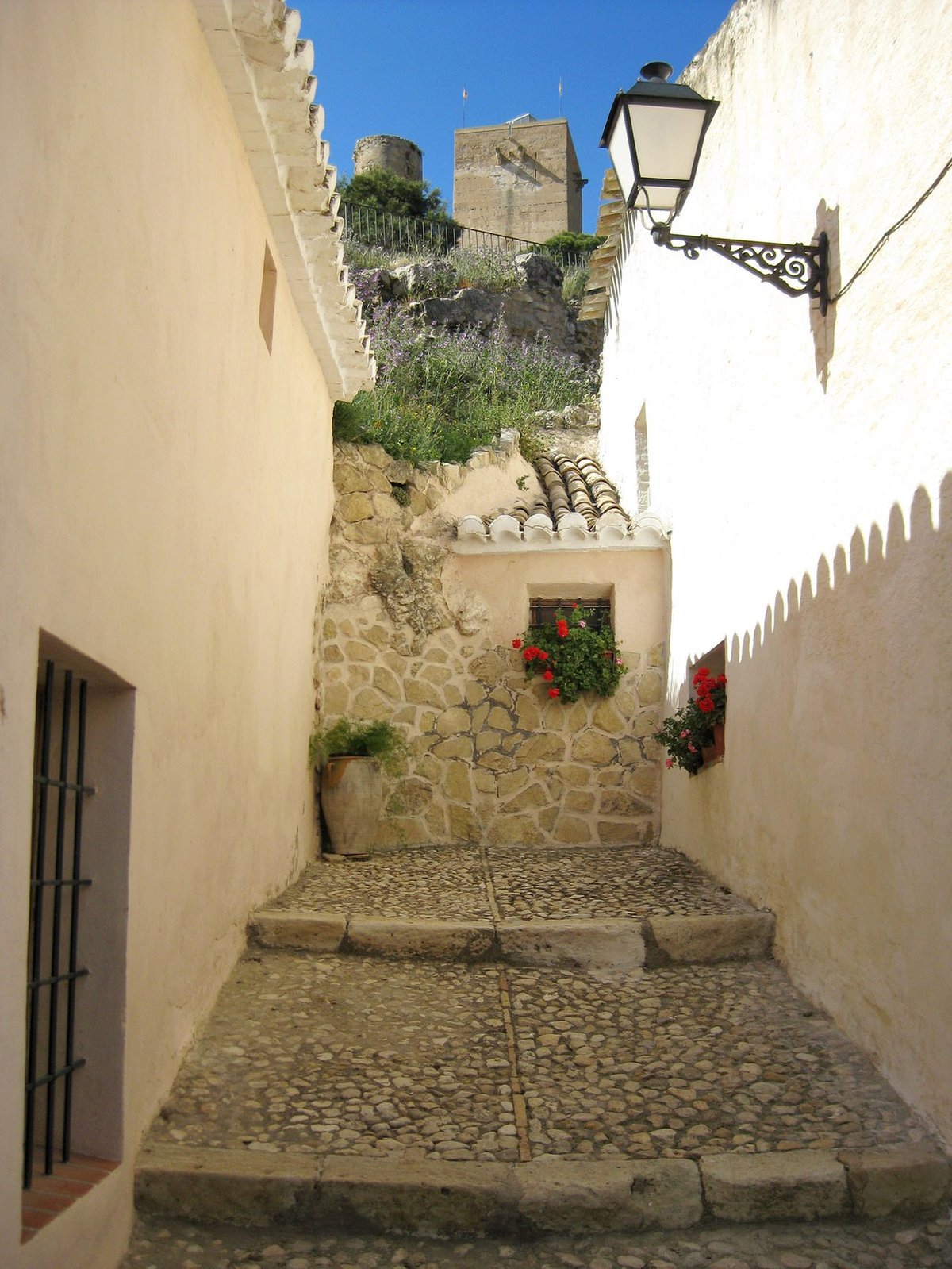
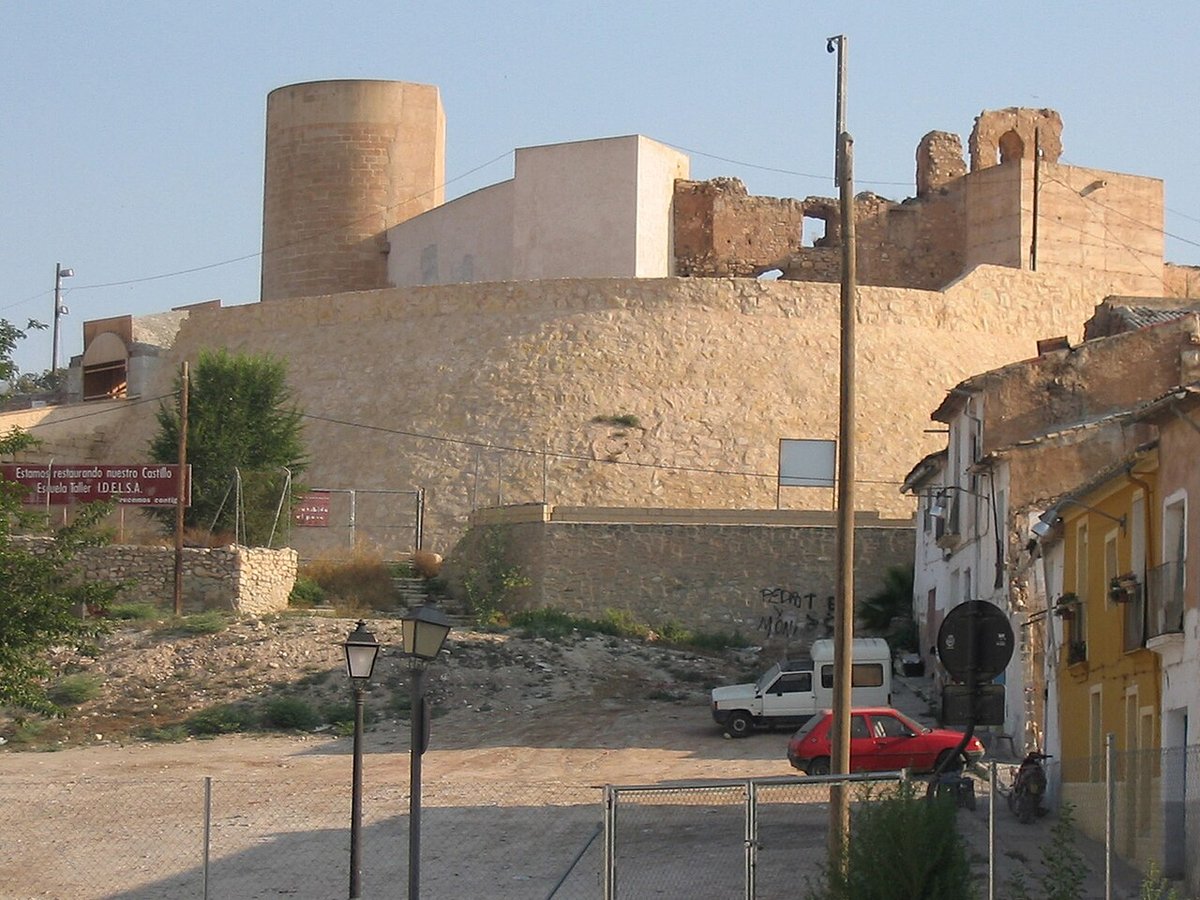
In Sax, the problem isn't the walk to the castle. It's finding a place to leave your car. The few spaces up top are gone by mid-morning on weekends, taken by locals out for a walk. Park near Avenida del Vinalopó and go up from there. The walk takes about twenty minutes.
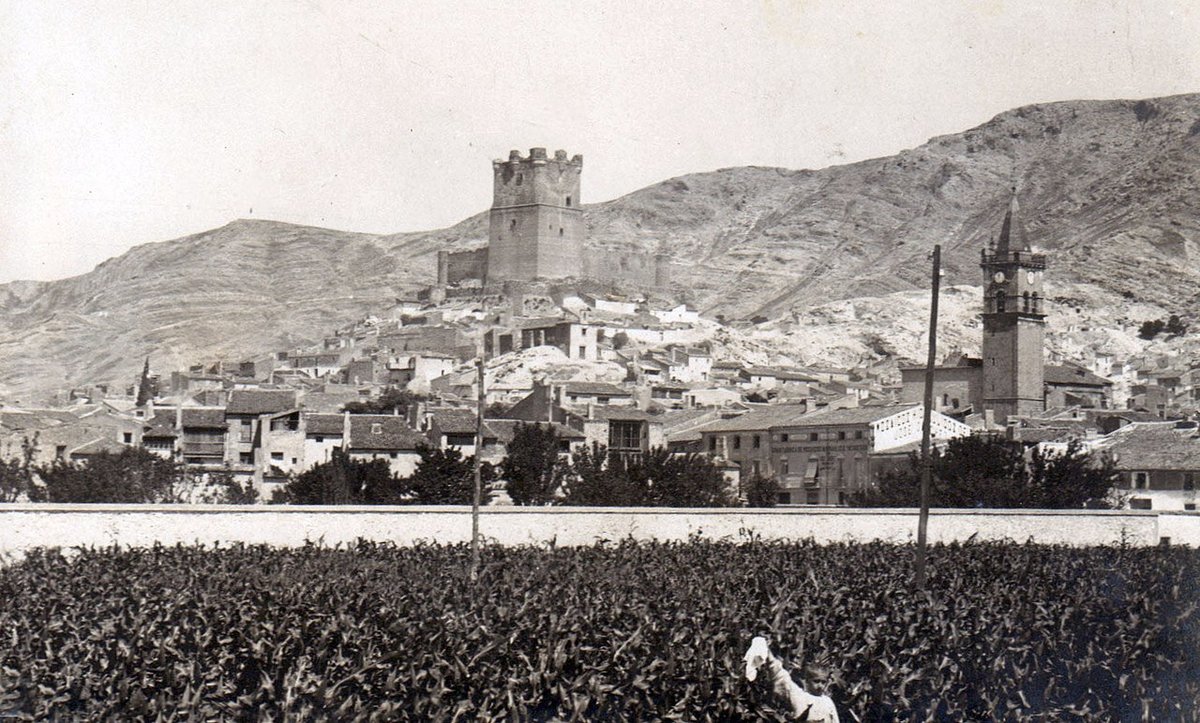
The path is clear and the castle stays in view the whole time, stuck on top of the rock that Sax is built against. You'll see how the houses pile up on the slope below it.
A 10th-century fortress with 20th-century cement
The castle was rebuilt in the 1960s. They used a lot of cement. You can't miss it. Go up anyway—the view from the top is what you're here for. You see the whole Vinalopó valley open towards Villena, with Sax directly underneath and the sierra de la Cabrera in the distance.
Check opening times before you go. They change and sometimes depend on whether someone's there to open the gate. If you find the caretaker in a good mood, they might tell you about Artal de Alagón, who died here in the 13th century trying to take the place. People in town still talk about it.
The location is why it was built. It controlled the pass through the valley. Now it's a lookout point more than anything else.
A working town, not a postcard
Sax has over ten thousand people and makes its money from industry—blinds and metalwork, mostly. You notice it straight away.
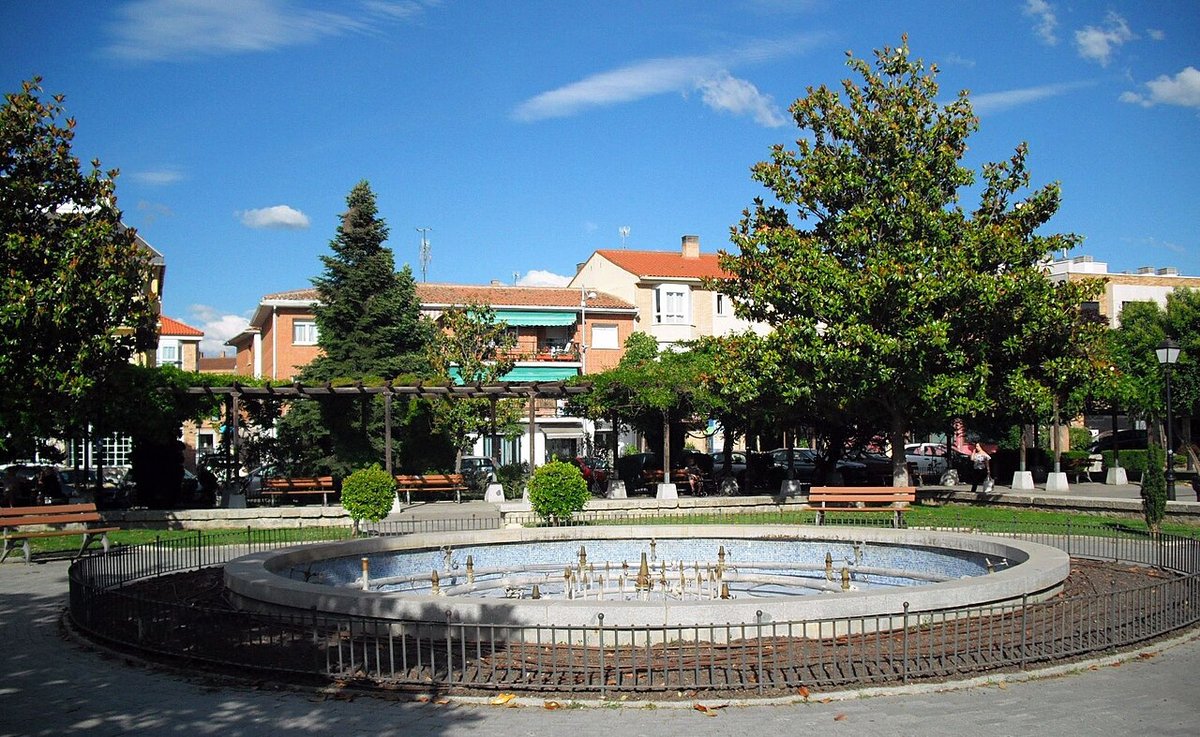
Plaza Mayor in the morning is for people having coffee before their shift starts. No one is performing local life for you. Ask where to get gazpacho sajeño and they'll tell you February, for San Blas fiestas. The rest of the year, it's not on menus. You're more likely to find olla de cardet, a cardoon stew, as part of a weekday set menu somewhere.
Food here follows tradition and season. Don't expect everything all year round.
February is when things happen
Sax has two big fiestas in February: San Blas on the 3rd and Santa Eulalia on the 12th. Between them are several days of Moros y Cristianos parades. That’s over two weeks of events, most of them outdoors when it's cold. The San Blas procession ends with them handing out blessed bread. People wear elaborate costumes for parades; everyone else wears thick coats.
Summer fiestas are in August, with concerts usually held near sports grounds. Parking around there gets difficult at night.
The walk to pico de la Moneda
A known route starts at the castle and goes into sierra de la Cabrera towards pico de la Moneda. It’s several kilometres over rocky ground. Bring water—there’s none up there. The waymarks exist but fade out on stone slabs; look for worn paths instead. Watch for mountain bikers coming down fast.
It’s dry and exposed land that feels hotter than it looks if you go after ten in summer. Coming back into town feels good: shade, a cold drink, tired legs.
Half a day is enough
See Sax in half a day: walk up to castle, wander through centre down Plaza Mayor street back down again Go early or late if visiting between June-September; that rock radiates heat by midday It fits as stop between Villena or Elda or before heading into nearby sierras Don’t plan weekend here unless coming specifically for February fiestas Before leaving pick up some embutido local cured sausage still made seriously here