Full Article
about Villena
Historic crossroads town; famous for its imposing castle and Bronze Age gold hoard
Hide article Read full article
Morning in the old town
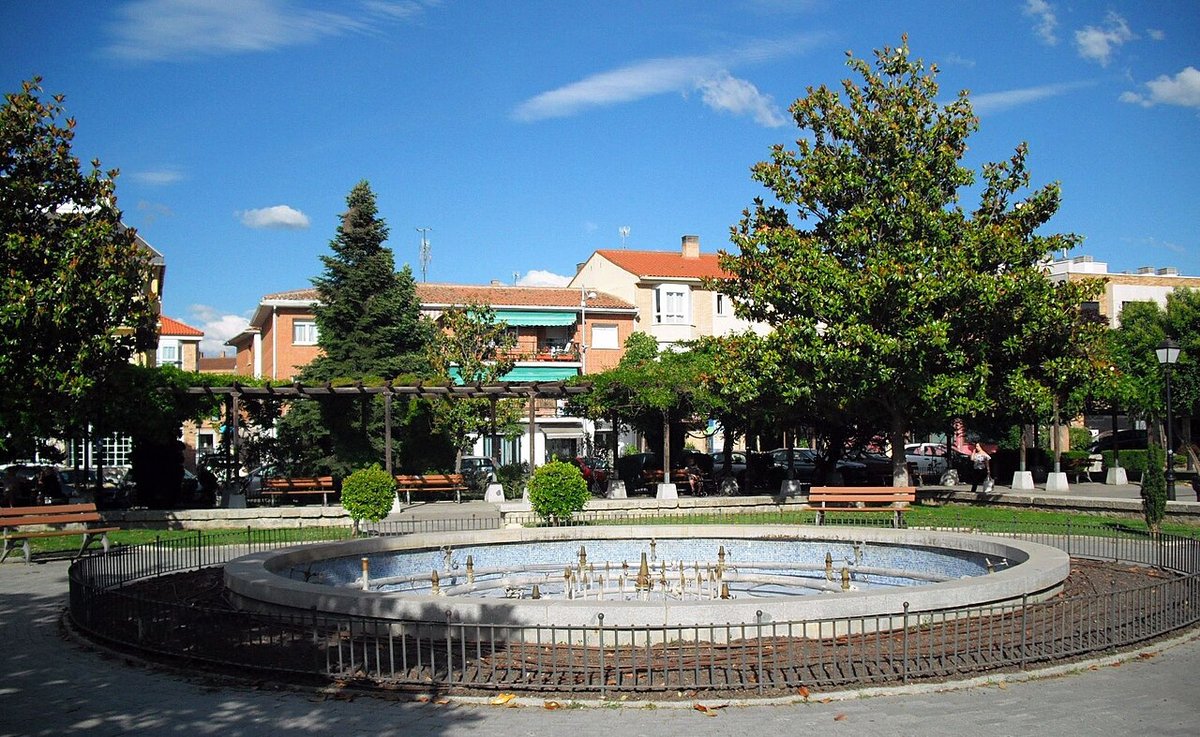
At nine in the morning, tourism in Villena begins with the smell of freshly baked bread and wine lingering from the night before. Shutters on low houses lift slowly, as if the town is still waking up. In Plaza Mayor, early cafés serve breakfast on worn marble tables while the sun has yet to warm the stone underfoot.
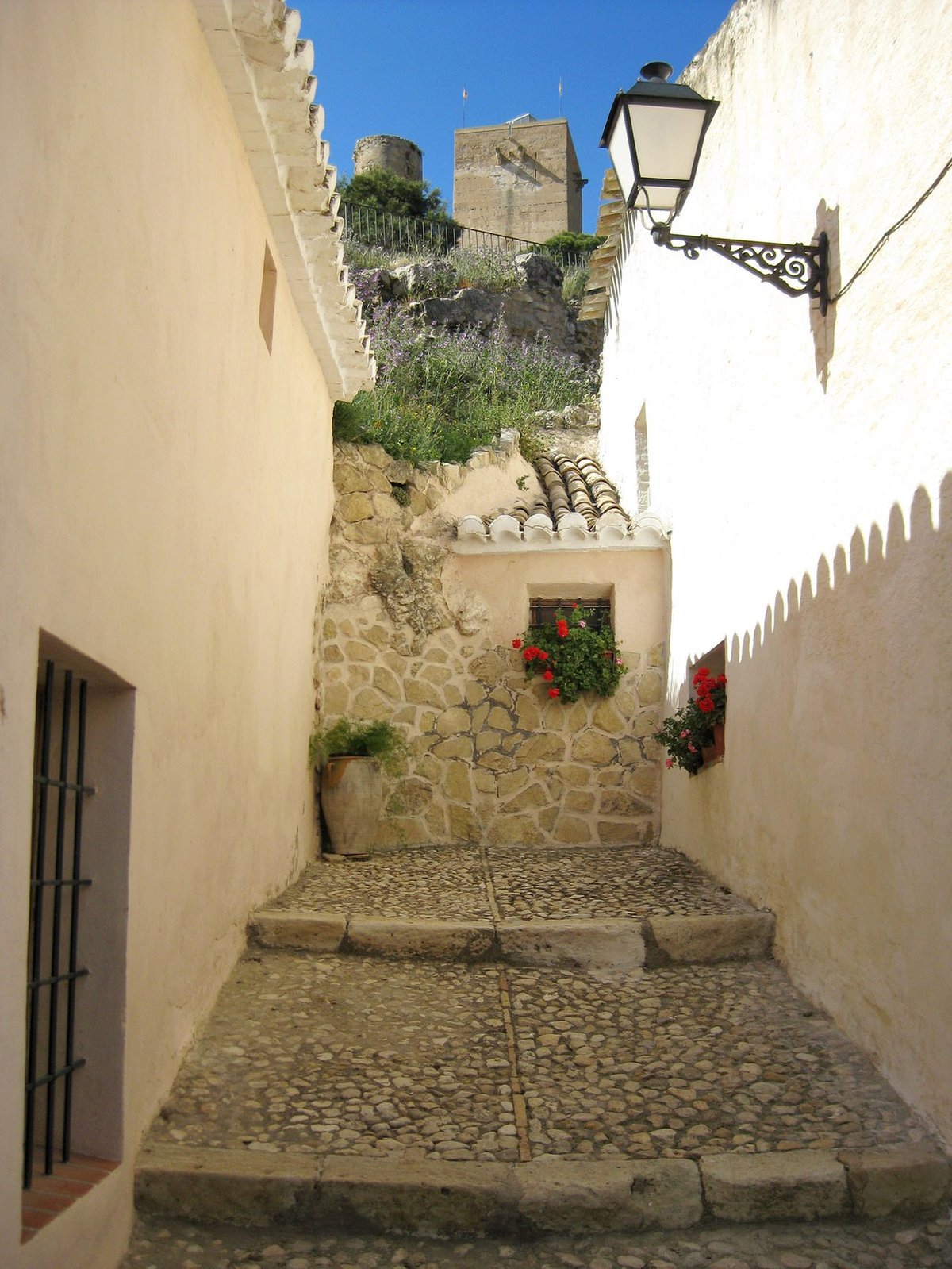
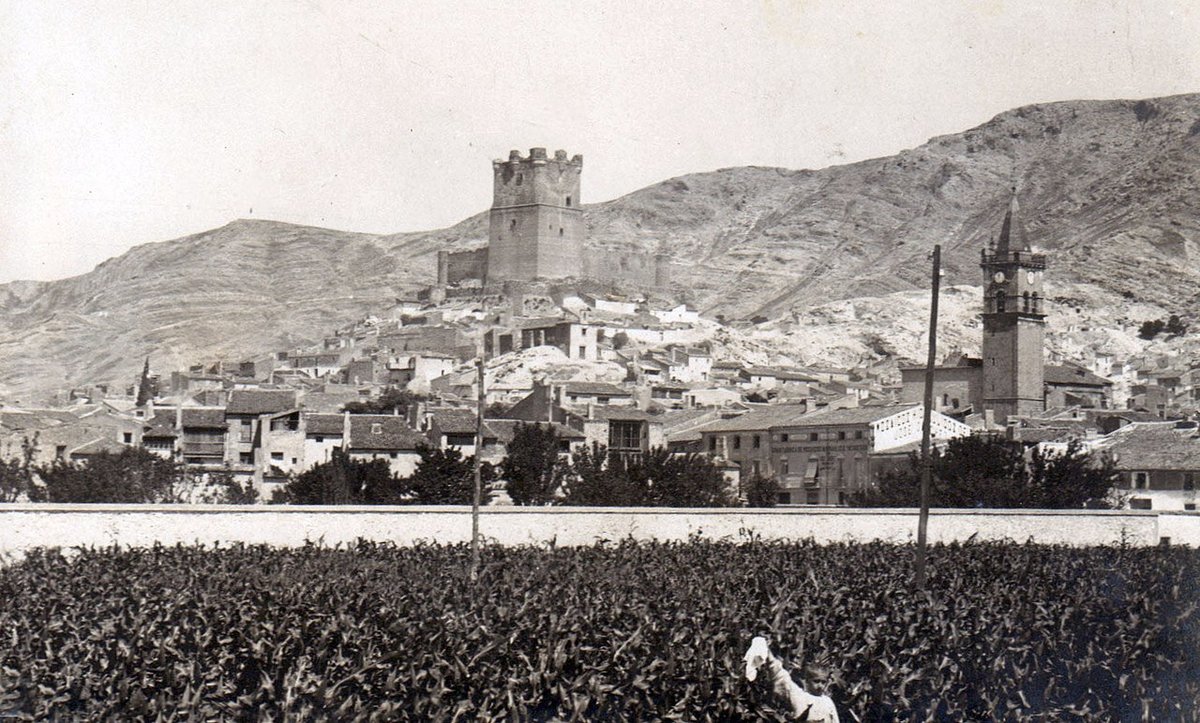
From here, the Castillo de la Atalaya rises above the old quarter like a long-standing sentinel. The climb up the cobbled streets follows the faint scent of firewood drifting from chimneys in winter. The castle’s thick, reddish walls keep their silence. Inside, vaults of Almohad origin cast geometric shadows across the stone. Early in the day there are usually few visitors, just wind slipping through the arrow slits and, at times, the echo of footsteps fading into the passageways.
Gold beneath the surface
In the Museo Arqueológico, the Tesoro de Villena fills a small, almost enclosed room. Dozens of pieces made of gold, silver and amber were hidden around three thousand years ago and came to light in the 1960s on the outskirts of the town. The display invites a pause. Light reflects softly on the polished surfaces, and the room tends to fall quiet as people take it in.
Outside, daily life carries on. Older residents often sit on benches in Plaza de Santiago, beneath the porch of the church. The Gothic façade looks like carved wood from a distance, though it is pale stone. Inside, helicoidal columns seem to twist upwards in motion. The baptismal font, attributed to Jacobo Florentino, keeps a cool touch even in the height of summer.
A borderland table
Villena has long stood in a passage between the historic territories of Castilla and Aragón, and that blend reaches the kitchen. Gazpacho villenense bears no resemblance to the cold Andalusian version. Here it is a hot dish, a stew of broken pieces of unleavened bread cooked with broth, garlic, paprika and egg. It appears often in winter homes. It is eaten slowly, filling the kitchen with steam.
September brings the Moros y Cristianos festivities, a tradition common in parts of Spain that recalls historical conflicts between Muslim and Christian groups. During these days the centre shifts pace. Band music carries through the streets, there is gunpowder in the air, and the costumes are notably heavy. The comparsas, or groups, parade for hours while people gather along pavements or watch from balconies. For a broader view and a little distance from the crowds, heading up towards the castle offers some relief.
Where wine becomes landscape
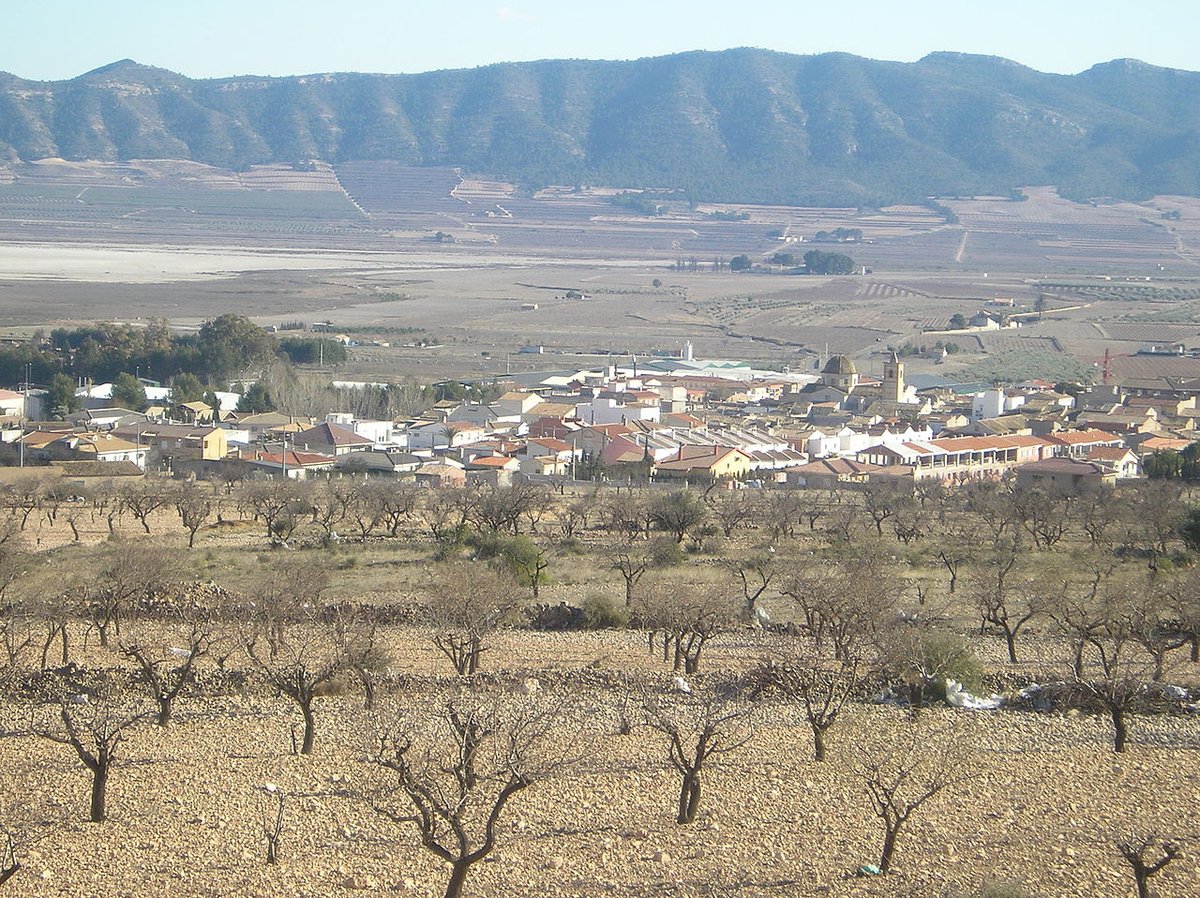
Beyond the urban area, vineyards begin to spread out. In this part of Alto Vinalopó, vines have shaped the landscape for generations. Wineries are scattered across the municipality, some visible from the road, others tucked among agricultural tracks.
The atmosphere in many of these places remains simple. Low buildings, the smell of must during harvest season, and long conversations shared over a glass define the experience. The wine drunk here is often the same as that shared among neighbours, with little ceremony attached.
For those who want to walk, one of the marked paths in the area leads up to the ermita de San Cristóbal. The route alternates between stretches of pine forest and stony slopes. From the top, on clear days, Villena comes into full view: the reddish castle, orange rooftops, and the Vinalopó plain stretching southwards.
In summer, the central hours of the day are best avoided. The sun falls directly and shade is scarce beyond the pines.
Evening falls over Villena
Villena moves at an unhurried pace. As the day ends, many people drift towards the plaza de toros, one of the oldest bullrings in the Comunidad Valenciana. The stone holds the day’s heat, and at sunset the shade gradually spreads across the sandy arena.
The Teatro Chapí is another point of interest when there is a performance. On show nights the atmosphere shifts. People arrive dressed for the occasion, conversations gather at the entrance, and there is that familiar murmur before the lights dim.
In spring, close to Semana Santa, the procession of the Borriquilla departs from Santiago among palm branches and the scent of rosemary. In summer, the town usually hosts its feria, with open-air dances and music lasting late into the night in different parts of the town.
Those looking for a quieter Villena tend to notice it in May or on weekdays. By mid-morning the streets again carry the smell of bread, squares offer pockets of shade, and the castle looks on from above as it has done for centuries.