Full Article
about Argelita
A quiet municipality on the Villahermosa River, noted for the round tower of its old palace; a perfect spot to unplug in nature.
Hide article Read full article
By mid-morning, on the tracks that cross stone terraces and reddish soil, the air can fall still for a few seconds. It smells of pine warmed by the sun and thyme crushed underfoot. In Argelita, in the heart of the Alto Mijares in inland Castellón province, that silence comes easily. Walk a little beyond the last houses and the only sounds are branches cracking or a blackbird calling from somewhere in the scrub.
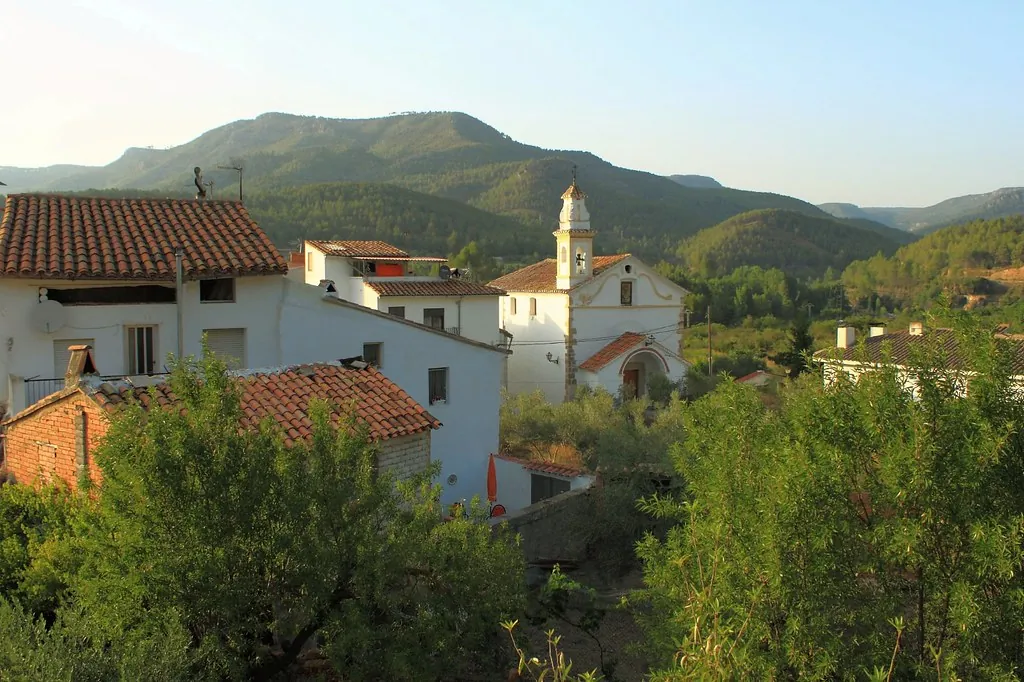
The village has around 139 inhabitants, and that small population shapes daily life. Streets are narrow, curving gently to fit the hillside rather than following a strict plan. Some climb gradually between stone walls; others open into small squares where, at certain hours, the only noise is a door closing or voices drifting from an open window.
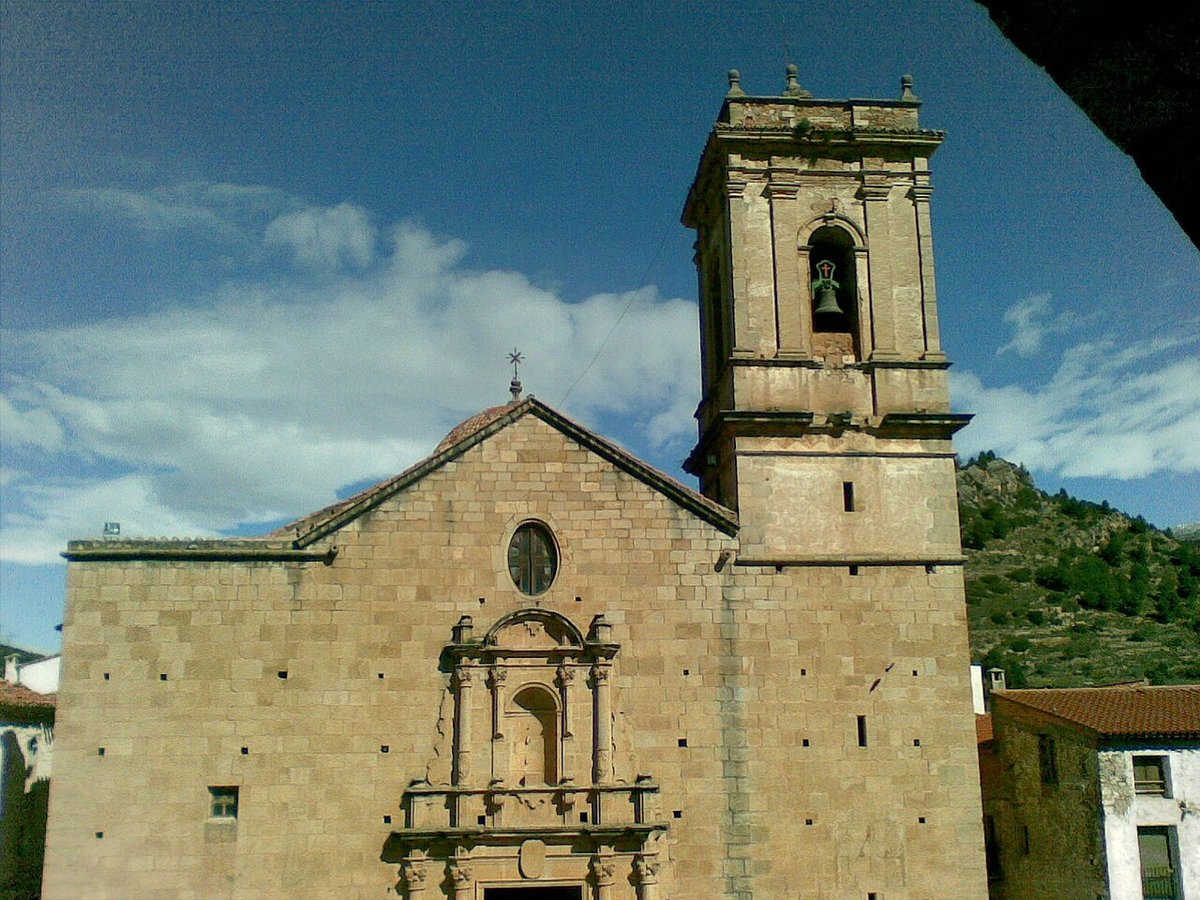
Houses combine exposed stone, pale render and traditional curved roof tiles common across much of Spain. Some façades have been carefully restored, while others show cracks and layers of old paint. Everything sits side by side without fuss. At the centre of the old quarter stands the parish church of San Roque, solid and modest in scale, one of those buildings that has set the rhythm of village life for generations.
The Landscape Around Argelita
Step beyond the built-up area and the terrain changes quickly. The surroundings of Argelita bring together pine forest, holm oak and Mediterranean scrub, with slopes that open towards the valleys of the Alto Mijares. From higher paths, mountains appear stacked one behind another, their tones shifting from dark green to grey with distance.
In spring the hills carry a stronger scent. Rosemary, gorse and other sun-warmed plants release their aroma as midday approaches. After a few days of rain, the smell of damp earth lingers in the air for hours.
The sense of space is marked by light. Early in the morning and later in the afternoon, it falls sideways through the pines and casts long shadows across the hillsides. At those times the contrasts sharpen and the landscape seems broader than it really is.
Along the Old Mule Tracks
Argelita acts as a starting point for several routes along traditional mule tracks that cross ravines and areas of low scrub. These were once practical paths used for moving between terraces and neighbouring settlements. Some trails are signposted, while others follow older lines that local residents still use to reach former cultivated plots or stretches of woodland.
There are sections with noticeable gradients, so comfortable footwear and water are advisable, particularly on hot days. Carrying a map or a downloaded track is also sensible, as forest tracks intersect in places where the direction is not always obvious.
The routes pass through changing terrain. In one stretch, the ground is stony and exposed; in another, pines gather more closely together. Ravines cut through the hillsides and shape the way the paths rise and fall. The experience is less about covering distance and more about moving at the pace the landscape allows.
Mushrooms and Home Cooking
Autumn brings a familiar ritual across the interior of Castellón. After the first rains, many local people head into the hills to search for níscalos, a type of saffron milk cap mushroom that appears in pine forests. It is a well-established custom in the area. Back in the kitchen, they are often cooked simply in a frying pan with garlic and parsley, or added to straightforward stews.
Food in Argelita follows the same logic as the landscape: seasonal, practical and tied to home. Winter calls for hearty spoon dishes, slow-cooked pulses and recipes passed down within families. During festive periods it is common to find tortas de almendra, almond cakes typical of many parts of the Valencian Community, along with other homemade sweets.
These are not elaborate preparations designed for display, but everyday cooking shaped by climate and availability. What appears on the table depends on the time of year and what the surrounding hills provide.
Fiestas and Village Life
In August, Argelita celebrates the festivities dedicated to San Roque. The population increases during these days as residents who live elsewhere return. Religious events form part of the programme, alongside music and activities organised by the villagers themselves.
Outside these dates, the pace remains calm. In winter especially, streets are almost empty by late afternoon and daily life moves indoors. Conversations happen behind closed doors, and the public spaces return to quiet.
That contrast between the busy days of August and the rest of the year highlights the scale of the place. With just over a hundred residents, changes in numbers are immediately noticeable. The return of families for the fiestas temporarily reshapes the atmosphere before things settle again.
Getting There and Choosing the Season
From Castellón de la Plana, the usual approach is to follow the CV‑20 inland towards the Alto Mijares and then continue along regional roads that wind between mountains. The journey typically takes around an hour by car, depending on traffic and any stops along the way.
Spring is one of the most pleasant times to visit, with mild temperatures and hillsides turned green after rainfall. In summer, heat can build during the middle of the day, so it makes sense to head out early or wait until later, when the light begins to drop across the slopes surrounding Argelita.
Each season shifts the emphasis. Spring highlights scent and fresh growth. Autumn brings mushroom gatherers into the pinewoods. Winter concentrates life indoors, while August fills the streets for San Roque. Throughout the year, the defining feature remains the same: a small village in the Alto Mijares where silence is never far from the last house.