Full Article
about Cirat
Capital of Alto Mijares, set beside the river; quiet village with castle remains and popular natural swimming spots.
Hide article Read full article
Cirat en el Alto Mijares
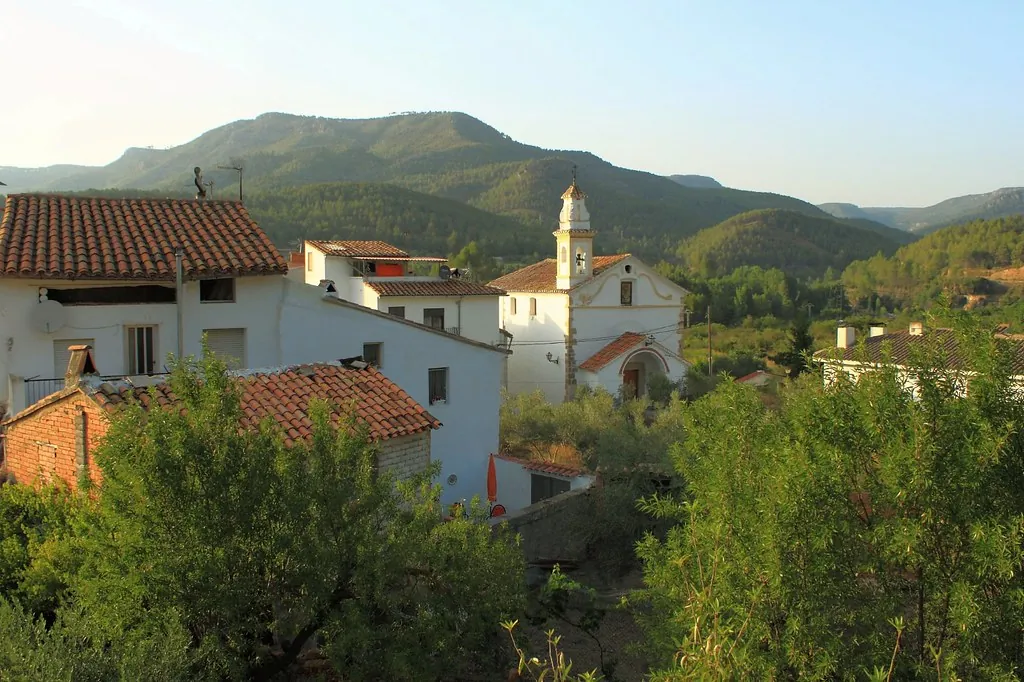
Cirat se encuentra en la comarca del Alto Mijares, en el interior de Castellón. El pueblo está asentado en el valle del río que le da nombre a la comarca, rodeado por un monte bajo de matorral y pinar que anuncia la cercanía de la Sierra de Espadán. Con poco más de doscientos habitantes, mantiene la escala de los pueblos de interior donde el territorio ha marcado siempre el ritmo. El río, los bancales y el monte comunal han determinado durante generaciones la forma de construir, trabajar y organizar el espacio.
El núcleo se adapta a una ladera que domina el valle. Las calles son estrechas y con cuesta, trazadas según la topografía y sin un plan preconcebido. La arquitectura responde a una lógica práctica. Las construcciones tradicionales combinan mampostería, enfoscado y madera, con portales grandes en la planta baja y la vivienda en la altura. No hay lugar para lo ornamental. Lo que se ve hoy refleja las necesidades de una comunidad históricamente vinculada a la agricultura de secano, los huertos familiares y el aprovechamiento del bosque.
La trama urbana y su lectura
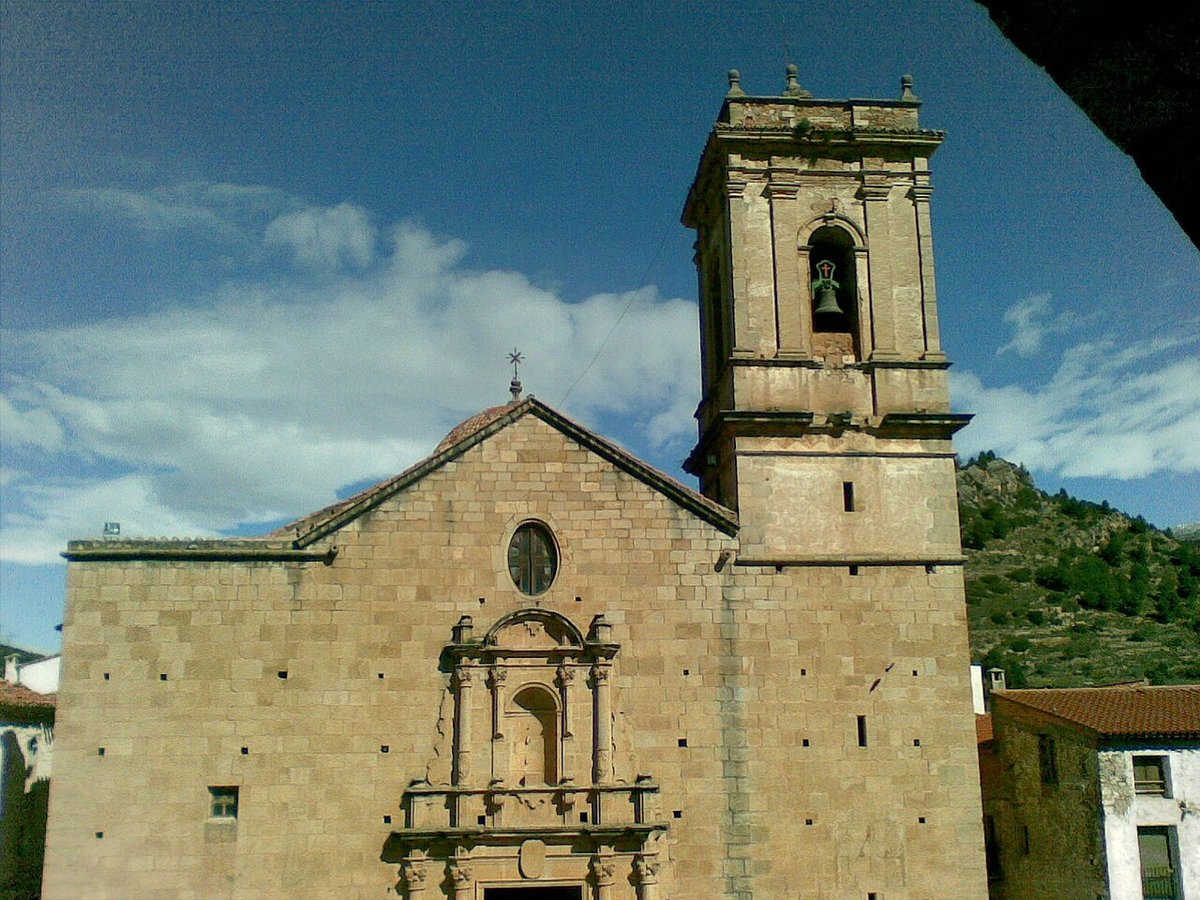
La iglesia parroquial de San Roque ocupa uno de los puntos más visibles. La fábrica actual es mayoritariamente del siglo XVIII, aunque con reformas posteriores, como es habitual en estas zonas. Su arquitectura es sobria. Una portada de piedra, una espadaña sencilla y un interior donde aparecen algunos elementos barrocos sin estridencias definen su carácter.
Más revelador que el templo en sí es cómo se integra en la trama. Su entorno inmediato permite entender la estructura del casco antiguo. Las calles se tuercen para salvar el desnivel, mientras que algunas placetas actúan como espacios de relación. Esta conexión entre edificaciones y terreno es lo que da forma al pueblo.
Fuera del núcleo, permanecen visibles los restos de los sistemas agrícolas anteriores. Los bancales sostenidos por muros de piedra seca aún marcan las laderas. Muchos ya no se cultivan de forma habitual, pero muestran cómo se organizaba el terreno cuando la agricultura de secano era parte de la vida cotidiana. Olivos, almendros y pequeñas parcelas estructuraron durante siglos la producción local. Acequias y otras conducciones tradicionales ligadas al Mijares también aparecen en el paisaje, señal de un manejo cuidadoso del agua.
El río y el paisaje del interior
El Mijares es la referencia geográfica principal. A su paso por el término forma pozas, algunos tramos de ribera y bolsas de vegetación más densa. Estos espacios contrastan con el monte mediterráneo de alrededor. En verano, la vida del pueblo suele desplazarse hacia estas zonas del río.
El paisaje más amplio mezcla pinares con matorral. En las lomas cercanas, manchas de alcornoque añaden otra textura al terreno, un rasgo propio de esta parte del interior castellonense. Varios senderos salen del pueblo y se adentran en barrancos y crestas, desde donde se abren vistas sobre el valle.
Recorrer estos caminos permite leer la historia del uso del territorio. Se distinguen las veredas antiguas que comunicaban las partidas. Entre la vegetación asoman bancales abandonados. En algunos puntos aún se reconocen las huellas de la actividad forestal. El resultado es un paisaje que refleja una interacción prolongada entre las personas y el medio, no una naturaleza virgen.
Ritmos anuales y tradición local
La vida en Cirat sigue un patrón estacional. La población aumenta en verano, cuando regresan familias del pueblo, mientras que el resto del año transcurre con más tranquilidad. Este ritmo marca tanto el día a día como el uso de los espacios comunes.
Las fiestas patronales en honor a San Roque se celebran en agosto. Esos días reúnen a buena parte de quienes mantienen vínculos con el pueblo aunque ya no residan aquí de forma permanente. Calles y plazas recuperan una actividad que refleja la función social que han tenido durante generaciones.
En enero se sigue observando la festividad de San Antonio Abad. Es una celebración extendida en el mundo rural valenciano, con raíces históricas ligadas a los animales y a la vida agrícola. Su permanencia en el calendario habla de la persistencia de tradiciones ancladas en el mundo rural.
Cómo recorrer Cirat
El pueblo se puede recorrer a pie en poco tiempo, aunque conviene hacerlo sin prisa. Pasear por las calles del casco antiguo muestra cómo se adaptó la construcción a la ladera. Un breve descenso hacia el río permite comprobar la importancia del agua en la configuración del paisaje y las rutinas. Asomarse a los bancales de alrededor ayuda a entender cómo se ha trabajado este terreno durante siglos.
Cirat no se explica a través de monumentos grandiosos ni contrastes llamativos. Su interés está en cómo se relacionan sus elementos: la pendiente del terreno, el curso del Mijares, la disposición de las calles y los restos de los sistemas agrícolas. Juntos forman una imagen coherente de la vida en el Alto Mijares, donde la geografía y la actividad humana siguen estrechamente vinculadas.