Full Article
about Torralba del Pinar
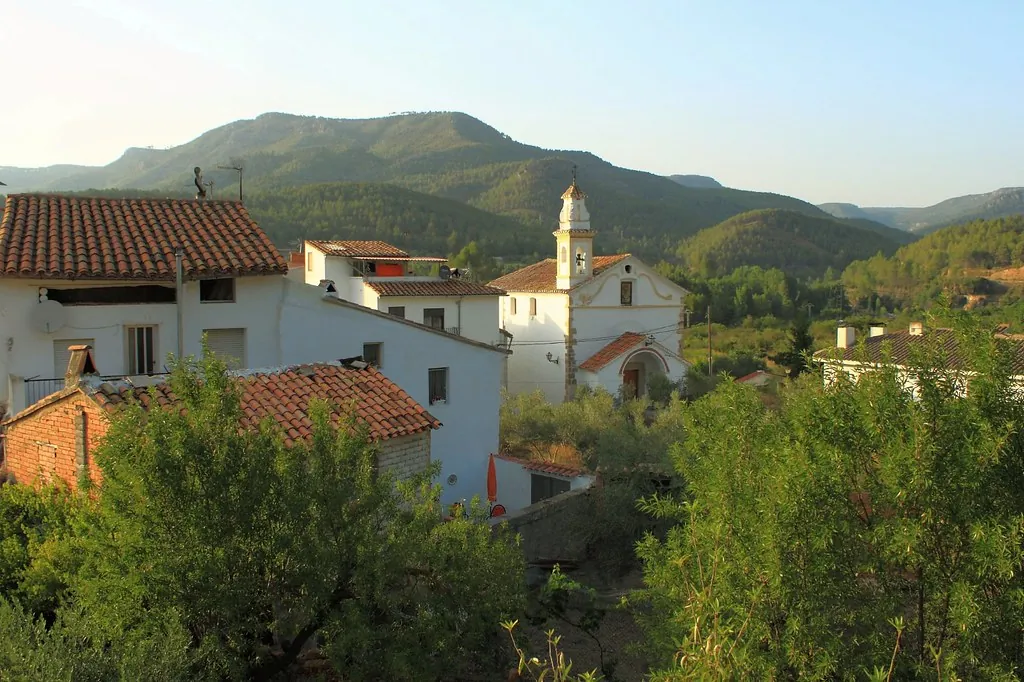
Village set in the Sierra de Espadán natural park; surrounded by dense forests and mountains, it's ideal for hiking.
Hide article Read full article
Torralba del Pinar en el Alto Mijares
Torralba del Pinar se encuentra a unos 700 metros de altitud, en uno de los sectores más interiores de la provincia de Castellón. Pertenece a la comarca del Alto Mijares, un territorio de sierras calcáreas y barrancos profundos donde los núcleos de población son pequeños y están muy distanciados. La historia del pueblo, como la de otros de la zona, está ligada a la ganadería extensiva y al aprovechamiento forestal. Su nombre hace referencia a una torre de vigilancia —ya desaparecida— en un paraje de pinares.
El casco urbano tiene poco más de cincuenta habitantes. Las calles se adaptan a la pendiente, con cambios de nivel frecuentes y trazados que parecen responder más a la topografía que a un plan preconcebido. La arquitectura es la propia de estas sierras: muros de mampostería, tejados de teja árabe y pocos alardes decorativos. El conjunto resulta coherente, como si las casas hubieran crecido de forma orgánica a partir del suelo.
La iglesia y la estructura del pueblo
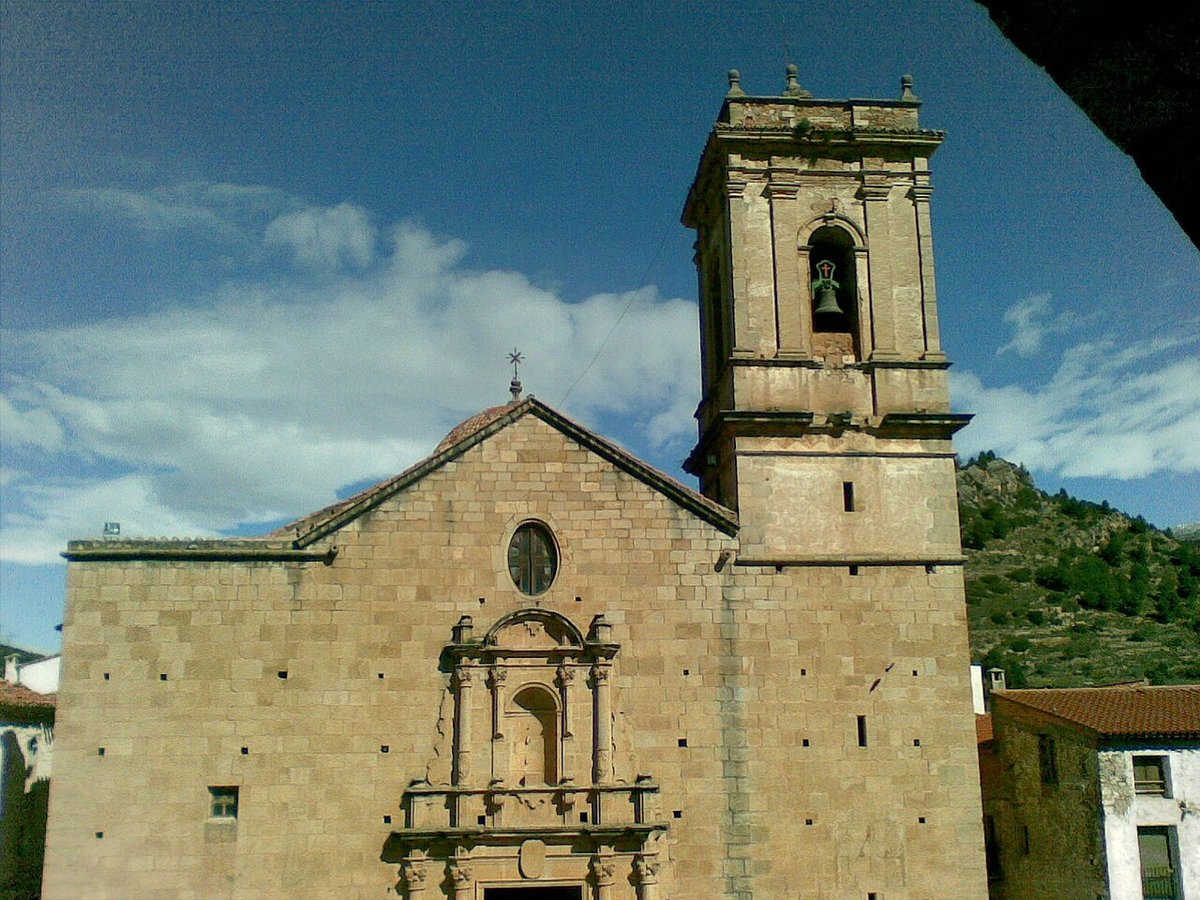
La iglesia de la Transfiguración ocupa el punto central. El edificio actual data, en su mayor parte, de los siglos XVII y XVIII, aunque es probable que existiera una construcción anterior. No es un templo notable por sus dimensiones o su ornamentación, pero su ubicación no es casual: alrededor se articulan la plaza y el ayuntamiento, definiendo el espacio público principal.
Desde allí, unas pocas calles descienden o ascienden hacia las viviendas. En algunas se conservan portones de madera lo suficientemente amplios como para que pasara un carro o un animal, y corrales traseros que recuerdan la importancia de la actividad agropecuaria. El urbanismo refleja una comunidad que durante siglos funcionó con una economía de subsistencia, donde la iglesia era a la vez centro religioso y social.
El bosque como territorio
El término municipal está cubierto casi por completo por pinares de carrasco y rodeno, con manchas de carrasca y un sotobosque de romero y aliaga. El bosque no es un escenario pintoresco; es el recurso económico tradicional y el elemento que determina el paisaje. Varias pistas forestales salen del pueblo y se adentran en el monte. Algunas son transitables en coche con cuidado; otras son solo senderos.
Estas rutas, utilizadas por los vecinos para tareas forestales, permiten adentrarse en la sierra. Conforme se gana altura, la perspectiva cambia: se distinguen las alineaciones montañosas del Alto Mijares y los barrancos que aíslan a unos pueblos de otros. No es un terreno para caminar sin referencia; la señalización es escasa y los hitos no siempre son evidentes. Conviene llevar mapa o consultar en el pueblo.
En otoño, si las lluvias han sido las adecuadas, el bosque recibe a quienes buscan níscalos. La recolección de setas es una práctica habitual, aunque en los últimos años la afluencia externa ha aumentado notablemente en las temporadas buenas.
Festividades y demografía
El calendario festivo gira en torno a dos fechas principales. La primera es la fiesta patronal de la Transfiguración, que se celebra en agosto. La segunda es una romería local, cuya fecha concreta varía. Ambas tienen un carácter familiar y congregacional más que espectacular.
Lo significativo no es el programa de actos, que suele ser sencillo, sino el movimiento demográfico que generan. En estas fechas, la población se multiplica con la llegada de antiguos vecinos y sus familias. Las calles, tranquilas durante la mayor parte del año, recuperan por unos días un ritmo que ya fue habitual. Este patrón es común en muchos pueblos del interior valenciano: la vida cotidiana se sostiene con una población mínima, mientras que los vínculos comunitarios se reactivan periódicamente con quienes emigraron.
Cómo llegar y qué encontrar
Desde Castellón de la Plana se toma la CV-20 hacia el interior. Tras pasar Onda, la carretera comienza a serpentear y el paisaje se vuelve más abrupto. Los últimos kilómetros hasta Torralba son una sucesión de curvas entre pinos. El trayecto total ronda los 45 kilómetros, pero requiere más tiempo del que sugiere la distancia.
En el pueblo no hay servicios turísticos al uso. Quien visite debe saber que se trata de un núcleo rural activo, no de un conjunto museístico. Su interés reside en observar la relación entre el caserío y el bosque, y en entender la forma de vida que persiste —aunque muy mermada— en estas sierras. Para recorrer los alrededores es necesario ser autosuficiente; no hay puntos de información ni señalización para visitantes.
Torralba del Pinar es, en ese sentido, un ejemplo claro de la realidad del Alto Mijares: un territorio donde la densidad de población es muy baja y donde la geografía sigue marcando los ritmos diarios.