Full Article
about Torrechiva
Small town on the Mijares River with an Arab defensive tower; quiet riverside and mountain setting
Hide article Read full article
Torrechiva: un pueblo del Alto Mijares
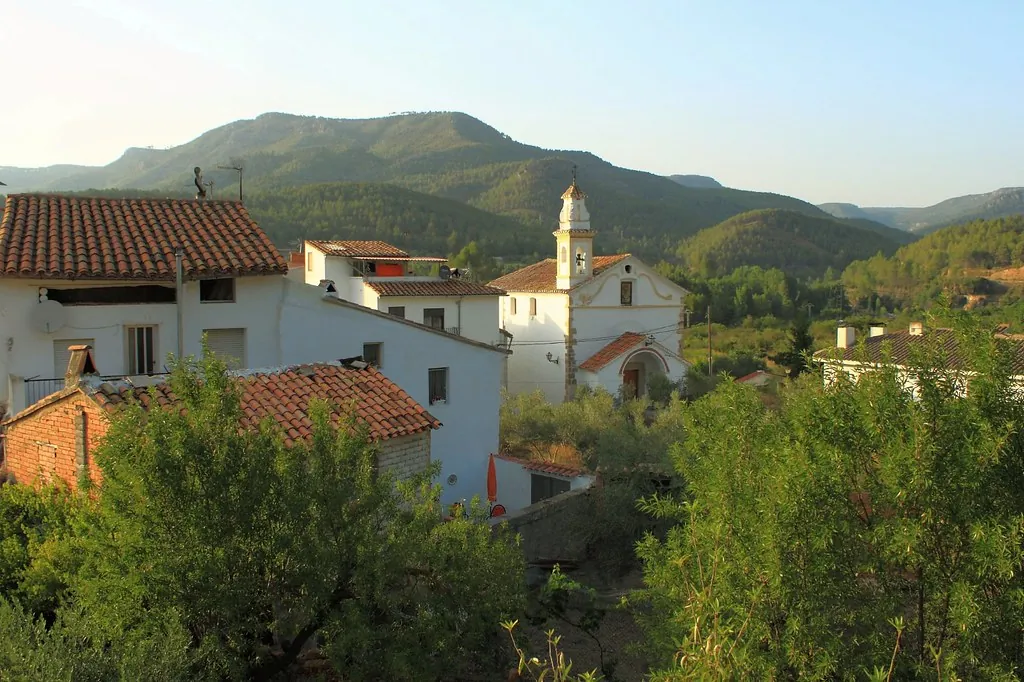
Torrechiva se encuentra en la provincia de Castellón, dentro de la comarca del Alto Mijares. El pueblo, con poco más de un centenar de habitantes, se sitúa a unos 300 metros de altitud, en un punto donde el valle del río Mijares comienza a abrirse.
Las casas se agrupan en calles estrechas, sin pretensiones monumentales, rodeadas por las terrazas de cultivo de olivos, almendros y algarrobos que han marcado la vida aquí durante generaciones. La agricultura no es un decorado, sino la estructura sobre la que se ha organizado el espacio. Un paseo breve basta para ver cómo el pueblo y sus campos han crecido juntos.
La iglesia y la organización del espacio
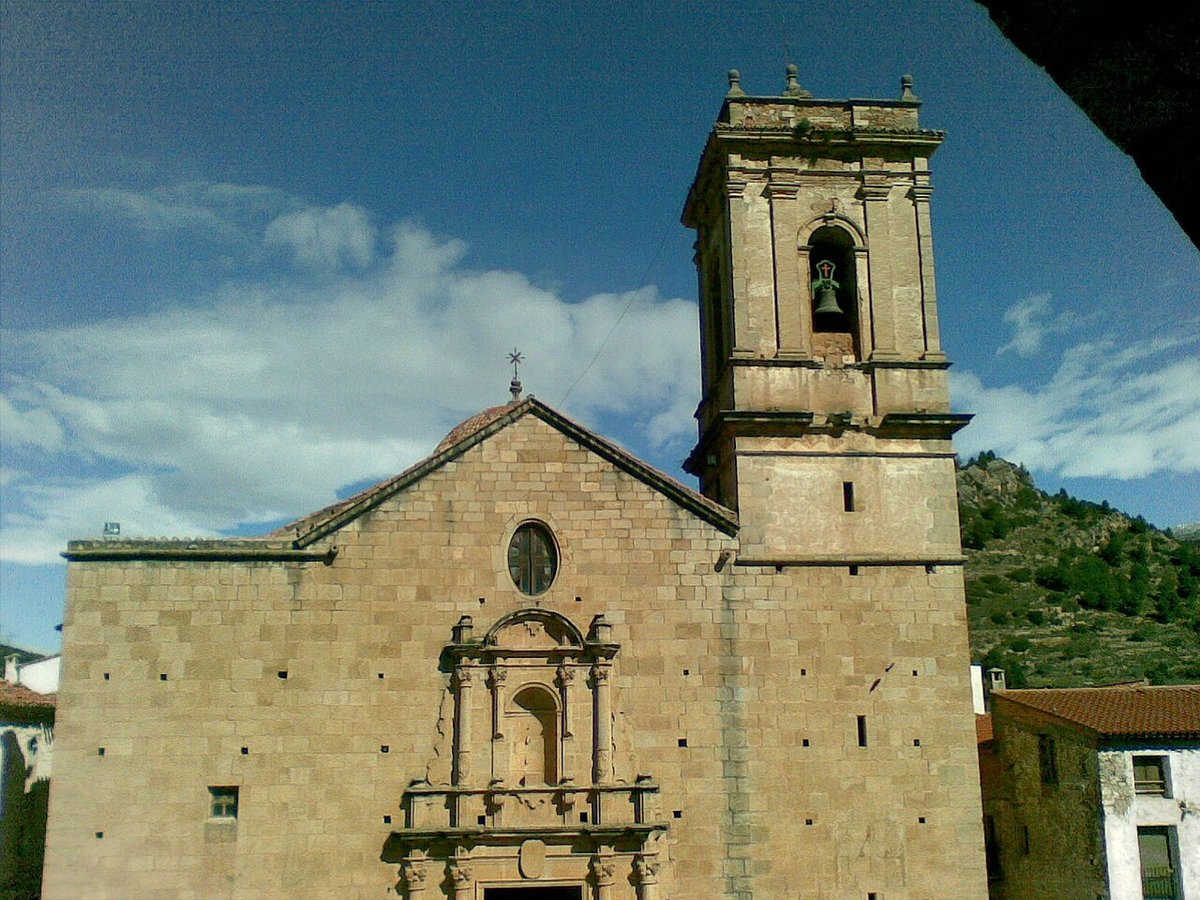
La iglesia parroquial ocupa el centro del casco antiguo, como ocurre en muchos pueblos de esta zona del interior de Castellón. El edificio es sencillo y ha sufrido reformas a lo largo del tiempo. Su ubicación es lo más significativo: desde allí se organizaban las calles que llevan a las huertas y a los caminos que bajan hacia el Mijares.
El trazado de Torrechiva responde directamente a su entorno agrícola. Varias calles se convierten en senderos que descienden hacia el río o ascienden hacia las laderas aterrazadas. En los bordes del pueblo hay pequeñas fuentes y lavaderos vinculados a manantiales. En los pueblos del valle, cada punto de agua tenía una función concreta, ya fuera para riego, para el ganado o para el uso doméstico.
Esta relación entre el espacio construido y el campo es fácil de leer. No hay una separación clara entre el núcleo y las tierras de labor; más bien se mezclan a través de muros de piedra, bancales y caminos.
Los bancales y la forma del valle
Al pasar las últimas casas, el paisaje que sostiene a Torrechiva se hace evidente. Las laderas están cortadas en bancales sostenidos por muros de piedra seca. Estas estructuras evitan la erosión y crean planos donde cultivar. Dominan el olivo, el almendro y el algarrobo, especies rústicas que han definido la economía local durante décadas.
Desde algunos de los caminos más altos se distingue bien la forma del valle del Mijares y el mosaico de parcelas que cubren sus laderas. No es un paisaje espectacular en el sentido turístico convencional, pero sí legible. Cada terraza, cada muro y cada sendero muestran cómo se ha trabajado y mantenido el terreno.
El ritmo del campo explica el ritmo del pueblo. Los campos escalonados reflejan años de labor paciente, y su mantenimiento evita que el monte vuelva a cerrarse. Aunque no haya hitos monumentales, la zona tiene una coherencia tranquila que se aprecia mejor cuanto más se camina por ella.
Caminar por los alrededores
El principal atractivo de Torrechiva está en recorrer su entorno. Los antiguos caminos de carro que comunicaban las fincas permiten hacer circuitos suaves alrededor del pueblo. Es recomendable calzado cómodo, ya que algunos tramos son de tierra y pueden tener pendiente pronunciada.
Las carreteras secundarias de la zona suelen tener poco tráfico y conectan Torrechiva con otros pueblos del Alto Mijares. Para quien recorra la comarca en coche o bicicleta, el pueblo funciona bien como una parada breve que ayuda a entender el interior de Castellón. Sirve para observar cómo los asentamientos aquí se relacionan con el Mijares y con los bancales que trepan por sus laderas.
Dentro del propio pueblo, la exploración lleva poco tiempo. Un paseo por el casco antiguo basta para comprender su estructura y llegar a algunos miradores donde el valle se abre. Si se continúa unos minutos por cualquiera de los senderos que llevan a los bancales, la conexión entre el pueblo y su paisaje agrícola se hace inmediata.
Fiestas y calendario rural
El ritmo anual en Torrechiva está ligado al campo. Las fiestas patronales suelen celebrarse en agosto, cuando muchos vecinos que viven fuera regresan al pueblo durante unos días. En esas fechas, la plaza y las calles adyacentes recuperan un ambiente más animado, con actos religiosos y actividades organizadas por los propios vecinos.
El resto del año, son los campos los que marcan el compás. En otoño es habitual ver movimiento en los bancales durante la recogida de la almendra y la aceituna. Son momentos en los que el paisaje agrícola se hace especialmente visible en la vida diaria: gente trabajando entre los árboles, herramientas y cestas en uso. Todo ello subraya el papel que sigue teniendo la agricultura en un lugar con una población muy reducida.
El ciclo estacional marca no solo la economía, sino también la vida social del pueblo. Incluso para quien visita, la diferencia entre un día tranquilo de invierno y una celebración de agosto es notable.
Cuestiones prácticas
Torrechiva es un pueblo muy pequeño, con servicios limitados. Funciona mejor como una parada dentro de una ruta más amplia por el Alto Mijares que como destino único para varios días. La comarca incluye también tramos del río Mijares con zonas habituales de baño, además de numerosas rutas de senderismo.
La primavera y el otoño son buenos momentos para caminar por los senderos agrícolas. En verano el calor es menos intenso que en la costa, aunque el sol del mediodía sigue siendo fuerte. Tras lluvias, algunos caminos de tierra pueden volverse resbaladizos, algo a tener en cuenta al salir del casco urbano.
Una visita breve es suficiente para captar lo esencial. Torrechiva no depende de monumentos mayores ni de atracciones. Su interés está en la claridad de su trazado, en la visibilidad de su paisaje agrario y en cómo pueblo y valle siguen estrechamente vinculados. Para quien explore el interior de Castellón, supone una introducción directa a la forma en que las pequeñas comunidades del Alto Mijares continúan viviendo junto a la tierra y al río.