Full Article
about Algimia de Almonacid
Mountain village on the western slope of Espadán, known for its hillside farmland and Roman inscriptions that mark its ancient past.
Hide article Read full article
Algimia de Almonacid: el pueblo que no te espera
Llegar a Algimia de Almonacid es un poco como abrir una puerta pensando que da a un trastero y encontrarte con el salón de tu abuela. No hay cartel de bienvenida con flores, ni una plaza mayor diseñada para fotos. Simplemente, la carretera se acaba y estás ahí, en medio de un silencio que casi se puede tocar, rodeado de montañas y bancales de almendros. Tiene unos 250 habitantes, y se nota.
No vengas buscando monumentos. El plan aquí es otro: caminar sin rumbo, notar el cambio de la luz en las fachadas de piedra y entender por qué a esta parte del Alto Palancia, en Castellón, le cuesta tanto figurar en las guías.
Un núcleo urbano que es un paseo
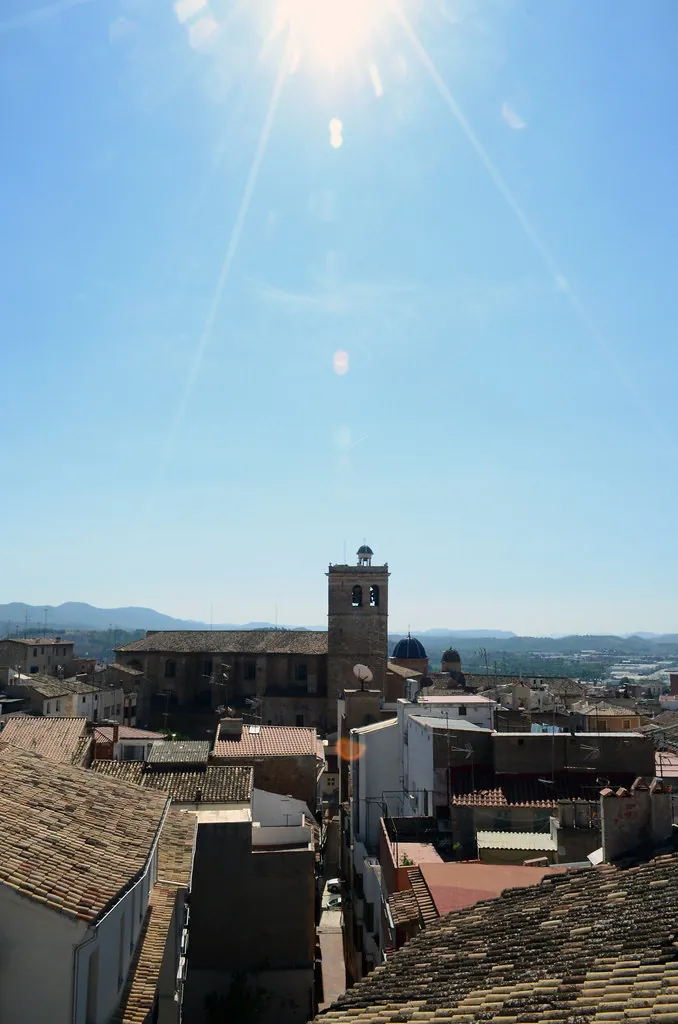
El pueblo es pequeño. De esos que si te despistas al entrar, sales por el otro lado en cinco minutos. Las calles son estrechas y las casas se aprietan unas contra otras, con ese aire de haber crecido hacia dentro para protegerse del frío del invierno y del calor del verano.
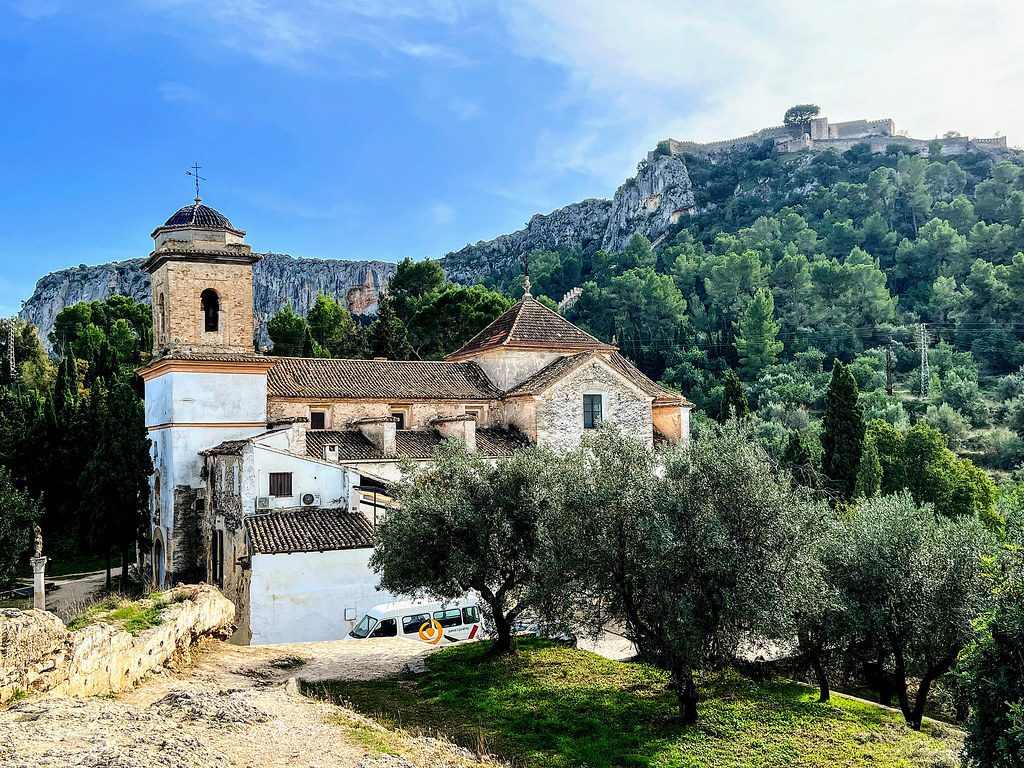
La iglesia de San Miguel Arcángel hace de faro. No es una catedral, claro. Es la típica iglesia de pueblo que has visto mil veces: sólida, con una torre campanario que te sirve de referencia para no perderte. A su alrededor, la vida transcurre lenta. Verás alguna era antigua o restos de herramientas agrarias tiradas por ahí, integradas en el paisaje como un mueble más de la casa. No hay paneles explicativos. O preguntas a alguien o te lo imaginas.
El paisaje es de almendros (y poco más)
Esto es lo importante: si no sales a andar por los alrededores, te lo has perdido todo. Algimia está encajonada en un valle, y las laderas están talladas en bancales hasta donde alcanza la vista. Son terrazas escalonadas llenas de almendros. En febrero o marzo, cuando florecen, el monte se pone como un algodón de azúcar blanco y rosa pálido. Es bonito, sí, pero fugaz. Como el olor a azahar después de una tormenta: dura dos días.
El río Palancia pasa cerca. Llamarlo río es casi un halago; es más bien un hilo de agua entre cañas donde la gente local va a refrescarse en agosto. No esperes una poza instagrameable con madera depurada. Es un sitio rústico, con piedras y algún plástico arrastrado por la corriente.
Hay senderos que salen del pueblo hacia los campos. No son rutas épicas señalizadas con balizas amarillas. Son caminos de tierra que suben entre bancales y pinos hasta algún mirador natural desde donde se ve todo el valle del Alto Palancia extendido como una manta arrugada. Lleva agua y calzado cómodo; algunos tramos se difuminan entre los cultivos.
Comida contundente y fiestas locales
La gastronomía por aquí es la de siempre en el interior valenciano: platos para reponer fuerzas después de una jornada en el campo. Puedes encontrar migas guisadas con lo que haya, ollas poderosas con verdura de temporada y mucho producto local como la almendra o el aceite. Es comida honesta, sin florituras. La sensación después es la misma que tras un buen cocido: satisfacción absoluta y ganas de echar una sipla.
Las fiestas grandes son las de San Miguel, a finales de septiembre. Es cuando el pueblo saca las sillas a la calle, suena música y se nota cierto bullicio. El resto del año reina una calma profunda. Esto no es un escenario; es un lugar donde la gente vive. A veces eso significa ver persianas bajadas a las dos de la tarde o encontrarte solo paseando. Es normal.
Cómo llegar (y qué hacer cuando estés allí)
Se llega desde Segorbe o Altura por carreteritas comarcales llenas de curvas. Es un trayecto corto pero lento; vas siguiendo el ritmo del terreno. Cuando llegues aparca donde puedas (no hay problema) y olvídate del coche.
Algimia no tiene una lista de "imprescindibles". Funciona mejor si lo tratas como una visita a casa de unos familiares lejanos: llegas sin grandes expectativas, te sientas en su plaza, disfrutas del cambio de ritmo y te vas cuando notes que ya has desconectado lo suficiente. No va a cambiarte la vida, pero durante unas horas te hace olvidar que existe el estrés. Y eso hoy en día ya es algo