Full Article
about Almedíjar
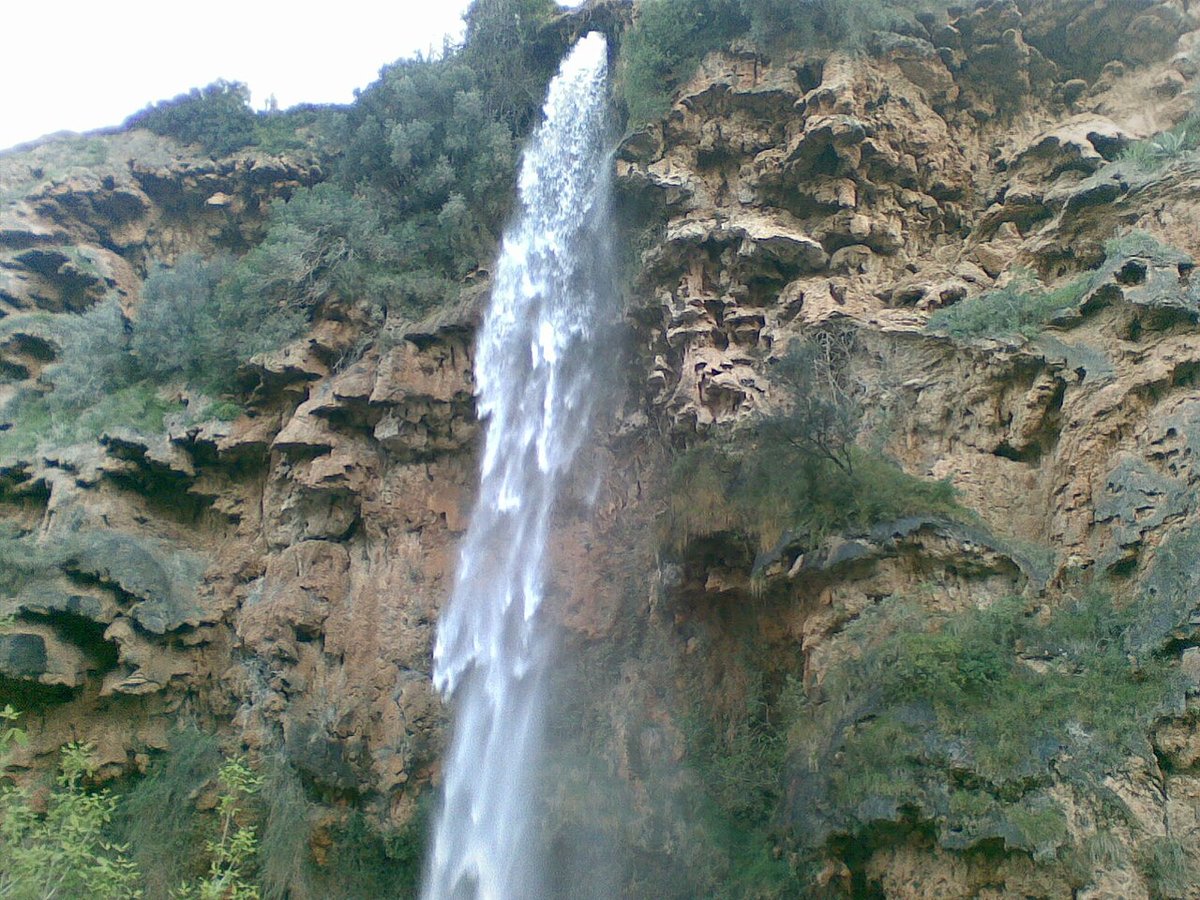
A picturesque village in the Sierra de Espadán natural park, known for its waters and artisan cheeses, surrounded by centuries-old cork oaks and striking ravines.
Hide article Read full article
Arriving and getting your bearings
If you are coming to Almedíjar, the first thing to sort out is the car. The entrance into the village is narrow, and once inside there is very little room to manoeuvre. Most people leave their vehicle on the upper edge of the village or in the spaces by the roadside, then continue on foot.
From Segorbe, the route follows a local road that winds into the Sierra de Espadán. It is not especially long, but it does involve a fair number of bends. In summer, the heat can be quite intense. Spring and autumn tend to be more comfortable, and the surrounding landscape is easier to enjoy at those times of year.
A small village without fuss
Almedíjar is small. It can be walked end to end in about an hour without rushing.
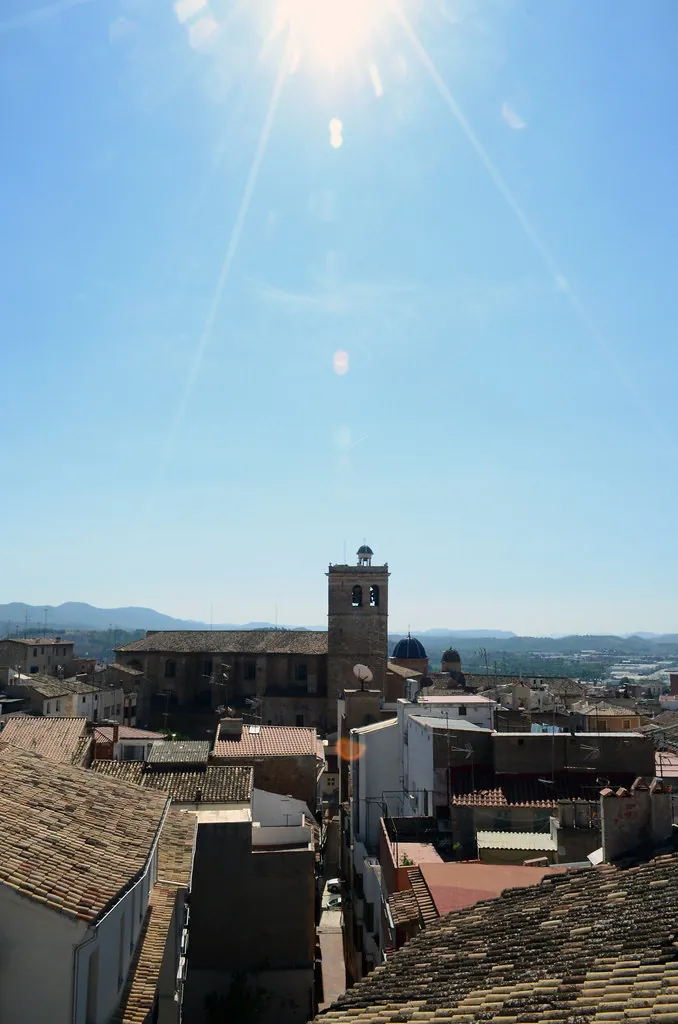
The streets rise and fall between stone houses and plain façades. There are no large monuments or striking buildings that dominate the scene. The parish church sits at the centre, and beyond that there is little that dictates a fixed route.
What matters here is not ticking off specific sights. It is the act of wandering, hearing the sound of a fountain somewhere nearby, and noticing how the village leans into the slopes of the Sierra de Espadán. The layout feels shaped more by the terrain than by any grand design.
There is a certain rhythm to moving through the streets. Short climbs, small turns, quiet corners. Nothing insists on attention, yet the overall impression builds as you go.
The pull of the surrounding hills
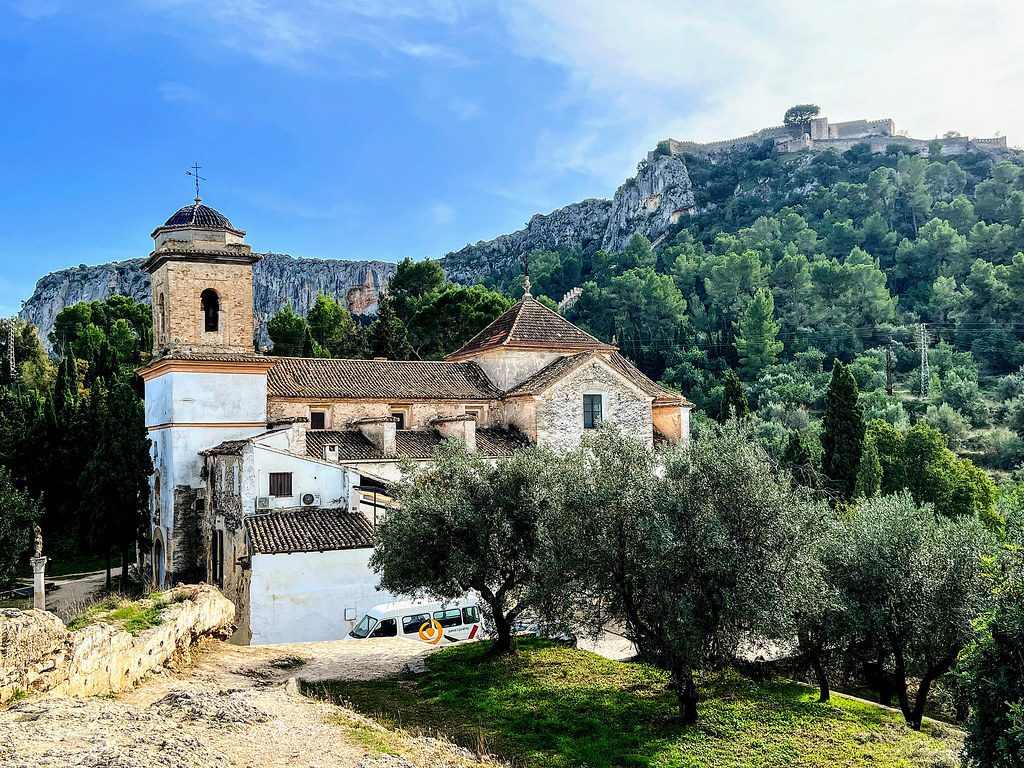
The setting carries more weight than the village itself. Mediterranean pine forest, ravines and rounded hills enclose the valley on almost every side.
Paths begin right from the village and lead into the sierra. Some pass by old masías, traditional rural buildings once used for farming and livestock, while others open onto small natural viewpoints. It is worth checking your route before setting out, as there are junctions and forest tracks that look very similar and can easily cause confusion.
Along these paths, there are fountains that have served for decades as stopping points for shepherds and for people heading into the hills. They are simple stone constructions, often located in cooler, shaded spots. They offer a pause rather than a destination.
In autumn, when the first rains arrive, the pine forest attracts people looking for mushrooms. It is a common activity in the area. Anyone taking part is expected to know what they are collecting and to respect the land.
Walking here is less about reaching a particular landmark and more about being within the landscape. The combination of forest, uneven ground and open views shapes the experience.
Traditions and everyday life
With fewer than three hundred inhabitants, life in Almedíjar is quiet for most of the year.
The main festivities take place in August. This is when people who have family ties to the village return, and the population briefly grows. In winter, the tradition of San Antonio Abad is still observed, with bonfires and events linked to the saint. For those unfamiliar, San Antonio Abad is commonly associated in Spain with animals and rural life, and the celebrations often reflect that connection.
Easter, or Semana Santa, is marked in a simple way. The processions are short, the participants are neighbours who know one another, and the scale remains modest.
There is no sense of spectacle driving these events. They follow a steady pattern, tied to the calendar and to the people who live here or return regularly.
A place for going slowly
Almedíjar does not revolve around a checklist of attractions. The village and its surroundings work best as a single, unhurried experience.
The idea is straightforward: walk into the sierra, then spend some time in the village. Sit, wander, listen, and move on at your own pace. If the aim is to move quickly from one landmark to another, this is unlikely to satisfy. The appeal lies in slowing down, or choosing somewhere else altogether.