Full Article
about Altura
Historic town in the Palancia valley, home to the Cartuja de Vall de Cristo; set in rich natural surroundings with springs and the Cueva Santa sanctuary.
Hide article Read full article
Driving up to Altura, the road starts to wind and the engine note changes. It’s that sound your car makes when it knows it’s working a bit harder. You’re climbing out of the Palancia valley, leaving the main road behind, and the air feels different already.
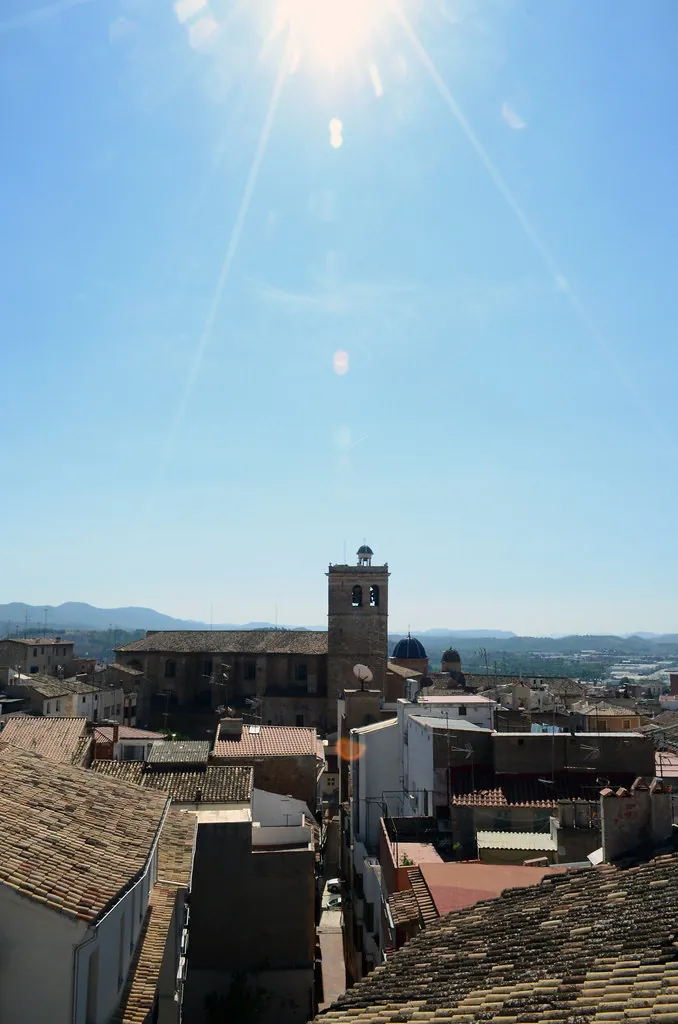
The first thing you see isn’t a welcome sign. It’s a wall. A proper, crumbly, old one that looks like it grew out of the hill. The whole old quarter huddles underneath it, with the castle ruins on top like a forgotten hat. This is Altura, in the Alto Palancia. It doesn’t wave at you from a distance.
The Rhythm of the Streets
Forget polished promenades. Here, the soundtrack is the click of dominoes from an open doorway or a neighbour calling across the street. With around 3,800 people, it’s not empty, but it follows its own clock. Mornings are quiet. Later, when the sun softens, chairs appear and life spills outdoors.
A natural first move is to walk up to that castle. Don’t expect guided tours or plaques. You just walk. The path is clear and the reward is all in the view: a sudden, wide-open panorama of the valley and La Plana beyond. It’s a simple trade—a bit of a climb for a proper sense of place.
The Monastery That Isn't Trying
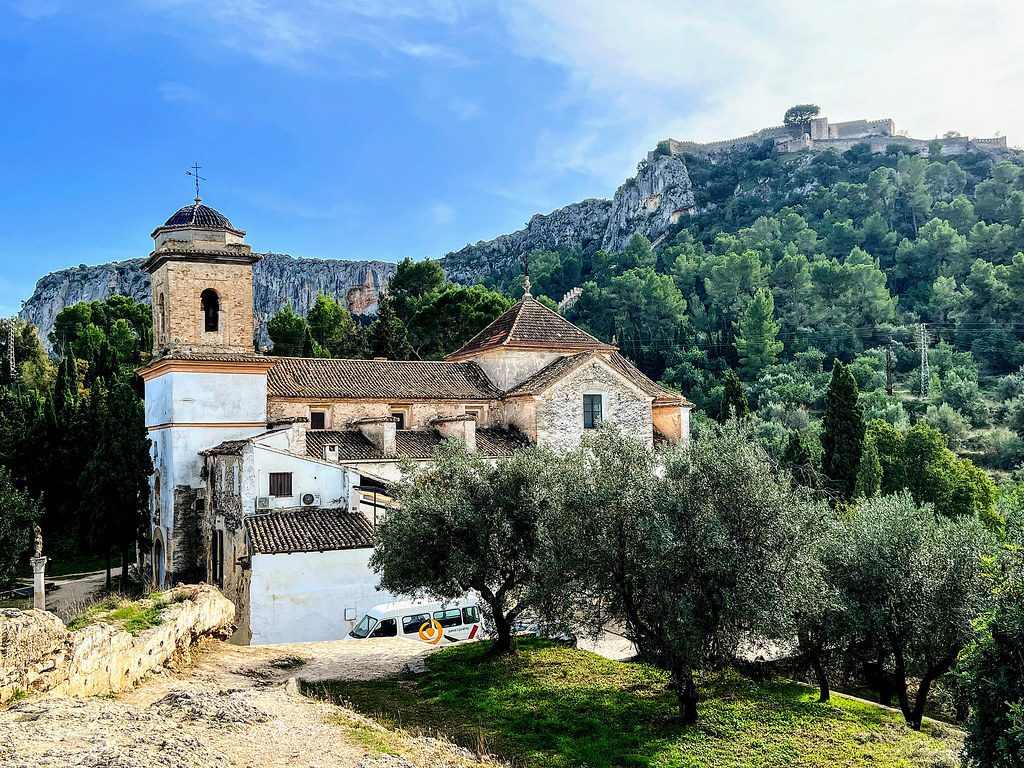
On the edge of town, down a track lined with almond trees, you’ll find what most people come for: la Cartuja de Vall de Cristo.
It doesn’t announce itself dramatically. You round a bend and there it is—a sprawling collection of ruins from a 14th-century charterhouse. Parts of churches and cloisters stand next to sections that are little more than outlines in the grass. Some bits have been restored; others are left to the weather.
You can wander through alone most days. It feels layered, like history happened here in phases and then just stopped. A guy I met walking from Segorbe called it the area's best-kept secret, which sounds like a cliché until you're standing there with only birdsong for company.
Walking Into the Sierra
Altura isn't just a village you look at; it's one you walk from. The Sierra Calderona starts right behind the last house.
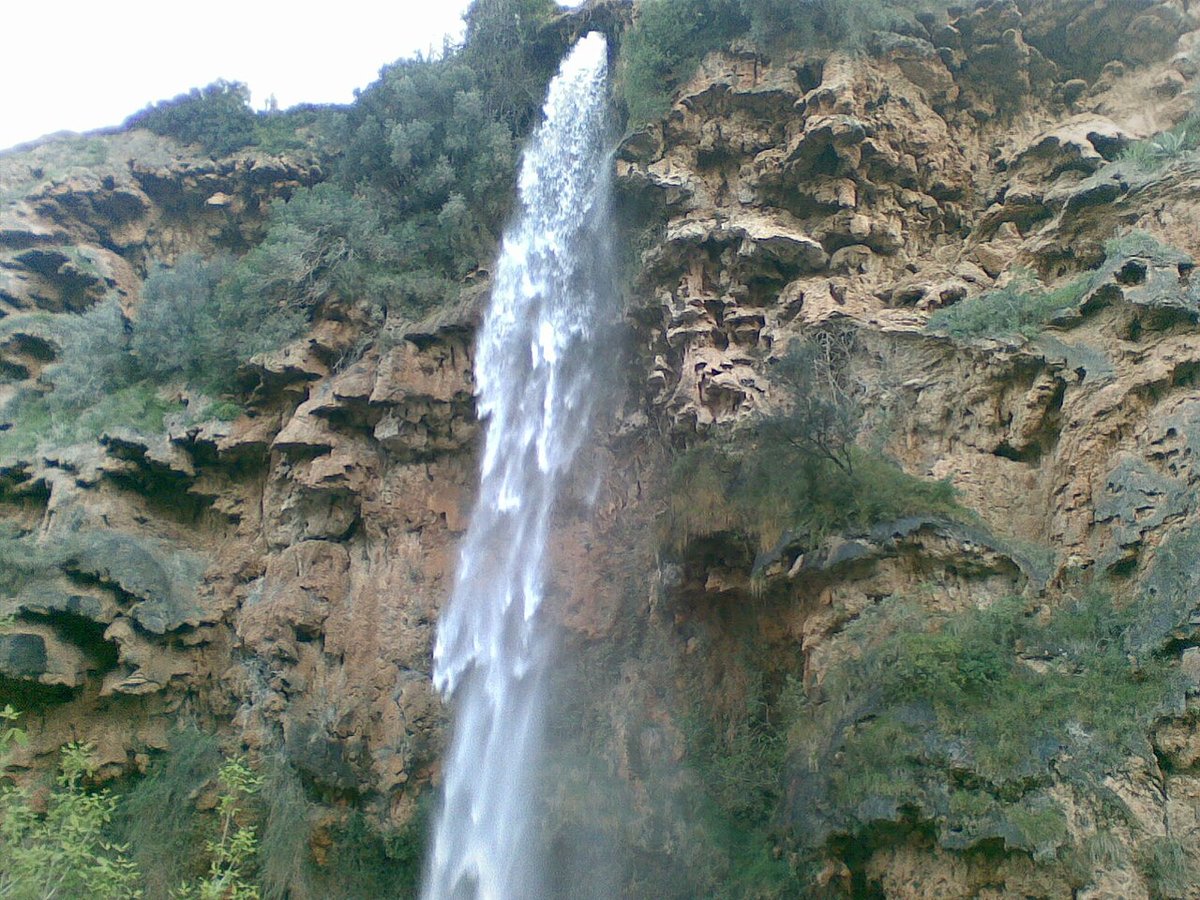
A well-trodden path leads to the Santuario de la Cueva Santa, a pilgrimage site with deep local roots. The walk has some ascent, so take water and your time. Shorter routes follow old irrigation channels past ruined mills—these aren't epic hikes, but they tell you how people worked this land long before hiking boots were invented.
The scent up there is pure rosemary and thyme, especially on a warm day after some rain.
What Lands on the Table
After walking, you eat seriously here. This is spoon territory.
When it's cold, look for olla de la plana. It's a chickpea and meat stew that sticks to your ribs in the best way possible—the kind of meal that ends any plans for further activity that day. Local honey has a dark, intense flavour that tastes like walking through those hills. And if you're around during a festival, you might find pestiños, those sticky little pastries, or savoury cocas topped with onion.
Knowing When to Come
This isn't a year-round fiesta. Winters can be sharp and quiet. Summers are hot, though nights bring relief you won't get on the coast. Weekdays are tranquil; weekends bring more bustle to the main square. The main fiestas in September feel like a family party that spilled into the streets—local music, processions where everyone knows everyone.
Altura won't perform for you. You come here for straightforward things: stone streets underfoot, mountain air, an immense quiet from an old monastery ruin. It offers its own rhythm, and sometimes, that's exactly what you need