Full Article
about Azuébar
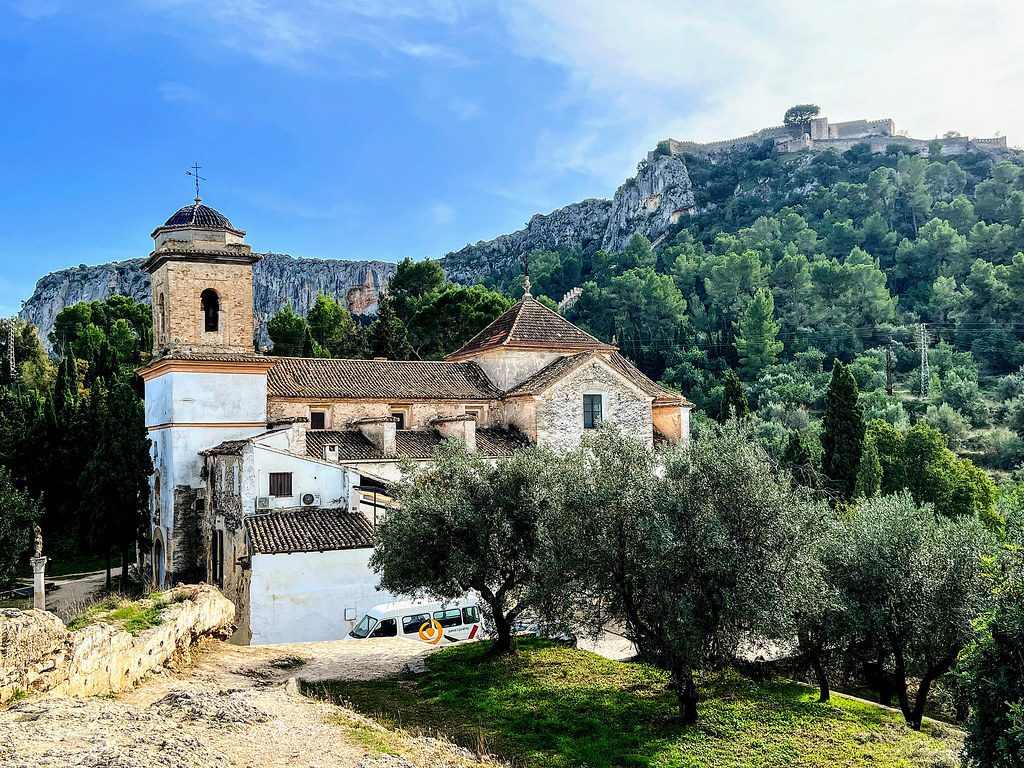
Municipality on the slope of the Sierra de Espadán, dominated by the outline of its castle; known for its olive oil and protected natural surroundings.
Hide article Read full article
Getting There and Getting Around
In Azuébar, the car comes first. It is best to park at the entrance or on one of the wider streets before heading into the old centre. Space inside is very limited, and the streets climb steeply and narrow quickly. During the week, finding a spot is usually straightforward.
You do not need much time here. A relaxed walk through the village takes a little over an hour. Early morning or late afternoon works best. In summer the sun is strong and there is very little shade.
From Castellón, access is via the CV‑25, followed by smaller roads through the Alto Palancia area. The final stretch includes a few bends, which is typical for this part of the region. In winter, frost can appear overnight.
The Shape of the Village
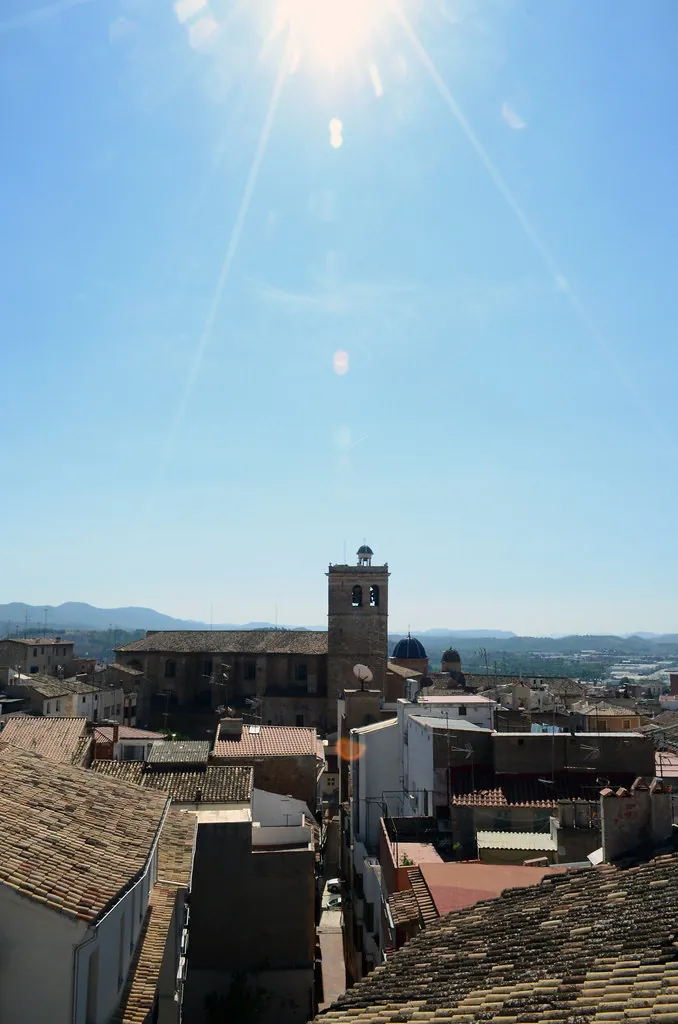
Azuébar sits on a slope, and the layout reflects it. Streets rise and fall without much pattern, forming a compact network of narrow passages. Stone houses dominate, with plain façades and sections where only a single car can pass.
At the top stands the church of San Pedro Apóstol. It is a simple building: a wide single nave, modest furnishings and a rectangular bell tower visible from most parts of the village. The interior does not hold many surprises, but its position gives it a quiet presence over the rest of Azuébar.
The main square is small. There are a few benches, a modern fountain, and little else. From here, two streets define the centre. One climbs towards the church, while the other descends towards areas that were once used for orchards.
Beyond the Streets
Leaving the built-up area, the landscape opens into terraced land supported by dry stone walls. Many of these terraces once held almond trees. Some are still maintained, while others have been left behind.
If visiting in late winter or early spring, the remaining almond trees bloom with white flowers. At other times of the year, the surroundings feel drier. Low shrubs, empty plots and the occasional cultivated field take over the view.
A short walk along the nearby paths is enough to understand how these agricultural terraces were arranged. There is no need to venture far from the village to get a clear sense of this landscape.
Paths, Tracks and Open Countryside
The wider municipal area has a network of old tracks and paths. These were once working routes, used by farmers, livestock and people moving between nearby villages. Today they are mostly used for walking or cycling.
Not all of these routes are signposted. Some are clear tracks, while others narrow into simple footpaths. If you enjoy walking, it is enough to follow those that lead out of the village towards the nearby ravines and low hills.
This is also a quiet place for spotting common bird species typical of Mediterranean woodland. There are no dedicated facilities or marked observation points, just open countryside and patience.
Local Festivities and When to Go
The main celebrations take place in summer, around the feast of San Pedro. Expect short processions, events in the square and evening dances. The atmosphere reflects the scale of the village, with many people returning for the occasion and streets that feel busier than usual.
In spring, there is often a fair linked to fruit and local produce. Simple stalls appear, bringing more activity than the village usually sees.
For a quieter visit, autumn is a good choice. The heat drops, and the streets are mostly empty.
Azuébar does not ask for much from visitors. Good footwear helps, as the slopes are noticeable. Beyond that, expectations should stay simple. This is a place for a short walk, a look across the valley, and then continuing on through the Alto Palancia.