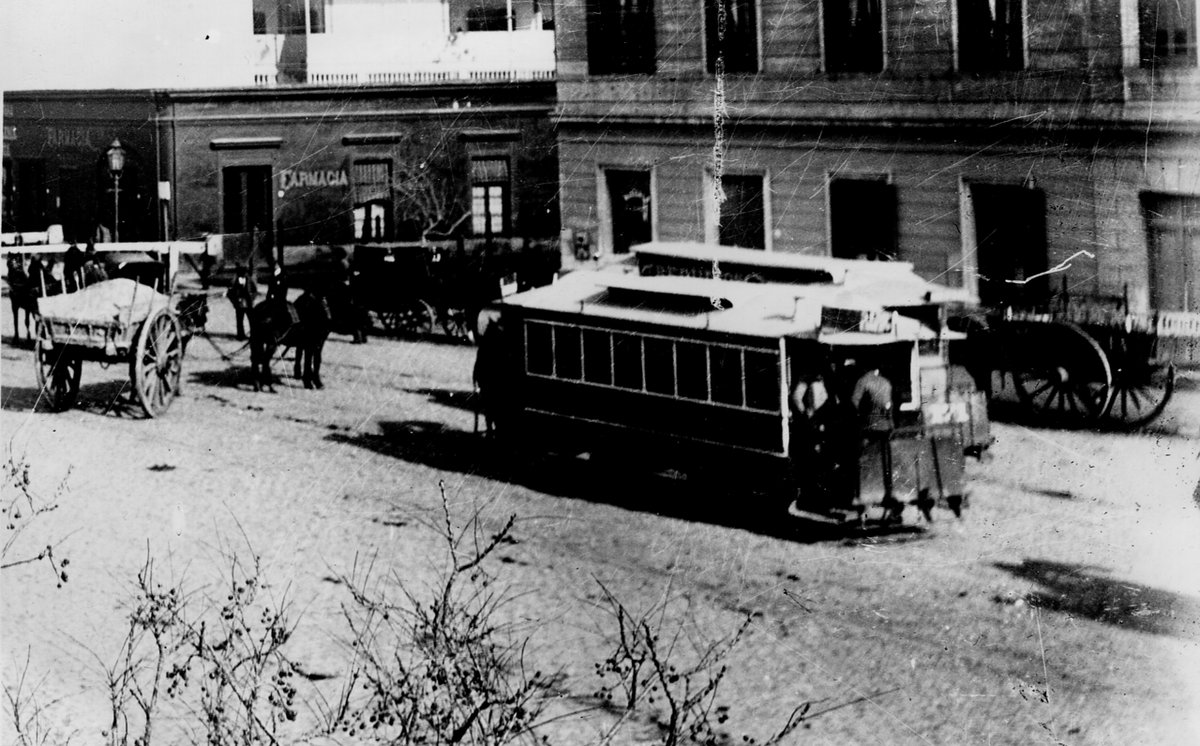
Tranvía por Barracas (AGN).png
Unknown authorUnknown author · Public domain
Comunidad Valenciana · Mediterranean Light

Barracas

At 960 metres above sea level, Barracas feels more like Castilla than the Costa. The village sits on a wind-scoured plateau where the air smells of...

188 inhabitants · INE 2025
981m Altitude

Why Visit

Mountain Church of San Pedro Hiking the Vía Verde de Ojos Negros

Best Time to Visit

summer

San Roque festivities (August) Enero y Diciembre

Things to See & Do
in Barracas

Heritage

  • Church of San Pedro
  • Fountain of San Pedro
  • Hermitage of San Roque

Activities

  • Hiking the Vía Verde de Ojos Negros
  • cycling
  • inland cuisine

Full Article
about Barracas

High-plateau town that stands on the only road between Valencia and Aragón; cold winters, kermes oaks and dry-farmed crops.

Ocultar artículo Leer artículo completo

At 960 metres above sea level, Barracas feels more like Castilla than the Costa. The village sits on a wind-scoured plateau where the air smells of pine resin and sheep, and where summer nights drop to 12°C even when Valencia's beaches are still sweating at midnight. It's the sort of place where locals nod at passing cars because they probably built the engine, taught the driver, or are related to his cousin's wife.

The approach tells the story. Leave the A-23 at Barracas junction – last services 40 km back towards Sagunto – and the CV-195 climbs through Aleppo pines that thicken into proper forest. By the time the stone houses appear, the thermometer in your hire car will have fallen six degrees. Park where the tarmac ends; the lanes beyond are single-track and neighbours don't reverse for strangers.

Stone, Silence and a Church That Knows the Wind

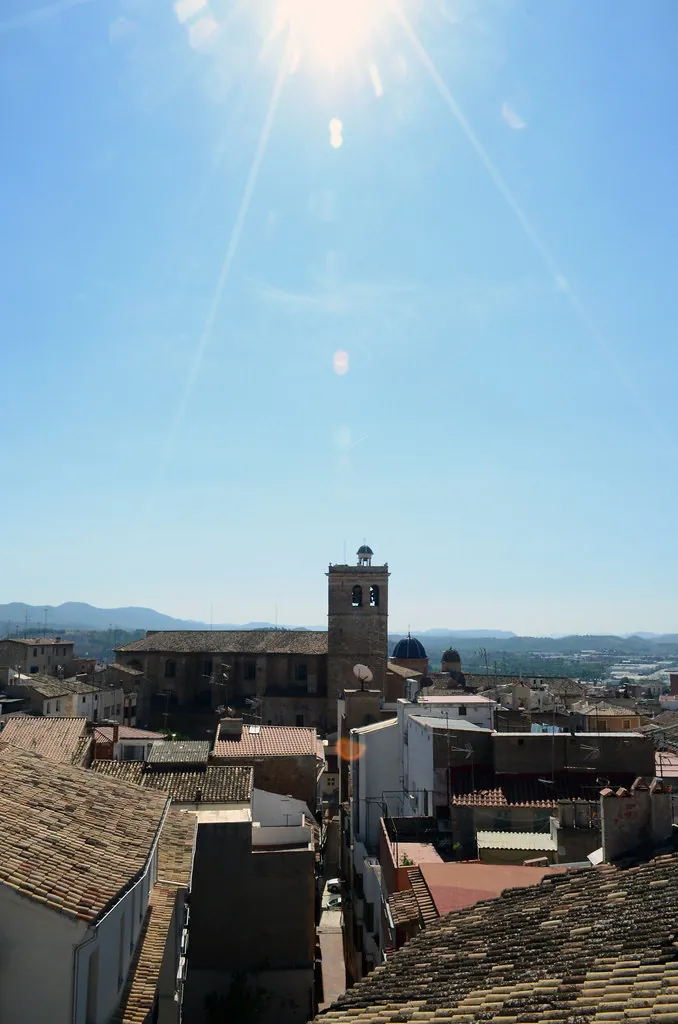
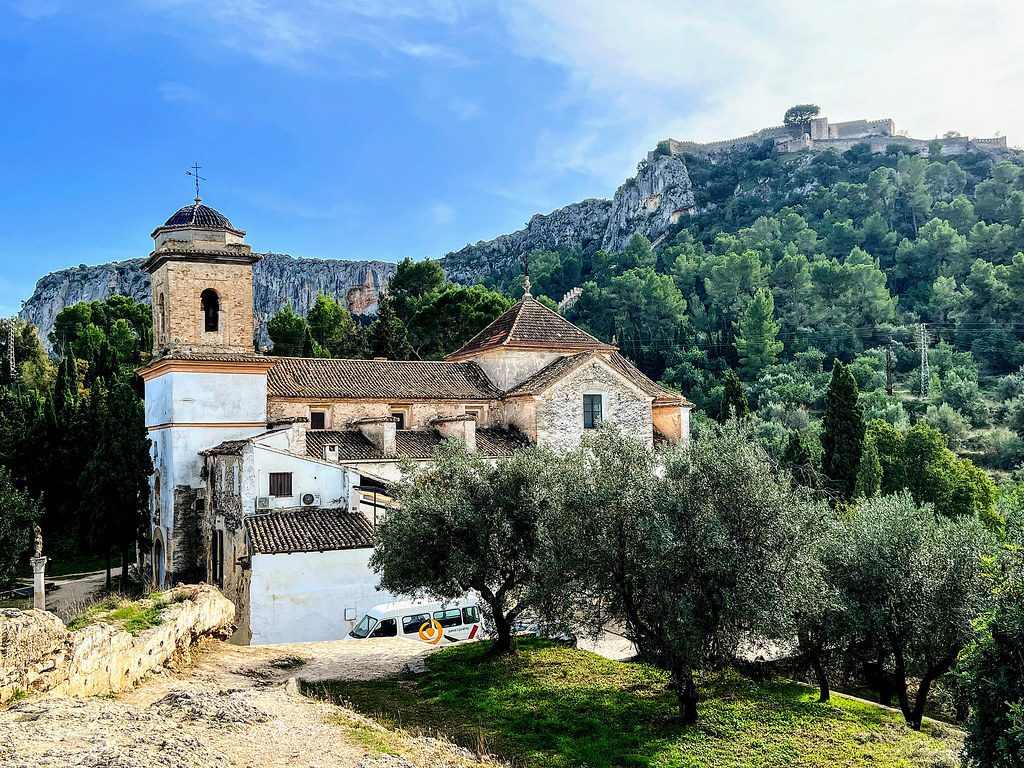
Barracas has no postcard plaza, no horseshoe arcade, no selfie-backdrop façade. What it has is rhythm. The parish church of San Pedro rises above slate roofs like a ship's prow, its modest bell tower the highest point for miles. Walk clockwise around the building and you'll notice the stonework changes colour – darker lower down where 19th-century hailstorms sand-blasted the walls, lighter above where recent restorations used stone from a quarry 30 km away. The difference is subtle, but once seen it explains why every elderly resident can date renovations by heart.

Streets radiate from the church in short, slanted spokes. Houses mix granite blocks with newer brick; some retain wooden balconies wide enough for a chair and a geranium, others have sprouted aluminium shutters that rattle like snare drums when the northerly hits. Water fountains – four in total – punctuate the grid. The one beside the former school still runs winter-cold even in August; fill your bottle and taste the limestone that filters every drop.

Silence here is seasonal. Mid-winter brings snow-quiet, when tyre chains clink like loose change and conversations stay indoors. May turns the volume up: tractors start at dawn, sheep bells echo across the plateau, and migratory beekeepers park articulated lorries at the edge of town, unloading hives that hum like distant radios. By October the soundtrack thins again – just wind, the odd hunting rifle, and boots on pine needles.

Walking the Sky's Edge

The real map starts where the asphalt stops. South of the village a forestry track called Camino de las Neveras climbs gently towards the ridge of El Dosser. After 25 minutes the pines part and you're standing on a limestone lip looking south-west across the entire Alto Palancia – a rumpled green quilt stitched with almond terraces and the silver thread of the Palancia river 500 metres below. On clear days the tower blocks of Sagunto glint 70 km away; by dusk they become a string of lights indistinguishable from stars climbing out of the haze.

Paths are way-marked but not way-busy. The PR-CV 205 loop (9 km, 250 m ascent) circles through neighbouring Torás and back, passing an abandoned snow well where ice was once cut and carried by mule to coastal towns. Allow three hours including the inevitable stop to watch red kites ride thermals above the ravine. Sturdier boots and a full water bottle open up the longer trail to Garbí summit (1,376 m), a six-hour round trip that crosses into Teruel province and rewards with views of the Iberian range turning blue in the heat haze.

Cyclists share the forestry tracks with the occasional hunter's Land Rover. Gradient is steady rather than vicious, but altitude saps thighs used to sea-level spins. Bring an extra layer – descents at a thousand metres chill faster than you'd expect under a Spanish sky.

What You'll Eat (If Someone's Cooking)

Barracas doesn't do menus for show. The only bar, Casa Mariano, opens when Mariano returns from feeding his chickens. If the door's shuttered, knock; if he's out of trout he'll tell you so and pour a beer anyway. When the kitchen is on, order trucha a la palantina – river trout wrapped in serrano ham, pan-fried until the ham crisps like bacon and the fish steams in its own smoky envelope. It arrives with padron peppers and a quartered lemon wrapped in muslin to catch the pips. Price: €12, cash only, no receipt.

Sunday lunch is more reliable. Half the village squeezes into the social club above the pharmacy for cocido de monte – a hunter's stew of pork belly, chickpeas and whatever game the local butcher shot that week. Portions are rationed; arrive after 2 pm and you'll get the sympathetic shrug that means "should have set off earlier". Vegetarians should fill up on coca de la Muela, a thin onion-and-anchovy flatbread sold at the bakery on Saturday mornings. It travels well and tastes better halfway up a hillside than in a picnic basket.

Autumn brings mushroom permits. Ask at the town hall (open Tuesday and Thursday, 10-12) for a free licence that lets you forage in designated zones; without it the forest guard can levy on-the-spot fines. Even with papers you'll need patience – boletes here grow sparse and the locals know every hollow. Better to buy from the retired couple who lay out wicker baskets beside the church: €6 a kilo, brushed clean, smelling of earth after rain.

When to Come, When to Stay Away

April and May green the plateau with wild thyme and the last of the almond blossom. Temperatures hover either side of 15°C – ideal walking weather – and the village fills with weekenders from Valencia testing new boots. Book the guest room above Casa Mariano early; it's the only one in town and word spreads along the A-23 faster than Mariano can change the sheets.

High summer is paradoxical. Days bake – 30°C is common – but night breezes demand blankets. British visitors fresh from coastal humidity sleep with windows wide and wake to condensation on the sill. The fiestas of San Pedro (third weekend July) bring fireworks that echo like artillery in the clear air; if you want silence, arrive mid-week.

Winter is serious. Snow can block the CV-195 for days; the council grades the road but doesn't grit side streets. Chains or 4×4 are mandatory kit from December to February, and the village shop stocks bread, milk and little else. Those who do make it find a monochrome landscape straight out of a Spanish Western – stone, sky, and the black silhouette of the church against drifting flakes. Photographers love it; everyone else should probably wait for March.

Leave with the fuel gauge above half, pockets full of small change, and the realisation that "nothing to do" is exactly what Barracas does best. The plateau will still be here when the Costa's beach bars have been replaced by the next wave of tourism. Whether that's consolation or warning depends on what you came to escape.

Key Facts

Region
Comunidad Valenciana
District
Alto Palancia
INE Code
12020
Coast
No
Mountain
Yes
Season
summer

Livability & Services

Key data for living or remote work

2024
Connectivity5G available
TransportTrain station
HealthcareHospital 11 km away
Housing~6€/m² rent · Affordable
CoastBeach 17 km away
Sources: INE, CNMC, Ministry of Health, AEMET

Official Data

Institutional records and open data (when available).

  • Ayuntamiento
    bic Monumento ~4.4 km
  • Castillo
    bic Monumento ~4.3 km

Planning Your Visit?

Discover more villages in the Alto Palancia.

View full region →

More villages in Alto Palancia

Traveler Reviews