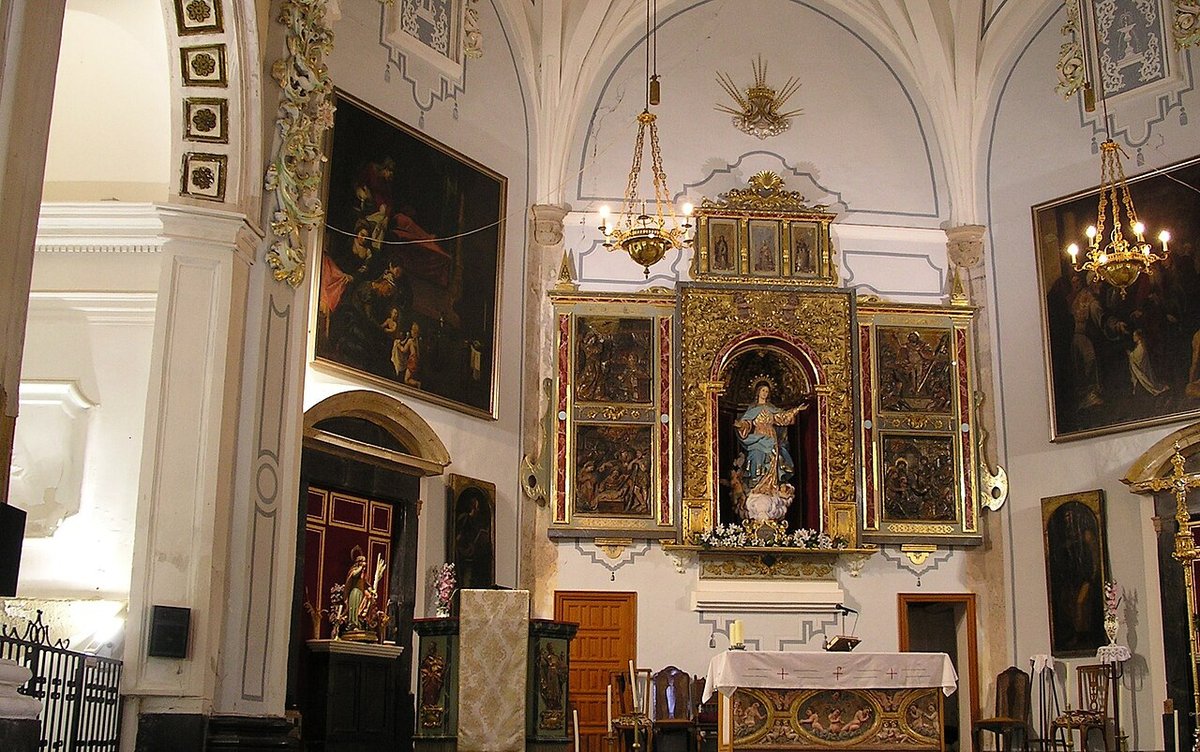
Guecho, Las Arenas - Palacio Itxas-Begi 1.jpg
Zarateman · CC0
Comunidad Valenciana · Mediterranean Light

Bejís

The morning mist lifts to reveal a landscape that looks more charcoal sketch than photograph. Blackened pine trunks stand like sentinels across the...

400 inhabitants · INE 2025
799m Altitude

Why Visit

Mountain Roman aqueduct Palancia River source trail

Best Time to Visit

summer

Martyrs' Festival (August) agosto

Things to See & Do
in Bejís

Heritage

  • Roman aqueduct
  • Bejís Castle
  • Church of Nuestra Señora de los Ángeles

Activities

  • Palancia River source trail
  • water-bottling plant
  • campsite

Festivals
& & Traditions

Fecha agosto

Fiestas de los Mártires (agosto), Fiestas de septiembre

Las fiestas locales son el momento perfecto para vivir la autenticidad de Bejís.

Full Article
about Bejís

Historic town ringed by mountains, famed for its spring water; a Roman aqueduct and castle still stand from its strategic past.

Ocultar artículo Leer artículo completo

The morning mist lifts to reveal a landscape that looks more charcoal sketch than photograph. Blackened pine trunks stand like sentinels across the mountainsides above Bejis, a reminder of recent wildfires that swept through the Alto Palancia region. Yet life persists. Green shoots push through the ash-covered ground, and the village's 400 residents continue their daily rhythms much as they have for centuries—just at a rather higher altitude than most coastal visitors expect.

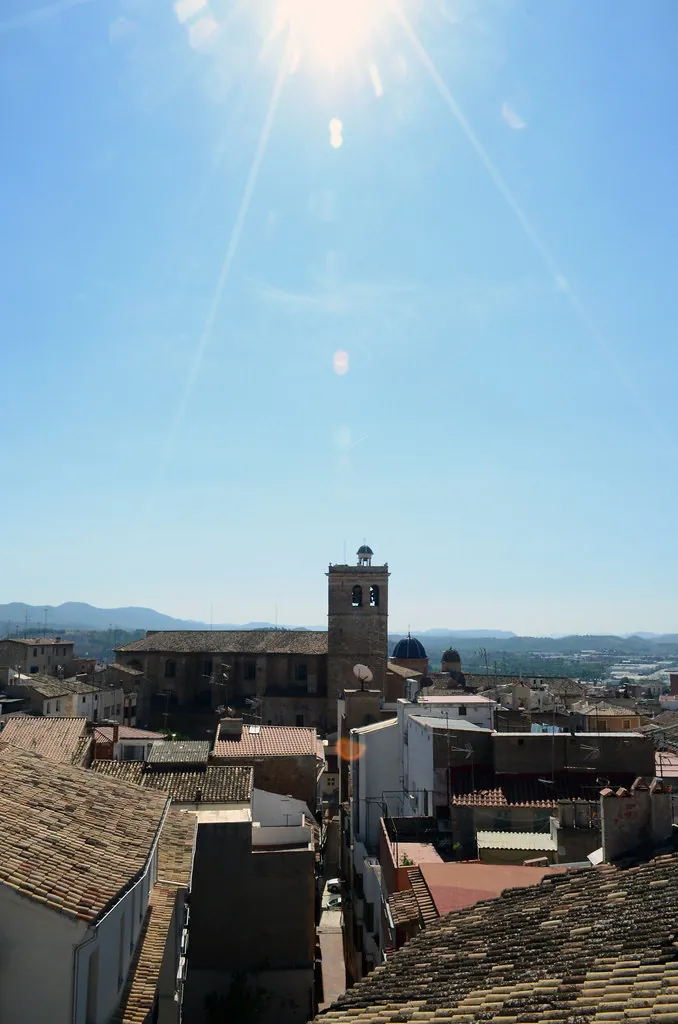
At nearly 800 metres above sea level, Bejis operates on mountain time. The air carries a crispness missing from Valencia's beaches 75 kilometres east, and the narrow lanes climbing towards the ruined castle require a different pace entirely. This isn't a village that reveals itself quickly. Stone houses huddle together, their walls thick enough to have weathered Moorish sieges and modern storms alike. The medieval street pattern remains intact—not because of careful preservation, but because nobody saw reason to change it.

Walking Through History, One Uneven Step at a Time

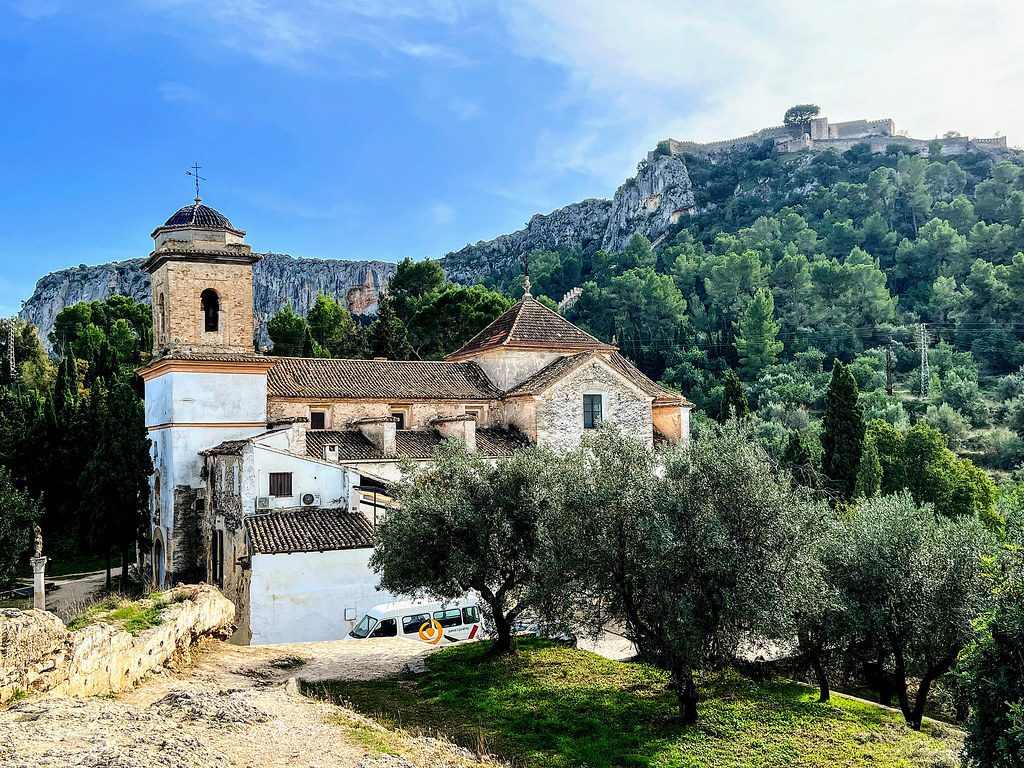
The Castillo de Bejis doesn't do visitor-friendly. What remains of this 11th-century Arab fortress are crumbling walls and square towers that require proper footwear and a tolerance for loose stones. The climb takes twenty minutes from the village centre, though the gradient makes it feel longer. At the summit, the reward isn't just the view—it's understanding why this spot mattered. The Palancia valley stretches below, a natural corridor that once connected coastal trade routes with inland settlements. On clear days, you can trace the river's path east towards the Mediterranean.

Back in the village, the Church of San Pedro Apóstol proves more accommodating. Built between Gothic and Renaissance periods, its sober exterior gives little hint of the single-nave interior where medieval craftsmen left their mark. The decorative elements survived wars, neglect, and renovation attempts—no small achievement in a settlement that's seen more conflict than tourism. Look for the worn stone steps near the altar; generations of villagers have climbed them for baptisms, weddings, and funerals that bound this small community together.

The old walls reveal themselves gradually. They're not a complete circuit you can walk, but fragments integrated into houses and alleyways. One minute you're passing someone's front door, the next you're running your hand along stones that once kept invaders out. The best preserved section stands near the upper car park, where a defensive tower still shows its original height. Local builders have incorporated other sections into newer constructions—practical recycling that happened centuries before it became fashionable.

When the Mountain Makes the Menu

Bejis cuisine doesn't trouble food critics. It fills stomachs after long walks and cold nights, which explains why local specialities lean heavy rather than delicate. Migas—fried breadcrumbs with garlic and pork—originated as shepherds' fare, designed to sustain men spending weeks in the mountains with minimal equipment. The dish appears on every menu, though each cook claims their grandmother's recipe superior. Roasted lamb arrives in portions that would shame a London gastropub, while game stews appear seasonally when hunting permits allow.

For lighter appetites, options narrow. The village's single supermarket stocks basics, but fresh produce depends on what the mobile shop brings from larger towns. Vegetarians should plan ahead—this is meat country, where even the beans come with chorizo. The local embutidos (cured meats) justify the cholesterol, particularly the morcilla blood sausage spiced just enough to cut through the richness.

Dining means the Hostal Tren Pita or nothing. The name references the railway that never reached this high—Valencia's loss became Bejis's gain in terms of peace and quiet. What the family-run establishment lacks in choice, it compensates for in generous portions and prices that seem misplaced in 2024. A three-course lunch with wine runs under €15, served by staff who remember your preferences from yesterday.

Trails Through Burned Forests and Beyond

The Sendero del Castillo forms a loop that extends beyond the fortress ruins, following forest tracks through recovering pine woodland. Fire damage becomes part of the experience—new growth emerges between blackened trunks, creating a landscape photographers find either compelling or depressing depending on their mood. The full circuit takes two hours, though shortcuts exist for those who've underestimated mountain walking in midday heat.

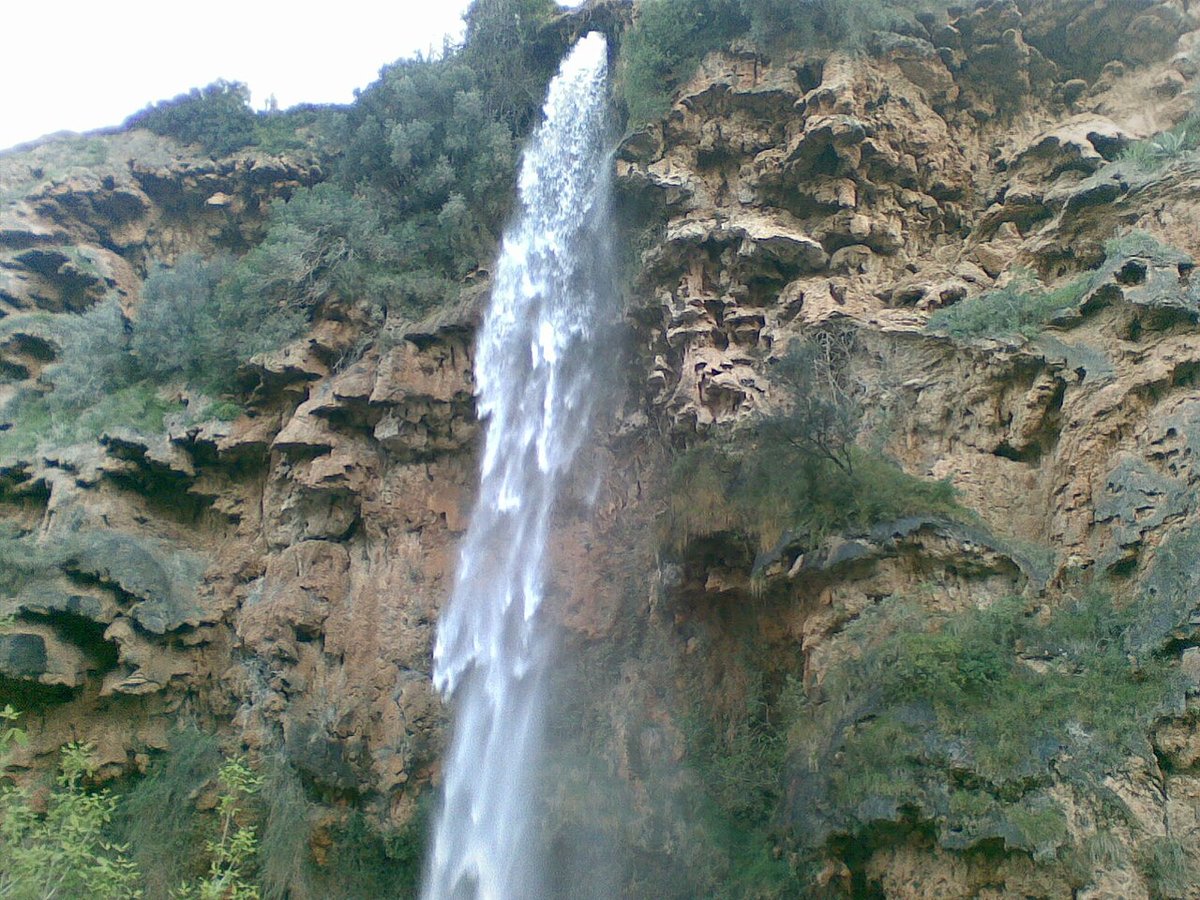
More ambitious hikers tackle the Ruta del Agua, which follows the Palancia river through gorges where the water runs clear enough to drink (though carrying purification tablets remains wise). The path passes abandoned mills where stone wheels sit motionless, their grinding days ended when rural isolation became less romantic than impractical. Information boards appear sporadically, though the English translations suggest Google Translate rather than professional work.

Mountain biking attracts the Dutch and Germans who discovered Bejis before the British. The network of forest tracks connects with neighbouring villages like Jérica and Teresa, though elevation gains punish overconfident cyclists. The climbs aren't alpine passes, but sustained gradients that reward proper gearing over youthful enthusiasm. Bring spare tubes—thorns from recovering vegetation puncture tyres with depressing regularity.

Practicalities for the Unprepared

Reaching Bejis requires accepting that Spanish infrastructure priorities favour coastal tourism. From Valencia, the CV-25 motorway speeds things along until Jérica, where the CV-230 demands attention. The final 15 kilometres twist through mountain scenery that would merit postcards if anyone produced them. Winter driving means potential snow—chains live in car boots from November to March, and using them becomes a social event as villagers emerge to help visitors figure out the mechanics.

Accommodation choices reflect the village's size. Camping Los Cloticos occupies a riverside spot where the Palancia's gentle flow creates natural swimming holes deep enough for proper immersion. The facilities earn consistent praise for cleanliness, though the 2022 floods that followed forest fires showed nature retains the upper hand. The site closes January and February—winter mountain nights drop below freezing, and British caravans aren't designed for Spanish extremes.

Hostal Tren Pita offers seven rooms above the restaurant, each simple but warm. Booking ahead becomes essential during fiesta periods, particularly late June when San Pedro celebrations bring returning families who've swapped village life for city salaries. The September cultural week proves quieter, mixing religious processions with photography exhibitions that show the same streets in different decades—proof that some things change very slowly indeed.

Weather demands respect. Summer brings relief from coastal humidity, but afternoon temperatures still reach 30°C. Spring and autumn provide the sweet spot—warm days, cool nights, and walking conditions that don't require emergency water supplies. Winter means proper cold; the altitude makes a mockery of Valencia's mild reputation, and snow isn't unusual. The village's microclimate creates its own weather patterns—morning fog, afternoon sun, evening thunderstorms that arrive with theatrical suddenness.

Bejis won't suit everyone. Shoppers face disappointment—what isn't available in the village requires a 40-minute drive to Segorbe. evening entertainment means the local bar or nothing. Mobile phone signal varies with the weather, and WiFi operates at speeds that remind middle-aged visitors of dial-up connections. Those seeking nightlife should remain on the coast.

Yet for walkers, history enthusiasts, or anyone who's wondered what Spain looked like before tourism, Bejis provides answers. The village makes few concessions to visitors, which paradoxically becomes its appeal. Come prepared for mountain weather, pack proper walking boots, and accept that lunch happens when locals decide—not when British stomachs rumble. The fires may have scarred the landscape, but they revealed something essential: places like Bejis persist not because they're perfect, but because they're real.

Key Facts

Region
Comunidad Valenciana
District
Alto Palancia
INE Code
12022
Coast
No
Mountain
Yes
Season
summer

Livability & Services

Key data for living or remote work

2024
Connectivity5G available
TransportTrain nearby
HealthcareHospital 19 km away
Housing~5€/m² rent · Affordable
Sources: INE, CNMC, Ministry of Health, AEMET

Official Data

Institutional records and open data (when available).

  • Acueducto de los Arcos
    bic Monumento ~0.5 km
  • Castillo de la Orden de Calatrava
    bic Monumento ~0.4 km
  • Yacimiento icnológico de Bejís
    bic Zona paleontológica ~1.1 km

Planning Your Visit?

Discover more villages in the Alto Palancia.

View full region →

More villages in Alto Palancia

Traveler Reviews